太空
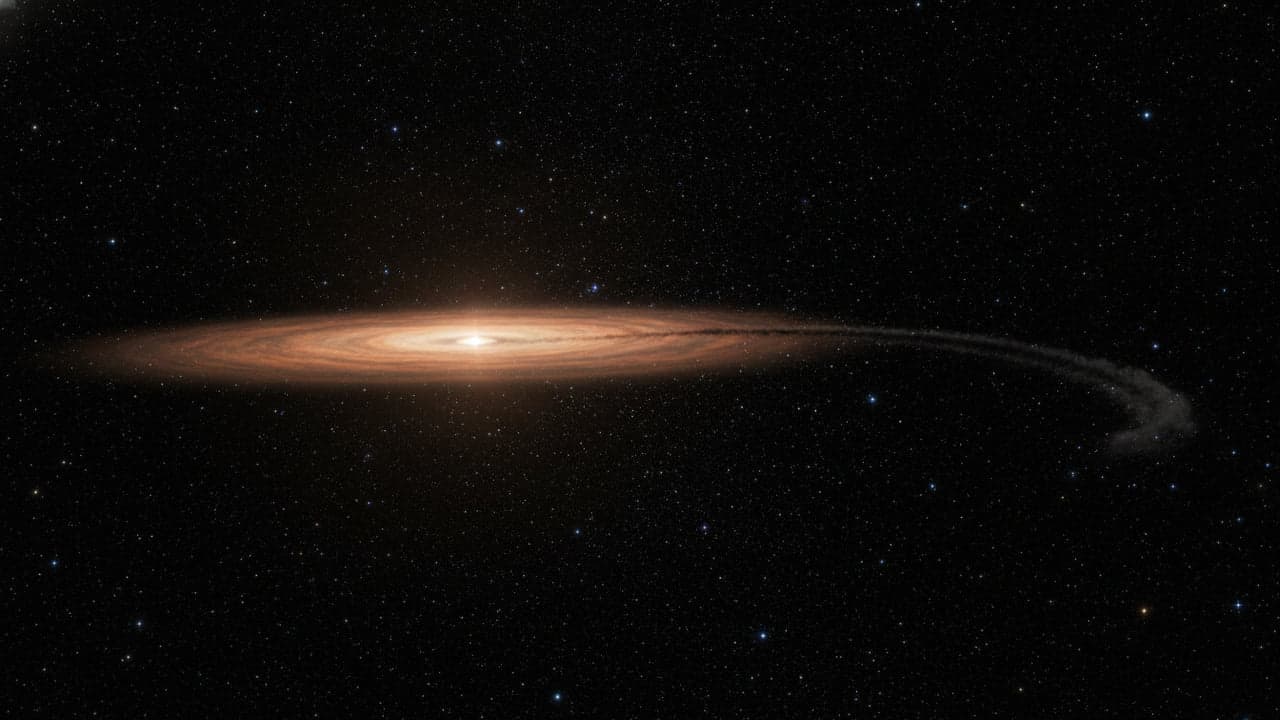
Hubble Detects 93-Billion-Mile Cat's Tail From Colliding Worlds
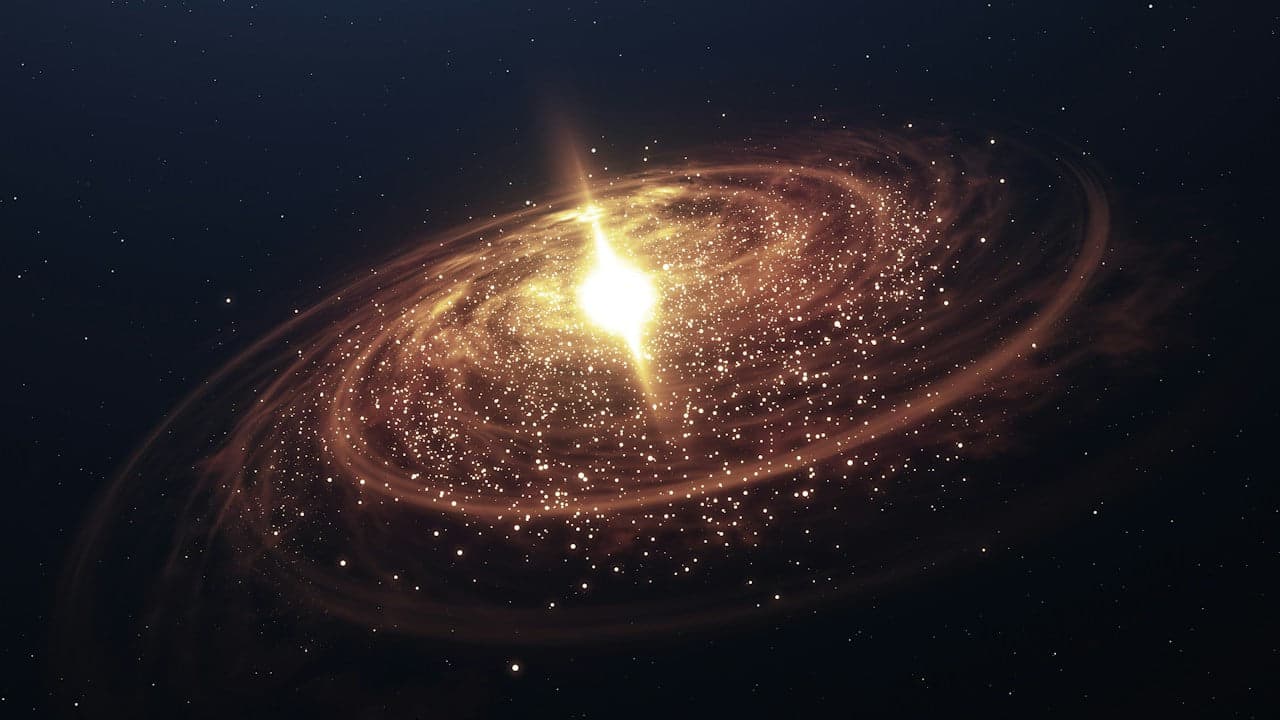
Astronomers led by Arin Avsar at the University of Arizona have captured visible light from the Cat's Tail, an enormous debris cloud stretching 93 billion miles across space in the young star system Beta Pictoris. Combining fresh observations from NASA's Hubble Space Telescope with 14 years of archival data, the team determined that the structure likely formed when two Pluto-sized worlds smashed into each other. The discovery, published in The Astrophysical Journal Letters, provides rare physical evidence of how planets take shape through violent impacts.
Letizia Giugliano人工智能辅助 · 审校:Giovanni Sapere