A concentrated solar power system designed with its own fuel backup
US startup 247Solar tests a 1 megawatt hybrid plant in India using ceramic thermal storage and a flexible microturbine
By Letizia Giugliano
2 min readHuman-Edited, AI-Assisted
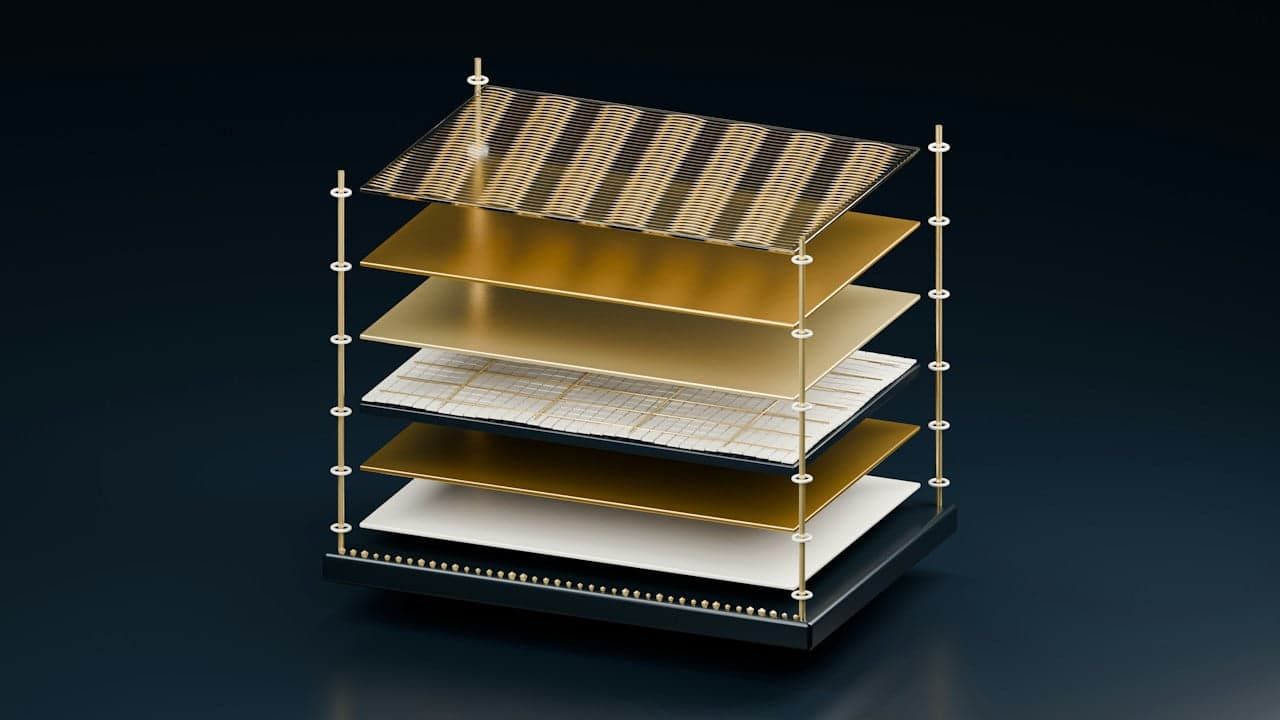
Engineers are building a 1 megawatt concentrated solar plant in India that can switch directly to combustion fuels when sunlight drops. Developed by the US startup 247Solar, the invention replaces conventional turbine combustors with a heat exchanger, allowing the same generation machinery to run on solar heat or backup fuels without constructing a separate power station.
Ceramic pellets and ambient air replace molten salts
Solar startup 247Solar heats ambient-pressure air to roughly 970° C using an updated receiver design originally devised by a German company, as reported by Ars Technica. Instead of liquid salts, the hot air transfers heat into a bed of golf-ball-sized ceramic pellets to provide solid-state energy storage. Most concentrated solar power systems use mirrors called heliostats to track the sun and heat working fluid inside a central tower, but earlier plants struggled with high capital expenses, complex plumbing and corrosive salts. Photovoltaic panels dominate modern installations due to low production costs, but they cannot generate power overnight without battery systems.
“The heat exchanger does the same job as the combustor did. It’s in the same place in the turbine assembly as the combustor was: after the compression stage and before the expander.”
Bruce Anderson, 247Solar
A drop-in heat exchanger inside a standard turbine
The stored thermal energy can run generating turbines between nine and 20 hours after sunset, depending on daytime usage and final plant layout. To generate electricity, the hot air moves into a custom heat exchanger positioned directly inside a standard turbine assembly. As 247Solar chief executive Bruce Anderson explained to Ars Technica, the heat exchanger functions as a drop-in replacement for a combustion unit, sitting after the compression stage and before the expander to heat compressed air without modifying the rest of the machinery. Because the exchanger simply transfers thermal energy, the system accepts heat from multiple sources. When clouds or prolonged bad weather drain the thermal storage, operators can fire fossil fuels directly into the system, adding less than 10 percent to the total hardware cost while keeping the renewable energy turbine spinning continuously, demonstrating the practical versatility of the invention.
Validation trials in India and industrial heat recovery
The pilot deployment pairs two 200 kW generators to validate operating performance under field conditions. Air leaving the heat exchanger remains near 250° C, which company representative Mark von Keszycki noted can serve as an additional resource for industrial heat or absorption chillers. The company plans to deploy modular clusters alongside photovoltaic solar arrays, relying on PV for cheap daytime power while using the solar thermal block for night generation and emergency dispatch. The initial trial will focus on verifying component durability and testing how smoothly the hardware transitions between solar heat and combustion fuel, marking an important innovation for continuous clean power.
Read also on The Patent: Perovskite Solar Cells Endure 1,000 Hours of Extreme Heat and Moisture · Hybe's Weverse Con Festival Expands to India in 2027