Robotics

Robotics

FlexiQuad: the collision-resistant ring drone from ETH Zurich

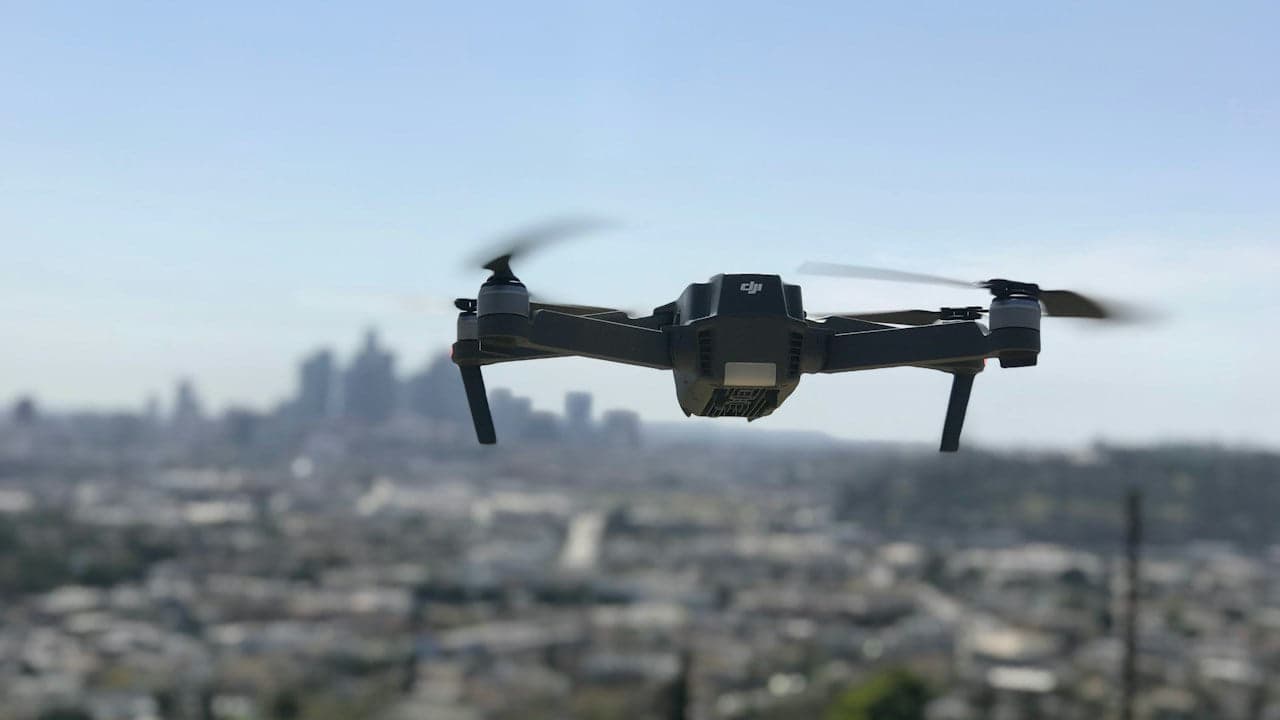
Robotics researchers at ETH Zurich have designed a quadcopter without a rigid central body that absorbs collisions without crashing. Invented by Luca Girardi and Stefano Mintchev, the ring-shaped FlexiQuad drone uses an elastic frame that flexes laterally on impact while retaining the vertical stiffness required for flight. The inventors have filed a patent application for the device, which has also earned a nomination for the university's Spark Award.


Robotics

Humanoid Robot Learns Complex Sequences Without Unified Training Data

Teaching a bipedal machine to walk across a room and manipulate objects usually requires unbroken demonstration sequences that are difficult to record reliably. A research team at Seoul National University has built a vision-language-action architecture called RISE, which connects independently gathered walking and handling data to perform sequential tasks. The system advances practical robotics by cutting the burden of training physical machines.

Robotics

China tests experimental submersible trimaran warship

Naval shipbuilders in China are testing an uncrewed missile vessel at Huludao on the Bohai Sea that conceals its hull beneath the surface before emerging to fire. The experimental trimaran design measures roughly 65 metres in length and reflects a growing convergence of naval engineering and autonomous robotics.

Letizia Giugliano

Robotics

Magnetic Bead Implants Give Robotic Prosthetics Real Time Muscle Tracking

Three human amputees have successfully tested an implantable magnetic tracking system that measures muscle movements in real time. The study from the Massachusetts Institute of Technology, published in the journal Nature Sensors, offers a new physical interface for robotics controllers that guide advanced prosthetic limbs.

Letizia Giugliano

Robotics

Penn Engineers Speed Up Event Camera Vision to 440 Times per Second

Engineers at the University of Pennsylvania have developed an artificial intelligence tool that processes event-camera visual data up to 440 times per second. The software invention, called Fast Feature Field, allows machines to interpret rapid environmental changes between two and five times faster than earlier methods. Reported in the journal Science Robotics, the system helps autonomous drones, wheeled vehicles, and walking robots react quickly in cluttered spaces and low-light conditions.

Letizia Giugliano

Robotics

MIT engineers build a snake-inspired soft robot to explore the small intestine

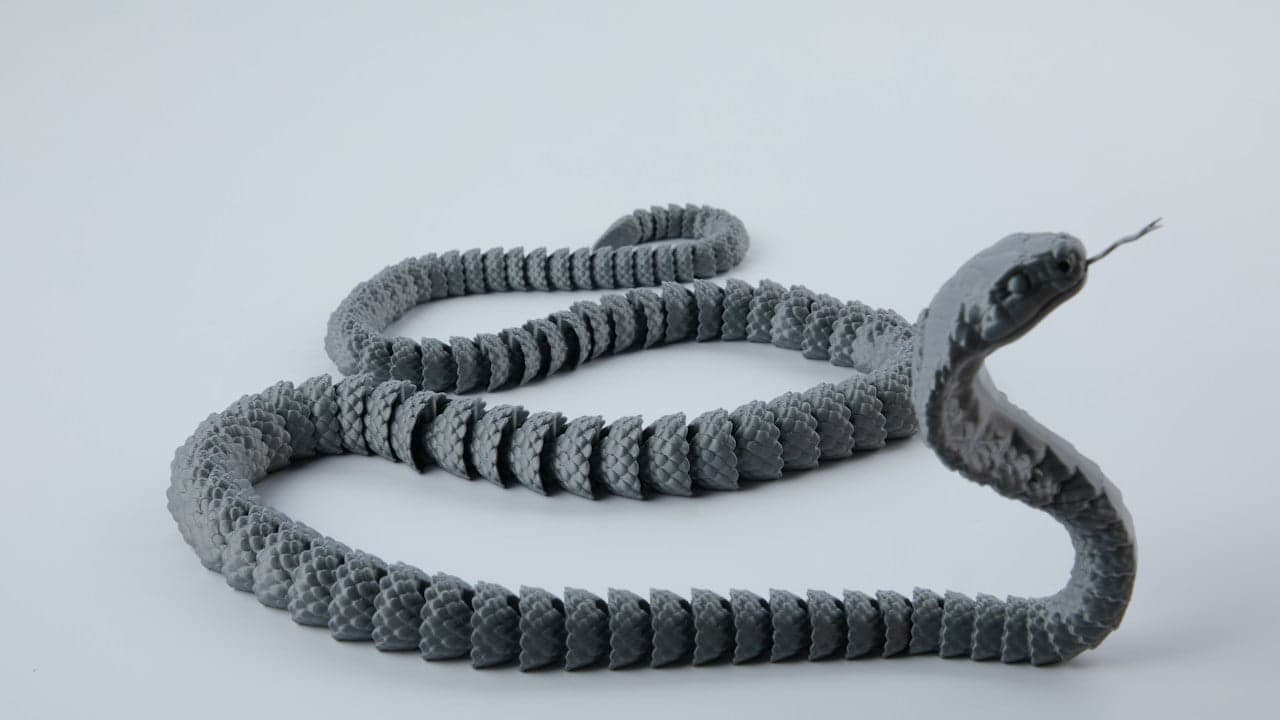
Engineers at the Massachusetts Institute of Technology have built a flexible robotic enteroscope designed to navigate the narrow curves of the human small intestine. The new system combines soft robotics with snake-like locomotion to inspect tissue, apply medication and remove small polyps deep inside the digestive tract.

Giovanni Sapere

Robotics

Bio-Inspired Feather Star Robot Masters 3D Underwater Maneuvers

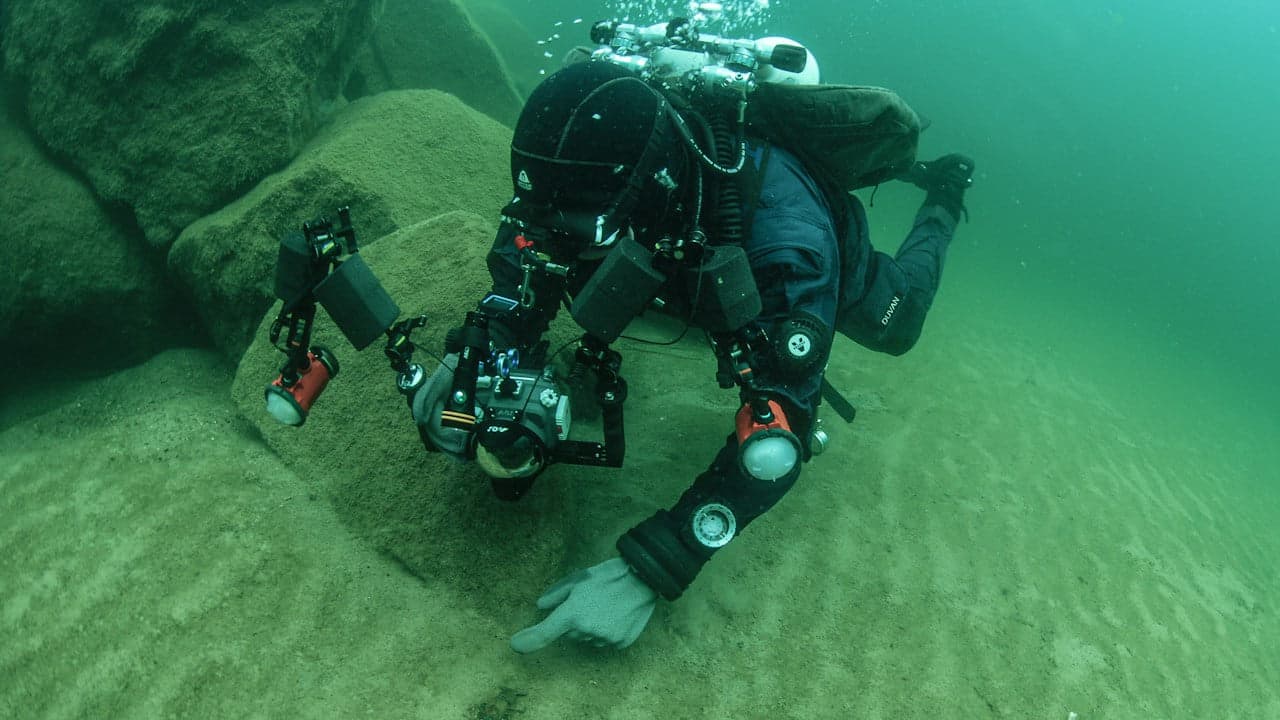
Engineers at North Carolina State University have created an aquatic robot modeled after the marine feather star to navigate underwater environments in three dimensions. The new invention achieves multi-directional swimming and hovering using just two actuators, relying on smart structural design instead of complex electronic control systems.

Letizia Giugliano

Robotics

Dexterity and Motion Control Advance Across Quadrupeds and Humanoid Robots

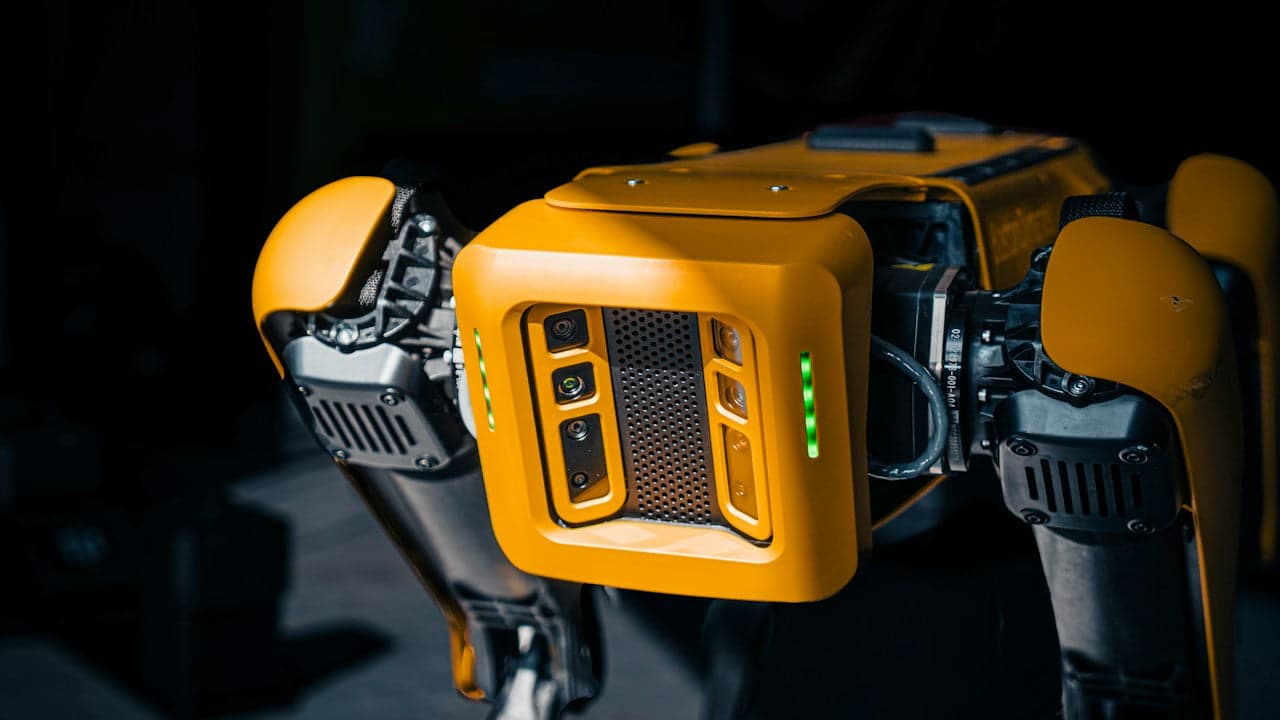
Recent milestones in robotics highlight how machines are mastering delicate manipulation and dynamic mobility without relying on conventional human-like approaches. Engineering reports from October 2026 demonstrate that quadruped platforms, stabilization frameworks, and humanoid systems are rapidly closing the divide between sensory perception and physical action. These developments signal a wider shift toward resilient, high-speed machines designed for complex physical tasks.

Letizia Giugliano

Robotics

Lab-Grown Neurons Decode Braille and Steer Robot Dogs

Recent breakthroughs in biohybrid robotics have demonstrated that cultured human neural tissue can process tactile information and steer physical machines. Researchers from the University of Bristol and Melbourne-based Cortical Labs are pairing biological neurons with silicon electronics to achieve adaptable learning using minimal computational power.

Letizia Giugliano

Robotics

WiBotic Brings Patented Wireless Opportunity Charging to Autonomous Fleets

In expanding industrial automation, keeping mobile machinery powered without operational interruptions remains a critical operational hurdle. In an interview on [The Robot Report Podcast](https://www.therobotreport.com/why-opportunity-charging-is-winning-as-robot-fleets-scale/), WiBotic co-founder and chief executive officer Ben Waters discussed how wireless energy management is transforming commercial robotics. The company's approach enables opportunity charging, allowing autonomous units to top up power during routine task cycles.

Giovanni Sapere

Robotics

Analog Devices Outlines the Shift to Physical AI in Robotics

Deploying machine intelligence outside purely digital environments requires systems that can cope with imperfect sensory inputs and strict timing constraints. According to a report by [The Robot Report](https://www.therobotreport.com/adi-explains-the-race-to-make-ai-physical/), semiconductor manufacturer Analog Devices Inc. has outlined the architectural demands needed to bring physical artificial intelligence into industrial applications and robotics. The transition shifts the focus from generating text or software code to reliably predicting and executing actions in unpredictable operational settings.

Giovanni Sapere

Robotics

Humanoid Robots: The Future is Closer than We Think

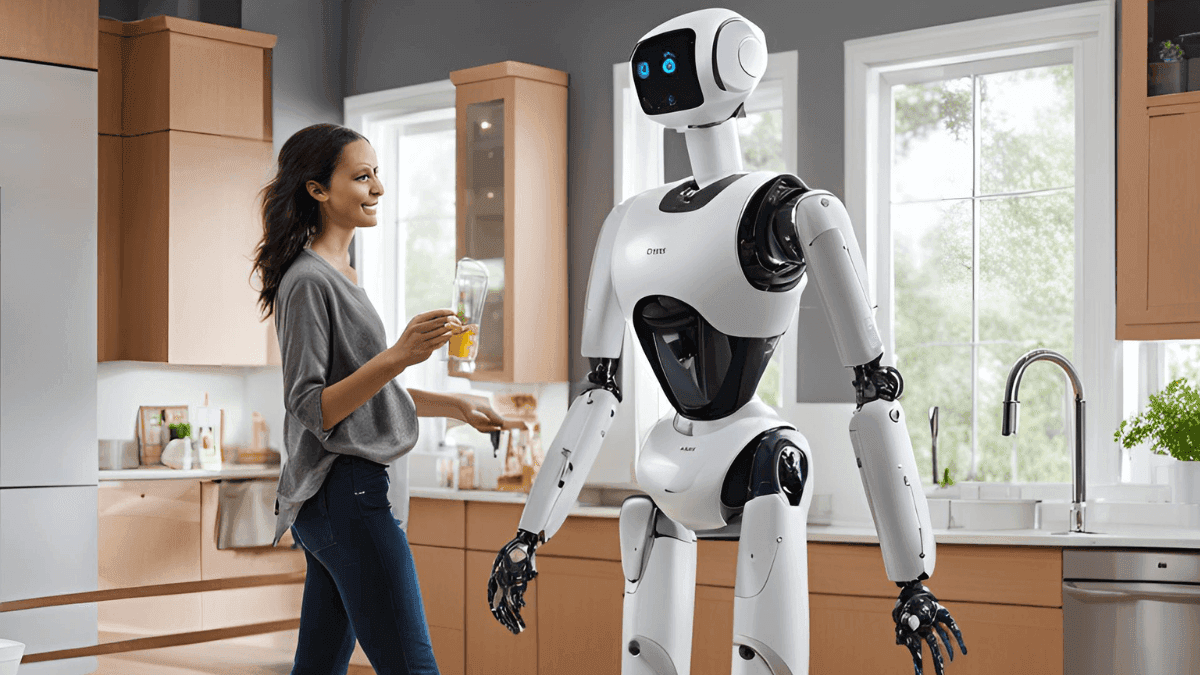
In recent years, progress in the field of humanoid robots has made great strides. If sci-fi-style robots once seemed like a distant dream, today they are an increasingly concrete reality, thanks to the evolution of artificial intelligence, mechatronics and computational capacity. But where are we…

Evgeny Novikov

Robotics

Loona: AI and ChatGPT in one solution

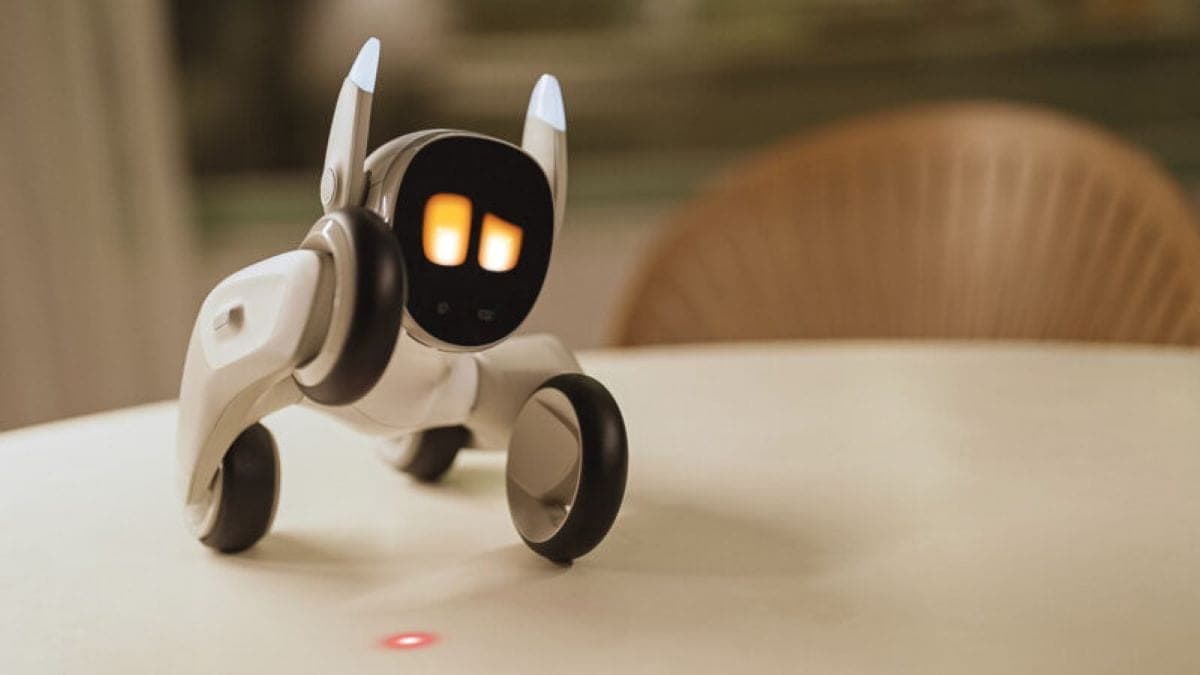
In a previous article dedicated to Ces 2024, we talked about the many innovations in the field of artificial intelligence and robotic design. The presentation of one robot in particular has aroused the curiosity of many, which is because we also want to dwell on it. We are referring to Loona: the…

Sara Votta