IT

IT

Stanford Engineers Transmit Wireless Data Using Ambient Thermal Noise

Researchers at Stanford University have developed a wireless communication method that transmits binary data without actively generating a radio wave. Described in a study published in the Proceedings of the National Academy of Sciences, the innovation manipulates background static to deliver information. The system allows low-power sensors to communicate while consuming up to a thousand times less energy than conventional radio transmitters.

Letizia Giugliano

IT

HP OmniBook Ultra 16 Debuts Nvidia RTX Spark Architecture for Local AI

Workstation computing is shifting back to local hardware as hardware vendors package datacenter-level memory capacities into portable systems. HP has released its OmniBook Ultra 16, serving as the launch vehicle for Nvidia's new RTX Spark platform tailored for local artificial intelligence workloads. Tested by benchmarkers in October 2026, the device pairs custom multi-chiplet silicon with massive unified memory for demanding research and builder tasks.

Letizia Giugliano

IT

Hurricane Helene: SpaceX restores connectivity to hard-hit areas and saves lives

Starlink was given an emergency special temporary authority by the FCC. The Federal Communications Commission (FCC), the federal agency that regulates interstate and international communications, has granted temporary approval to Starlink‘s Direct to Cell service to help victims of Hurricane…

Evgeny Novikov

IT

New step toward quantum brain

Scientists at Radboud University have built an atomic structure that changes the links between atoms just as the brain changes the synapses between neurons

Mario Vincenzo La Rocca

IT

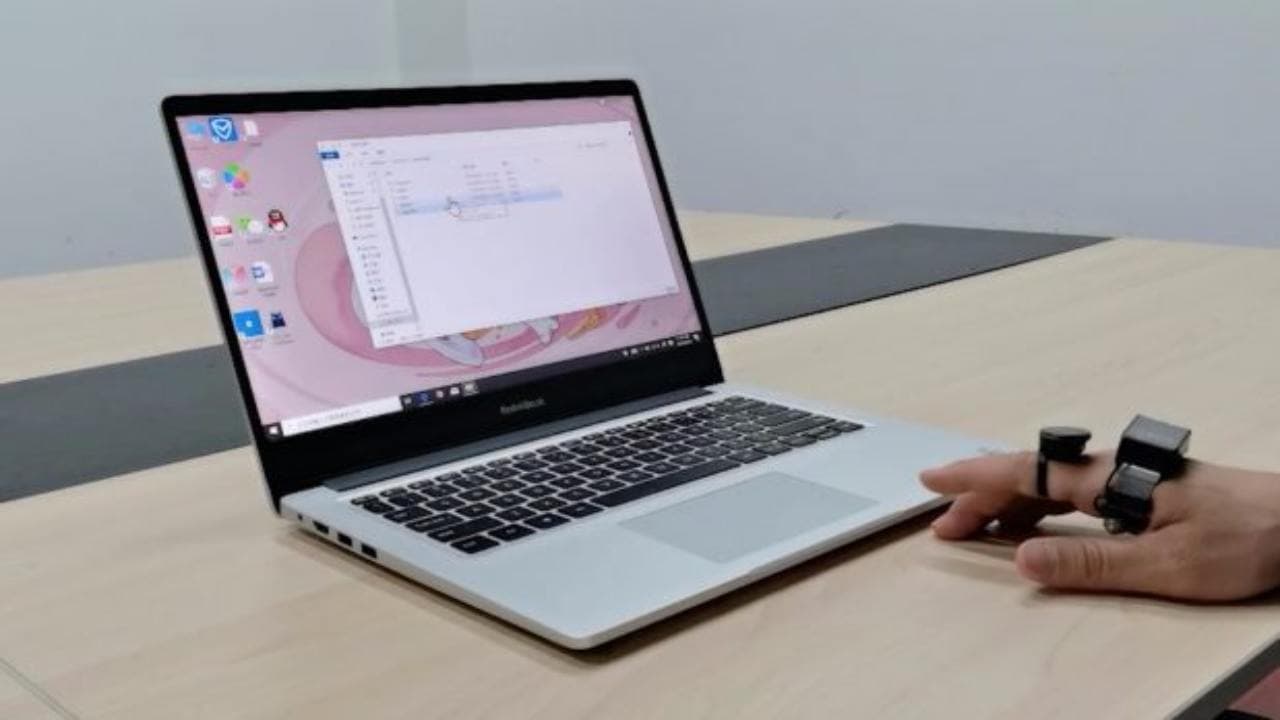
Turn your finger into a mouse with Wepoint

Wepoint is an innovative wearable mouse that allows you to control computers and tablets by moving a single finger: the crowdfunding campaign has already raised more than 4000 dollars.

Giovanni Sapere