الكيمياء وعلم المعادن

الكيمياء وعلم المعادن

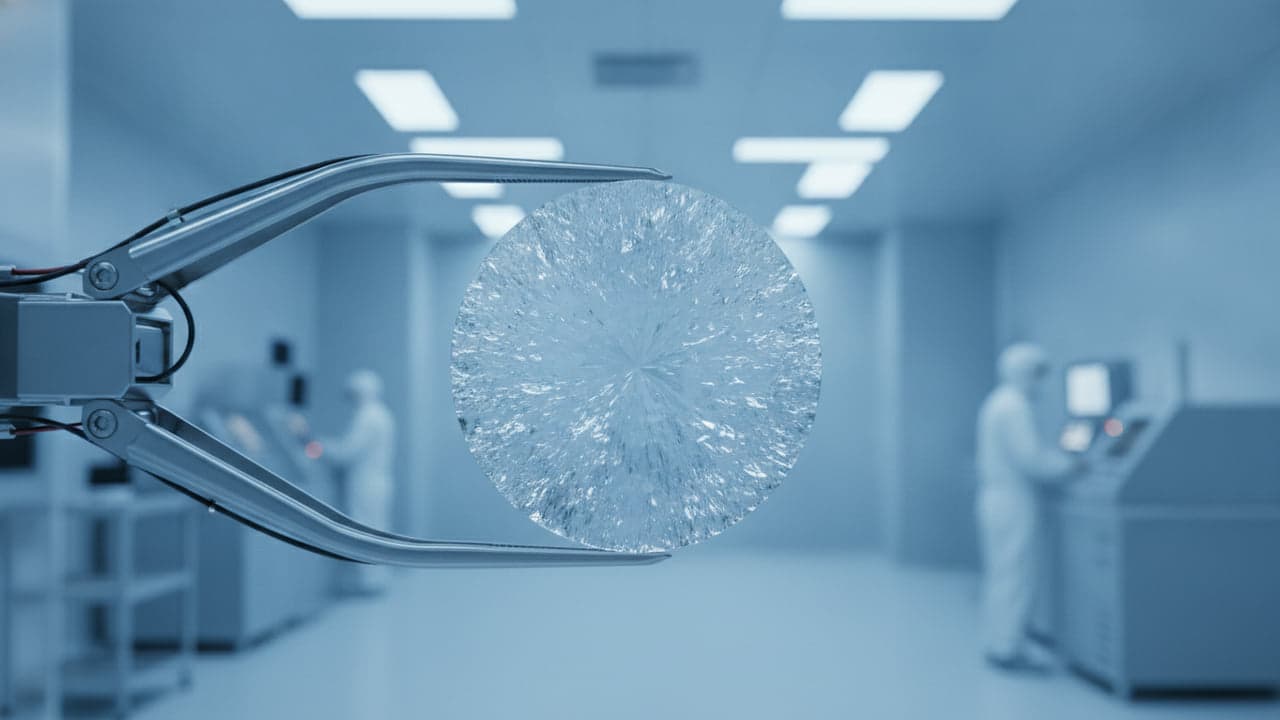
Diamond Foundry Grows World's First 200 mm Single-Crystal Diamond Disk

Diamond Foundry produced a 200-millimeter single-crystal diamond disk in an unpolished state, presenting the material on November 6 as the result of a 25-year research effort. The San Francisco company developed the continuous crystal to help pull heat away from high-performance microchips, particularly processors handling intensive artificial intelligence computations. Measuring 7.9 inches across, the monolithic sample represents a major technical invention in synthetic diamond synthesis.

Giovanni Sapereبدعم من الذكاء الاصطناعي · راجعه Giovanni Sapere
الكيمياء

Experimental Alloys Resist Fracturing at -253 Degrees Celsius

Two experimental niobium-titanium alloys stay flexible and resist cracking at -253°C, according to research published on October 14 in Nature. An international research team led by the University of California, Berkeley, Lawrence Berkeley National Laboratory, and the University of Oxford discovered that the metals reorganise internally under mechanical stress. This metallurgical innovation alters how materials might be designed for extreme cold in energy systems and space exploration.

Letizia Giuglianoبدعم من الذكاء الاصطناعي · راجعه Letizia Giugliano

الكيمياء وعلم المعادن

Pulsed 3D Printing Produces Meter-Long Single Crystals for Extreme Heat

Materials researchers in China have invented a pulsed additive manufacturing process capable of growing titanium-alloy rods more than a meter tall out of a single continuous crystal. Reported in Nature, the technique eliminates microscopic grain boundaries that typically weaken metallic parts subjected to severe mechanical stress and elevated temperatures. The metallurgical invention offers an alternative route to producing components for reactors, aerospace structures, and optical systems without conventional mold-based limitations.

Giovanni Sapereبدعم من الذكاء الاصطناعي · راجعه Giovanni Sapere
الهندسة الميكانيكية

عيوب بلورية مهندسة تقوّي السبائك المعدنية دون تعديلات كيميائية

طور علماء المواد طريقة من خطوتين تحول العيوب البلورية الداخلية إلى شبكات تقوية عبر السبائك المعدنية. ويعزز هذا الابتكار، الذي وثقه باحثون في جامعة ولاية أوهايو، القوة الميكانيكية ومقاومة الزحف الحراري دون تغيير التركيب الكيميائي. وتوفر هذه التقنية، المنشورة في 15 أكتوبر 2026، مبادئ بنيوية جديدة لآلات البيئات القصوى.

Letizia Giuglianoبدعم من الذكاء الاصطناعي · راجعه Letizia Giugliano

الكيمياء وعلم المعادن

نقطة التحول في «الفولاذ الفائق»: سبيكة أقوى وأكثر مقاومة

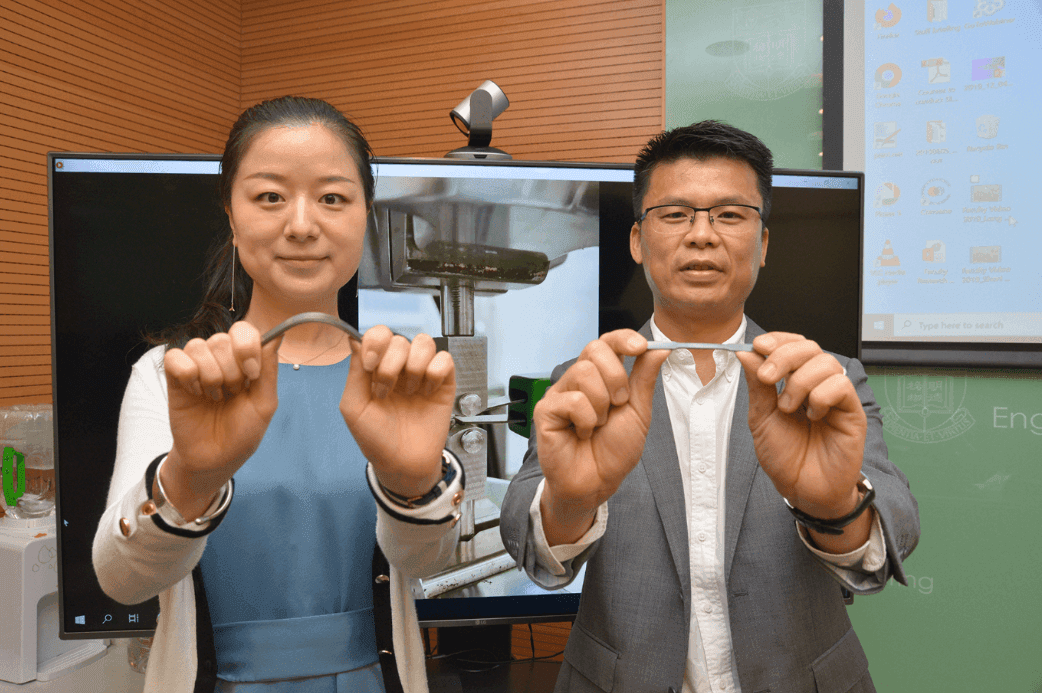
تتجاوز المادة حدود السبائك الحالية وهي أقوى مع مقاومة غير مسبوقة للكسر. إن تحسين مادة واسعة الاستخدام ذات خصائص ممتازة أمر صعب دائماً. ومن هذه المواد الفولاذ، وهو سبيكة خفيفة وقوية جداً. فريق بحثي بقيادة أ.د. Huang Mingxin من…

Mario Vincenzo La Rocca

الكيمياء وعلم المعادن

DASS تحصل على براءة لطريقة لاستغلال موارد المريخ

يتيح المشروع الذي سجلته Aerospace District of Sardinia استخدام المكونات الموجودة في تربة المريخ وهوائه لبناء كتلة حيوية صالحة للأكل وتوليدها. وبعد الصين وأوروبا واليابان وروسيا والولايات المتحدة، وافقت الهند أيضاً على منح البراءة الخاصة بعملية لضمان بقاء…

Mario Vincenzo La Rocca