الكيمياء

الكيمياء

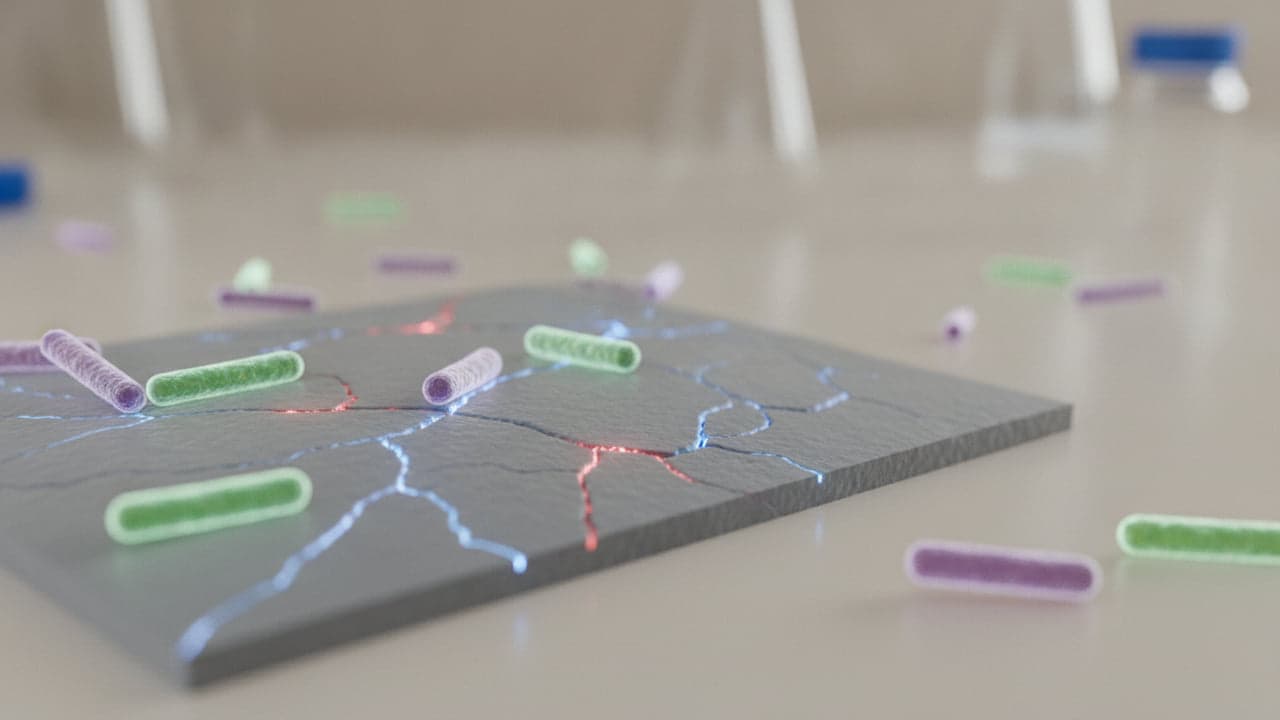
Gallium and Nanotube Coating Uses Microcracks to Kill Bacteria

Scientists at Flinders University have created an electrically activated antibacterial coating that uses deliberate microscopic cracks to destroy pathogens. The flexible surface pairs liquid gallium with carbon nanotubes, allowing a brief 9-volt electrical pulse to eliminate drug-resistant bacteria in laboratory tests while sparing human skin cells.

Letizia Giuglianoبدعم من الذكاء الاصطناعي · راجعه Giovanni Sapere
الكيمياء

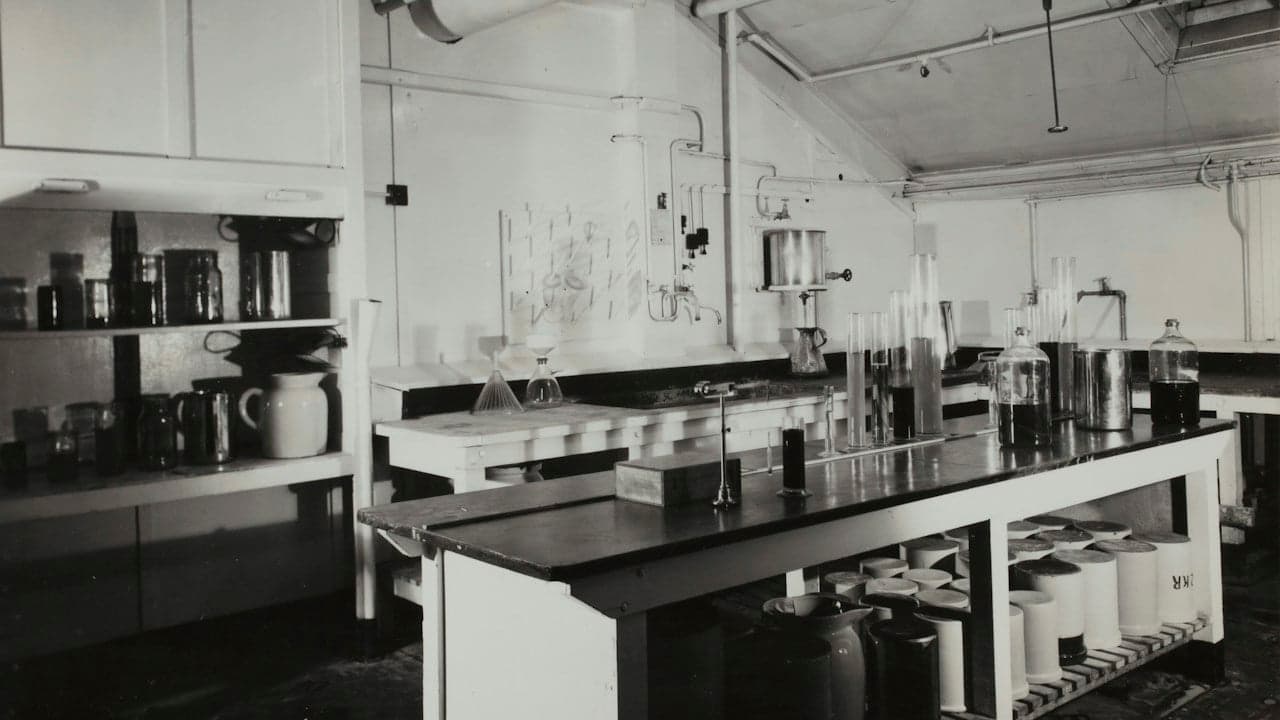
ETH Zurich Chemists Turn Waste Polyolefins into Industrial Adhesives

Chemists at ETH Zurich have engineered a single-step photochemical process that converts discarded plastic bags and bottles into high-strength adhesives. The method tackles polyolefins, which represent about half of the 450 million metric tons of plastic produced each year, bypassing the degraded material quality typical of standard mechanical recycling.

Giovanni Sapereبدعم من الذكاء الاصطناعي · راجعه Giovanni Sapere
الكيمياء

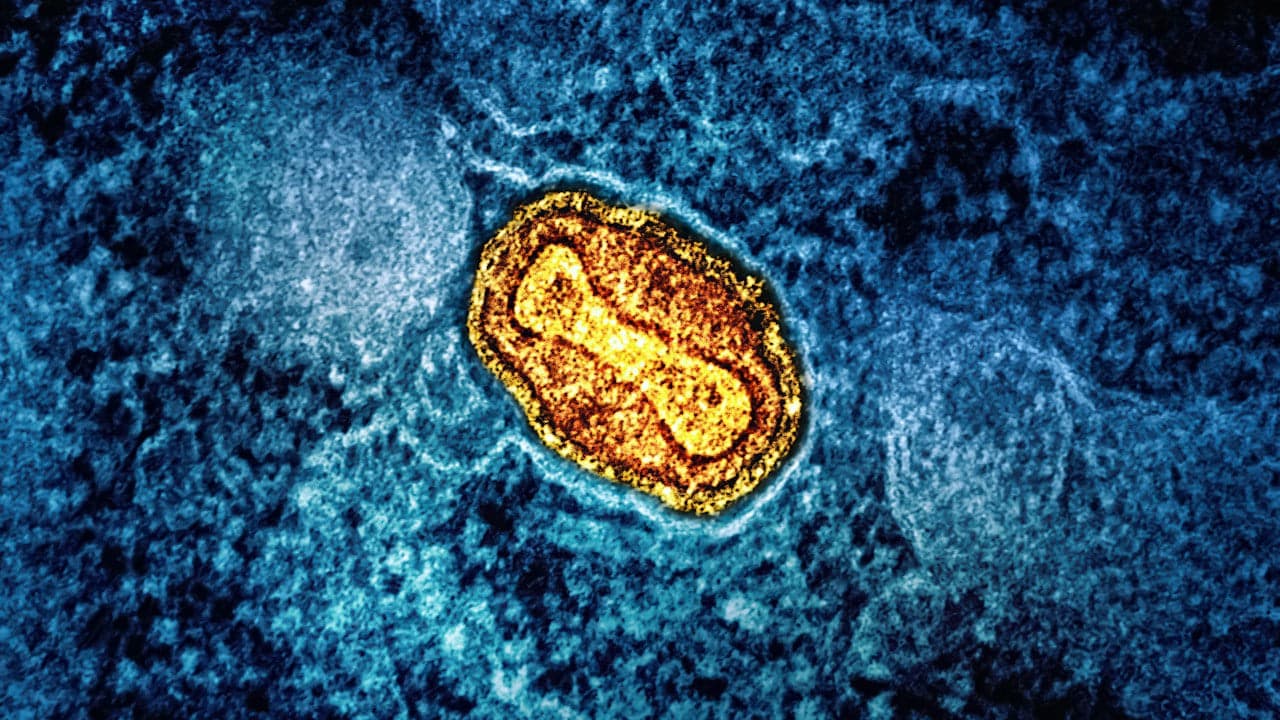
Activating Enzymes Switches on Cellular Protein Degradation Machinery

A research team has devised a method to activate protein degradation machinery inside living cells, according to reporting published by [C&EN – Chemical & Engineering News](https://cen.acs.org/biological-chemistry/biochemistry/new-approach-switches-protein-degradation/104/web/2026/11?sc=230901_cenrssfeed_eng_latestnewsrss_cen). The biochemical innovation works by stimulating a specific enzyme to trigger the clearance of target proteins.

Giovanni Sapereبدعم من الذكاء الاصطناعي · راجعه Giovanni Sapere
الكيمياء

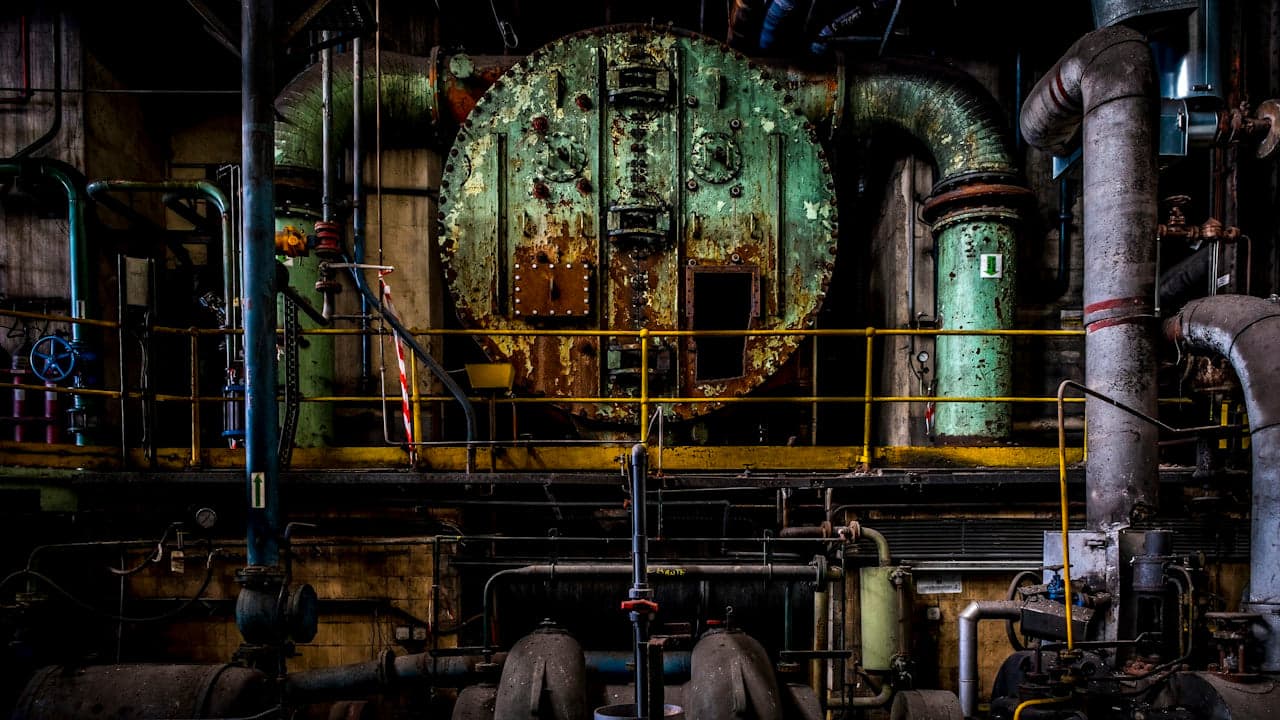
Recycling Neodymium Magnets from Computer Drives with Ammonium Chloride

German researchers are developing two chemical processes to extract neodymium, iron and boron from scrap computer hard drives. The work, carried out under the European Union NEO-CYCLE project, aims to recover rare earth elements locally to supply motors for each new electric vehicle and wind turbine without relying on overseas refining.

Letizia Giuglianoبدعم من الذكاء الاصطناعي · راجعه Giovanni Sapere
الكيمياء

Soil Bacterium from Iran Yields Two New Chemical Compounds

Biochemists in Germany have isolated two previously unknown natural molecules, lavasamycin A and B, from a bacterial strain collected in Iran. The study shows that lavasamycin A stops the growth of Bacillus subtilis, pointing to chemical structures that could aid the invention of new antimicrobial agents.

Giovanni Sapereبدعم من الذكاء الاصطناعي · راجعه Letizia Giugliano

الكيمياء

Salt Additives Solve Perovskite Crystal Defects in Solar Cells

A chemical method using salt additives resolves atomic structural flaws in perovskite crystals, offering a practical path forward for renewable energy devices. Researchers at the U.S. Department of Energy's Argonne National Laboratory demonstrated that temporary liquefaction prevents electric charges from becoming trapped in crystal boundaries. This innovation enables solar cells to retain 85.8 percent of their efficiency after 1,400 hours of continuous operation at 85 degrees Celsius.

Giovanni Sapereبدعم من الذكاء الاصطناعي · راجعه Letizia Giugliano

الكيمياء

Experimental Alloys Resist Fracturing at -253 Degrees Celsius

Two experimental niobium-titanium alloys stay flexible and resist cracking at -253°C, according to research published on October 14 in Nature. An international research team led by the University of California, Berkeley, Lawrence Berkeley National Laboratory, and the University of Oxford discovered that the metals reorganise internally under mechanical stress. This metallurgical innovation alters how materials might be designed for extreme cold in energy systems and space exploration.

Letizia Giuglianoبدعم من الذكاء الاصطناعي · راجعه Letizia Giugliano

الكيمياء

Perovskite Solar Cells Endure 1,000 Hours of Extreme Heat and Moisture

Researchers in South Korea have developed a chemical catalytic process that allows perovskite solar cells to maintain 95 percent of their initial power conversion efficiency after 1,000 hours under harsh environmental conditions. The chemical invention resolves a long-standing durability barrier, offering a viable path for perovskite materials to support industrial renewable energy generation.

Giovanni Sapereبدعم من الذكاء الاصطناعي · راجعه Giovanni Sapere
الكيمياء

UT Austin Develops Bio-Inspired Channels to Filter Lithium

Chemical engineers at the University of Texas at Austin have engineered nanoscale artificial pores that mimic biological cell membranes to filter lithium ions. The chemical innovation allows lithium to pass through while blocking competing metals such as sodium and magnesium. Published in the Journal of the American Chemical Society, the method offers a cleaner path to extract critical raw materials for energy storage.

Giovanni Sapereبدعم من الذكاء الاصطناعي · راجعه Giovanni Sapere
الكيمياء

خلية خزفية تضاعف إنتاج الهيدروجين النظيف من البخار الصناعي

طور مهندسو كيمياء في جامعة خرونينغن اختراعاً يضاعف إنتاج الهيدروجين النظيف من البخار دون الحاجة إلى طاقة كهربائية إضافية. ويعمل النظام، الذي ورد وصفه في مجلة Energy and Environmental Science، عند درجات حرارة مرتفعة لفصل بخار الماء مباشرة إلى غاز هيدروجين نقي، ما يمنح الصناعات الثقيلة بديلاً فعالاً للهيدروجين المستخرج من الوقود الأحفوري.

Letizia Giuglianoبدعم من الذكاء الاصطناعي · راجعه Letizia Giugliano

الكيمياء

محفز الروثينيوم الكيرالي يفصل الجزيئات المتماثلة مرآتياً

كشف كيميائيون في أكتوبر 2026 عن طريقة لفصل جزيئات متماثلة مرآتياً لا تختلف إلا في الترتيب الفراغي لنظيري الهيدروجين والديوتيريوم. ويوفر هذا الابتكار العلمي مساراً كيميائياً موجّهاً لفصل الإنانتيومرات النظائرية من خليط راسيمي. وبحسب ما نقله موقع [C&EN – Chemical & Engineering News](https://cen.acs.org/analytical-chemistry/separations/isotope-chirality-hydrogen-deuterium-catalyst/104/web/2026/10?sc=230901_cenrssfeed_eng_latestnewsrss_cen)، تتغلب العملية على عائق فصل كلاسيكي تكون فيه الجزيئات المستهدفة متطابقة تقريباً في خصائصها الفيزيائية.

Giovanni Sapereبدعم من الذكاء الاصطناعي · راجعه Letizia Giugliano

الكيمياء

Mary Jo Ondrechen تنال جائزة Ely S. Parker لعام 2026

منحت جمعية American Indian Science and Engineering Society (AISES) جائزة Ely S. Parker لعام 2026 إلى أستاذة الكيمياء البارزة Mary Jo Ondrechen. ويسلط التكريم الضوء على قيادة متميزة وابتكار علمي في البحث الأكاديمي.

Letizia Giuglianoبدعم من الذكاء الاصطناعي · راجعه Letizia Giugliano

الكيمياء

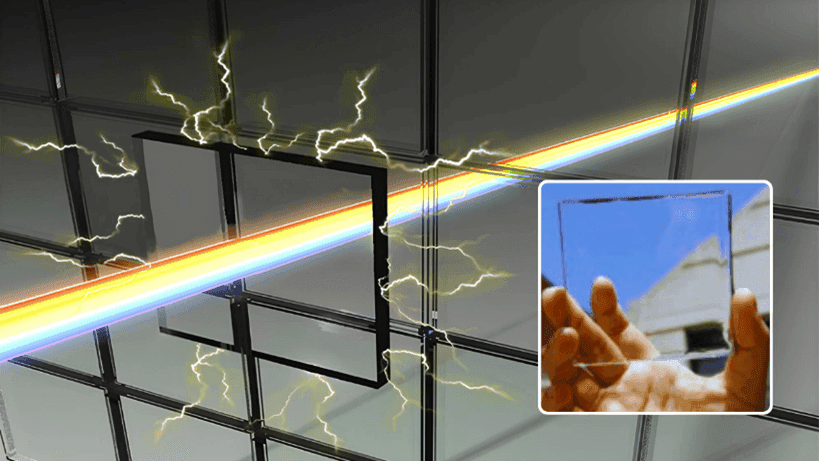
الخلايا الكهروضوئية الشفافة والمكثفات الفائقة الشمسية: الابتكار الكوري الذي يحدث ثورة في تخزين الطاقة

طور فريق بحثي في جامعة Kyungpook الوطنية جهازاً لتخزين الطاقة يعيد شحن نفسه ذاتياً، بالجمع بين مكثفات فائقة متقدمة وخلايا شمسية. خطوة إلى الأمام نحو الطاقة المستدامة واستقلال الطاقة. الطاقة الشمسية تلتقي بالمكثفات الفائقة والخلايا الكهروضوئية الشفافة. الطاقة الشمسية…

Evgeny Novikov

الكيمياء

من سويسرا تأتي بطارية ورقية تعمل بالماء

الجهاز، الذي صممه باحثو EMPA وصنعوه، قد يغذي الأجهزة الإلكترونية منخفضة الطاقة، ليكون بديلاً عن البطاريات التقليدية. لا يمكن الاستغناء عن البطارية ذات الاستخدام الواحد، على الأقل في الوقت الحالي. في مجال الإلكترونيات منخفضة الطاقة، وخصوصاً ما يُرمى منها بعد الاستخدام، تقدم هذه البطاريات في الواقع…

Contributor

الكيمياء

Light Fusion، بداية أول محطة

Light Fusion، المشروع الذي يهدف إلى إحداث ثورة في طريقة إنتاج الطاقة النووية، قد يشهد أول محطة تجريبية له في عام 2024

Contributor

الكيمياء

الغراء الجديد يتصلب بالمجال المغناطيسي

ابتكر باحثون في جامعة نانيانغ التكنولوجية (Nanyang Technological University) غراء إيبوكسي ينشطه مغناطيس دون حاجة إلى الحرارة أو الضوء أو الرطوبة المواد اللاصقة والغراء الفائق مواد مستخدمة على نطاق واسع في كل المجالات الصناعية. وتجميع المنتجات النهائية في خطوط التجميع أو صنع…

Mario Vincenzo La Rocca