علم الآثار

علم الآثار

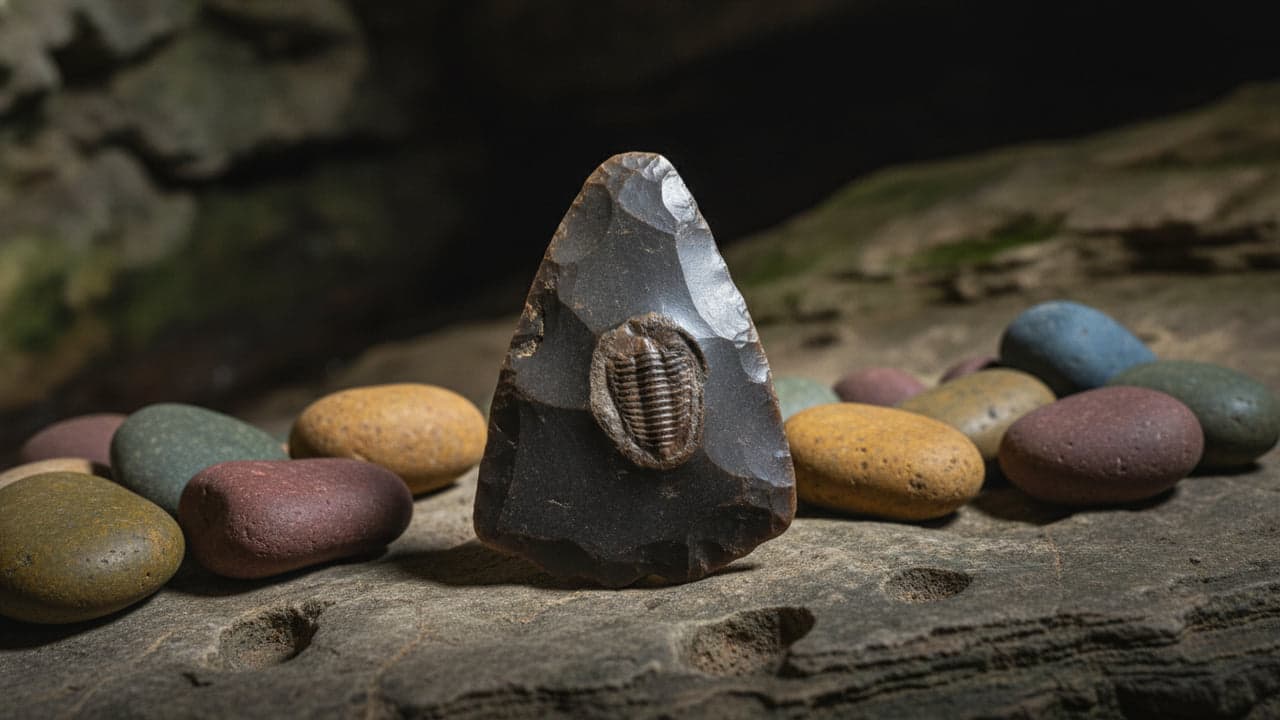
Early Humans Collected Keepsakes 500,000 Years Ago

Early humans began collecting objects with no practical function roughly 500,000 years ago, turning them into personal souvenirs. Researchers at Tel Aviv University argue that these ancient keepsakes acted as external memory aids, driving the biological development of human autobiographical memory.

Giovanni Sapereبدعم من الذكاء الاصطناعي · راجعه Giovanni Sapere
علم الآثار

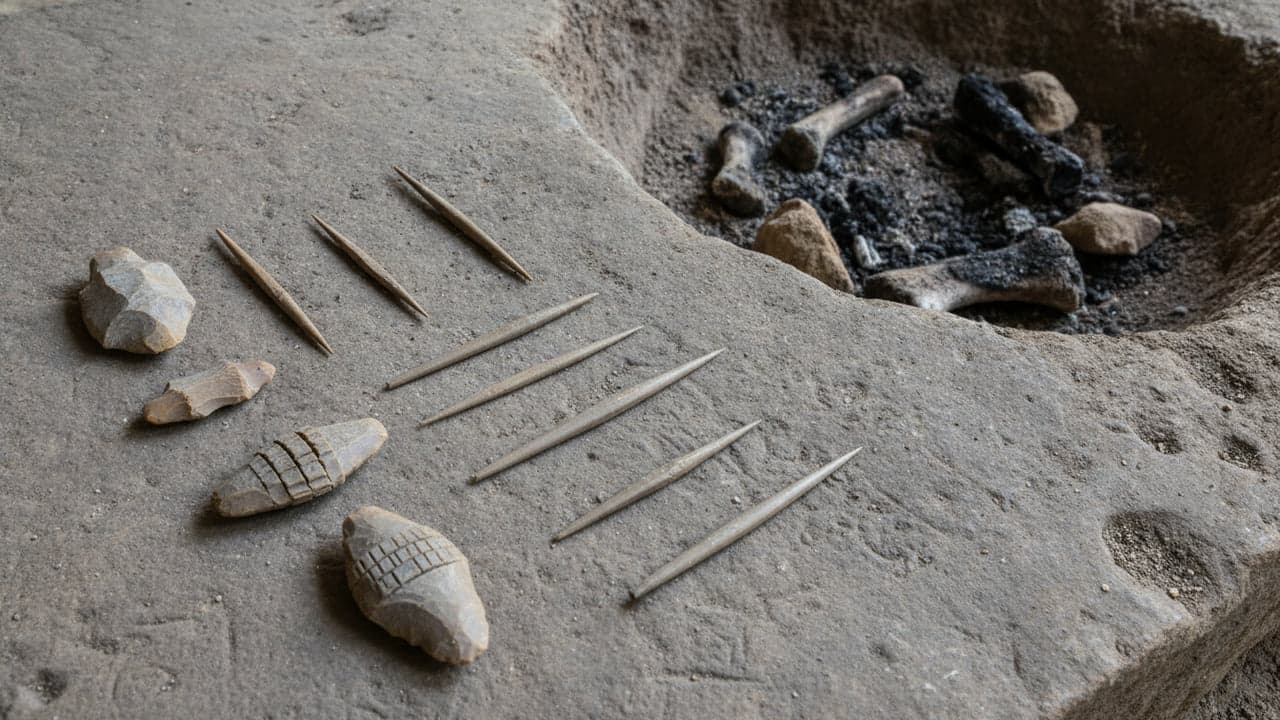
Stone tools at Riparo Mochi push back Ice Age migration into Italy

A prehistoric hearth at the Riparo Mochi rock shelter on the Franco-Italian border reveals that Upper Paleolithic hunter-gatherers entered Italy roughly 2,000 years earlier than previously recorded. Radiocarbon testing of an embedded marine shell places the occupation between 30,000 and 30,800 years ago. The discovery, detailed by [Phys.org](https://phys.org/news/2026-11-ice-age-reveals-hunter-italy.html), shows how an advanced lithic invention reshaped early European movements during a sudden climate freeze.

Giovanni Sapereبدعم من الذكاء الاصطناعي · راجعه Giovanni Sapere
علم الآثار

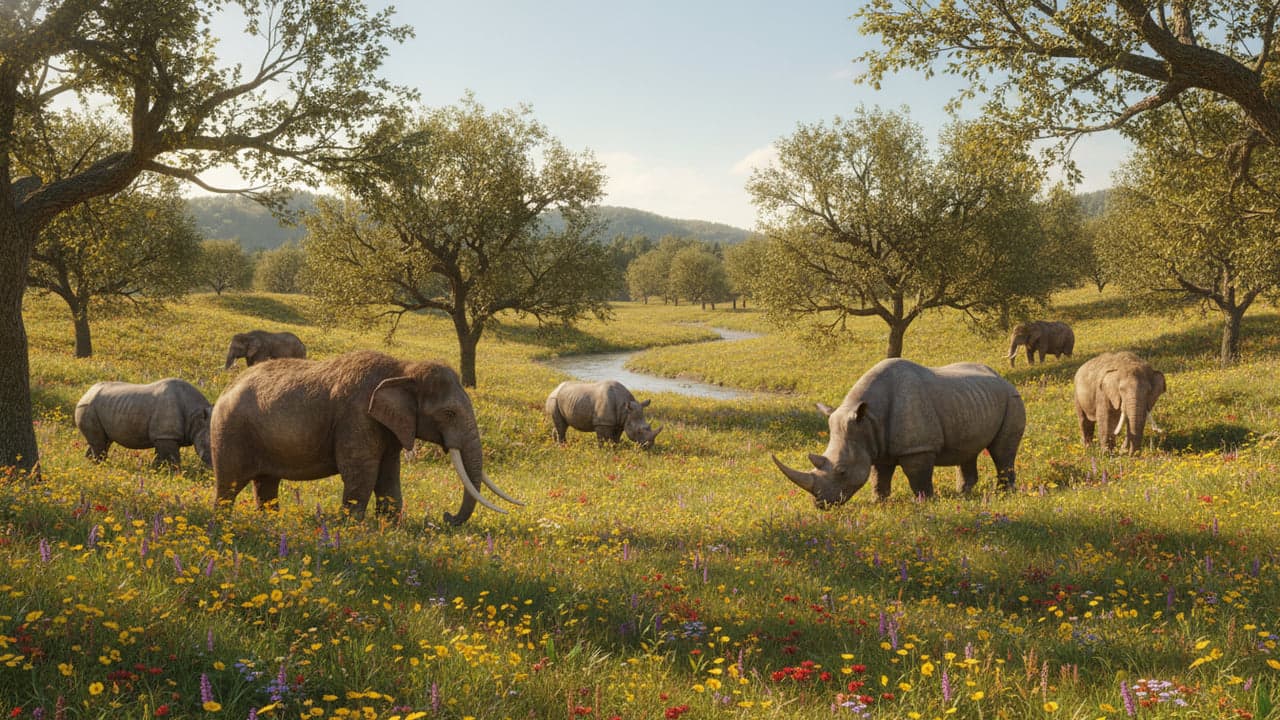
Europe's Ancient Forests Were Open Woodlands, 23-Million-Year Study Finds

Researchers at Aarhus University have established that Europe was dominated by open woodlands and meadows for more than 20 million years. The research innovation, published in the journal Biological Conservation, disputes the assumption that unbroken canopy forests represent the continent's baseline wilderness.

Letizia Giuglianoبدعم من الذكاء الاصطناعي · راجعه Giovanni Sapere
علم الآثار

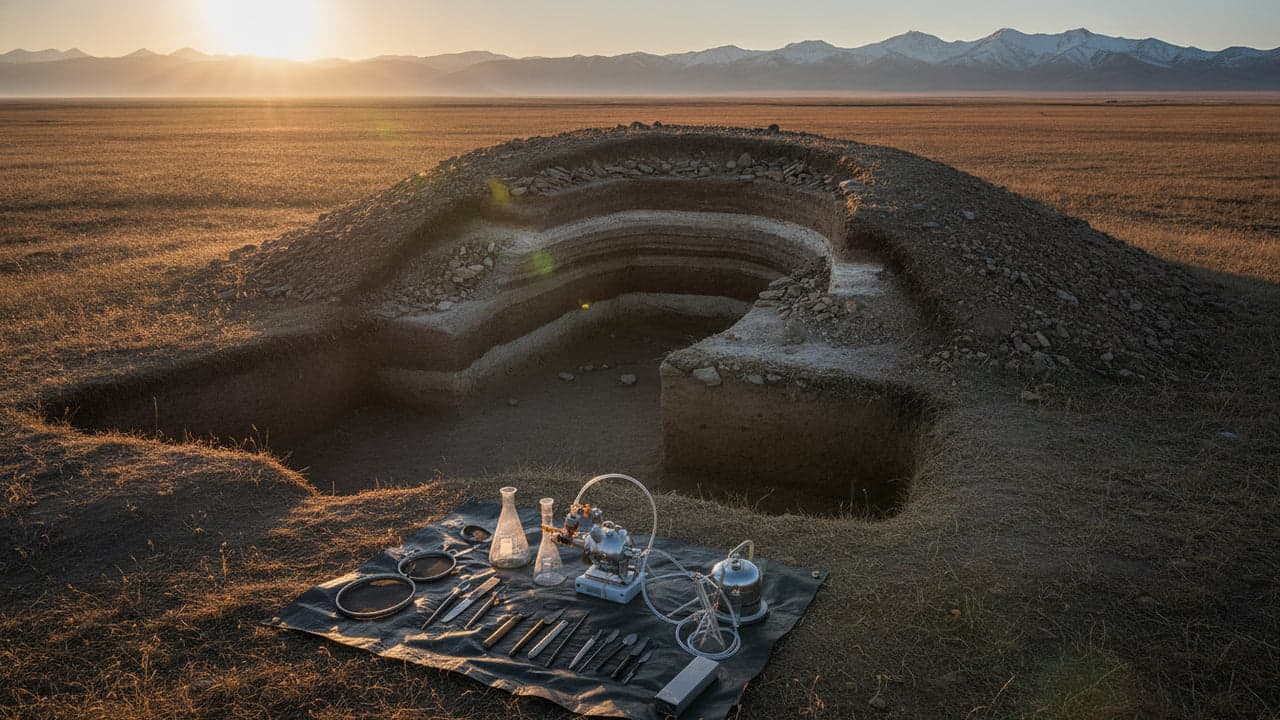
Ancient Siberian Tomb Reveals 2,800-Year-Old Evidence of Psychoactive Cannabis Use

Archaeologists working in southern Siberia have identified the oldest directly dated physical evidence of psychoactive cannabis consumption, dating to the early eighth century B.C. The discovery, stemming from analytical innovation applied to preserved organic materials, connects nearly 1,000 seeds with chemical traces found directly in human hair from a royal burial mound.

Giovanni Sapereبدعم من الذكاء الاصطناعي · راجعه Giovanni Sapere
علم الآثار

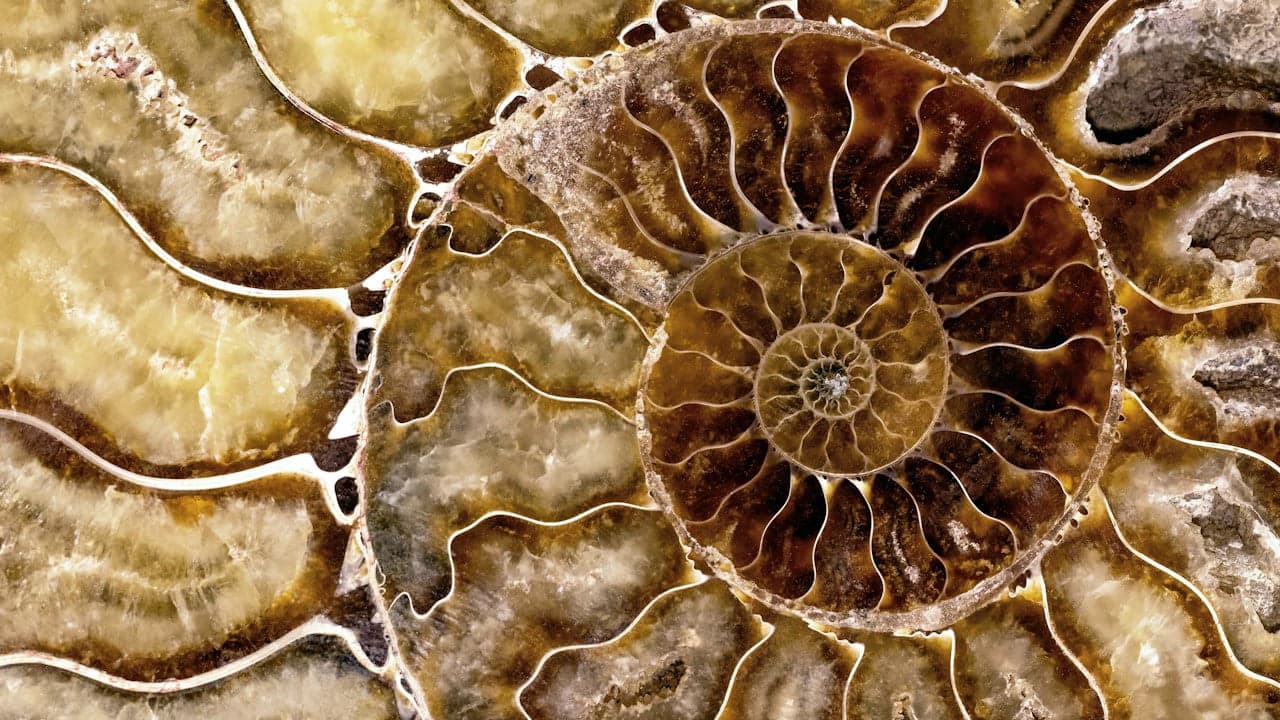
Dinosaur Blood Molecules Identified in 115-Million-Year-Old Fossil

Geochemists at Curtin University have detected chemically confirmed traces of blood inside the 115-million-year-old limb bones of a theropod dinosaur found in northeastern Brazil. Published in the Proceedings of the National Academy of Sciences, the research confirms the survival of hemoglobin-derived heme molecules and collagen amino acids sealed within fossilized vascular canals. The finding provides direct chemical evidence that delicate biological structures can withstand tens of millions of years under specific geological conditions.

Letizia Giuglianoبدعم من الذكاء الاصطناعي · راجعه Giovanni Sapere
علم الآثار

3D Scans of Neanderthal Heels Reveal Flat Feet Built for Heavy Loads

Seven fossilized Neanderthal heels scanned in three dimensions showed that the ancient hominids had flat feet adapted to balance heavy loads across rough terrain. A team led by the University of Bologna compared the specimens against 64 Homo sapiens skeletons, publishing the discovery in the Journal of Human Evolution on November 4, 2026. The morphological contrast reveals how daily activity and footwear reshape the human skeleton over generations.

Letizia Giuglianoبدعم من الذكاء الاصطناعي · راجعه Giovanni Sapere
علم الآثار

DNA in Fifth-Century German Boat Burial Uncovers Ancient Mediterranean Leprosy

Molecular analysis of a fifth-century boat grave at Fallward in northern Germany has uncovered a rare bacterial strain carrying ancient Mediterranean leprosy. Researchers at [Kiel University](https://phys.org/news/2026-11-boat-burial-reveals-leprosy-strain.html) and regional heritage institutes extracted DNA from frozen skeletal remains, tracking both the pathogen and the traveler back toward southeastern Europe. The work sheds light on population mobility and microbial spread during the violent migrations of Late Antiquity.

Letizia Giuglianoبدعم من الذكاء الاصطناعي · راجعه Giovanni Sapere

علم الآثار

Spear Wound in Shanidar Cave Points to Oldest Wooden Weapon Attack

A 75,000-year-old Neanderthal skeleton discovered in Iraqi Kurdistan carries what may be the oldest fossil evidence of fatal violence inflicted by a wooden spear. Excavated beneath almost eight metres of rock and sediment, the left shoulder blade of the individual known as Shanidar A preserves a clean circular puncture directed through the chest. The finding, reported in Scientific Reports, suggests that early hominins used pointed wooden projectiles not only for hunting large game but also in deadly interpersonal conflict.

Giovanni Sapereبدعم من الذكاء الاصطناعي · راجعه Letizia Giugliano

علم الآثار

Egyptian Ape Fossil Shifts the Geographic Roots of Modern Primate Evolution

Researchers from Egypt and the United States have identified a new species of ancient ape from lower jaw fossils recovered at Wadi Moghra in northern Egypt. The specimens, dated to between 17 and 18 million years ago, represent the first definitive fossil ape discovered in North Africa. Published on March 26, 2026, in Science, the discovery indicates that the ancestors of modern apes and humans may have emerged along North Africa and the Middle East instead of East Africa.

Giovanni Sapereبدعم من الذكاء الاصطناعي · راجعه Letizia Giugliano

علم الآثار

UV Scans Reveal Calcite Varnish Protecting Chauvet Cave Art

A custom optical innovation tested inside Chauvet Cave in southeastern France has identified the natural mineral shield preserving some of humanity's oldest surviving artworks. Chemist Philippe Walter and a research team mapped thin layers of calcite that coated charcoal drawings after Paleolithic artists worked on the limestone walls about 37,000 years ago.

Letizia Giuglianoبدعم من الذكاء الاصطناعي · راجعه Letizia Giugliano

علم الآثار

Jurassic Bird Fossil in China Reveals Earliest Evidence of Flight Loss

A 150-million-year-old fossil uncovered in southeastern China represents the earliest known instance of a bird lineage losing the ability to fly. Researchers from the Chinese Academy of Sciences and the Fujian Institute of Geological Sciences identified the crow-sized species, Yuezhuornis yangyuanensis, in the Late Jurassic Zhenghe Fauna. The discovery reveals an unexpected evolutionary innovation, showing that early avians adapted to terrestrial ecological niches rather than progressing solely toward powered flight.

Giovanni Sapereبدعم من الذكاء الاصطناعي · راجعه Letizia Giugliano

علم الآثار

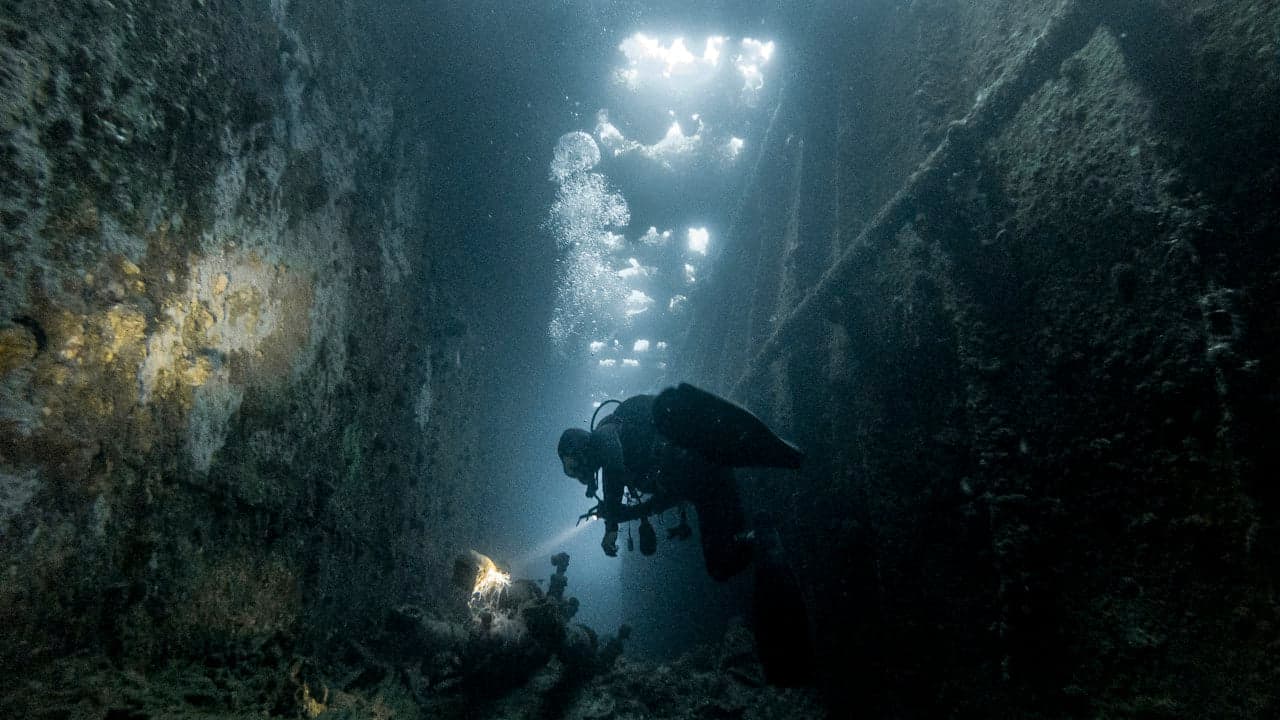
أقدم حطام سفينة في العالم قبالة السواحل التركية يعود إلى 2700 قبل الميلاد

حدد علماء آثار يعملون قبالة السواحل الجنوبية لتركيا ما يعتقدون أنه أقدم حطام سفينة معروف في العالم، ويعود تاريخه إلى الفترة بين 2700 و2400 قبل الميلاد. ويحتفظ الموقع المغمور، الذي اكتُشف قرب كيكوفا، بحمولة من الخزف القديم تكشف عن مسارات تجارة بحرية مبكرة كانت تعمل خلال العصر البرونزي المبكر.

Giovanni Sapereبدعم من الذكاء الاصطناعي · راجعه Letizia Giugliano

علم الآثار

دراسة ترصد الفجوة العمرية في آراء الأمريكيين الأفارقة بشأن رعاية كبار السن

قيّمت دراسة بقيادة جامعة رود آيلاند المواقف بين الأجيال تجاه رعاية كبار السن لدى الأمريكيين الأفارقة، وأبرزت فروقاً واضحة بين الفئات العمرية. ويقيّم البحث المنشور في مجلة Sociological Focus ما إذا كان ينبغي لأفراد الأسرة أو الأنظمة الحكومية أو النماذج المشتركة تولي رعاية كبار السن. وتوفر النتائج رؤية ديموغرافية تساعد في صياغة استراتيجيات الصحة العامة وأطر دعم الرعاية.

Giovanni Sapereبدعم من الذكاء الاصطناعي · راجعه Letizia Giugliano

علم الآثار

الإنسان القديم يلتقي بالإنسان العاقل في آسيا. إليكم الدليل

التحليل الذي أُجري على أحفورة بشرية لسن عمرها نحو 160,000 سنة في مختبر جامعة نيويورك (University of New York) هو الدليل الأبرز على التهجين بين الإنسان القديم وتطوره في آسيا. وقد نُشرت في المجلة الأمريكية Eureka Alert صورة توضح كيف التقى الإنسان القديم

Giovanni Sapere

علم الآثار

أول كنيسة مسيحية في روسيا: إليكم الصور

تفيد الاستنتاجات الأولى للبحث الذي أجرته سلسلة من المعاهد العامة الروسية بأن إعادة البناء ثلاثية الأبعاد لهذا المبنى التاريخي من شأنها أن تؤكد أنه أول مكان للعبادة المسيحية في روسيا.

Giovanni Sapere