Beehive Industries tests Frenzy 6 jet engine prototype for drones
The Colorado defense manufacturer fired the 445-newton engine four months after finalizing requirements.
By Letizia Giugliano
2 min readHuman-Edited, AI-Assisted
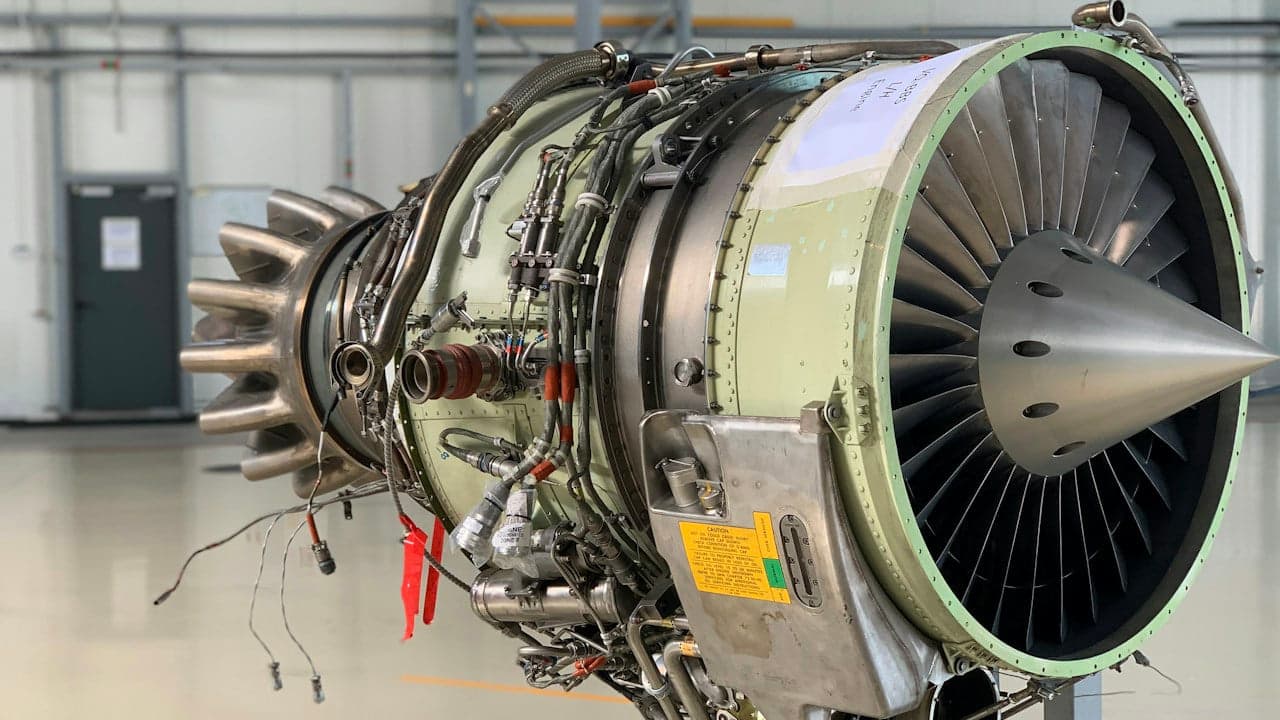
Colorado-based defense propulsion manufacturer Beehive Industries has conducted the first test of its Frenzy 6 engine prototype. The trial took place on September 23 at the company's headquarters, assessing a compact propulsion unit tailored for unmanned aerial systems and munitions. The demonstration marks a rapid transition from technical design to physical hardware.
Hot-fire testing at Colorado headquarters
Propulsion engineers at Beehive Industries carried out the initial test-firing of the Frenzy 6 at their Colorado facility on September 23, as reported by VoxelMatters. The trial evaluated the mechanical operation of the physical prototype, verifying that the assembly can sustain live firing under controlled conditions.
The hot-fire test took place four months after the engineering team finalized the operational requirements for the system. Moving an engine design from specifications to a test bench within that timeframe reflects an accelerated product development cycle and technological innovation for defense propulsion hardware.
Thrust rating and targeted flight systems
The Frenzy 6 delivers a rated output of about 445 newtons, equivalent to 100 pound-force (lbf) of thrust. This power output places the engine in a specific lightweight category designed to power small tactical platforms.
According to VoxelMatters, the manufacturer designed the powerplant specifically for munitions, target drones and unmanned aerial vehicles. Propulsion units of this size provide the continuous thrust needed for long-range autonomous flight without the weight burden of larger conventional gas turbines.
Engineering pace from requirements to testing
The speed of the project highlights changes in modern aerospace production. By completing initial testing within four months of freezing technical requirements, the Colorado manufacturer demonstrated a fast turnaround between mechanical design and functional validation.
Further evaluation of the propulsion system will focus on validating operating parameters and performance limits. The data collected during the September 23 run provides the engineering baseline required before the invention can move forward toward production and system integration.
Read also on The Patent: FCC Proposes 800MHz Cellular Band for Drones · Drones with artificial intelligence to deliver biological material