
Health

Keto diet cut liver fat by 67% in a trial that matched weight loss
Health

Keto diet cut liver fat by 67% in a trial that matched weight loss

A ketogenic diet lowered liver fat by an average of 67% in 42 adults with obesity, prediabetes and fatty liver disease, according to a clinical trial published in Cell Metabolism. All three diets compared in the study produced roughly the same weight loss, about 10% of starting body weight, so the difference in liver fat did not come from the scale alone. About half of the participants on keto no longer met the criteria for prediabetes after four to five months.

Letizia Giugliano

UK health tests sold to consumers lack evidence, study finds
Health

UK health tests sold to consumers lack evidence, study finds

A study published in BMJ Open assessed the websites of 50 commercial health test vendors in the UK. It found that many claims for earlier diagnosis and better outcomes were unsubstantiated, and that most vendors did not explain the tests' limitations. The global market for such tests is predicted to grow from $1.6 billion in 2023 to $3.2 billion by 2029.

Giovanni Sapere

Human immune cells can engulf amoebae, Louisville study finds
Biology

Human immune cells can engulf amoebae, Louisville study finds

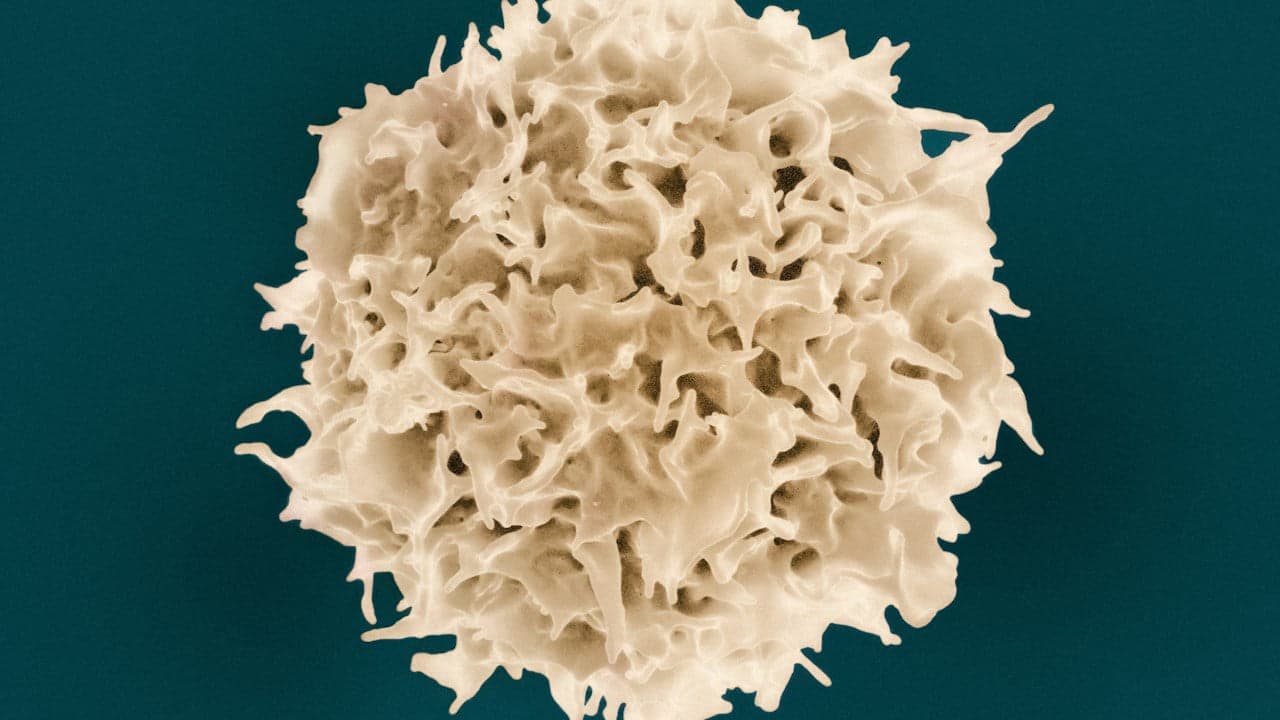
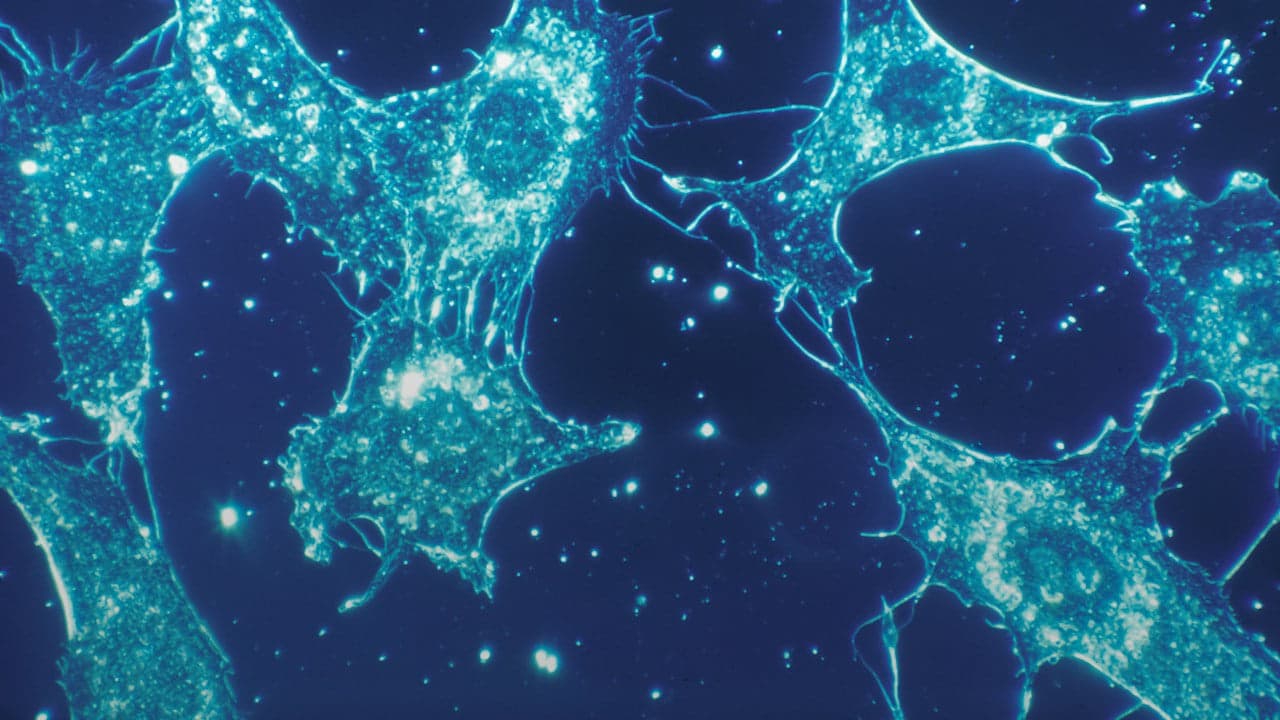
Immune cells can surround and destroy amoebae, a team at the University of Louisville reports in the journal mBio. The finding, published on 16 November 2026, contradicts a belief held for more than a century: that single-celled amoebae are too big for human immune cells to swallow. The paper names no patent application or commercial partner, so the result stands as basic immunology, not yet a product.

Letizia Giugliano

MDMA therapy moves PTSD from severe to mild in a 10-veteran Brown trial
Medicine

MDMA therapy moves PTSD from severe to mild in a 10-veteran Brown trial

Brown University researchers have completed the first study of an MDMA-assisted therapy program built for military veterans who carry both post-traumatic stress disorder and alcohol use disorder. Ten veterans enrolled, nine finished the five-month protocol, and the team published the results in the journal Alcohol. The authors report that the treatment was safe and feasible, with preliminary signs of improvement in PTSD symptoms and in drinking behaviour.

Letizia Giugliano

Alzheimer's research turns to the gut, blood vessels and brain plumbing
Medicine

Alzheimer's research turns to the gut, blood vessels and brain plumbing

New evidence presented at Neuroscience 2026 links Alzheimer's disease to the gut, to blood vessels deep in the brain and to the organ's own waste-clearance channels. The findings were released in a summary on 14 November 2026 and come from studies of long COVID patients, healthy older adults and rats bred to model early disease. The summary describes no patent filing, no intellectual property licence and no medical device approval: the work sits at the research stage.

Letizia Giugliano

A synthetic voice and a year of typing: brain interfaces at Neuroscience 2026
Medicine

A synthetic voice and a year of typing: brain interfaces at Neuroscience 2026

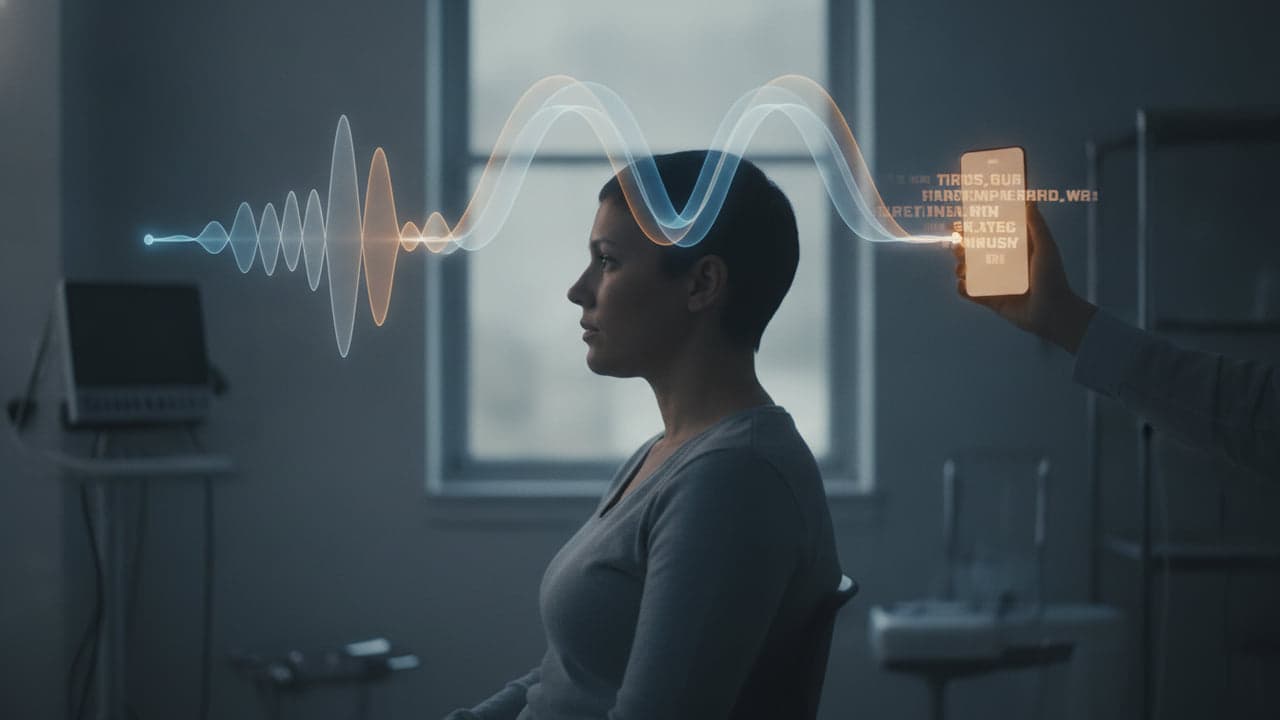
A person in a completely locked-in state held independent conversations for more than a year through a brain-computer interface. Another patient sang, using a synthetic voice that reproduces pitch. The results were presented at Neuroscience 2026, the annual meeting of the Society for Neuroscience, and reported by MedicalXpress on 14 November.

Giovanni Sapere

US colorectal cancer rates rise after two decades of decline
Health

US colorectal cancer rates rise after two decades of decline

Epidemiologists at the University of Chicago have documented the first nationwide increase in colorectal cancer incidence in more than twenty years. Their study, published in NEJM Evidence, shows that diagnoses climbed in 2023 across nearly every demographic group under 70, challenging assumptions that the disease is expanding only among younger adults.

Giovanni Sapere

Auckland researchers test a voice AI coach for type 2 diabetes
Medicine

Auckland researchers test a voice AI coach for type 2 diabetes

The University of Auckland is testing an artificial intelligence health coach called DiNa with people who have type 2 diabetes. The system takes meal photos, reads data from phones and glucose monitors, and talks with users by voice between medical visits. Researchers are comparing it with an existing diabetes-management tool in a small clinical trial.

Giovanni Sapere

FDA Approves Bayer Blood Thinner Asundexian for Stroke Prevention
Medicine

FDA Approves Bayer Blood Thinner Asundexian for Stroke Prevention

The US Food and Drug Administration has approved Bayer's once-daily oral drug asundexian, sold under the brand name Sunharbo, to prevent recurrent strokes in high-risk patients. Prescribed alongside standard antiplatelet therapy, the therapeutic innovation offers a new biological pathway to protect patients who have suffered a serious vascular blockage or a transient mini stroke.

Giovanni Sapere

Inhaled polyethylene and polypropylene particles cause acute lung inflammation
Medicine

Inhaled polyethylene and polypropylene particles cause acute lung inflammation

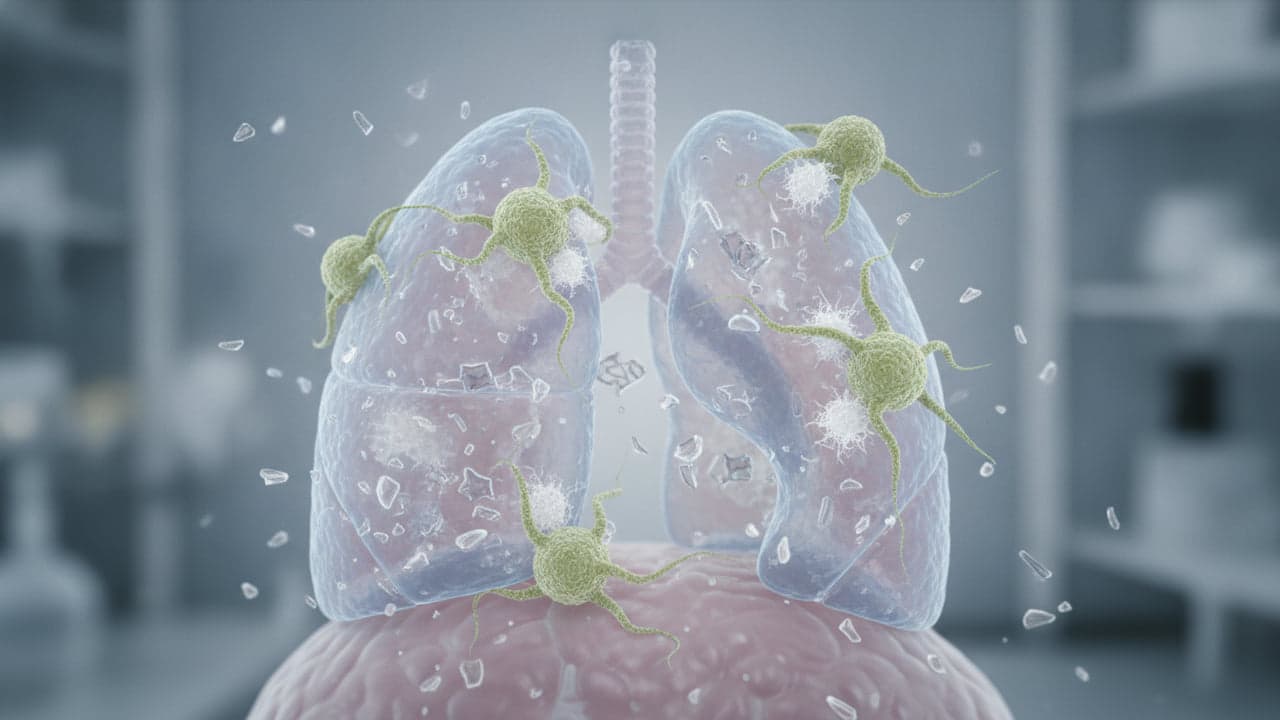
Airborne particles of polyethylene and polypropylene cause acute respiratory inflammation and cellular damage, according to a biomedical research innovation published in Journal of Hazardous Materials Advances. The findings show that nanoplastics inhaled into the lungs stimulate reactive oxygen species that damage tissue.

Letizia Giugliano

Uppsala team uses AI to track thousands of brain cancer cells in live tissue
AI

Uppsala team uses AI to track thousands of brain cancer cells in live tissue

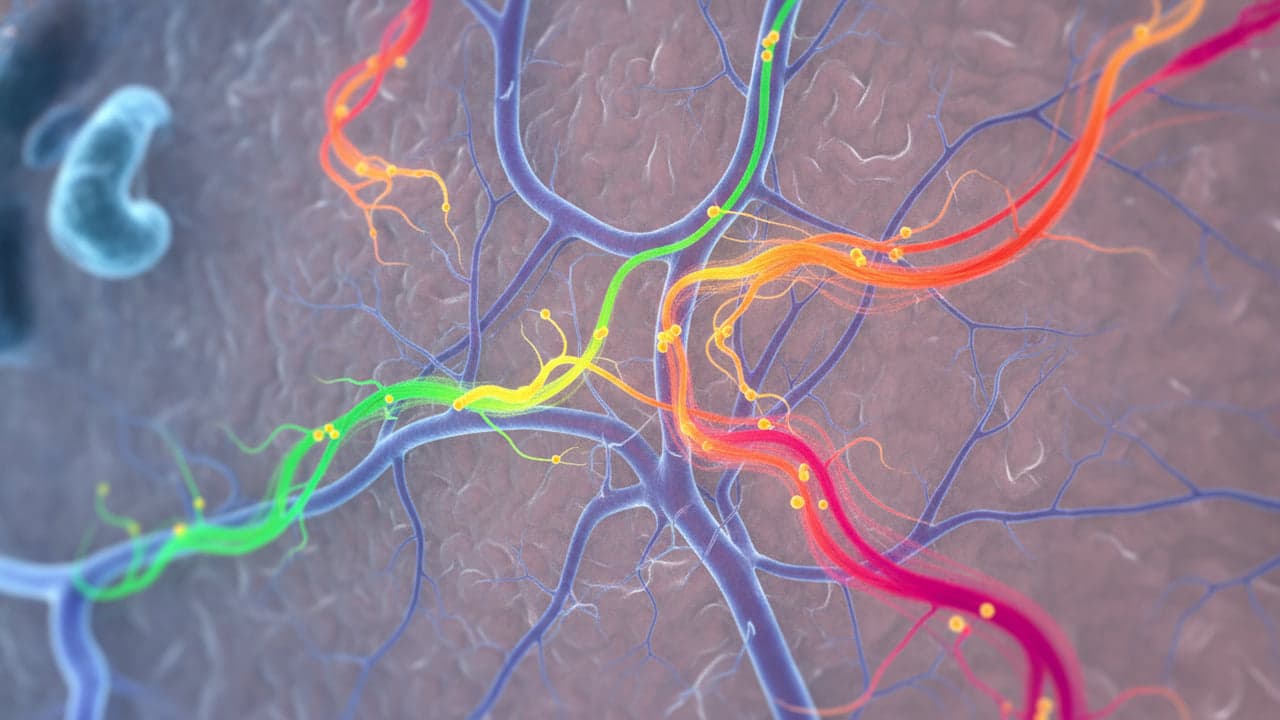
A computational imaging system called GlioTrace can track thousands of migrating glioblastoma cells across living brain slices for days at a time. Developed by scientists at Uppsala University, the method combines automated microscopy with artificial intelligence to reveal how individual brain tumor cells shift their shapes and change migration paths.

Letizia Giugliano

Magnetic microbots tumble through blood vessels to dissolve clots faster
Robotics

Magnetic microbots tumble through blood vessels to dissolve clots faster

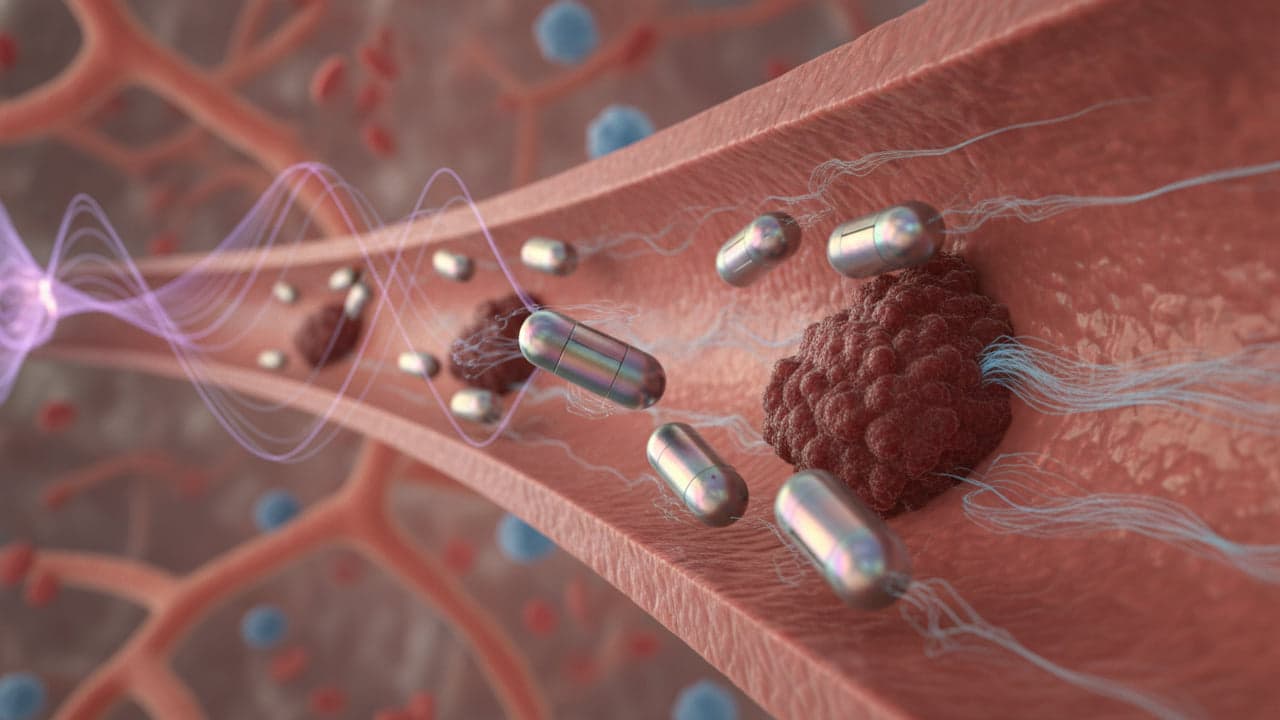
Engineers at ETH Zurich have developed magnetically driven microbots that roll along blood vessel walls to help clot-dissolving drugs reach arterial blockages. The university filed a patent application for the technology after laboratory and animal trials demonstrated that artificial flow speeds up clot breakdown.

Giovanni Sapere

AI Smartwatch Detects Signs of Hypertension Without Cuff Calibration
Gadget

AI Smartwatch Detects Signs of Hypertension Without Cuff Calibration

Researchers have developed a way to screen for high blood pressure using wearable wrist sensors, matching the sensitivity of conventional clinic check-ups. The method, tested on a consumer device, applies an artificial intelligence model to continuous optical and motion data without requiring calibration against an inflatable arm cuff. The findings, published in the journal Nature, offer a practical path toward opportunistic screening for cardiovascular risk.

Giovanni Sapere

Off-the-shelf CAR natural killer cells enter lymphoma trial in South Africa
Medicine

Off-the-shelf CAR natural killer cells enter lymphoma trial in South Africa

Clinical researchers in Johannesburg are evaluating donor-derived natural killer cells engineered to treat resistant B-cell non-Hodgkin lymphoma. The phase 1 study, named QUILT-106, tests whether cell lines grown in a laboratory can bypass the complex manufacturing required for individualized autologous therapies. This medical innovation could broaden access to cellular immunotherapies across regions where conventional personalized treatments remain difficult to deliver.

Giovanni Sapere

Off-Patent Therapy Restores Brain Connectivity in Multiple Sclerosis
Medicine

Off-Patent Therapy Restores Brain Connectivity in Multiple Sclerosis

Administering an off-patent compound alongside standard care improves functional brain connectivity in people with multiple sclerosis. Investigators at Thomas Jefferson University reported the clinical imaging results in IBRO Neuroscience Reports, identifying a treatment route that addresses nerve cell damage. The therapeutic protocol relies on replenishing depleted antioxidant defenses within the central nervous system.

Giovanni Sapere

Stanford Brain Connectome Map Predicts Alzheimer Risk 12 Years Early
Medicine

Stanford Brain Connectome Map Predicts Alzheimer Risk 12 Years Early

Researchers at Stanford Medicine have developed a brain activity scoring method that can forecast Alzheimer's disease up to 12 years before clinical symptoms emerge. The diagnostic innovation analyzes resting-state functional connectivity across neural networks to measure vulnerability and resilience. Published in Science Advances on Nov. 4, the findings reveal measurable functional shifts long before amyloid plaques or memory problems appear.

Giovanni Sapere

Activating p53 Protein Boosts Engineered T Cells Against Cancer
Medicine

Activating p53 Protein Boosts Engineered T Cells Against Cancer

Scientists at the UCLA Health Jonsson Comprehensive Cancer Center have found that temporarily activating the tumor-suppressor protein p53 improves the stamina and killing power of engineered immune cells. The study, published in Frontiers in Immunology, demonstrates that dosing human T cells with the investigational drug navtemadlin during laboratory preparation keeps them from exhausting quickly and enhances their ability to destroy melanoma cells.

Letizia Giugliano

Fruit and vegetable scraps pack more fiber than flesh, King's study shows
Environment

Fruit and vegetable scraps pack more fiber than flesh, King's study shows

Researchers at King's College London found that discarded skins, seeds, and cores from twelve common fruits and vegetables contain higher fiber concentrations than the flesh itself. The team explored root-to-tip consumption as a dietary innovation to combat both household food waste and nutrient deficiencies. Their laboratory analysis showed that common kitchen refuse represents between 25% and 48% of total produce weight.

Letizia Giugliano