

Science

Astronomers find oldest quasar pair from 900 million years after Big Bang
Space

Astronomers find oldest quasar pair from 900 million years after Big Bang

An international team led by Silvia Onorato, a postdoctoral researcher at NSF NOIRLab, has found the most distant compact pair of quasars ever seen, two feeding black holes shining 900 million years after the Big Bang. The objects are separated by about 18,100 light-years, roughly a fifth of the width of the Milky Way, and weigh 1.5 billion and 400 million times the mass of the Sun. The pair, designated J1602+4228AB and nicknamed Nāpōwawāʻenakaulua, is only the third quasar couple known from the period astronomers call cosmic dawn.

Mattia Sapere
Texas A&M finds mosaic genomes in Galápagos tree finches
Biology

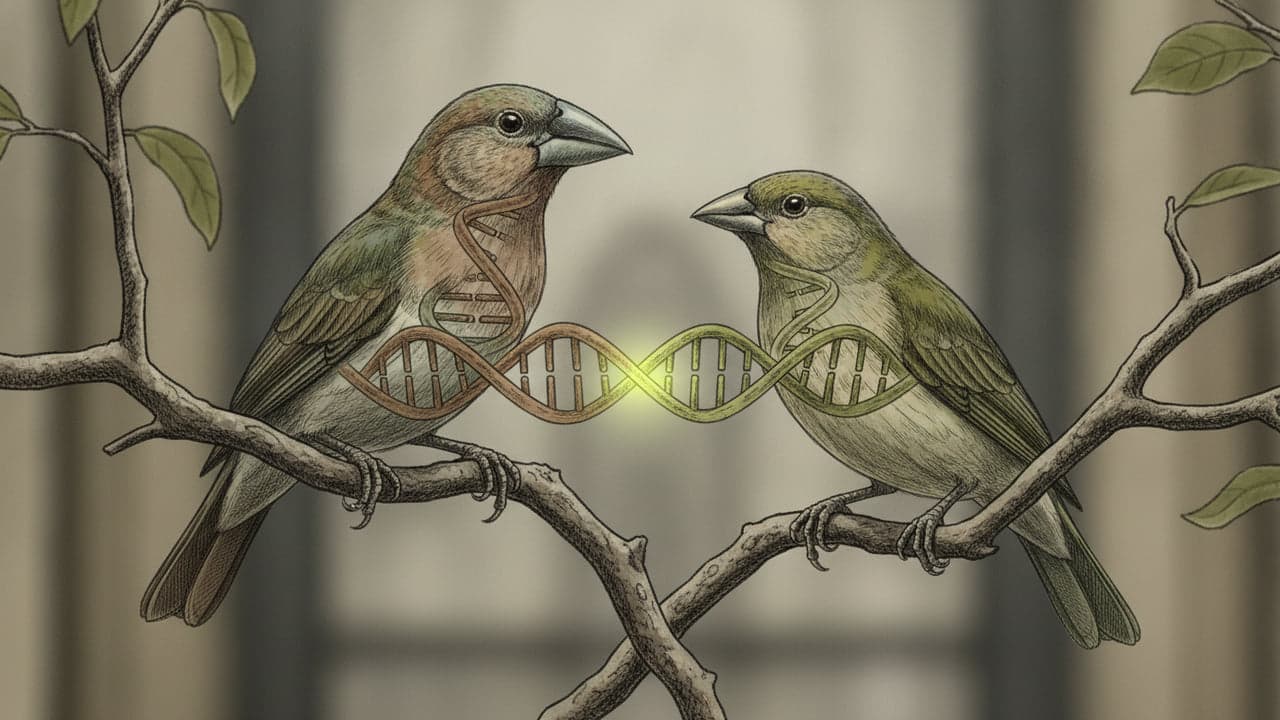
Texas A&M finds mosaic genomes in Galápagos tree finches

A team at the Texas A&M College of Veterinary Medicine and Biomedical Sciences and international collaborators has sequenced the genomes of Darwin's tree finches in the Galápagos and found an unexpected mix. Western large tree finches on Isabela and Fernandina islands carry DNA that mostly matches small tree finches, except for a region linked to beak and body size. The results suggest that interbreeding, followed by natural selection, can produce distinct forms even when most of the genome is shared.

Mattia Sapere

US health institute ties 58 genome regions to endometriosis in a million people
Medicine

US health institute ties 58 genome regions to endometriosis in a million people

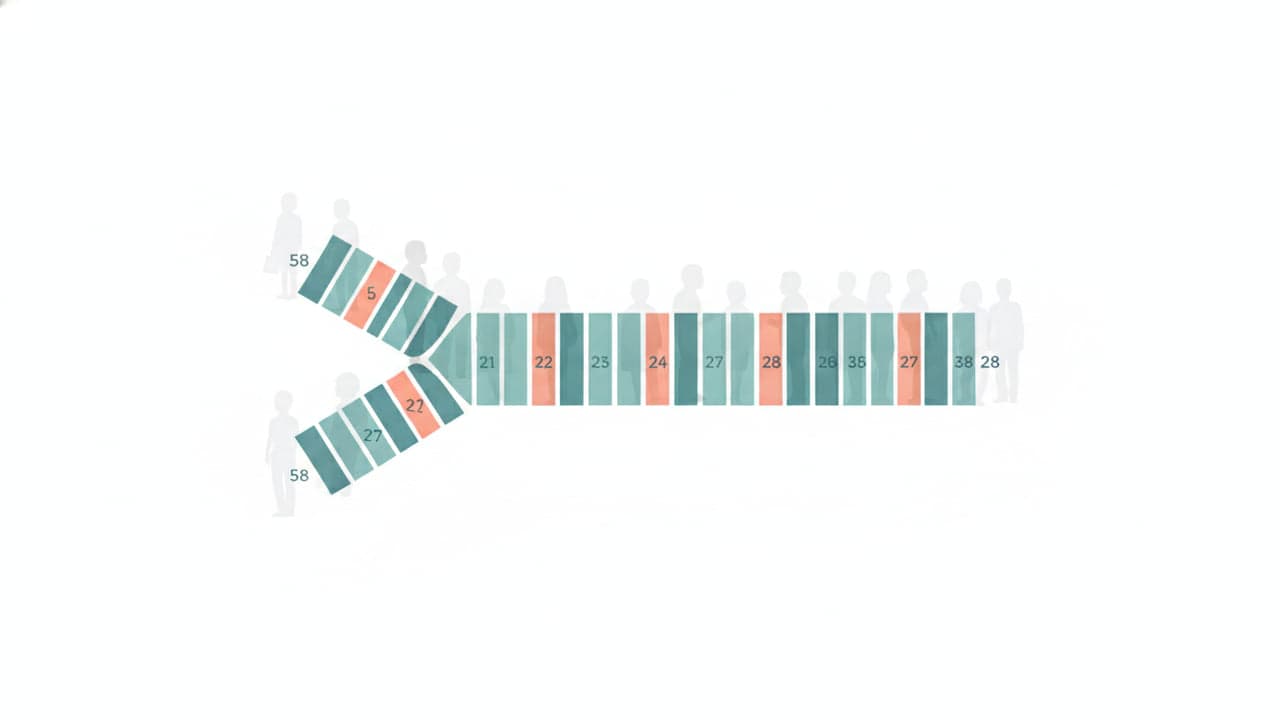
A study pooling genetic data from more than one million people has linked 58 genomic regions to endometriosis, 27 of them not recognized before. The work draws on 14 biobanks worldwide and includes a far larger share of participants of African and Admixed-American ancestry than earlier scans. Endometriosis affects up to one in 10 women and can cause severe pain and fertility problems; the US National Institutes of Health, which released the findings, says it is pursuing a cure.

Letizia Giugliano

Kvantify quantum chemistry method hits classical accuracy with 53 orbitals
Science

Kvantify quantum chemistry method hits classical accuracy with 53 orbitals

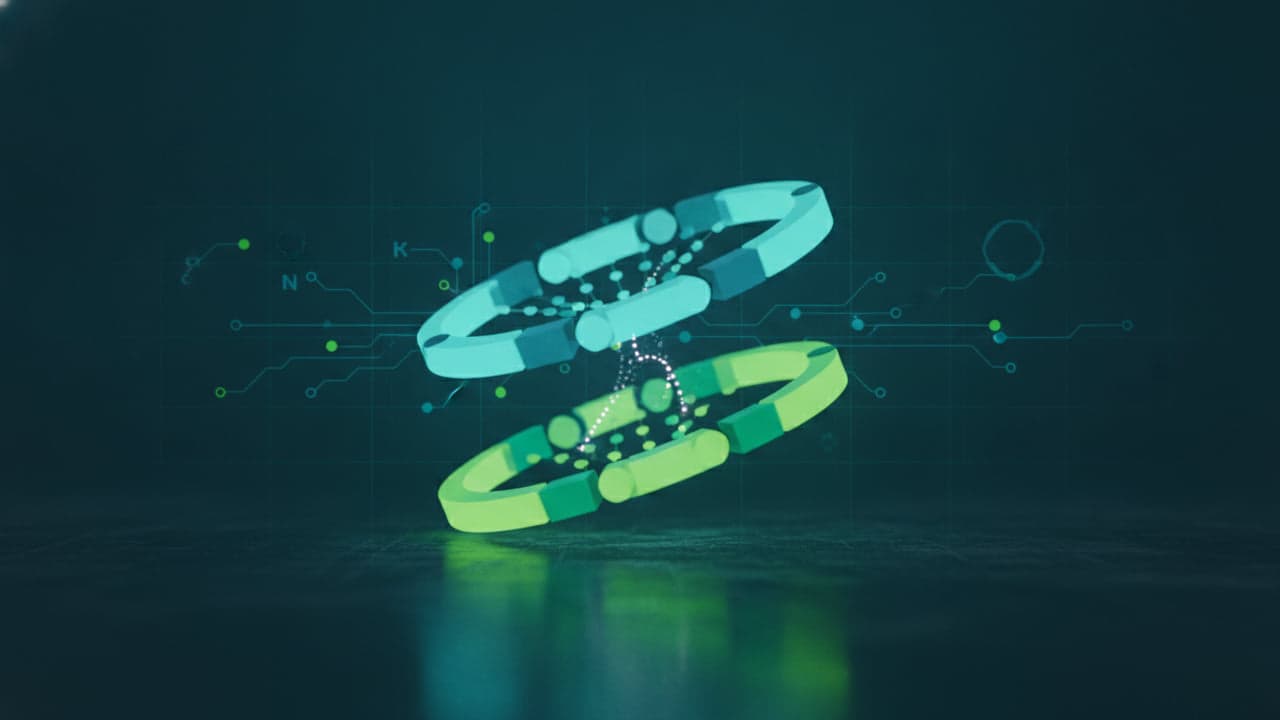
Kvantify, a Danish quantum software company, reported on 20 November 2026 that its algorithm matched the accuracy of a standard classical chemistry method for describing how two DNA-derived molecules interact. The calculation needed 53 active orbitals instead of the 236 used by the reference approach, CCSD(T). Parts of the work ran on Quantinuum's System Model H2 quantum computer, and the company presents the result as a benchmark of accuracy, not as a claim of commercial advantage over classical machines.

Giovanni Sapere

Caltech finds a mass gap in black holes born without a supernova
Space

Caltech finds a mass gap in black holes born without a supernova

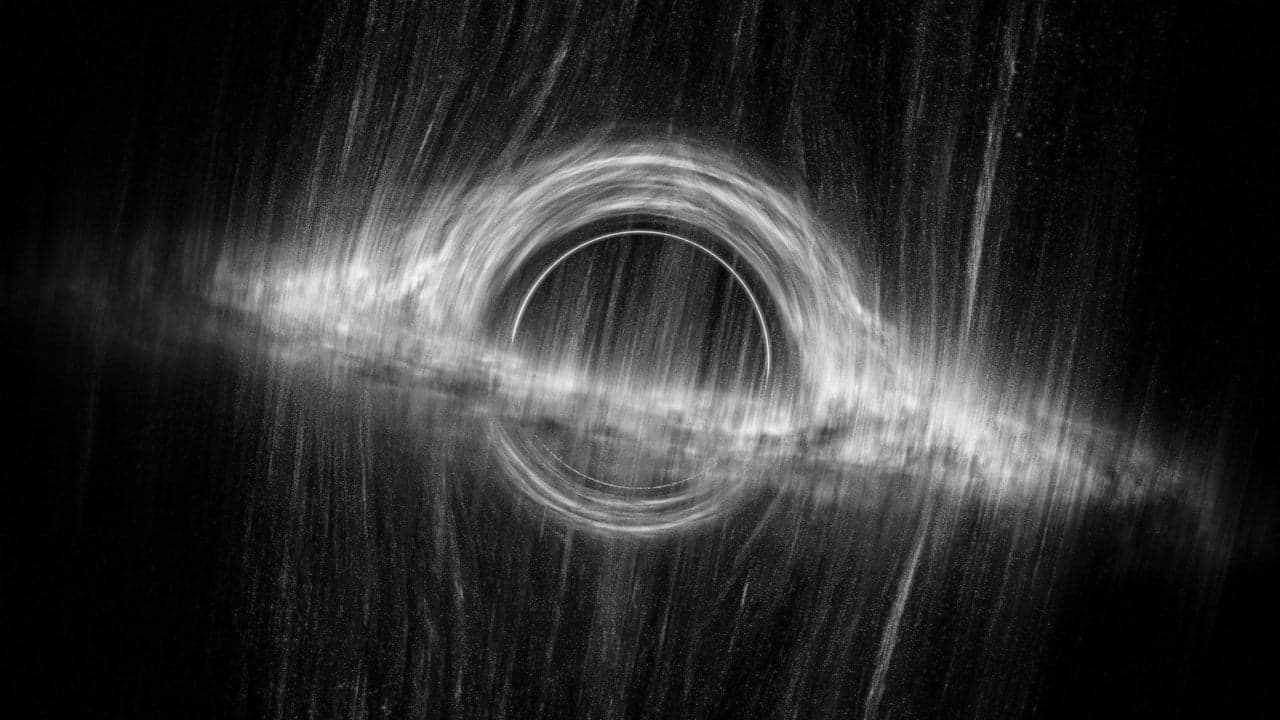
Black holes about 10 times the mass of the Sun appear in roughly three-quarters of the mergers detected so far, and a Caltech-led team has found a matching hole in the distribution between 12 and 16 solar masses. The pattern, drawn from 257 collisions, fits an idea astronomers have never confirmed: some massive stars collapse into black holes without exploding first. The work was published in Physical Review D.

Letizia Giugliano

Taiwan team's copper-sulfur crystal conducts like a metal and detects infrared
Chemistry

Taiwan team's copper-sulfur crystal conducts like a metal and detects infrared

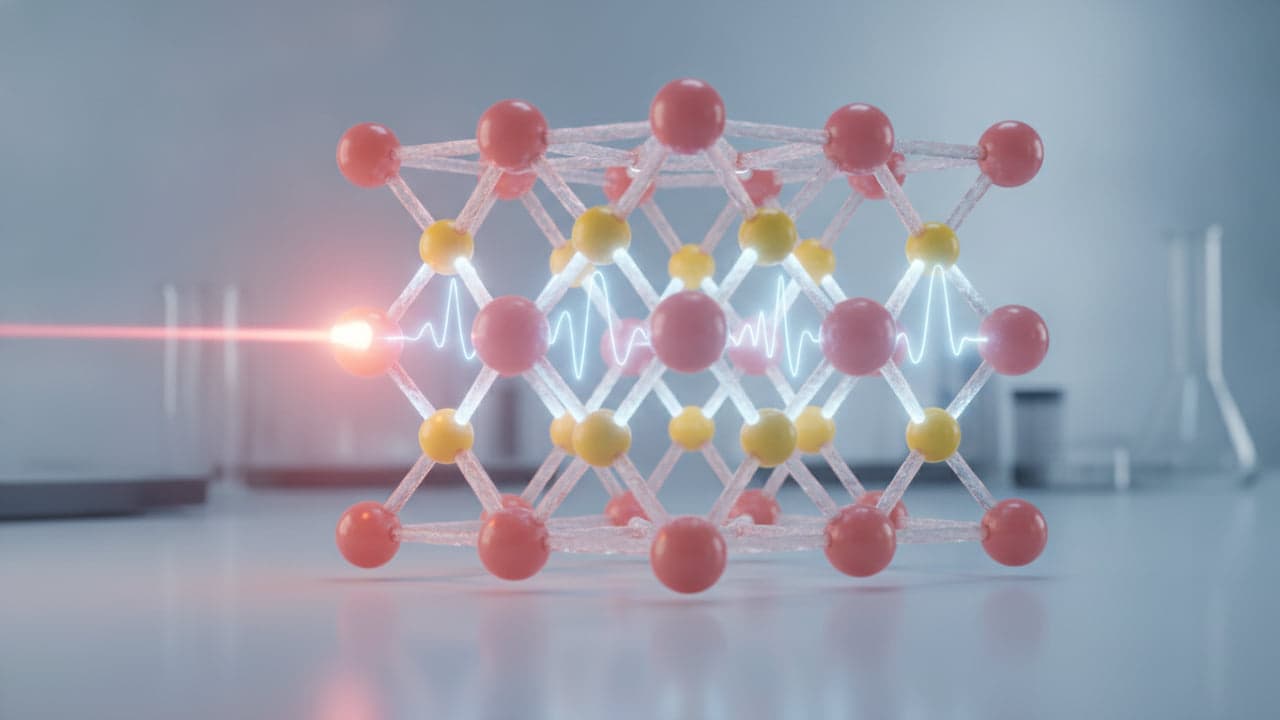
A research team in Taiwan has synthesized a crystalline metal-organic framework (MOF) built from self-assembled copper-sulfur chains that carries electricity the way a metal does, a combination the field has long treated as a trade-off. Single-crystal devices reached a conductivity of up to 120 siemens per centimeter, and the same crystals converted weak infrared light into current with a responsivity of 8,100 amperes per watt. The results were published in Advanced Science in 2026.

Letizia Giugliano

Washington team models an Earth where life never appeared
Science

Washington team models an Earth where life never appeared

Samantha Gilbert-Janizek, who led the study as a doctoral student at the University of Washington, has built a computer model of Earth without life and run it across five billion years. The work, published in The Planetary Science Journal and described by the EU research service CORDIS on 19 November 2026, gives astronomers a way to judge whether an exoplanet's atmosphere could look habitable without hosting biology.

Mattia Sapere

Allergies may begin with energy-starved barrier cells, not immune misfires
Medicine

Allergies may begin with energy-starved barrier cells, not immune misfires

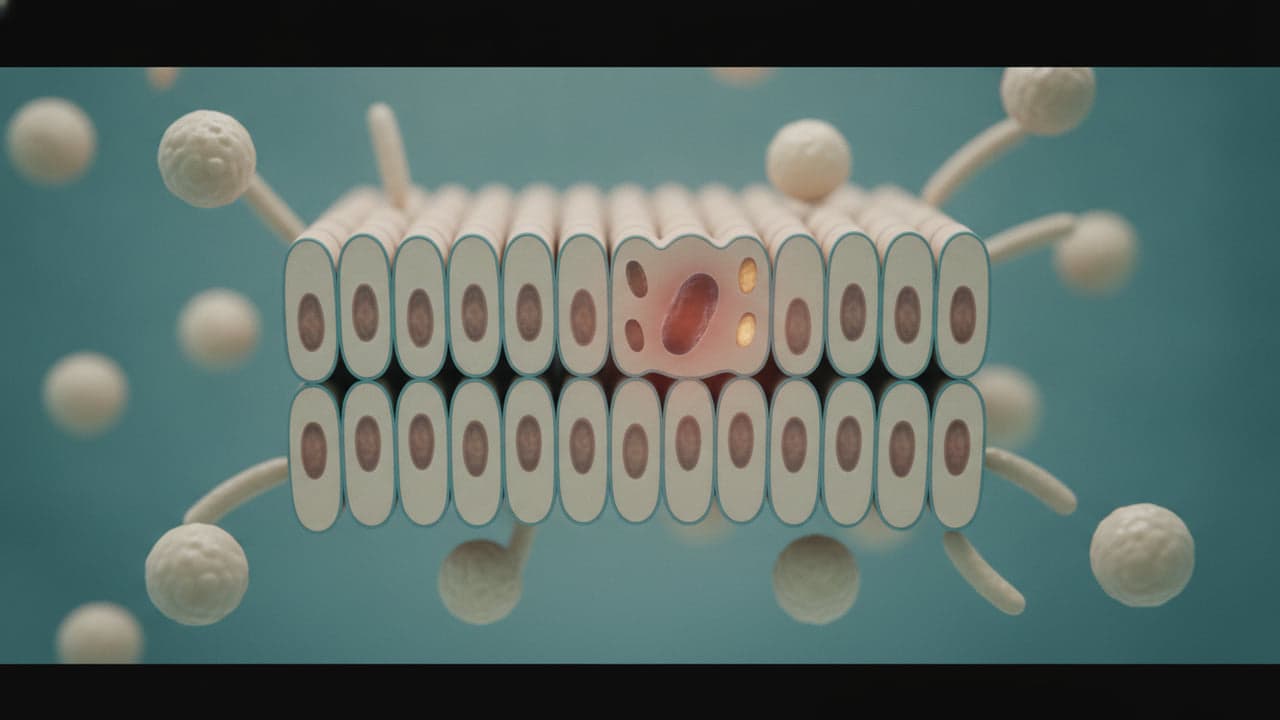
Peter Smith, a professor and clinical immunologist at Griffith University, has co-authored a paper that reverses the usual sequence of allergic disease. Instead of the immune system misfiring and damaging the body's barrier surfaces, he and his colleagues propose that the barrier cells run short of energy first and the immune events follow. The hypothesis, published in the journal Allergy, rests on what the authors call the largest multi-omic allergy dataset they were aware of, and it points to a new target for drug innovation rather than a new medical device.

Letizia Giugliano

A Berkeley compound burns fat in mice while sparing muscle
Medicine

A Berkeley compound burns fat in mice while sparing muscle

Researchers at the University of California, Berkeley have identified a compound that makes the body burn more energy instead of eating less, a different route from the appetite-suppressing drugs that have dominated obesity treatment. In obese mice the compound, called TOFA, cut fat without significant loss of lean muscle and improved blood sugar regulation. The innovation has been tested only in animals: its safety and effectiveness in humans are not yet established.

Letizia Giugliano

A metal-organic framework holds sulfuryl fluoride gas as a safer solid reagent
Chemistry

A metal-organic framework holds sulfuryl fluoride gas as a safer solid reagent

A metal-organic framework can hold sulfuryl fluoride gas in a solid reagent that is easier and safer to handle than the gas alone. Bethany Halford reported the material, SO2F2-Mg2(dobdc), on 19 November 2026 in Chemical & Engineering News, with an X-ray crystal structure adapted from the Journal of the American Chemical Society. The report lists click chemistry and the making of covalent drug candidates as uses.

Letizia Giugliano

Italian dinosaur Tethyshadros had a birdlike beak, not spikes, X-ray scans show
Archeology

Italian dinosaur Tethyshadros had a birdlike beak, not spikes, X-ray scans show

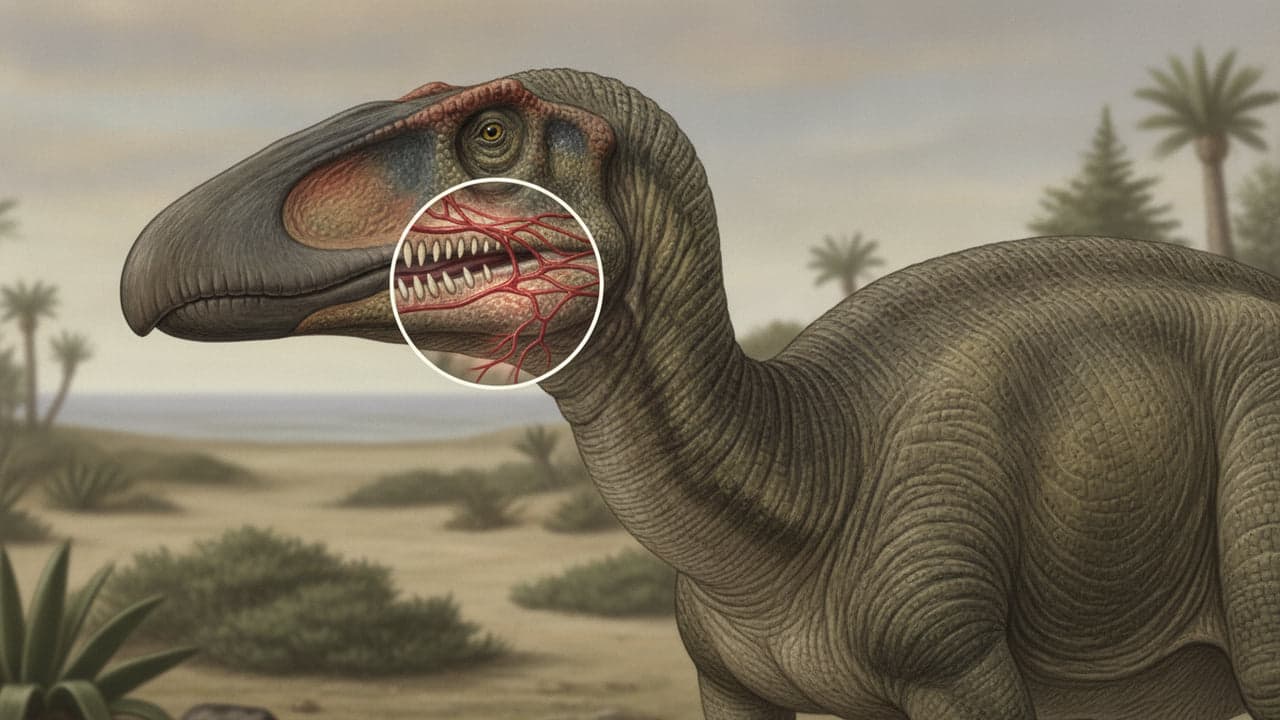
Three specimens of the Italian duck-billed dinosaur Tethyshadros insularis have been re-scanned at the TomoLab facility of Elettra Sincrotrone Trieste, and the bony projections that palaeontologists read for more than 15 years as exposed spikes turn out to be the scaffold of a large, birdlike keratinous beak. The study, published in Royal Society Open Science, also recalculates the animal's adult length at 5.2 to 5.9 metres. The finding matters because the fossils from Villaggio del Pescatore, near Trieste, are among the most complete dinosaurs found in Europe, and the new imaging shows they still hold anatomy that the outside of the bone cannot reveal.

Letizia Giugliano

Algarve fossils push the rise of modern green algae back 30 million years
Biology

Algarve fossils push the rise of modern green algae back 30 million years

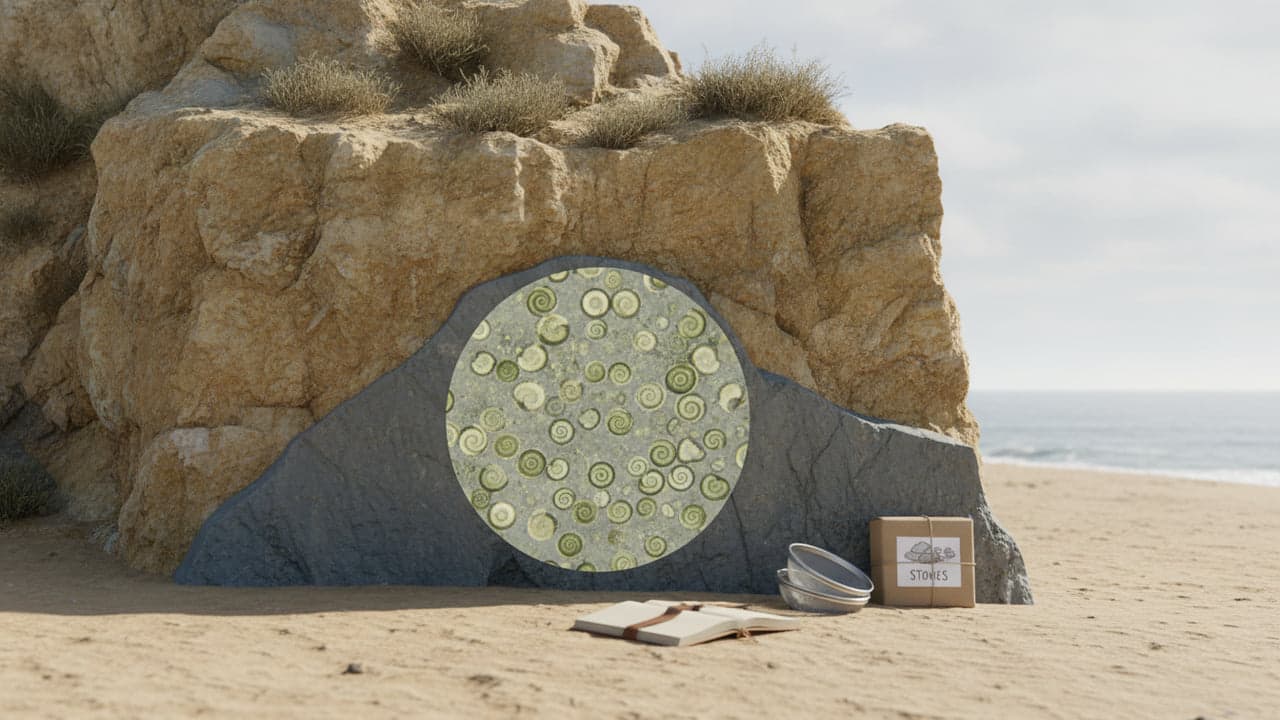
Jordi Pérez Cano travelled to the Algarve in spring 2024 to date rocks and came back with a new genus of green algae. The 120 kilograms of clay his team collected at Praia da Luz hold the oldest known specimens of several charophyte lineages, described in the journal Palaeontographica Abteilung B. The find moves the appearance of present-day genera from about 80 million years ago to 115 million years ago.

Giovanni Sapere

University of Michigan finds how bacteria survive making cancer drug doxorubicin
Biology

University of Michigan finds how bacteria survive making cancer drug doxorubicin

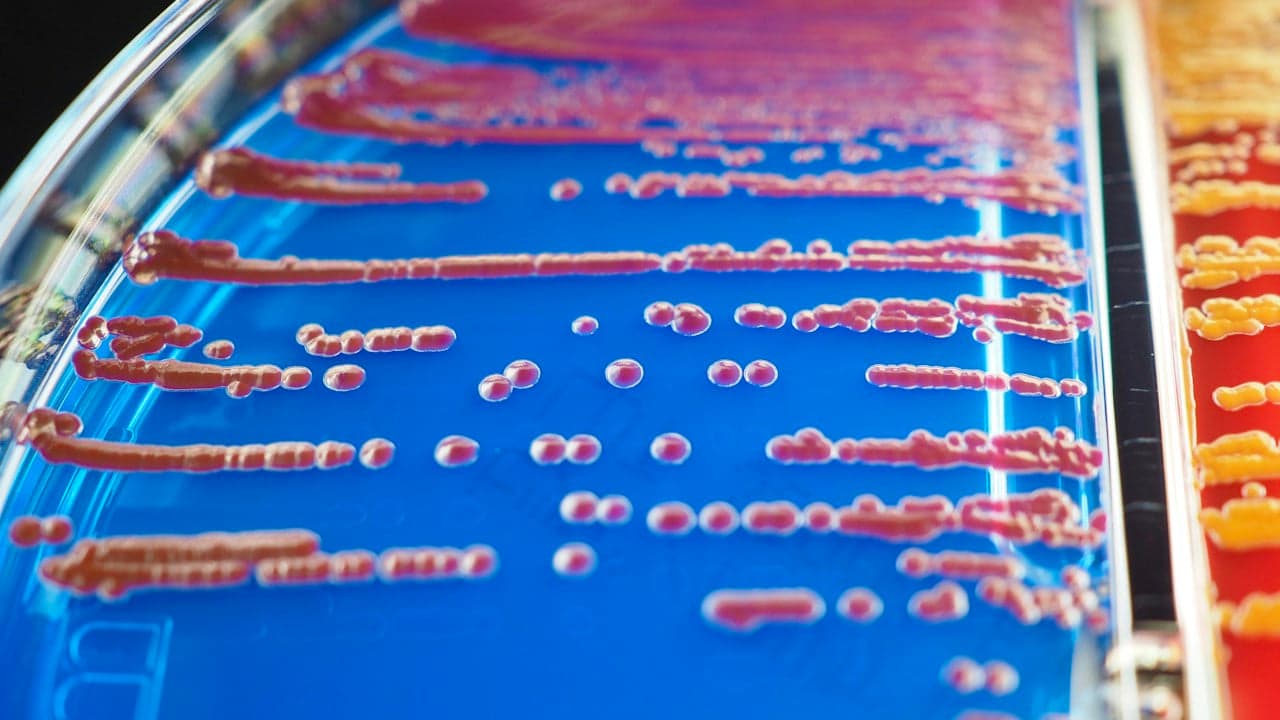
Bacteria that make doxorubicin, a widely used anticancer drug, carry a protein that protects them from the chemistry they use to build it, researchers at the University of Michigan report. The study, published in Science on 19 November 2026, names the gene DnrV and describes a family of more than 40,000 related proteins that the team called REACT. The result gives drug hunters a new marker for finding natural compounds and a tool for drug innovation in microbes.

Giovanni Sapere

Nanoporous platinum electrodes restore 90% of muscle strength in animals
Medicine

Nanoporous platinum electrodes restore 90% of muscle strength in animals

A research team led by Carnegie Mellon University and the University of Pittsburgh has implanted nanostructured platinum electrodes into severely injured muscle and recovered 90% of pre-injury torque in animals, against 71% in untreated controls. The results, published in Acta Biomaterialia, point to the two weeks after trauma as a window in which daily electrical stimulation pushes tissue toward repair instead of scar. The invention sits in the electrode interface, which makes stimulation possible from the first days of healing without repeated general anesthesia.

Letizia Giugliano

BepiColombo X-ray telescope MIXS sees the Crab Nebula, sharper than in 2015
Space

BepiColombo X-ray telescope MIXS sees the Crab Nebula, sharper than in 2015

The X-ray telescope aboard BepiColombo has taken its first look at the sky, eight years and 10 billion kilometres after leaving Earth. The instrument, led from the University of Leicester, detected X-rays from the Crab Nebula with a resolution slightly better than in its laboratory tests in 2015. The observation came as the European Space Agency and Japan Aerospace Exploration Agency mission prepared to enter orbit around Mercury on November 21.

Letizia Giugliano

Neuroscience 2026: four new biomarker studies for Alzheimer's and depression
Medicine

Neuroscience 2026: four new biomarker studies for Alzheimer's and depression

Neuroscientists used the annual meeting of the Society for Neuroscience, held in November 2026, to present new ways of measuring brain and nerve disorders. The work covers early Alzheimer's-related neurodegeneration, unusually preserved brain structure in older adults, mitochondrial gene changes in depression and an artificial intelligence system built to catch movement symptoms too small for the eye. Biomarkers already guide cancer and heart care, but the nervous system has resisted the same approach.

Giovanni Sapere

Human immune cells can engulf amoebae, Louisville study finds
Biology

Human immune cells can engulf amoebae, Louisville study finds

Immune cells can surround and destroy amoebae, a team at the University of Louisville reports in the journal mBio. The finding, published on 16 November 2026, contradicts a belief held for more than a century: that single-celled amoebae are too big for human immune cells to swallow. The paper names no patent application or commercial partner, so the result stands as basic immunology, not yet a product.

Letizia Giugliano

MDMA therapy moves PTSD from severe to mild in a 10-veteran Brown trial
Medicine

MDMA therapy moves PTSD from severe to mild in a 10-veteran Brown trial

Brown University researchers have completed the first study of an MDMA-assisted therapy program built for military veterans who carry both post-traumatic stress disorder and alcohol use disorder. Ten veterans enrolled, nine finished the five-month protocol, and the team published the results in the journal Alcohol. The authors report that the treatment was safe and feasible, with preliminary signs of improvement in PTSD symptoms and in drinking behaviour.

Letizia Giugliano