
Medicine

Allergies may begin with energy-starved barrier cells, not immune misfires
Medicine

Allergies may begin with energy-starved barrier cells, not immune misfires

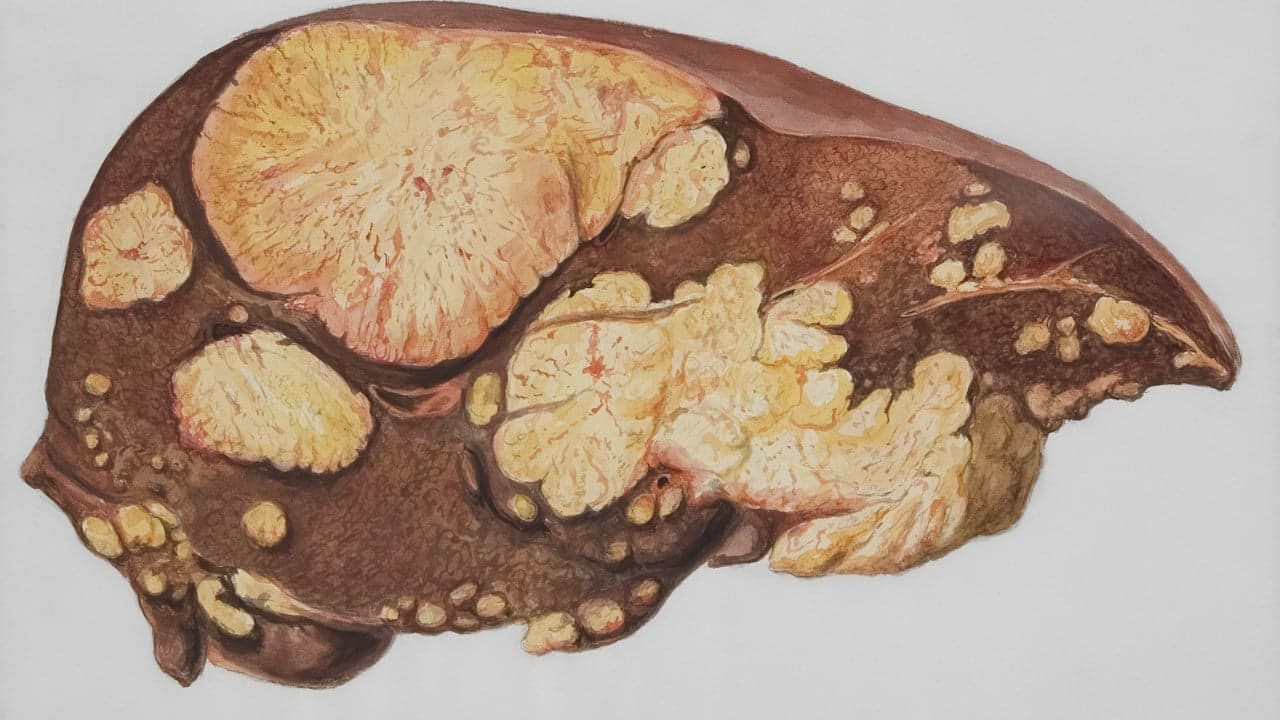
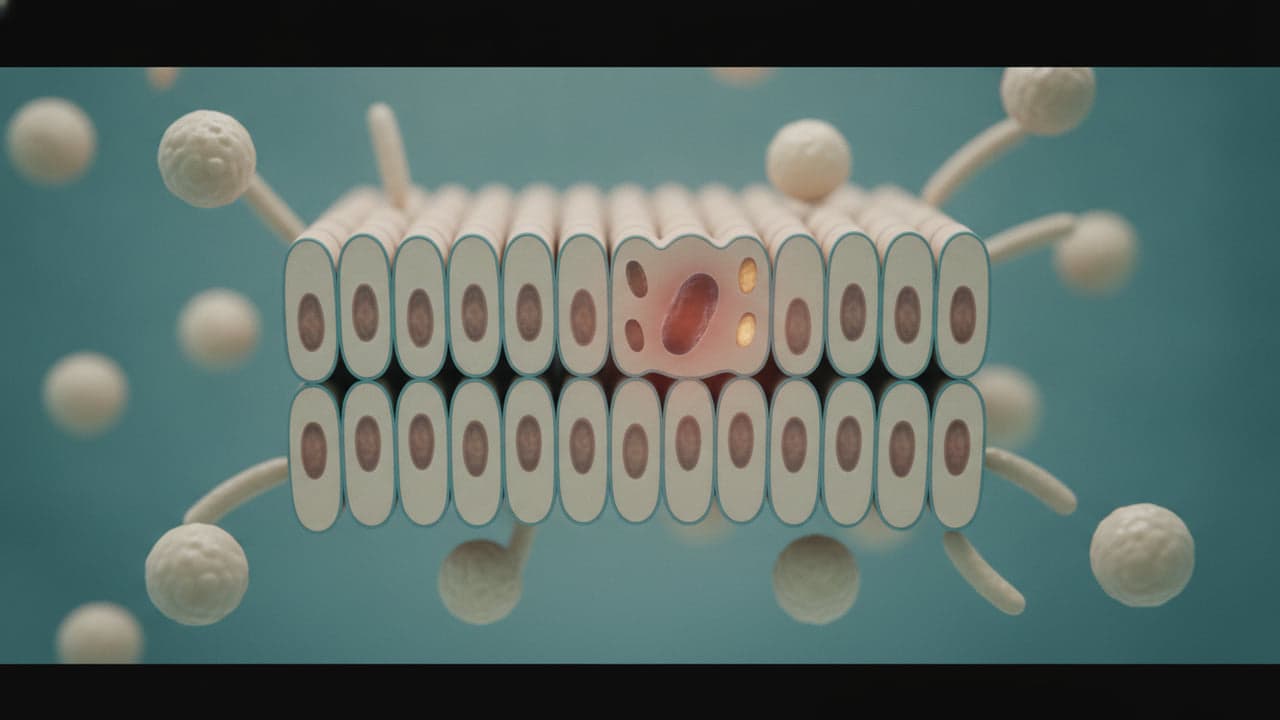
Peter Smith, a professor and clinical immunologist at Griffith University, has co-authored a paper that reverses the usual sequence of allergic disease. Instead of the immune system misfiring and damaging the body's barrier surfaces, he and his colleagues propose that the barrier cells run short of energy first and the immune events follow. The hypothesis, published in the journal Allergy, rests on what the authors call the largest multi-omic allergy dataset they were aware of, and it points to a new target for drug innovation rather than a new medical device.

Letizia Giugliano
A Berkeley compound burns fat in mice while sparing muscle
Medicine

A Berkeley compound burns fat in mice while sparing muscle

Researchers at the University of California, Berkeley have identified a compound that makes the body burn more energy instead of eating less, a different route from the appetite-suppressing drugs that have dominated obesity treatment. In obese mice the compound, called TOFA, cut fat without significant loss of lean muscle and improved blood sugar regulation. The innovation has been tested only in animals: its safety and effectiveness in humans are not yet established.

Letizia Giugliano

Nanoporous platinum electrodes restore 90% of muscle strength in animals
Medicine

Nanoporous platinum electrodes restore 90% of muscle strength in animals

A research team led by Carnegie Mellon University and the University of Pittsburgh has implanted nanostructured platinum electrodes into severely injured muscle and recovered 90% of pre-injury torque in animals, against 71% in untreated controls. The results, published in Acta Biomaterialia, point to the two weeks after trauma as a window in which daily electrical stimulation pushes tissue toward repair instead of scar. The invention sits in the electrode interface, which makes stimulation possible from the first days of healing without repeated general anesthesia.

Letizia Giugliano

Neuroscience 2026: four new biomarker studies for Alzheimer's and depression
Medicine

Neuroscience 2026: four new biomarker studies for Alzheimer's and depression

Neuroscientists used the annual meeting of the Society for Neuroscience, held in November 2026, to present new ways of measuring brain and nerve disorders. The work covers early Alzheimer's-related neurodegeneration, unusually preserved brain structure in older adults, mitochondrial gene changes in depression and an artificial intelligence system built to catch movement symptoms too small for the eye. Biomarkers already guide cancer and heart care, but the nervous system has resisted the same approach.

Giovanni Sapere

MDMA therapy moves PTSD from severe to mild in a 10-veteran Brown trial
Medicine

MDMA therapy moves PTSD from severe to mild in a 10-veteran Brown trial

Brown University researchers have completed the first study of an MDMA-assisted therapy program built for military veterans who carry both post-traumatic stress disorder and alcohol use disorder. Ten veterans enrolled, nine finished the five-month protocol, and the team published the results in the journal Alcohol. The authors report that the treatment was safe and feasible, with preliminary signs of improvement in PTSD symptoms and in drinking behaviour.

Letizia Giugliano

Songs from the same genre or era trigger similar memories
Music

Songs from the same genre or era trigger similar memories

A study from Princeton University reports that songs from the same genre or decade bring back comparable memories in different listeners. The paper, by Elizabeth H. Margulis, appeared in the Proceedings of the National Academy of Sciences on November 16, 2026, with the DOI 10.1073/pnas.2536885123. It describes a finding about how memory works, and the release that documents it names no product or filing.

Letizia Giugliano

Alzheimer's research turns to the gut, blood vessels and brain plumbing
Medicine

Alzheimer's research turns to the gut, blood vessels and brain plumbing

New evidence presented at Neuroscience 2026 links Alzheimer's disease to the gut, to blood vessels deep in the brain and to the organ's own waste-clearance channels. The findings were released in a summary on 14 November 2026 and come from studies of long COVID patients, healthy older adults and rats bred to model early disease. The summary describes no patent filing, no intellectual property licence and no medical device approval: the work sits at the research stage.

Letizia Giugliano

One CRISPR infusion kept blood fats low in monkeys for three years
Medicine

One CRISPR infusion kept blood fats low in monkeys for three years

Ten monkeys received one infusion of an experimental CRISPR base editor and were followed for three years. Their levels of ANGPTL3, a liver protein that slows the clearance of fats from the blood, stayed about 94% below where they started. The results, published in Nature by researchers at Verve Therapeutics and collaborating institutions, point to a DNA-level alternative to daily lipid-lowering drugs.

Letizia Giugliano

Early-life obesity may reprogram T cells and weaken vaccine immunity
Medicine

Early-life obesity may reprogram T cells and weaken vaccine immunity

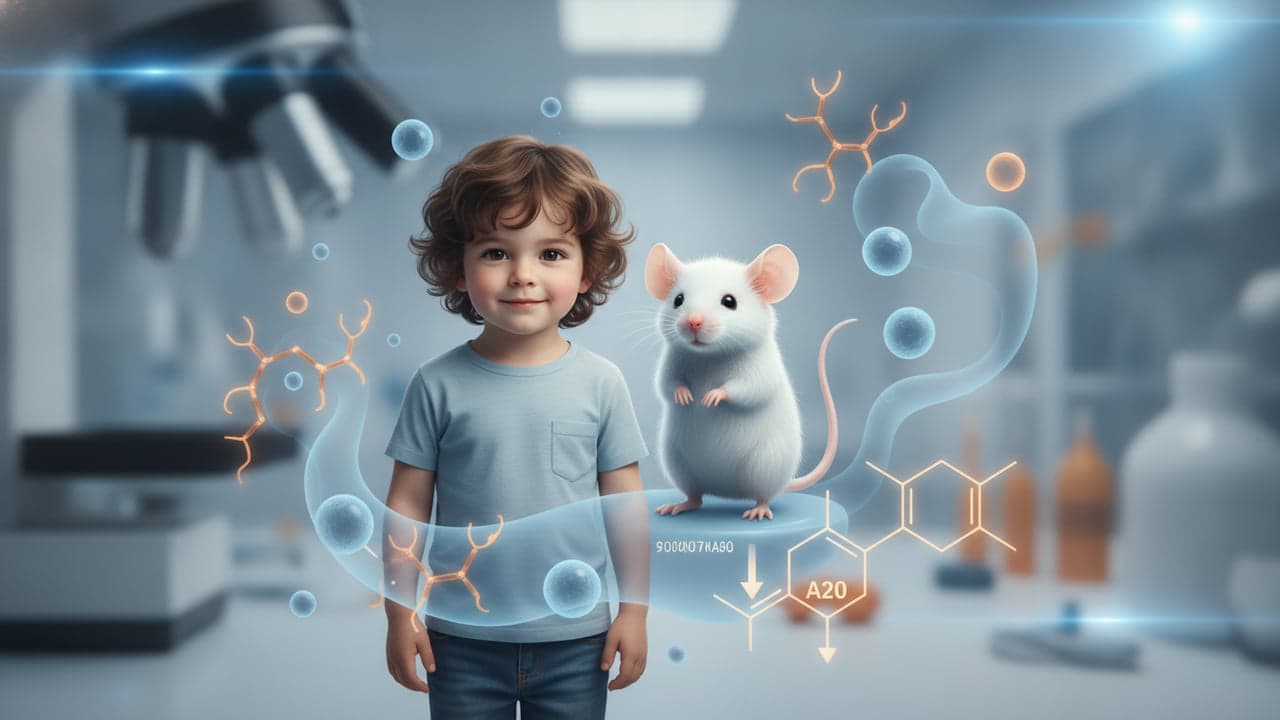
Young mice exposed to a high-fat diet in the womb and after birth make fewer T follicular helper cells, the immune cells that organise antibody responses, researchers at the Perelman School of Medicine at the University of Pennsylvania report. The team traced the fault to a gene for the enzyme A20 and found a matching shortage of those cells in five patients who lack one working copy of the gene. The study appears in Nature Immunology and describes no patent filing.

Giovanni Sapere

A dental retainer that turns tongue taps into computer commands
Inventions

A dental retainer that turns tongue taps into computer commands

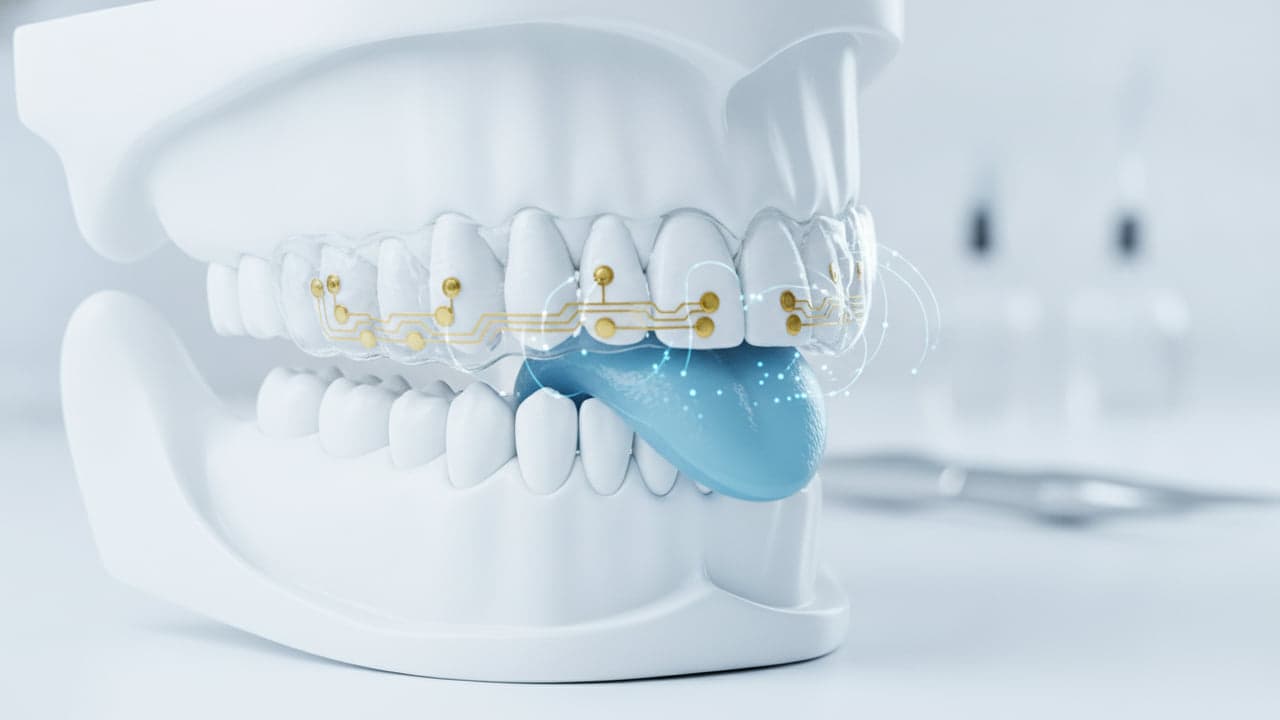
Researchers at Aarhus University have built TeethMark, a transparent dental retainer with electrodes that reads tongue movements and uses them to control electronic devices. The brace recognises taps on single teeth, slides across several teeth and simultaneous contacts, and it can send small electrical pulses back to the tongue. The work, reported by Hackster.io, is a laboratory prototype: the source names no patent application, no commercial partner and no product launch.

Letizia Giugliano

A synthetic voice and a year of typing: brain interfaces at Neuroscience 2026
Medicine

A synthetic voice and a year of typing: brain interfaces at Neuroscience 2026

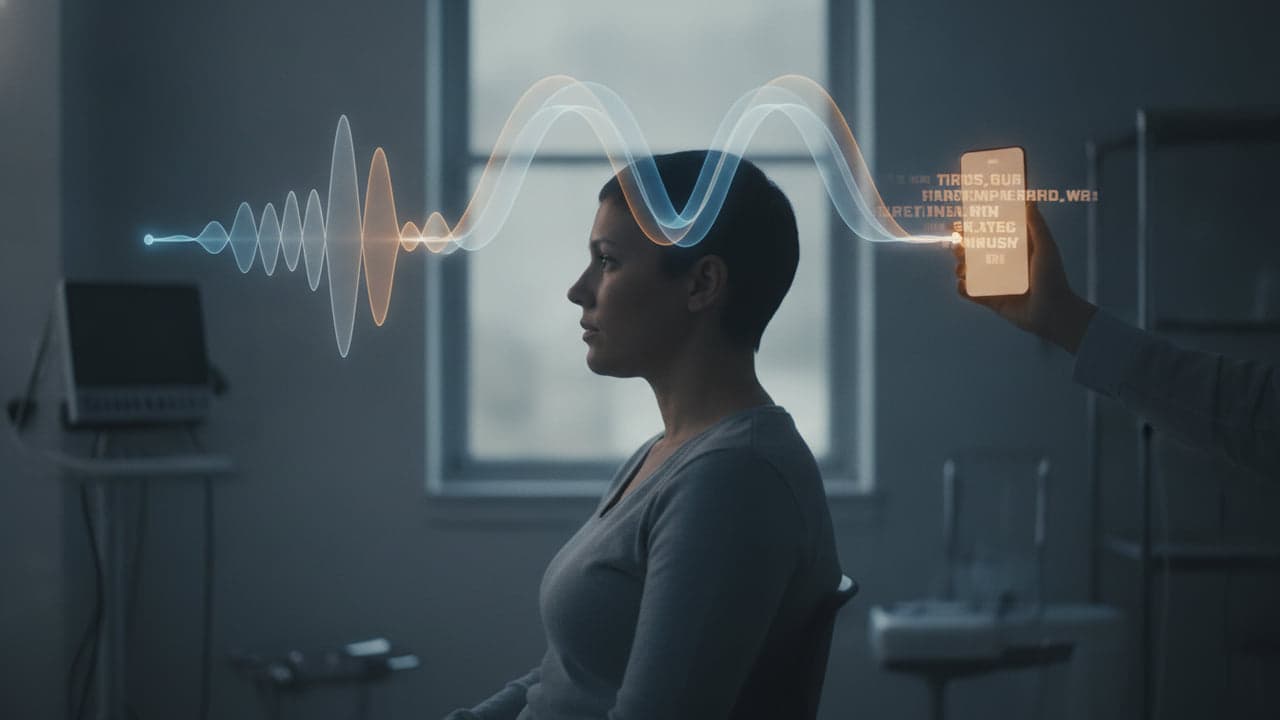
A person in a completely locked-in state held independent conversations for more than a year through a brain-computer interface. Another patient sang, using a synthetic voice that reproduces pitch. The results were presented at Neuroscience 2026, the annual meeting of the Society for Neuroscience, and reported by MedicalXpress on 14 November.

Giovanni Sapere

Ioannis Yannas, inventor of artificial skin, dies at 90
Inventors

Ioannis Yannas, inventor of artificial skin, dies at 90

Ioannis Yannas, an MIT physical chemist and engineer who invented artificial skin for severe burns, died on Oct. 19 at 90, MIT News reports. He developed the graft with John Burke of Massachusetts General Hospital, and the pair announced their success in 1981. His artificial skin received a patent.

Giovanni Sapere

A $450 3D printer builds living materials more than 100 layers tall
Biology

A $450 3D printer builds living materials more than 100 layers tall

A biology lab at the University of Rochester has turned a standard plastic 3D printer into a bioprinter for $450, and used it to print living materials more than 100 layers high. The same machines built by hobbyists and schools can now produce structures that cost upward of $100,000 with commercial bioprinters, the team reports in ACS Applied Polymer Materials. The trick is a syringe pump in place of the filament extruder, plus a gel the print sits in while it sets.

Letizia Giugliano

US colorectal cancer rates rise after two decades of decline
Health

US colorectal cancer rates rise after two decades of decline

Epidemiologists at the University of Chicago have documented the first nationwide increase in colorectal cancer incidence in more than twenty years. Their study, published in NEJM Evidence, shows that diagnoses climbed in 2023 across nearly every demographic group under 70, challenging assumptions that the disease is expanding only among younger adults.

Giovanni Sapere

TRF2 Protein Preserves Muscle Stem Cells and Prevents Scarring
Biology

TRF2 Protein Preserves Muscle Stem Cells and Prevents Scarring

Researchers at the Perelman School of Medicine at the University of Pennsylvania have found that a protein known for shielding chromosome ends also governs muscle repair. Without TRF2, muscle stem cells lose their molecular identity, causing injured tissue to fill with fat and scar tissue rather than healthy muscle. The biological innovation outlines a new cellular target for muscular degeneration research.

Letizia Giugliano

Auckland researchers test a voice AI coach for type 2 diabetes
Medicine

Auckland researchers test a voice AI coach for type 2 diabetes

The University of Auckland is testing an artificial intelligence health coach called DiNa with people who have type 2 diabetes. The system takes meal photos, reads data from phones and glucose monitors, and talks with users by voice between medical visits. Researchers are comparing it with an existing diabetes-management tool in a small clinical trial.

Giovanni Sapere

FDA Approves Bayer Blood Thinner Asundexian for Stroke Prevention
Medicine

FDA Approves Bayer Blood Thinner Asundexian for Stroke Prevention

The US Food and Drug Administration has approved Bayer's once-daily oral drug asundexian, sold under the brand name Sunharbo, to prevent recurrent strokes in high-risk patients. Prescribed alongside standard antiplatelet therapy, the therapeutic innovation offers a new biological pathway to protect patients who have suffered a serious vascular blockage or a transient mini stroke.

Giovanni Sapere