Chemistry

Chemistry

Rechargeable Lithium metal batteries soon available thanks to ultrasounds

Researchers in San Diego have developed an ultrasonic device that applied to lithium metal batteries increases their life, charge and capacity The development of batteries is a very lively field, whose importance was recognized by the award of the Nobel Prize in Chemistry in 2019. The most…

Mario Vincenzo La Rocca
Chemistry

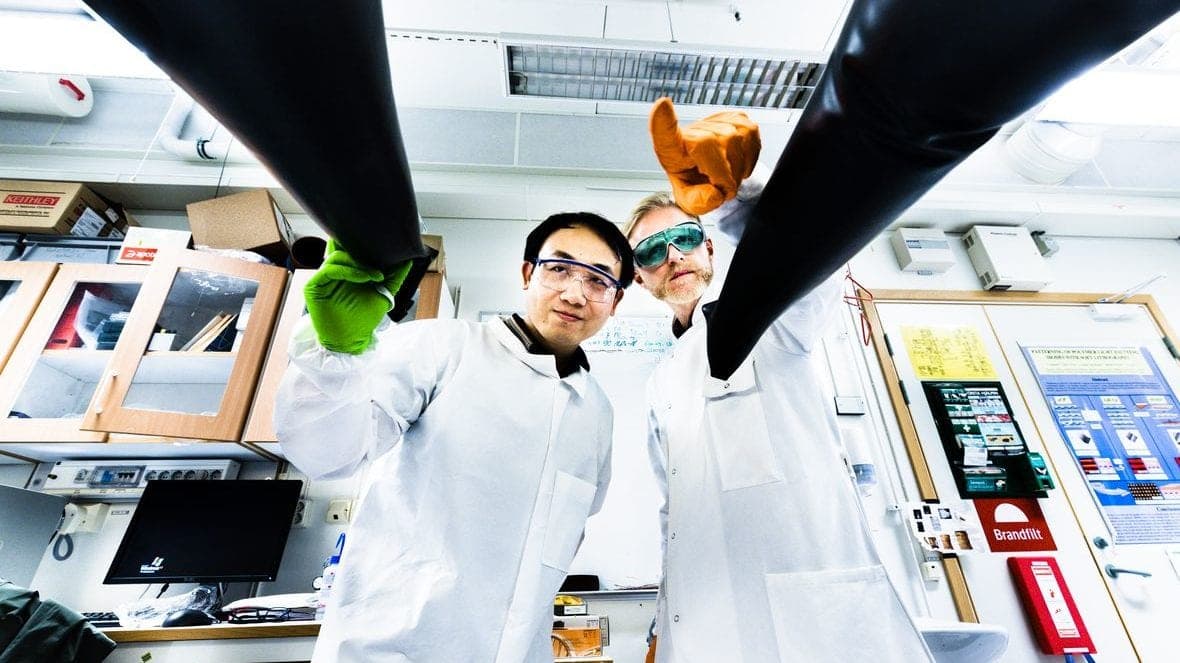
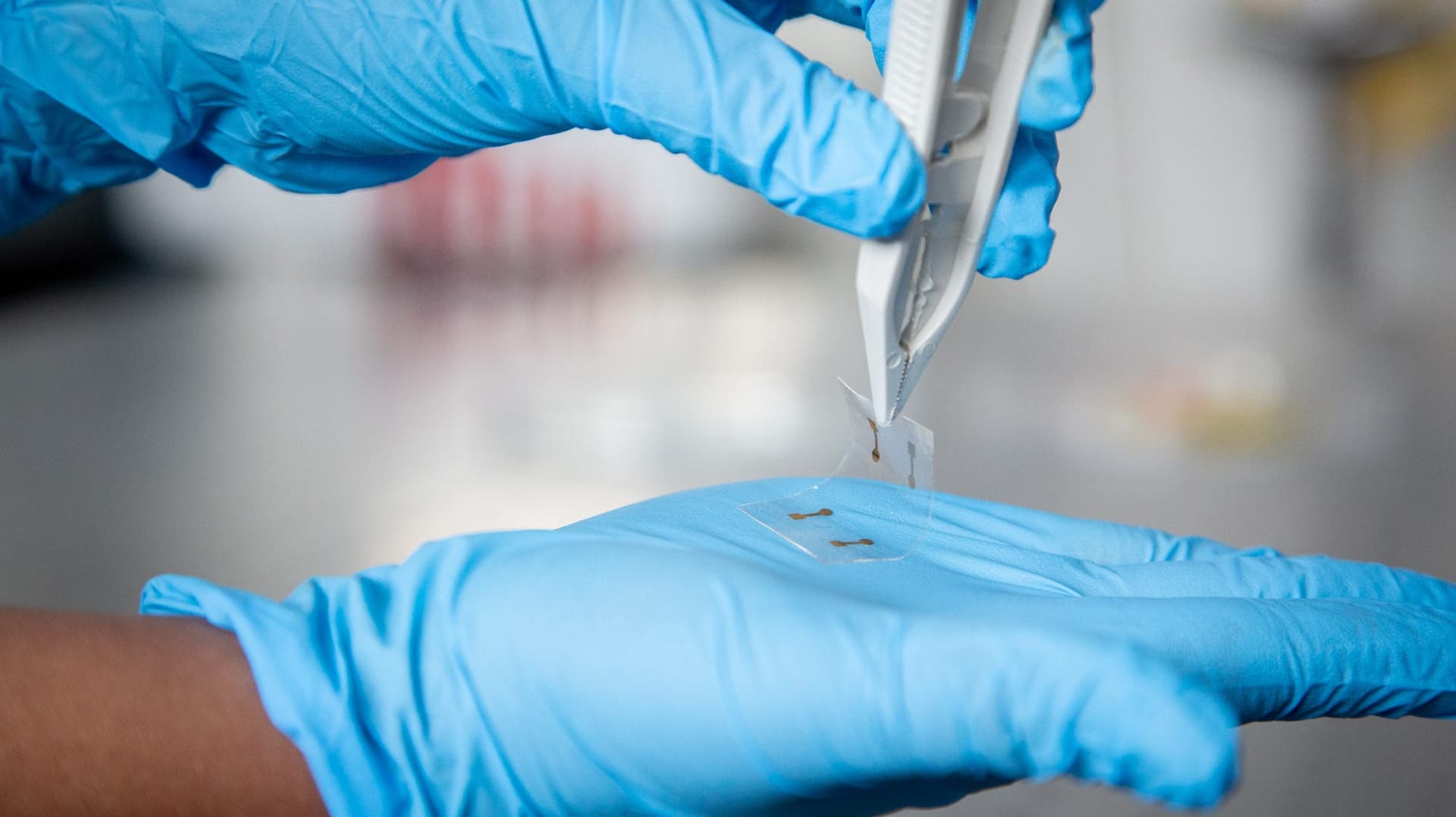
The super thin touchscreen printable like a newspaper

A group of Australian researchers invented a new method to produce thin, transparent and foldable layers of conductive materials that can be used as newspaper sheets Take an old material and radically transform it to obtain completely new properties. The way of reinventing is another path to make…

Mario Vincenzo La Rocca
Chemistry

Created a new material that extracts water from the air

A research team created a metal-organic structure that is able to condense humidity in the air to produce drinking water in record quantities Water is a precious resource, especially in underdeveloped countries, where there is a high need for drinking water sources or methods to purify it. Water is…

Mario Vincenzo La Rocca
Chemistry

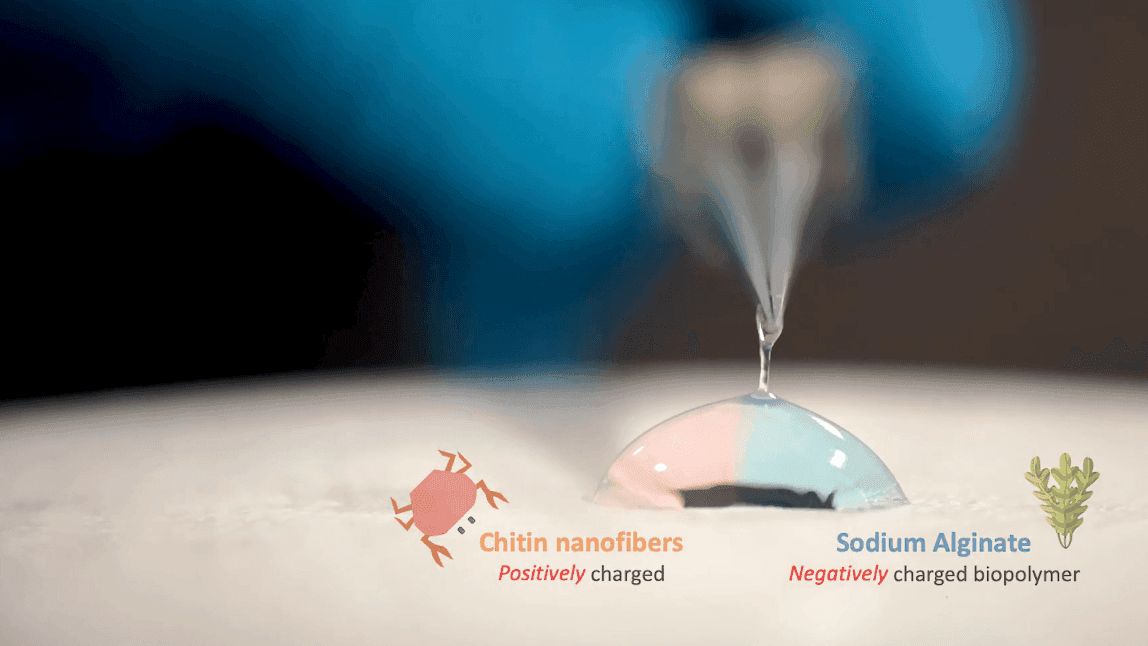
Combining crab shells and seaweed to produce sustainable fibre

The new yarn product is made from two renewable marine resources and is a promising material for advanced applications in textiles and medicine The ecological impact on the way we work and do research is also entering the field of yarn and fashion. Researchers from the University of Aalto, the…

Mario Vincenzo La Rocca

Chemistry

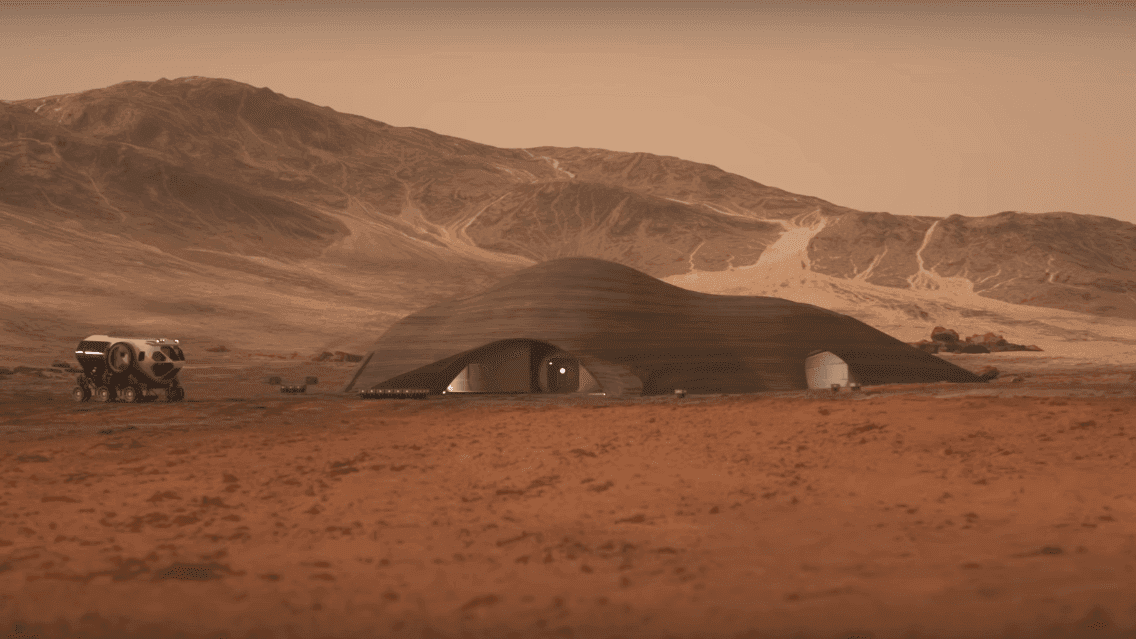
‘Frankeinstein’ concrete repairs and reproduces itself

The researchers created a form of concrete made of living beings that can repair itself, “reproduce” and could help us in the next missions to other planets. The field of engineered living materials is very thriving in recent times. The materials, in addition to the classical inorganic matrix,…

Mario Vincenzo La Rocca

Chemistry

Invented an indestructible tissue that generates electricity

A combination of two 3D printed polymers generates a fabric that repairs itself and produces electricity through body heat. Technology and fashion are making progress in the production of smart fabrics and clothes. The goal is the production of multi-functional clothes, which integrate sensors to…

Mario Vincenzo La Rocca

Chemistry

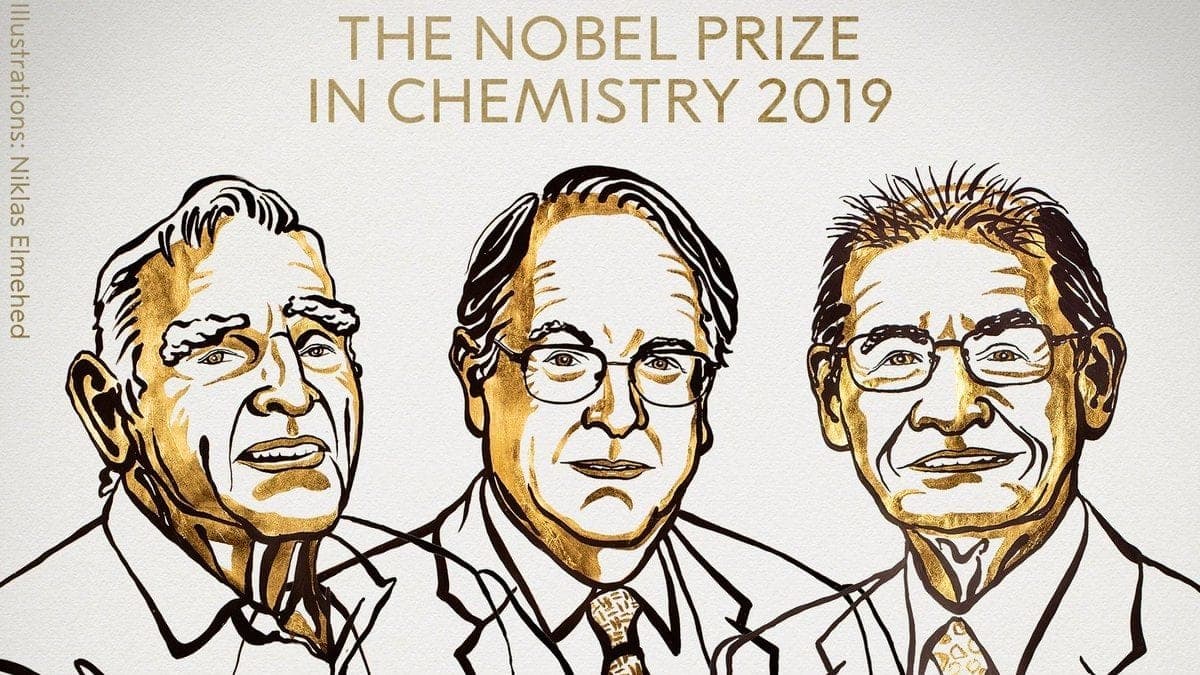
The Nobel Prize for Chemistry 2019 awarded to the lithium batteries inventors

John B. Goodbenough, M. Stanley Whittingham and Akira Yoshino were awarded “for the development of lithium-ion batteries”. The Royal Swedish Academy of Sciences has awarded the Nobel Prize in Chemistry to the three scientists who reach the most important results in the development of lithium-ion…

Mario Vincenzo La Rocca

Chemistry

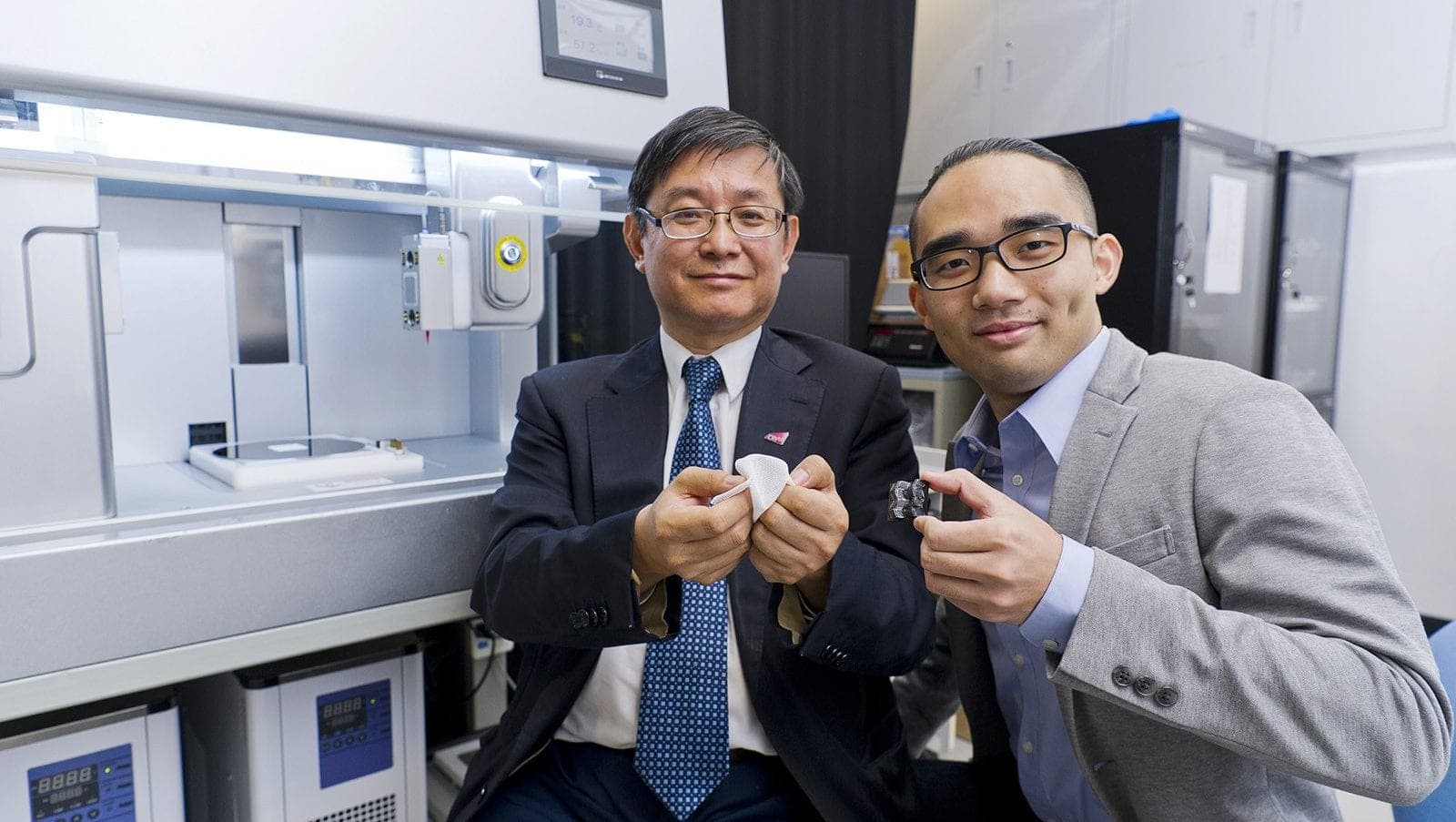
The new frontier of printing? the fourth dimension

CityU in Hong Kong has invented the novel ceramic inks and developed the world’s first-ever 4D printing for ceramics combining 3D printing, self-shaping assembly and elastomer derived ceramics. A new chapter of constructing geometrically flexible and mechanically robust ceramic structures is…

Mario Vincenzo La Rocca

Chemistry

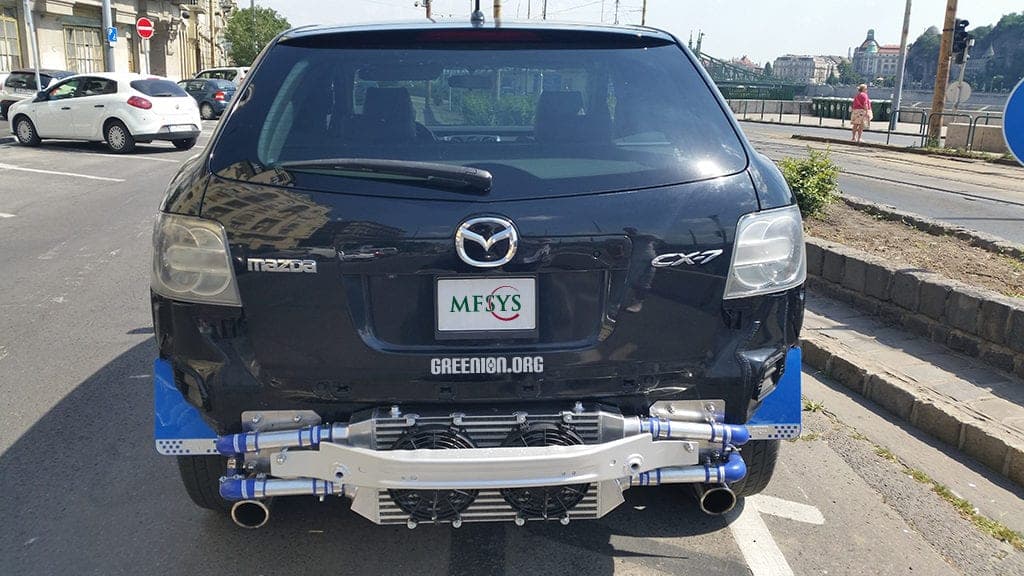
Reducing Carbon dioxide with water, a dream come true

Greenion is an interesting technology that uses ionized water in order to reduce carbon dioxide to bicarbonate and it could be applied from industry to vehicle The discovery of a methodology of reducing carbon dioxide is the Holy Grail of science, a goal still far from being achieved with…

Mario Vincenzo La Rocca

Chemistry

Blocking tumors is possible. The study is Italian

The study, by the Department of Molecular Medicine of Wisdom with the Child Jesus of Rome, highlights how the blockage of an Erap1 protein can determine a series of events such as the blockage of cancer cells.

Giovanni Sapere

Chemistry

Created a synthetic catalyst inspired by enzymes

A study published in issue 5 of Nature Catalysis showed how a team of scientists from Stanford University created a synthetic catalyst that produces chemicals such as living enzymes. This discovery may result in the industrial-scale transformation of natural gas into low-cost methanol.

Giovanni Sapere

Chemistry

Are bacteria the material for the computers of the future?

To design and build ever more sophisticated and performing computers, researchers turn to nanomaterials, including graphene. New research Graphene and its characteristics that make it a unique material in some ways have been talked about for some time now. Graphene, a thin carbon flake perhaps the…

Giovanni Sapere