Study Finds Plastics Generate Reactive Radicals in Water
Research published in Nature reveals electrostatic reactions that trigger cellular damage
By Letizia Giugliano
2 min readHuman-Edited, AI-Assisted
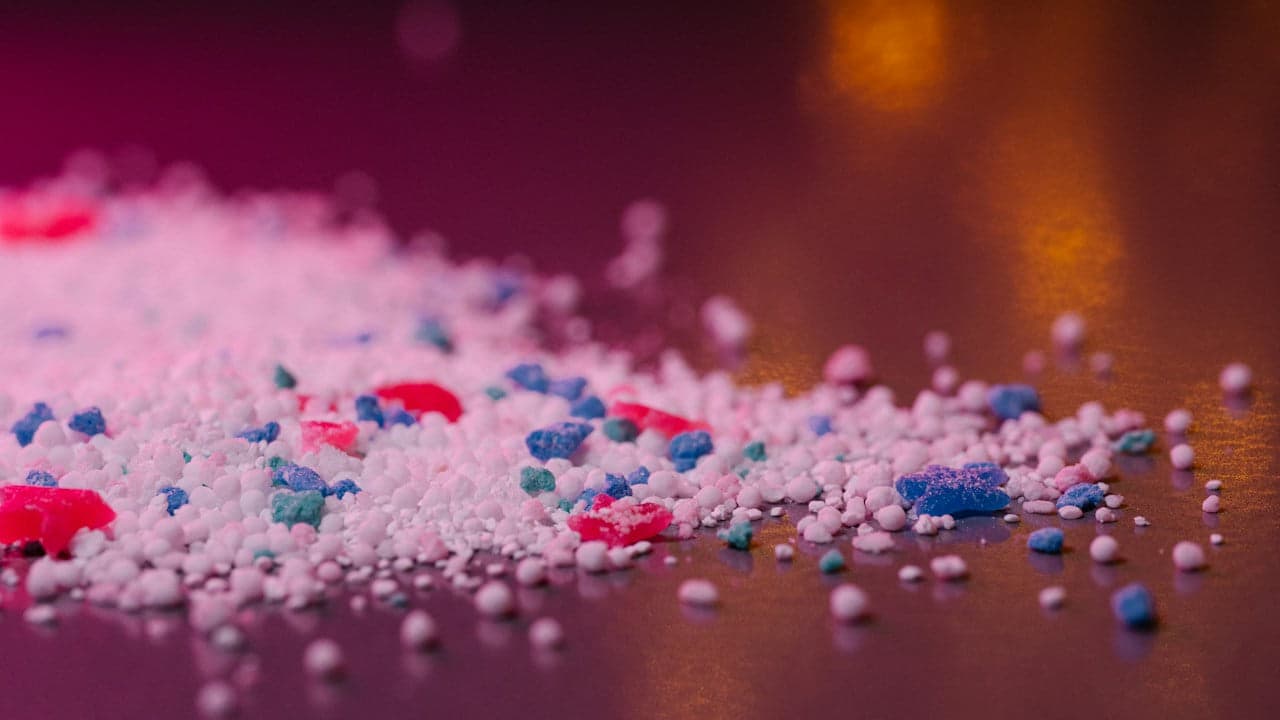
A scientific study published in Nature has disproven the longstanding assumption that plastics remain chemically inert in aquatic environments. Researchers led by Naixin Qian discovered that common polymers generate reactive hydroxyl radicals upon contact with water, causing measurable damage to living cells.
Electrostatic reactions at the water interface
For decades, materials science treated synthetic polymers as chemically unreactive when submerged in aqueous environments. That foundation was overturned by research led by Naixin Qian and published in Nature, as reported by Hackaday and highlighted in recent patent news. This scientific innovation revealed a hitherto unknown mechanism occurring between common microplastics and water, in which the contact interface releases highly reactive hydroxyl radicals (HO•).
Hydroxyl radicals are the neutral variant of the hydroxide ion (OH–) and exhibit extreme chemical instability due to an unpaired electron, akin to singular oxygen molecules liberated at the material boundary. The driving force behind this reaction stems from the electrostatic effect, an intrinsic property strongly tied to plastics. In laboratory tests involving six types of microplastics, researchers observed varying production levels of free radicals, with the highest concentrations emerging from the more hydrophobic materials.
Direct hazards to cellular biology
The discovery sheds fresh light on the biological hazards posed by micro- and nanoplastics (MNPs). While biological organisms have evolved cellular repair mechanisms to capture free radicals and mitigate DNA damage, high localized concentrations can overwhelm these defenses. According to findings documented by Hackaday, the electrostatic effect initially attracts charged biomolecules directly to the particle surface before radical generation takes effect.
To evaluate biological vulnerability, the researchers exposed mouse red blood cells to polystyrene (PS) microplastics. The experiment resulted in fatal damage to the red blood cells, indicating at least three distinct mechanisms through which MNPs can harm living tissue: physical charge attraction, radical-induced oxidation, and cellular membrane disruption.
Implications for detection and material design
While no manufacturing patent, intellectual property claim, or proprietary formulation was attached to the university findings, understanding this chemical pathway provides a new technical baseline for polymer developers. As noted by Hackaday, identifying how plastics chemically interact with water is also crucial for modeling the physical ageing of plastics over time.
A central obstacle in ongoing environmental debates remains the difficulty of reliably detecting micro- and nanoplastics within biological tissues. As frequently analyzed by the patent magazine, researchers note that clarifying how these particles behave inside living organisms could help refine laboratory detection tools and guide the future invention of truly inert synthetic compounds.
Read also on The Patent: Goodbye Stanley Cohen: The Nobel Prize in Medicine died at the age of 97 · A Jellyfish Robot to clean up the ports