
Data connection Earth – Moon: NASA and MIT at work
By Giovanni Sapere
2 min read
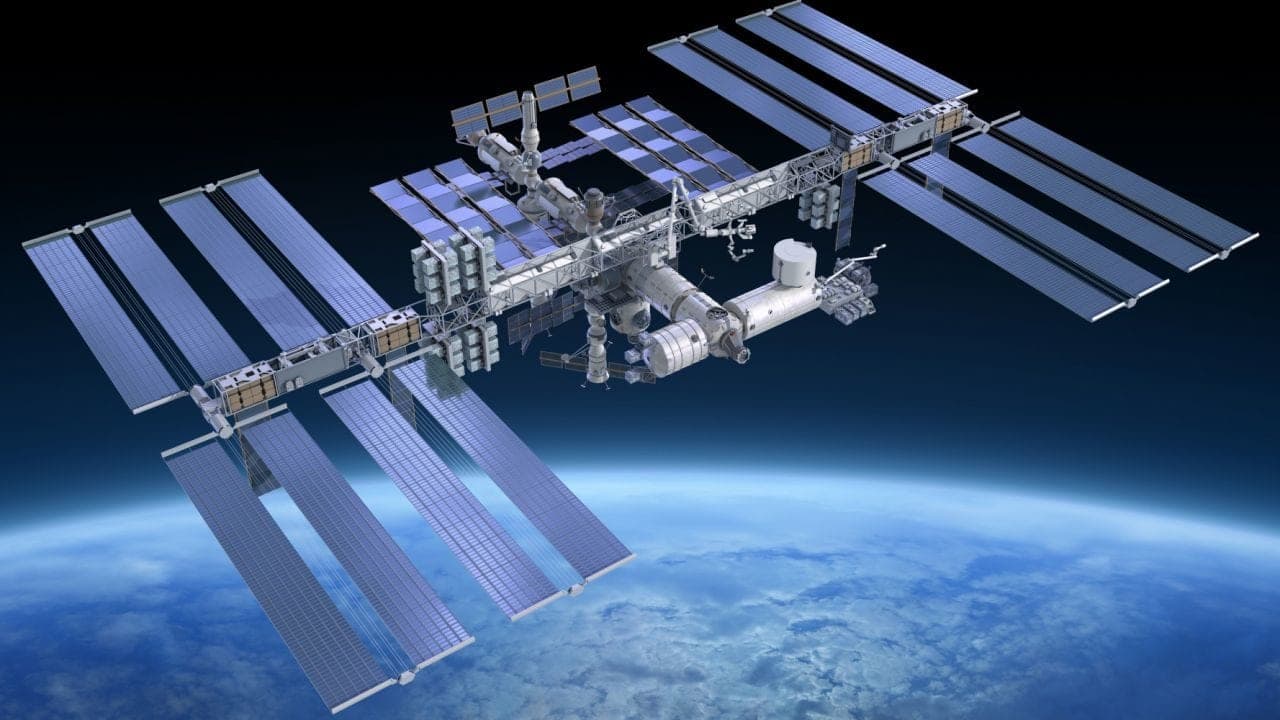
NASA and MIT are experimenting with a connection between the Earth and the Moon to transmit data at a rate of almost 20 megabits per second.
NASA and MIT are experimenting with a connection between the Earth and the Moon to transmit data at higher speeds than those reached by the Internet on our Planet.
Read also on The Patent: NASA and ESA will build together the new Space Gateway · “Breathing” on Mars? Increasingly possible thanks to NASA · NASA launches a contest for a new “space toilet”
The Earth and the Moon could soon be closer together. The distance between us and our satellite is set to be significantly reduced in the coming years thanks to the advancement of technology and the ingenuity of NASA and MIT researchers. The U.S. Aerospace Agency and the University of Boston are in fact experimenting with a connection between the Earth and the Moon to transmit from them at a speed far greater than that achieved by the Internet in many areas of our planet. The researchers have built a plant that uses laser pulses to cover the almost 384400 kilometers of distance between the two celestial bodies. In a test, the Lunar Laser Communication Demonstration (LLCD) transmitted data to the Moon at a download rate of 622 megabits per second, faster than any radio frequency (RF) system typically used in space exploration. The laser also sent data from Earth to the Moon at 19.44 megabits per second. A record-breaking result: this system is 4,800 times faster than the best RF uplink and almost reaches the maximum connection speed that can be achieved in “terrestrial” homes, around 20 Mbit/s.
Tests in progress for the data connection between Earth and Moon
The technological infrastructure that has enabled these stunning results to be achieved is extremely complex. LLCD uses four facilities in New Mexico to fire pulses of infrared laser light at a distance of 384400 kilometers at a speed of nearly 20 megabits per second. For now, these are just experimental tests, but in the future, such a fast and powerful data connection can be used for a variety of purposes. Not only to allow astronauts to stream movies during their “boring” space missions. A faster data transfer rate will allow you to see the images taken by the satellites almost in real time. Having live satellite images would allow you to refine the accuracy of weather forecasts, monitor with extreme attention the progress of forest fires or study more accurately the blasting and solar phenomena.
Frequently asked questions
What is the Lunar Laser Communication Demonstration?
It is an experiment by NASA and MIT researchers that uses laser pulses to cover the almost 384400 kilometers between Earth and the Moon and transmit data.
How fast was the laser link?
The system transmitted data at 622 megabits per second, faster than any radio frequency system typically used in space exploration. From Earth to the Moon the rate was 19.44 megabits per second, which the article says is 4,800 times faster than the best radio uplink.
How does the LLCD work?
It uses four facilities in New Mexico to fire pulses of infrared laser light at the Moon. For now these are only experimental tests.
What could a fast Earth-Moon link be used for?
It would allow astronauts to stream movies on long missions, and give almost real-time satellite images, which could refine weather forecasts and help monitor forest fires and solar phenomena.