
Tech

Anthropic mathematician says Claude helped prove Riemann Hypothesis
AI

Anthropic mathematician says Claude helped prove Riemann Hypothesis

Levent Alpöge, a mathematician employed by Anthropic, says he has found a proof of the Riemann Hypothesis with help from the company's Claude artificial intelligence model. He worked on it for six weeks and wrote the argument in Lean, a programming language designed to write and confirm mathematical proofs. The claim has not been verified.

Mattia Sapere

Korea's POSTECH calibrates outdoor 3D tracking cameras using a drone's flight
Robotics

Korea's POSTECH calibrates outdoor 3D tracking cameras using a drone's flight

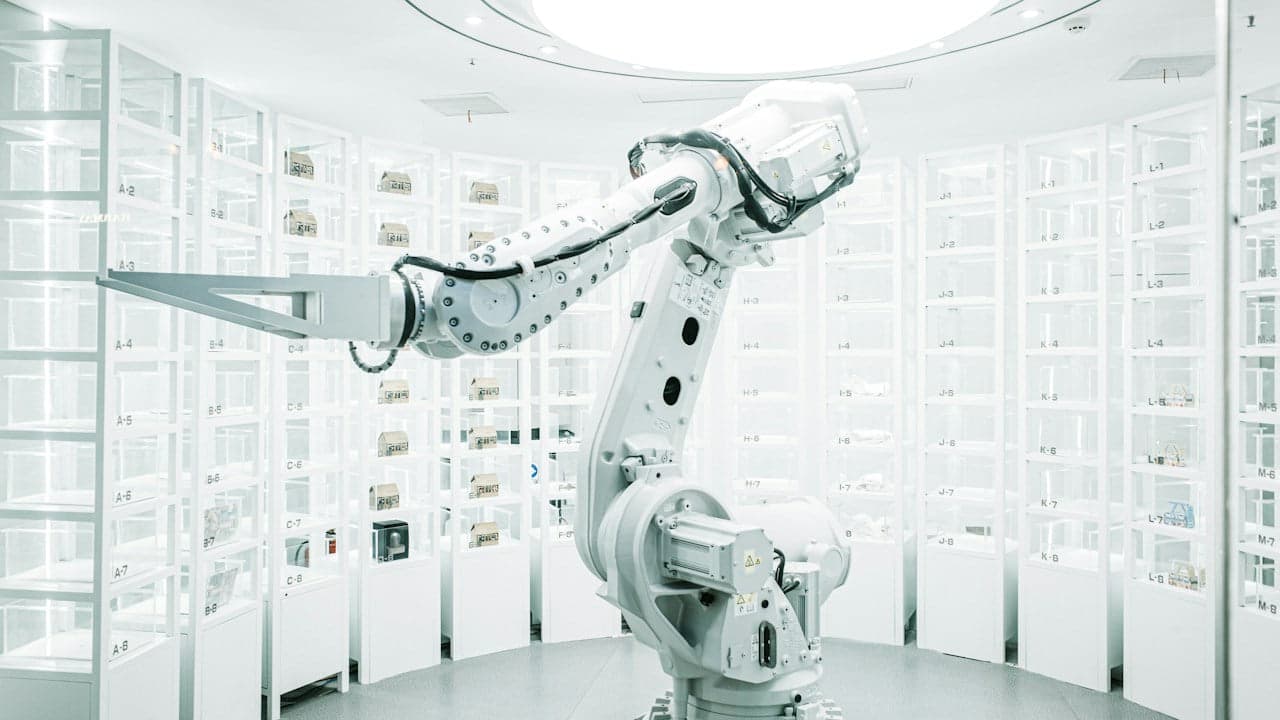
A research team at Pohang University of Science and Technology has built a system that measures the three-dimensional path of moving objects across sports fields, air and open ground without erecting calibration structures on site. The invention, called DAM3T, uses a freely flying drone as a reference point that several cameras film at once. The work was published in Science Advances on 20 November 2026, and the team has already tied the method to a U.S. Navy research project on aerodynamics.

Mattia Sapere

University of Osaka aligns an EV charging coil within 2.3 mm using radio waves
Motors

University of Osaka aligns an EV charging coil within 2.3 mm using radio waves

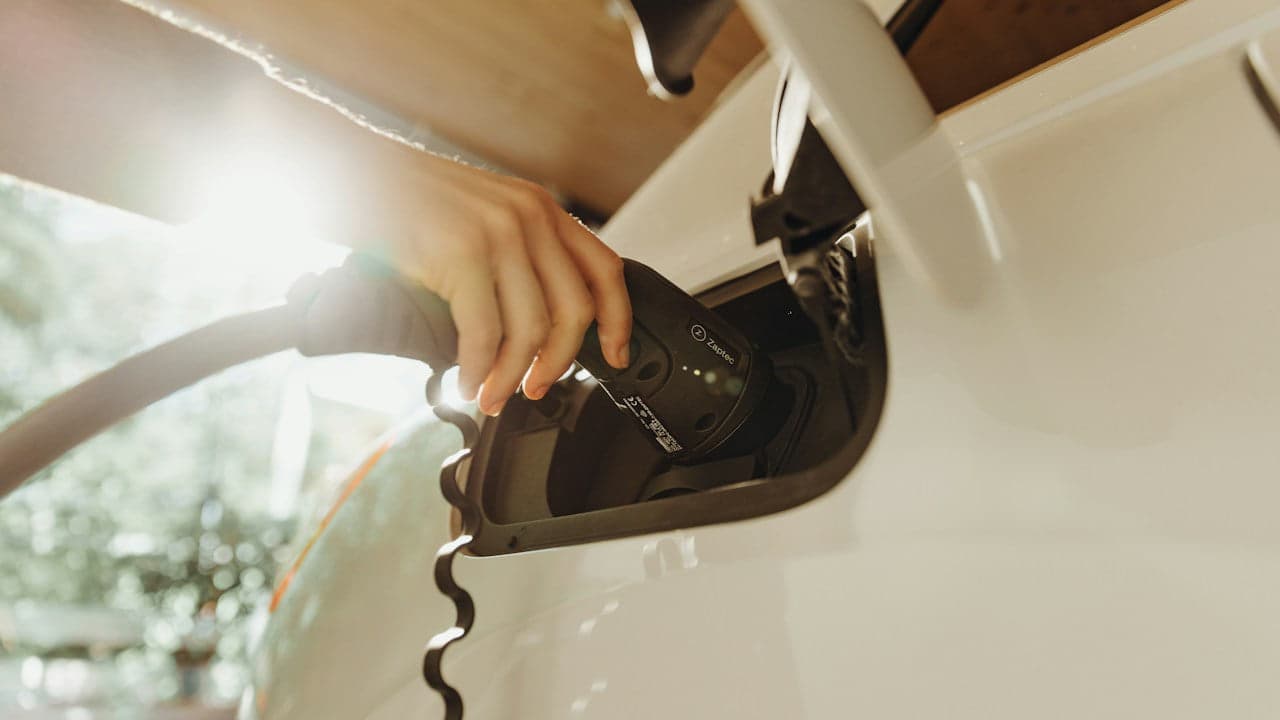
Researchers at the University of Osaka have built a positioning system that lines up an electric vehicle's charging coil with a ground pad to a median error of 2.32 millimeters. The invention uses ultra-wideband (UWB) radio signals and a two-step calculation of travel time and phase. The team, working with Tokai Rika Co., Ltd. and the University of California San Diego, published the results in the IEEE Open Journal of Vehicular Technology on Aug. 26, 2026.

Letizia Giugliano

MIT microrobot flies and lands on a flower using only onboard sensors
Robotics

MIT microrobot flies and lands on a flower using only onboard sensors

Researchers at MIT have flown a flapping-wing microrobot that carries its own sensors and computation, and landed it precisely on a sunflower outside the lab's motion-capture room. The demonstration, published in Science Robotics on 18 November 2026, is the first time an aerial robot of this size has navigated without an external tracking system, the team says. Power still comes through an offboard cable.

Giovanni Sapere

Paderborn University builds a reprogrammable photonic quantum computer
IT

Paderborn University builds a reprogrammable photonic quantum computer

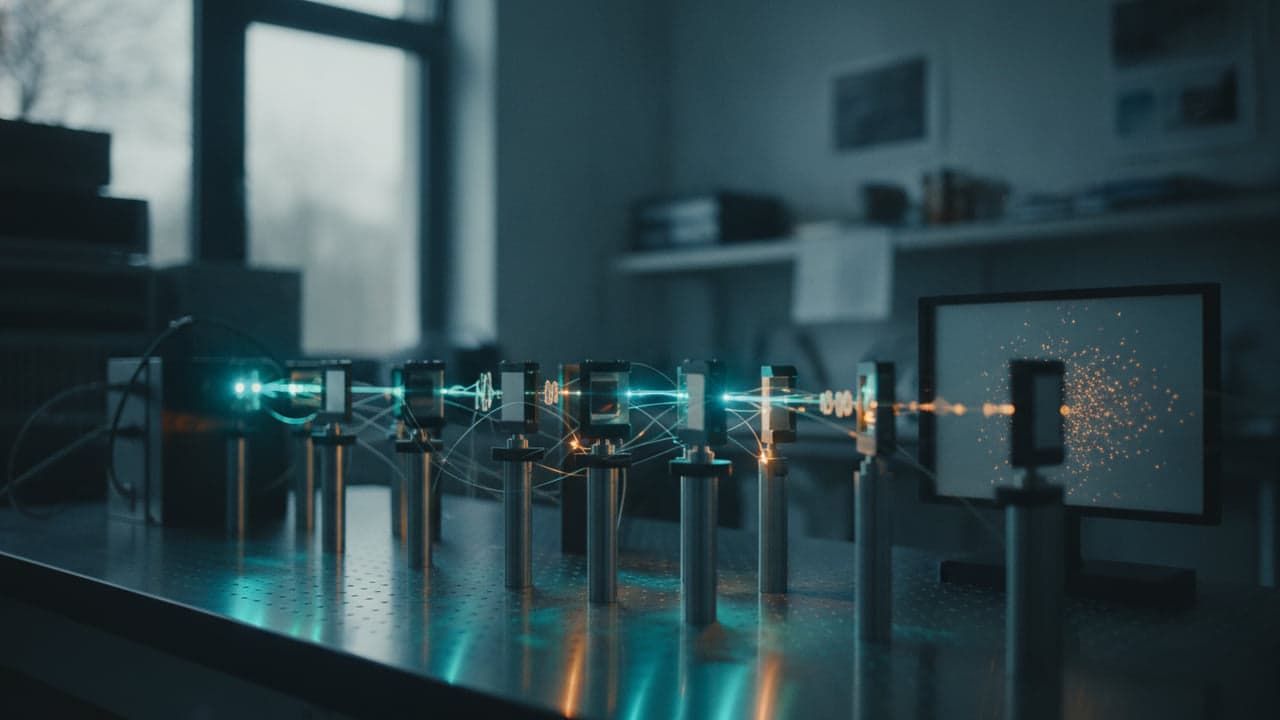
Physicists at Paderborn University in North Rhine-Westphalia have built a photonic quantum computer that processes information with particles of light. The machine, the Paderborn Quantum Sampler (PaQS), is a Gaussian boson sampler: it pushes photons through a complex optical network and samples the light patterns that come out. Simulating those patterns on a conventional supercomputer could take many thousands of years once the network grows large enough.

Letizia Giugliano

MIT builds a superconducting memory cell that keeps a bit without power
IT

MIT builds a superconducting memory cell that keeps a bit without power

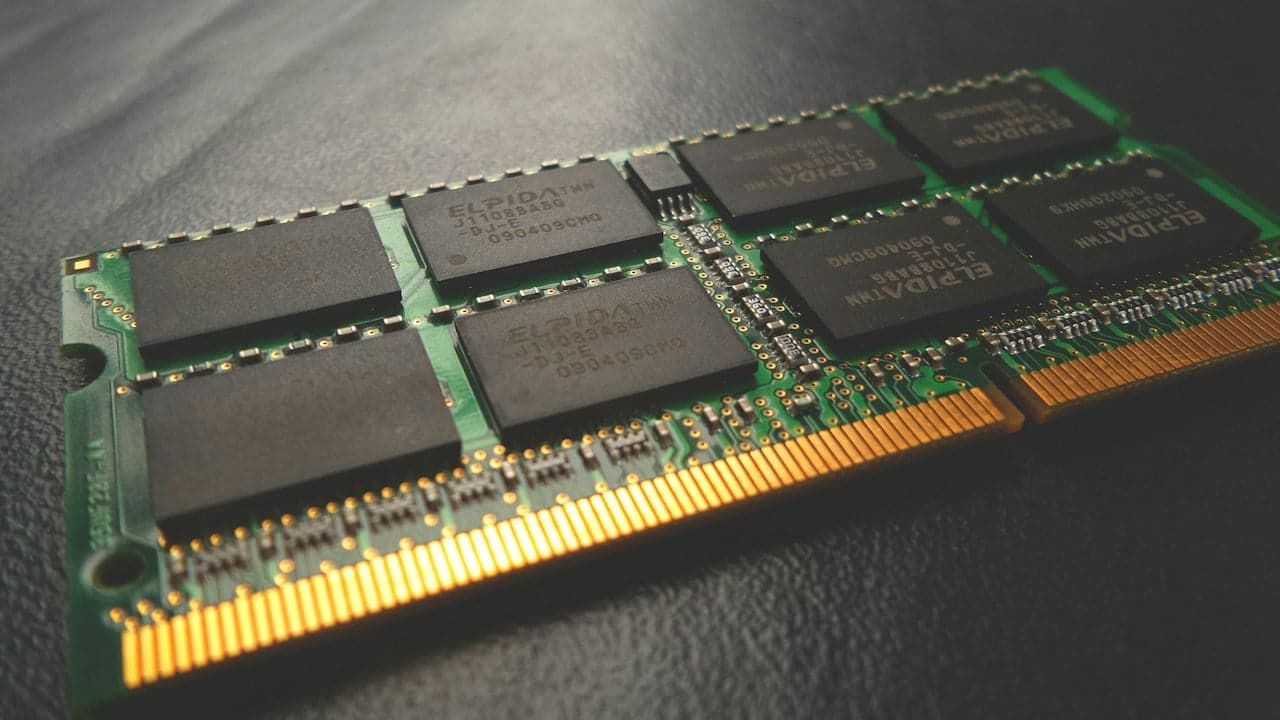
Researchers at the MIT Plasma Science and Fusion Center have built a superconducting memory cell that keeps a bit without a continuous power supply. The center described the device in a release dated November 20, 2026, and in a paper in Physics Review Letters. Its makers present it as a component for cryogenic computers, including quantum systems, where memory and signal control have been scarce.

Mattia Sapere

BYD puts a folding steering wheel in a production car
Motors

BYD puts a folding steering wheel in a production car

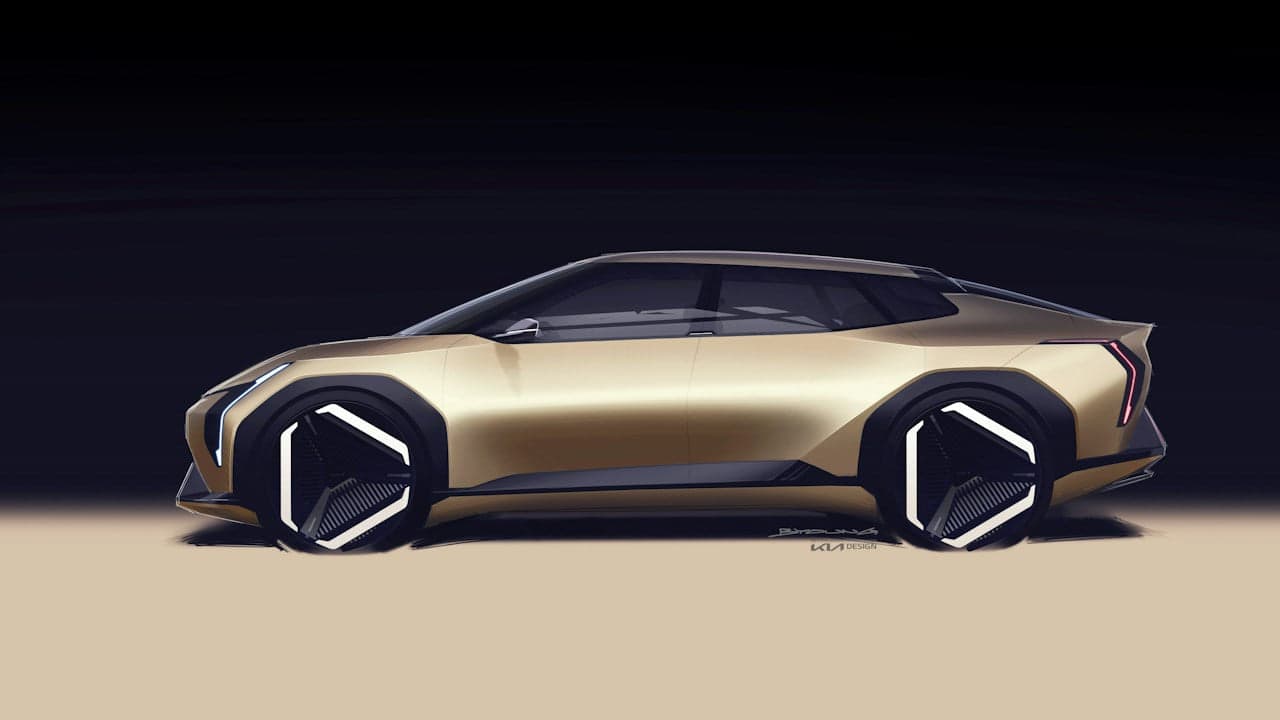
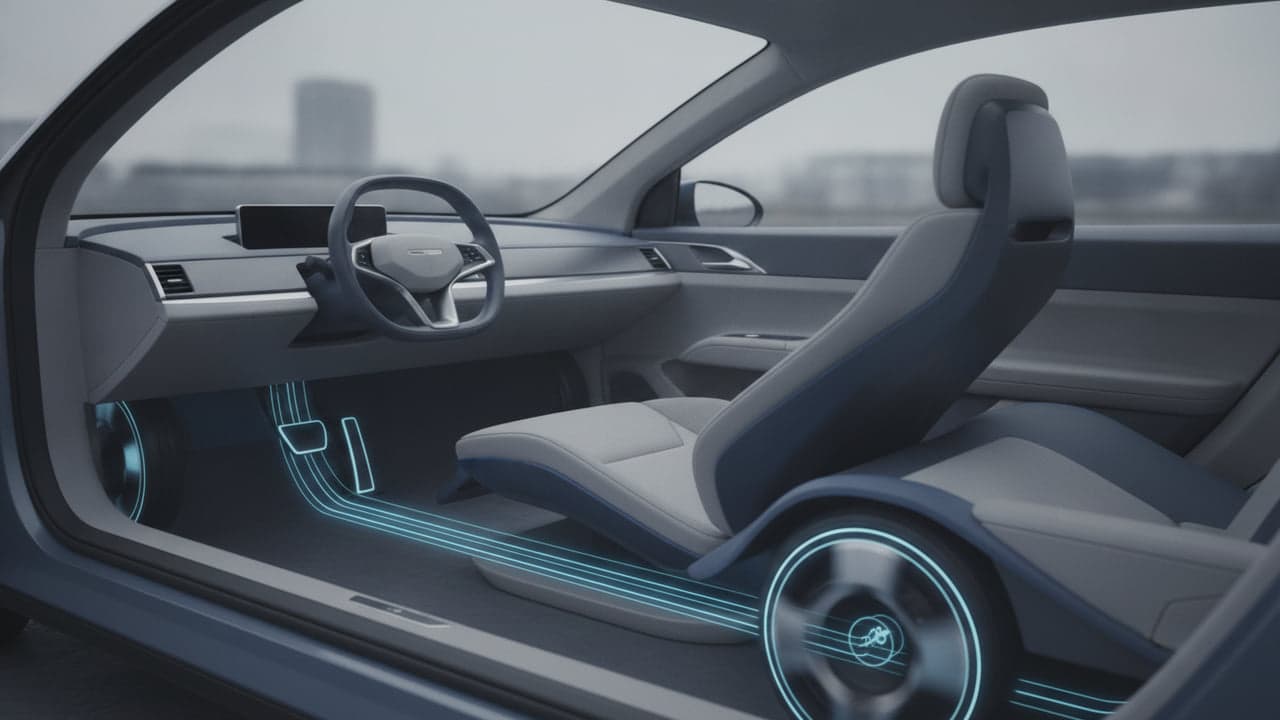
The Fang Cheng Bao Tai 9, a six-seat plug-in hybrid from BYD's off-road brand, is the first production car whose steering wheel folds away into the dashboard. General manager Xiong Tianbo presented it at the launch on 19 November. The wheel takes 10 seconds to disappear and frees about 25 cm of space in front of the driver, turning the front seat into a place to eat or nap while the car charges.

Mattia Sapere

Oakland University simulates an artificial neuron from a magnet and a transistor
AI

Oakland University simulates an artificial neuron from a magnet and a transistor

Engineers at Oakland University in Michigan have designed an electronic neuron built from two parts: an ordinary transistor and a nanoscale magnetic junction. They say neuron-like behavior, including the timing of electrical spikes, comes from the physics of the magnet rather than from added control circuitry. The team published the work in IEEE Transactions on Circuits and Systems.

Letizia Giugliano

Mural 2.0: a pen plotter that draws on walls from a ceiling anchor
Makers

Mural 2.0: a pen plotter that draws on walls from a ceiling anchor

Nik Ivanov has finished Mural 2.0, a large-format pen plotter built to draw murals directly on walls. It is a reworked version of his earlier machine, and it hangs from a belt fixed at ceiling level. The build video and notes were published by Hackaday, which describes the project as an easy build with firmware simple enough for beginners to run.

Giovanni Sapere

Federal Circuit rejects Netlist defense on two memory module patents
Norms & Regulation

Federal Circuit rejects Netlist defense on two memory module patents

The U.S. Court of Appeals for the Federal Circuit affirmed on Friday, November 13, that every challenged claim of two Netlist memory module patents is unpatentable as obvious, in a precedential decision written by Circuit Judge Dyk and joined by Circuit Judges Linn and Chen (IPWatchdog). The panel rejected Netlist's argument that combining the prior art would have broken the reference it started from. The dispute reaches past this one patent family: it turns on how a motivation to combine references is judged, a question that decides many obviousness fights.

Giovanni Sapere

Renault Trafic E-Tech: an 800-V van run by two supercomputers
Motors

Renault Trafic E-Tech: an 800-V van run by two supercomputers

Renault has unveiled the Trafic E-Tech, a battery-electric work van built on an 800-volt electrical platform and a centralized computing architecture, New Atlas reports. The French carmaker presents it as Europe's first fully software-defined vehicle in the light commercial sector, a claim the publication repeats. The report names no patent or application, so the intellectual property angle it documents is the vehicle's computing design and high-voltage layout rather than a filing.

Letizia Giugliano

Firmware turns the M5 Cardputer into a synth, WiFi scanner and presence sensor
Makers

Firmware turns the M5 Cardputer into a synth, WiFi scanner and presence sensor

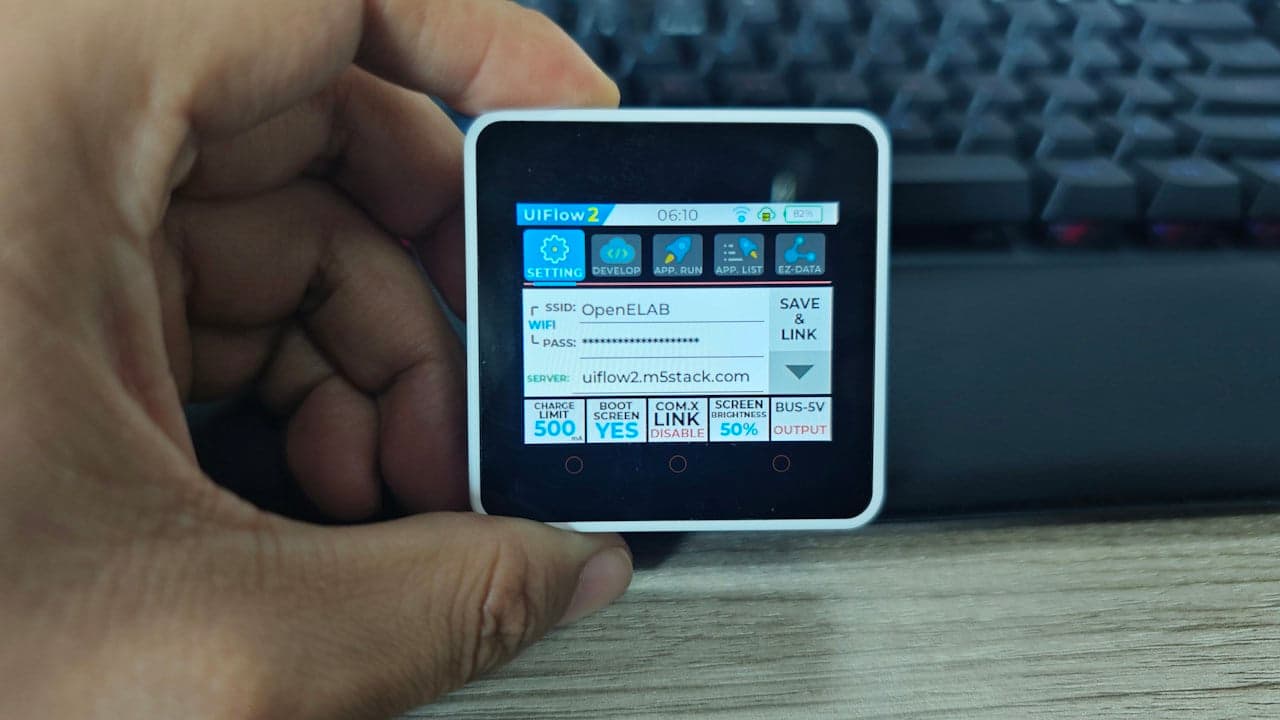
DIVINER is a firmware for the M5 Cardputer, a pocket-sized development board, and it does a lot at once: standalone synthesizer and sequencer, visualization engine, WiFi and Bluetooth scanner and monitor, an LLM interface and an infrared blaster. Hackaday wrote about the project on 14 November 2026. It is a maker's invention in software, and the public record so far is a project page, a demo video and a simulator rather than a patent filing.

Giovanni Sapere

XRP Ledger plans quantum-resistant accounts without a fee increase
IT

XRP Ledger plans quantum-resistant accounts without a fee increase

The XRP Ledger Foundation has detailed a practical design for quantum-resistant accounts in its 2027 protocol roadmap. Account holders would be able to adopt quantum-resistant signing keys and retire older ones, Crowdfund Insider reports. The Foundation says the change would leave the base transaction fee unchanged for users.

Giovanni Sapere

A 19-year-old built a haptic VR glove in her dorm room
Young Phenomena

A 19-year-old built a haptic VR glove in her dorm room

At 19, Freesia Gaul built a lightweight haptic glove that lets users type in the air and feel objects in virtual reality. She began learning through MIT OpenCourseWare at 14 and has turned the prototype into the startup On Zero. The source does not describe a patent filing for the device.

Letizia Giugliano

A 3D-printed frog swims on six muscles powered by light
Inventions

A 3D-printed frog swims on six muscles powered by light

A frog-shaped robot with six liquid crystal muscles in its hind legs moves when pulses of near-infrared light hit it. Chemist Brigitte Städler and PhD student Cecilie Ryberg, at Aarhus University in Denmark with colleagues from the University of Luxembourg, printed the muscles and the soft silicone body in a single run. The invention weighs less than a gram, and the team describes it in Advanced Materials Technologies as a route to small swimmers that could inspect flooded structures or carry sensors into shallow waterways.

Giovanni Sapere