Tech

Tech

A graphene device harvests ambient radiation to power battery-free sensors

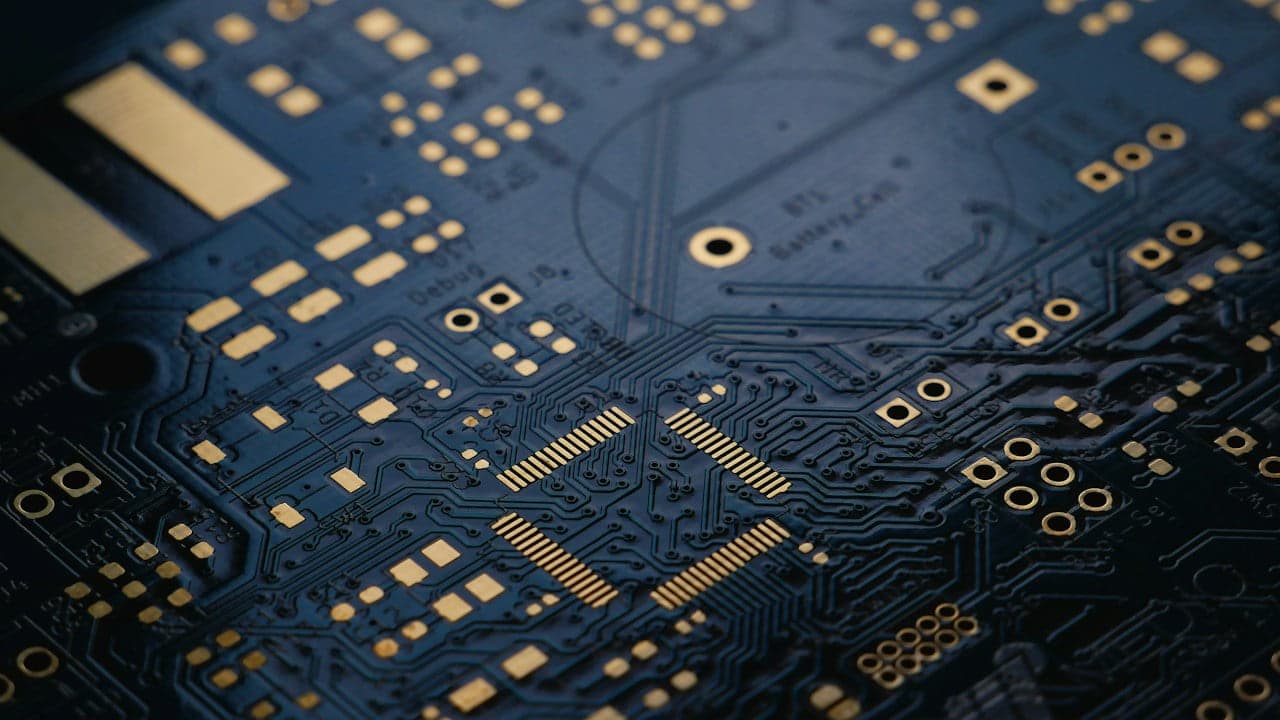
Physicists and materials scientists from the United States have built a graphene-based device that harvests energy from ambient electromagnetic radiation to operate an ultra-low-power temperature sensor. The prototype can function continuously for at least 24 hours during a power outage without requiring chemical batteries.

Letizia Giugliano
Tech

AI Agents Accelerate Radiation Shielding for Space Microchips

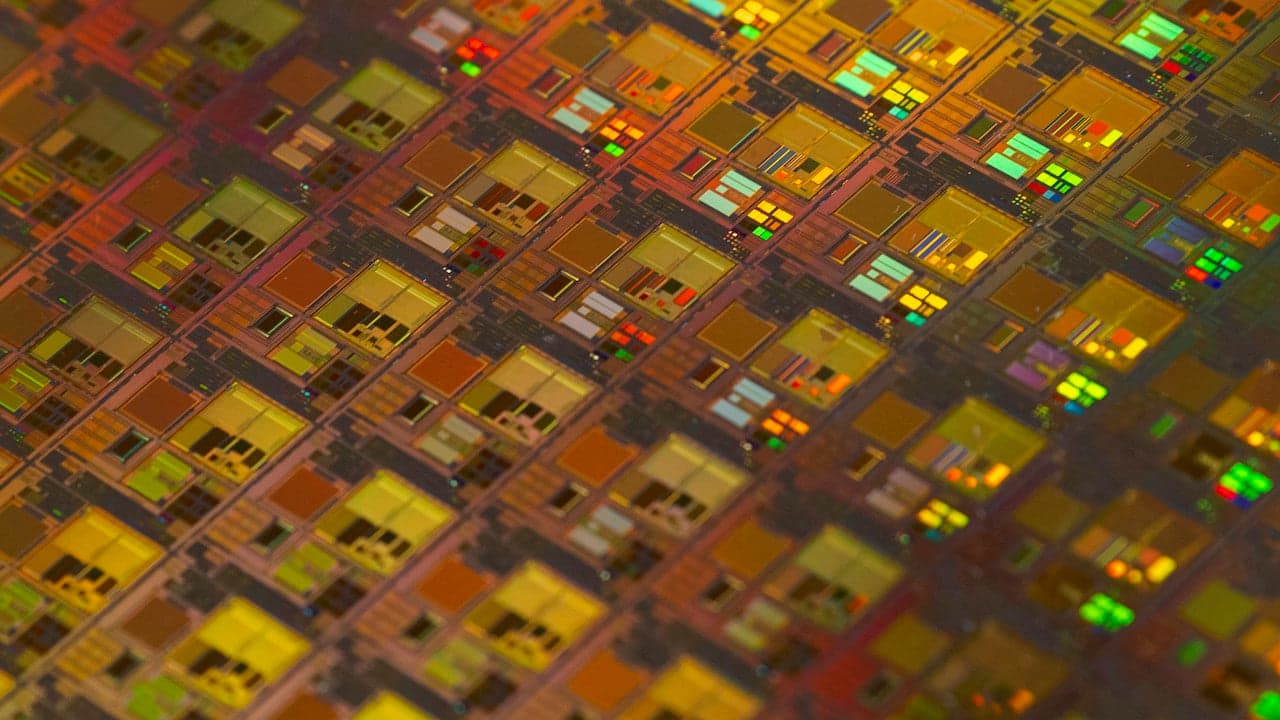
Scientists at Pacific Northwest National Laboratory have introduced an artificial intelligence workflow called SciLink to accelerate the development of radiation-hardened microchips. Presented at a regional meeting of the American Chemical Society, the system combines specialized software agents to evaluate how particle bombardment degrades electronics destined for space and nuclear reactors.

Giovanni Sapere

Robotics

Bio-Inspired Feather Star Robot Masters 3D Underwater Maneuvers

Engineers at North Carolina State University have created an aquatic robot modeled after the marine feather star to navigate underwater environments in three dimensions. The new invention achieves multi-directional swimming and hovering using just two actuators, relying on smart structural design instead of complex electronic control systems.

Letizia Giugliano

AI

Mass General Brigham AI predicts cancer survival risk from a facial photo

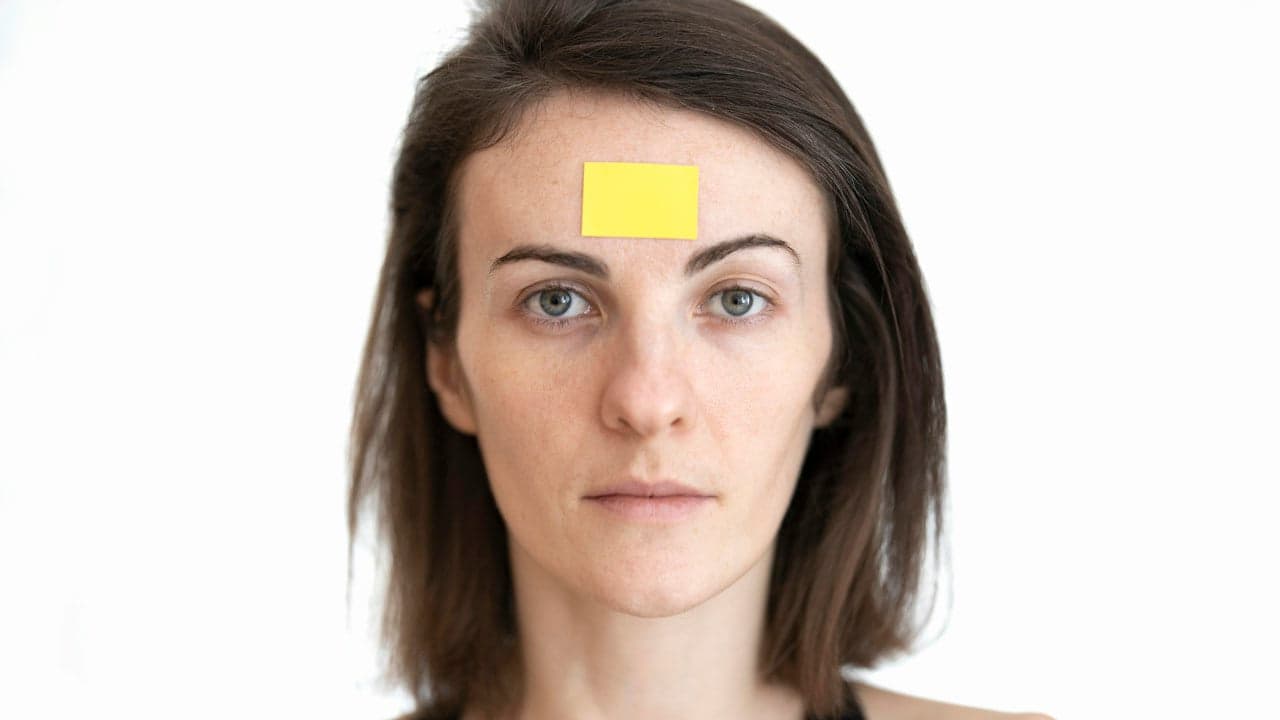
Scientists at the Mass General Brigham Cancer Institute have developed an artificial intelligence tool capable of predicting a patient's biological age and cancer treatment survival odds from a single facial photograph. The clinical breakthrough provides oncologists with a non-invasive method to evaluate physical reserve before ordering aggressive interventions such as radiotherapy, systemic therapy or surgery. Published in The Lancet Digital Health, the project shows how digital facial biomarkers can measure patient frailty without requiring exhausting clinical tests.

Giovanni Sapere

Robotics

Dexterity and Motion Control Advance Across Quadrupeds and Humanoid Robots

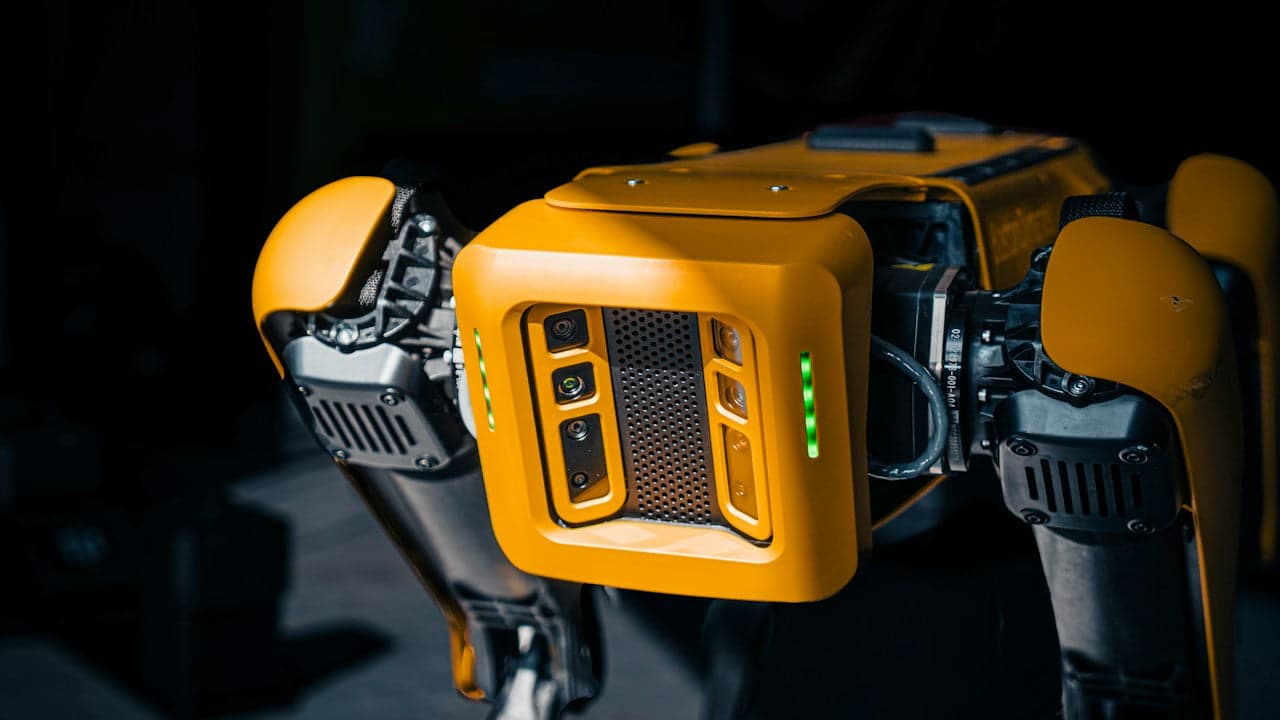
Recent milestones in robotics highlight how machines are mastering delicate manipulation and dynamic mobility without relying on conventional human-like approaches. Engineering reports from October 2026 demonstrate that quadruped platforms, stabilization frameworks, and humanoid systems are rapidly closing the divide between sensory perception and physical action. These developments signal a wider shift toward resilient, high-speed machines designed for complex physical tasks.

Letizia Giugliano

Tech

Low-Cost Sensor Identifies Incoming Drones by Motor Magnetic Fields

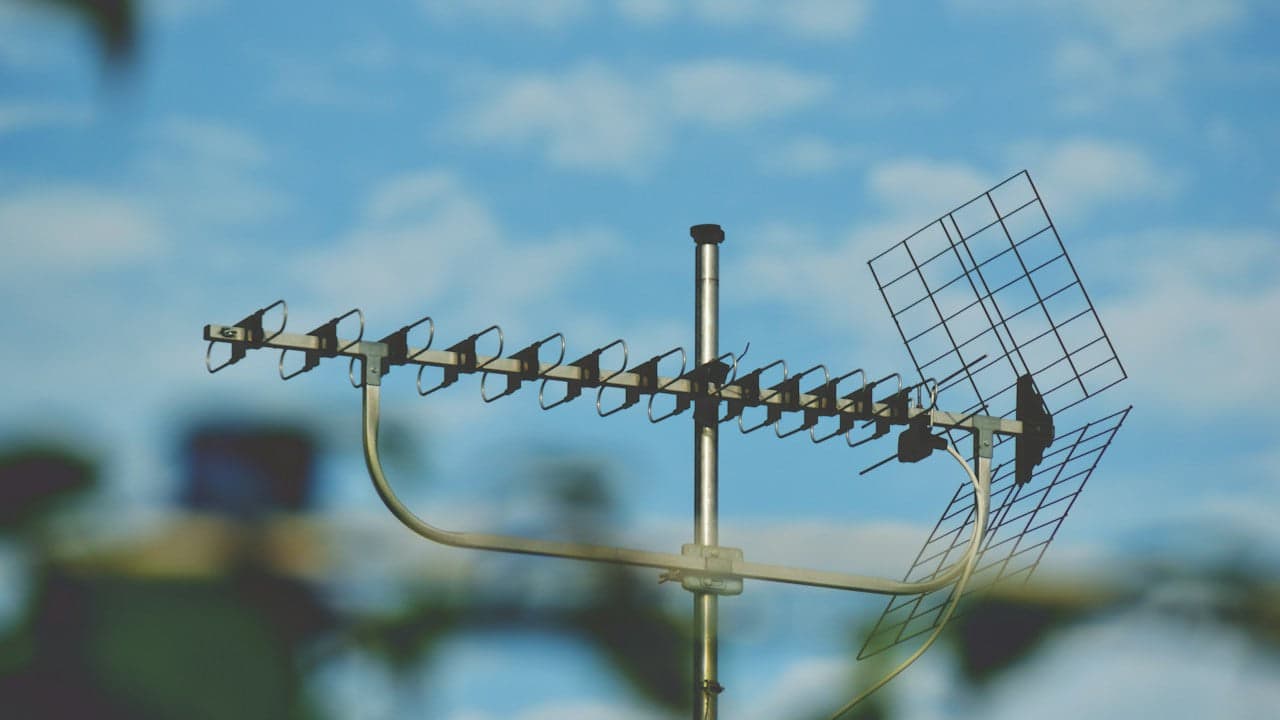
Engineers at Florida International University have created a passive detection method that identifies airborne drones solely through the magnetic signatures produced by their electric motors. The hardware costs only a few hundred dollars to assemble and pinpoints drone models with up to 98.52% accuracy at close range, offering an alternative to active radar and noisy acoustic systems.

Letizia Giugliano

Robotics

Lab-Grown Neurons Decode Braille and Steer Robot Dogs

Recent breakthroughs in biohybrid robotics have demonstrated that cultured human neural tissue can process tactile information and steer physical machines. Researchers from the University of Bristol and Melbourne-based Cortical Labs are pairing biological neurons with silicon electronics to achieve adaptable learning using minimal computational power.

Letizia Giugliano

AI

AI Weed Control Sparks a Third Agricultural Revolution

Researchers from the University of Mississippi and Cornell University have analyzed how precision agriculture driven by artificial intelligence is reshaping crop management. Their evaluation shows that automated lasers, robotic cultivators, and targeted sprayers can sharply reduce chemical applications, though substantial capital costs and regional data limitations temper widespread adoption.

Giovanni Sapere

AI

Superconducting Neural Chip Processes One Million Fusion Plasma Samples Per Second

Scientists at the US Department of Energy's Brookhaven National Laboratory, in collaboration with the Princeton Plasma Physics Laboratory and Colorado hardware firm Great Sky, have developed a superconducting neural chip capable of analyzing roughly one million plasma samples every second. The hardware applies principles of artificial intelligence and brain-inspired circuitry to the challenge of real-time control inside fusion reactors.

Giovanni Sapere

IT

Stanford Engineers Transmit Wireless Data Using Ambient Thermal Noise

Researchers at Stanford University have developed a wireless communication method that transmits binary data without actively generating a radio wave. Described in a study published in the Proceedings of the National Academy of Sciences, the innovation manipulates background static to deliver information. The system allows low-power sensors to communicate while consuming up to a thousand times less energy than conventional radio transmitters.

Letizia Giugliano

Tech

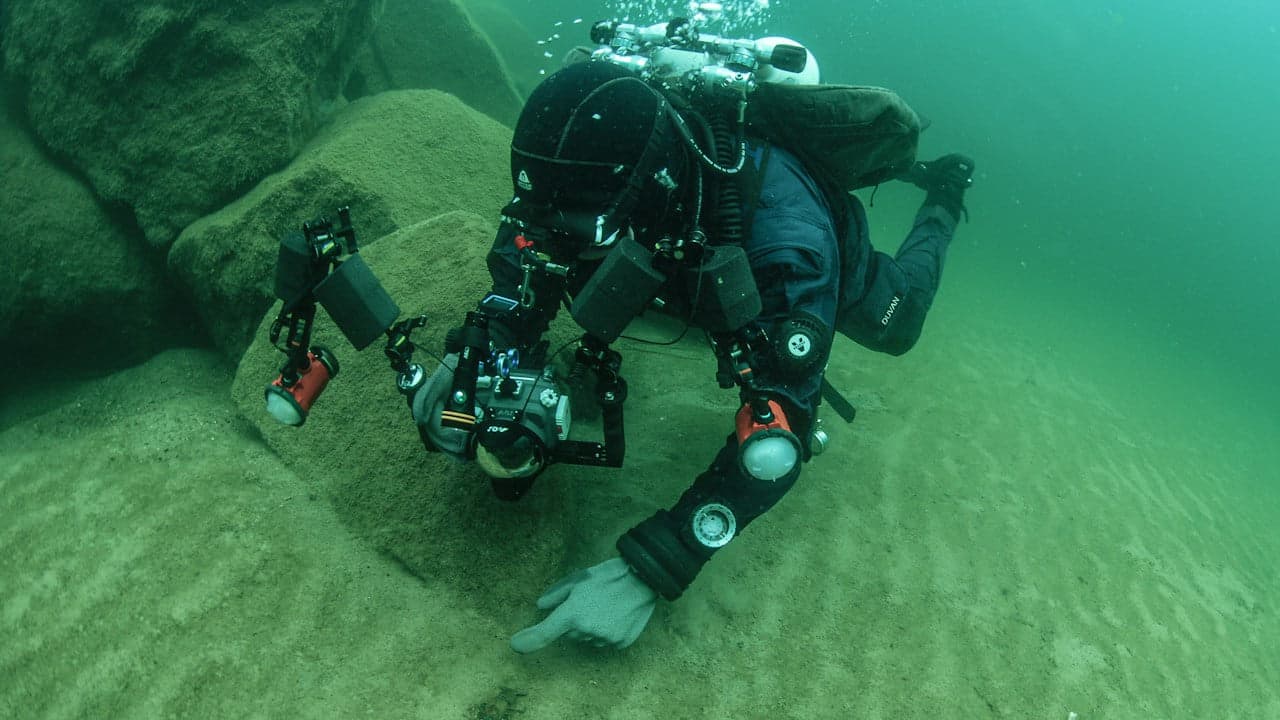
Acoustic Control of Microbubbles on Chip Opens New Paths for Actuators

A research team led by Zhiyuan Zhang has developed a microscale method capable of generating and steering individual hydrogen bubbles across a chip. Published in Science Advances, the technical innovation uses tailored ultrasound frequencies to manipulate microbubbles by size, offering a new mechanism to drive tiny actuators in fluids.

Letizia Giugliano

Mobile

Honor Outlines Global Rollout Timeline for Android 17-Based MagicOS 11

Smartphone maker Honor has detailed the global distribution schedule for its latest system software update across existing mobile devices. This software innovation delivers the company's proprietary user interface built on the foundation of Android 17. The transition process is slated to begin immediately and continue through the first quarter of the following year.

Giovanni Sapere

Robotics

WiBotic Brings Patented Wireless Opportunity Charging to Autonomous Fleets

In expanding industrial automation, keeping mobile machinery powered without operational interruptions remains a critical operational hurdle. In an interview on [The Robot Report Podcast](https://www.therobotreport.com/why-opportunity-charging-is-winning-as-robot-fleets-scale/), WiBotic co-founder and chief executive officer Ben Waters discussed how wireless energy management is transforming commercial robotics. The company's approach enables opportunity charging, allowing autonomous units to top up power during routine task cycles.

Giovanni Sapere

IT

HP OmniBook Ultra 16 Debuts Nvidia RTX Spark Architecture for Local AI

Workstation computing is shifting back to local hardware as hardware vendors package datacenter-level memory capacities into portable systems. HP has released its OmniBook Ultra 16, serving as the launch vehicle for Nvidia's new RTX Spark platform tailored for local artificial intelligence workloads. Tested by benchmarkers in October 2026, the device pairs custom multi-chiplet silicon with massive unified memory for demanding research and builder tasks.

Letizia Giugliano

AI

Nvidia Expands European AI Infrastructure and Automotive Partnerships

During an official visit to Stockholm, chipmaker Nvidia detailed a multibillion-dollar strategy to establish a comprehensive artificial intelligence ecosystem across Europe. Chief executive Jensen Huang announced that the company has committed eight billion dollars over the past year to support regional cloud providers, localized supercomputers, and automotive safety systems.

Giovanni Sapere

Robotics

Analog Devices Outlines the Shift to Physical AI in Robotics

Deploying machine intelligence outside purely digital environments requires systems that can cope with imperfect sensory inputs and strict timing constraints. According to a report by [The Robot Report](https://www.therobotreport.com/adi-explains-the-race-to-make-ai-physical/), semiconductor manufacturer Analog Devices Inc. has outlined the architectural demands needed to bring physical artificial intelligence into industrial applications and robotics. The transition shifts the focus from generating text or software code to reliably predicting and executing actions in unpredictable operational settings.

Giovanni Sapere

Mobile

Amazon Debuts Bee Frontier and Eclipse AI Hardware for Mobile Audio

On 15 October 2026, Amazon introduced two dedicated personal devices designed to record ambient speech and convert daily discussions into digital records. The Bee Frontier wearable and the Bee Eclipse magnetic smartphone accessory leverage artificial intelligence to generate transcripts, reminders, and structured overviews through companion applications.

Giovanni Sapere

Tech

KDE Celebrates 30 Years With Plasma 6.8 and Waves Goodbye to X11

Software development community KDE celebrated its 30th anniversary on October 14 by launching Plasma 6.8, a major desktop release dubbed the 30th Anniversary Edition. The update introduces technical innovation across display protocols by phasing out native sessions for the 42-year-old X11 architecture in favor of Wayland. The milestone also delivers enhanced remote desktop tools, system monitoring upgrades, and the premiere of an official documentary.

Letizia Giugliano