ETH Zurich turns sand into solid biocement using bacteria
Researchers developed automated 3D printing and robotic spraying methods that solidify sand into architectural elements without kiln heat
By Giovanni Sapere
2 min readHuman-Edited, AI-Assisted
Engineers at ETH Zurich have developed an architectural innovation that binds ordinary loose sand into rigid building components using living bacteria. Led by Karen Antorveza Paez, the team created two fabrication methods that avoid the high heat and heavy carbon emissions of conventional cement production, as reported by [New Atlas](https://newatlas.com/materials/biocement-solid-sand/).
Growing calcium carbonate without high heat
Traditional cement manufacture requires extreme kiln temperatures, generating significant carbon dioxide emissions across global construction supply chains. To circumvent this footprint, an ETH Zurich group explored an eco-friendly innovation centered on natural mineral precipitation driven by a bacterium called Sporosarcina pasteurii, according to New Atlas. Under controlled chemical conditions, the microorganism colonizes the tiny gaps between sand grains and triggers the formation of calcium carbonate, the rigid mineral present in chalk, limestone and mollusc shells.
“You’ve got the dough, which is still very malleable and delicate. Only the oven can turn it into something solid.”
— Karen Antorveza Paez, lead researcher at ETH Zurich
Five days from bio-ink to solid structure
The Swiss team designed two separate workflows to convert loose grains into solid forms with this invention. The first approach pairs biocementation with 3D printing. As reported by New Atlas, the researchers mixed sand, water, living bacteria and chemical additives into a gel-like bio-ink that extrudes into complex shapes. Once shaped, technicians immerse the printed part in a chemical bath of urea and calcium chloride for three days. During this submersion, the bacteria catalyze crystal formation to lock the sand in place. Two days of room-temperature drying complete the cycle, leaving the bacteria inactive inside a finished structure.
Robotic spraying runs six months without supervision
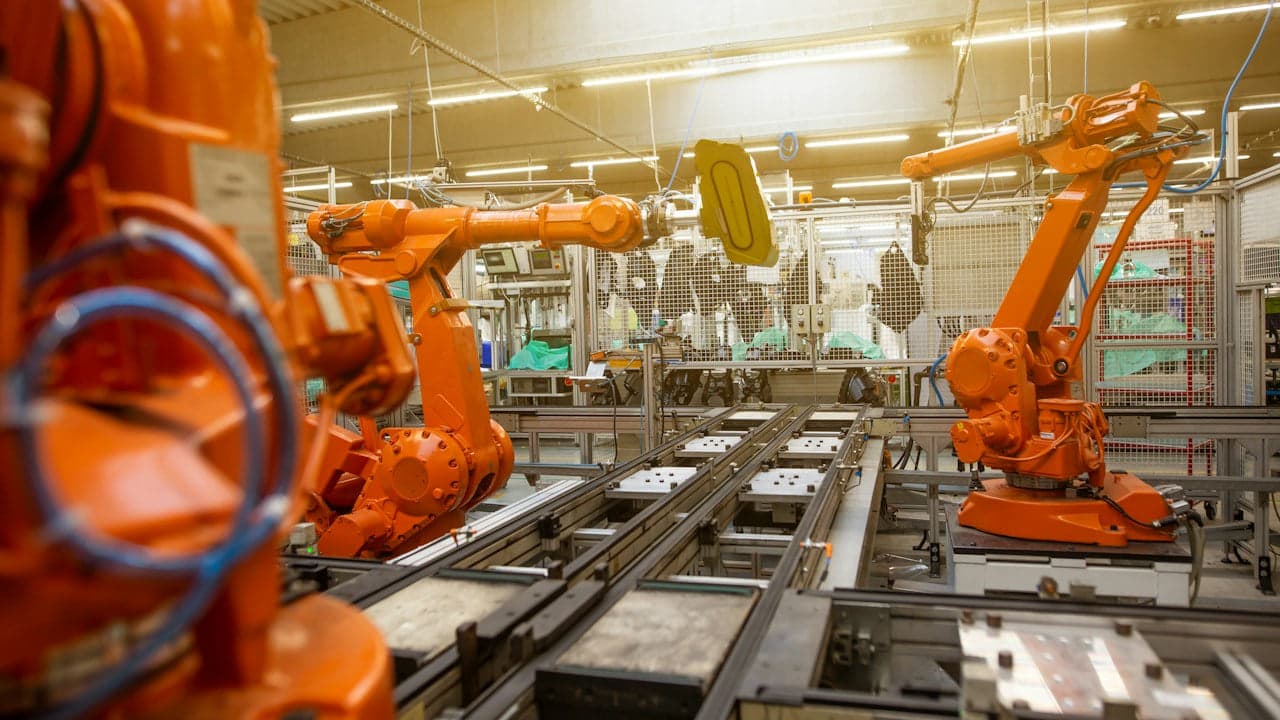
For larger surface elements, the researchers developed an automated system that deploys robotics to apply the mixture. A robotic arm sprays sand and bacterial broth onto a target surface layer by layer, building thickness as calcium carbonate forms. Demonstrating the mechanical stamina of the setup, ETH Zurich kept this spray apparatus running continuously for six months without constant human intervention, according to New Atlas.
Toxic byproducts and structural limits to solve
Technical barriers remain before bacterial sand can replace standard Portland concrete on construction sites. The mineralization bath in the printing protocol generates ammonium, a toxic byproduct that researchers must neutralize before industrial scaling, notes New Atlas. The material's mechanical strength currently matches building mortar, which joins masonry units, rather than structural concrete designed for supporting foundations and load-bearing pillars. Before seeking a patent or moving toward commercial adoption, the laboratory is currently testing how different grain sizes alter the final material performance.
Read also on The Patent: 3D Printed Neural Implant Combines Brain Monitoring and Targeted Cooling · Pulsed 3D Printing Produces Meter-Long Single Crystals for Extreme Heat