JAXA Launches MMX Mission to Retrieve Martian Moon Samples by 2031
An H3 rocket launched Japan's $578 million probe to collect regolith from Phobos and return it to Earth.
By Giovanni Sapere
2 min readHuman-Edited, AI-Assisted
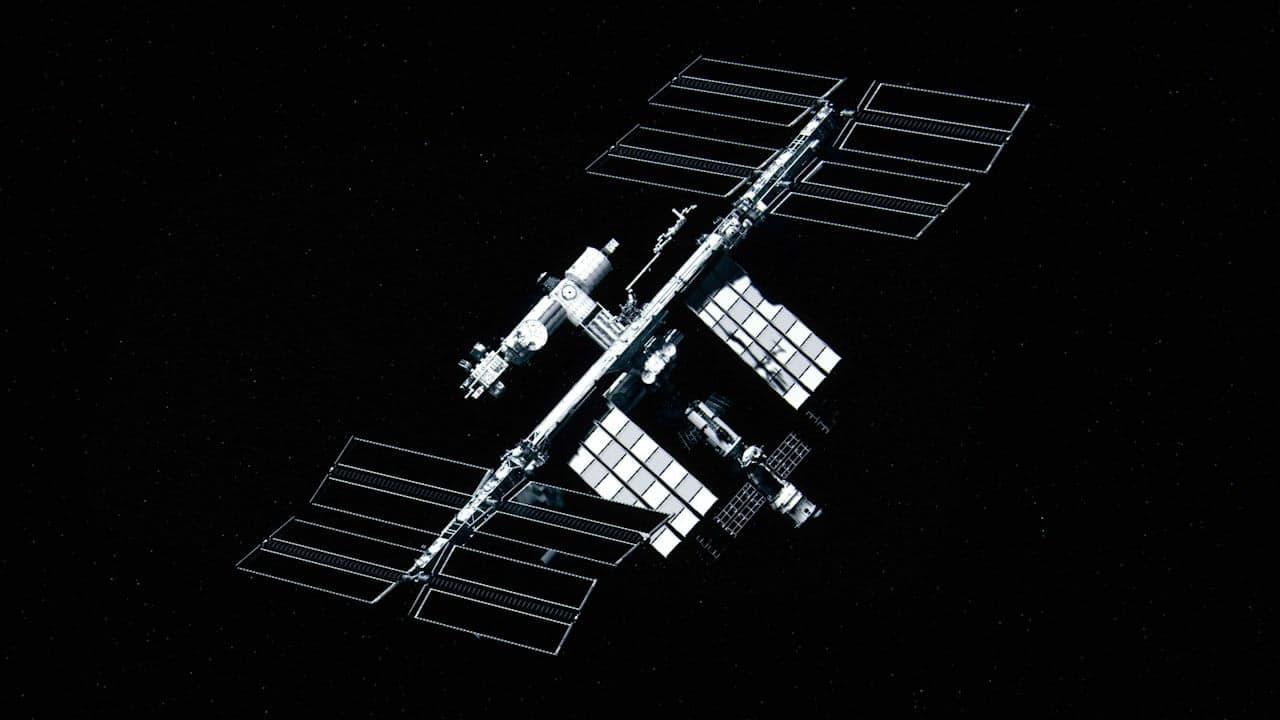
Japan has sent its Martian Moons eXploration spacecraft toward Mars, marking an ambitious step forward in deep space exploration. Led by the Japan Aerospace Exploration Agency, the mission seeks to become the first to land on a Martian moon, collect surface material, and bring it back to Earth.
An interplanetary launch aboard the H3 vehicle
The Martian Moons eXploration (MMX) spacecraft lifted off on October 20, Japan time, from the Tanegashima Space Center, as reported by Interesting Engineering. The $578 million mission represents a major technological innovation developed by the Japan Aerospace Exploration Agency (JAXA) alongside Mitsubishi Heavy Industries. The 207-foot H3 launch vehicle utilised two LE-9 engines burning liquid hydrogen and liquid oxygen to deliver roughly 331,000 pounds of thrust during liftoff, supported by four solid rocket boosters. Following stage separation, the upper stage executed the necessary burns to inject the probe onto its transfer trajectory toward Mars, where it is scheduled to arrive in 2027.
Surface operations and robotic reconnaissance on Phobos
The irregular, potato-shaped moon Phobos spans approximately 14 miles across and possesses an extremely faint gravitational field, creating challenging conditions for touchdown maneuvers, according to Interesting Engineering. To assess landing sites, the mission deploys IDEFIX, a four-wheeled French-German vehicle highlighting cooperative developments in robotics. Designed to recover even if it lands upside down, the rover will survey the regolith for approximately 100 days. Using those reconnaissance findings, JAXA controllers plan to execute two touchdown attempts in late 2028 or 2029, deploying a dedicated sampling tool to capture soil and seal it inside a return capsule.
Solving the origin of Martian satellites
Scientists remain divided over whether Phobos and its companion Deimos originated from impact debris blasted off Mars or are asteroids captured by the planet's gravitational pull, notes Interesting Engineering. Before beginning the journey home, MMX will conduct close flybys of the eight-mile-wide Deimos to gather comparative data. The spacecraft is scheduled to depart Mars orbit in November 2030, releasing its sample capsule for a planned landing in Australia in 2031. Subsequent laboratory examination of the pristine material is expected to provide key insights into satellite formation and solar system evolution.
Read also on The Patent: Compact Engineering Solves Outdoor Frustrations in October 2026 Gear · Google Willow Processor Reduces Quantum Error Rates by Forty Times