Macaques Learn Germ Caution Following Viral Outbreak in Texas Study
Cognitive scientists at UC San Diego show that living through a deadly epidemic triggers pathogen avoidance even without direct knowledge of transmission.
By Giovanni Sapere
2 min readHuman-Edited, AI-Assisted
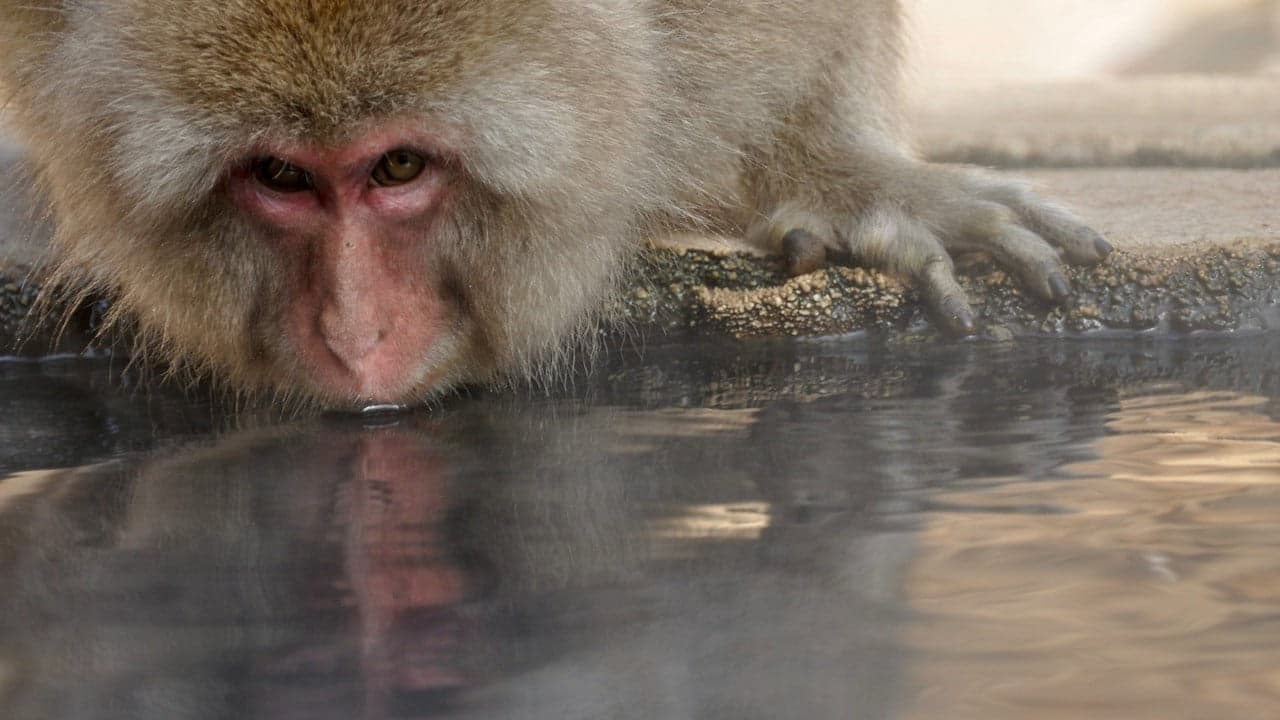
A scientific innovation in cognitive biology shows that Japanese macaques become significantly more cautious around potentially contaminated food after surviving a deadly disease epidemic. Researchers from the University of California San Diego discovered that this behavioral shift occurred across exposed groups regardless of whether individual monkeys had contracted the virus. Published in Royal Society Open Science, the study provides rare empirical evidence into the evolutionary origins of animal disgust and disease avoidance.
A natural experiment born from a viral outbreak
The investigation emerged from an unexpected veterinary crisis at a primate sanctuary in southern Texas, as reported by Phys.org. The sanctuary maintains separate social groups of Japanese macaques that descend from a population brought from Japan to Texas in 1972. In 2020, facility staff identified an outbreak of simian retrovirus Type II, an infection transmitted primarily through bites and scratches that triggers immunodeficiency and fatal illness in macaques, leading managers to isolate enclosures and apply rigorous quarantines.
“Groups have histories, and those histories show up in behavior.”
— Stephan Kaufhold, doctoral researcher at UC San Diego
Testing pathogen avoidance through visual contamination
The outbreak created an accidental experimental trial comparing three exposed macaque groups against one unexposed control group, according to Phys.org. Doctoral researcher Stephan Kaufhold and associate professor Federico Rossano tested 55 macaques with a feeding choice: food set on clean wood versus food resting over real macaque feces sealed beneath clear epoxy. The sealed resin removed odors and contagion while preserving the visual signal of contamination, and additional trials used a colored sponge to verify that subjects were not merely reacting to novel objects.
Shifting thresholds in the behavioral immune system
Previous behavioral studies demonstrated that wild Japanese macaques often consume high-value food like peanuts off feces-covered surfaces, notes Phys.org. However, the outbreak-exposed animals took food from the contaminated surface in only 47% of trials, compared with 79% among unexposed monkeys. The research team found that uninfected animals living alongside sick peers developed the same avoidance rate as infected survivors, showing that surviving an epidemic recalibrates the biological and behavioral immune system.
Scientific discovery and future research directions
The methodology does not rely on a commercial patent or intellectual property filing, as the experimental apparatus serves as an academic invention designed solely to probe primate decision-making, as detailed by Phys.org. Instead, the findings open new avenues for observing how social species modify risk assessment after communal crises. Researchers will continue monitoring how social transmission preserves these hygiene habits across macaque generations over time.
Read also on The Patent: Compact Engineering Solves Outdoor Frustrations in October 2026 Gear · Google Willow Processor Reduces Quantum Error Rates by Forty Times