Science

Medicine

Optogenetics Pioneers Win Nobel Prize for Illuminating the Brain

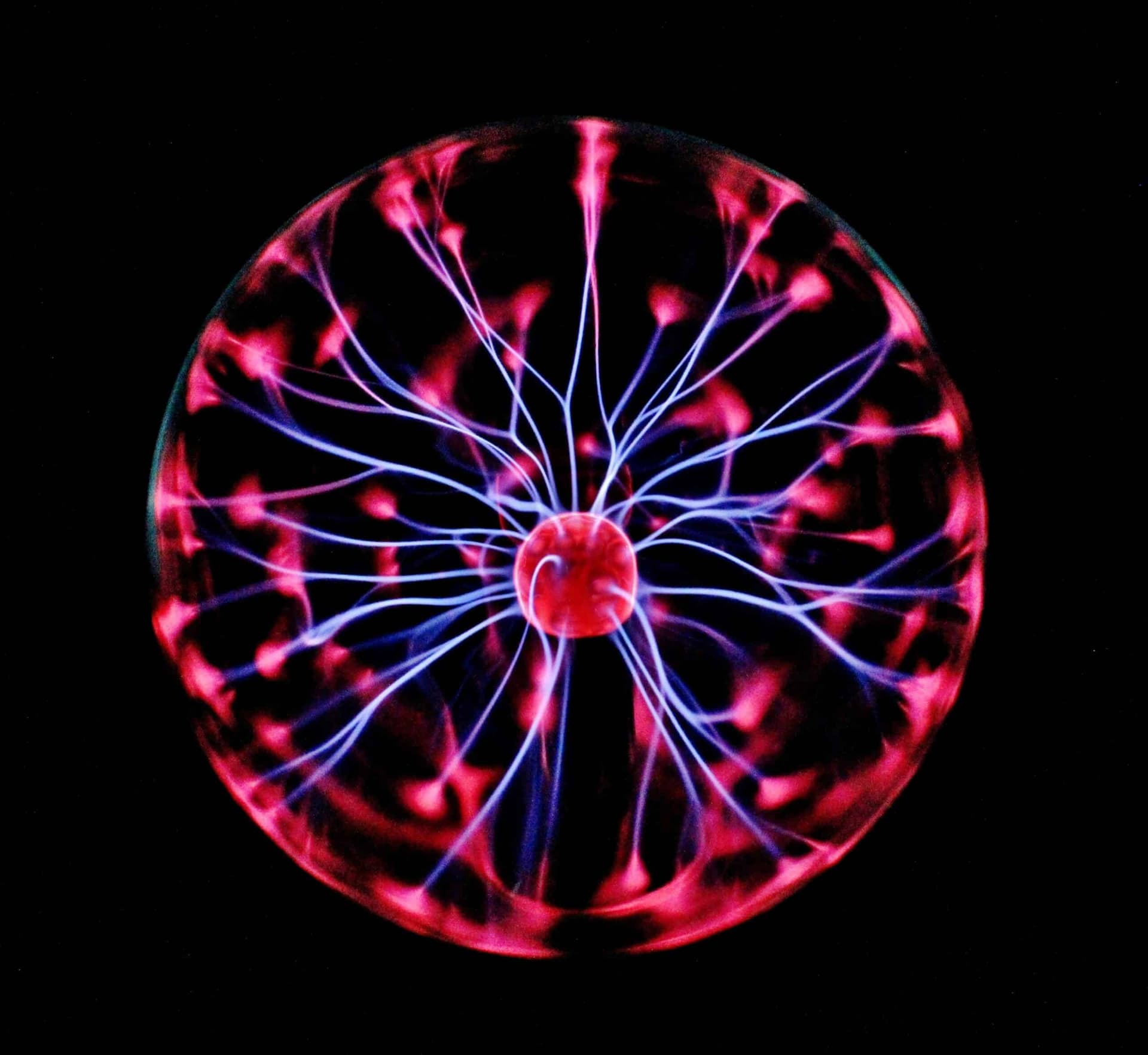
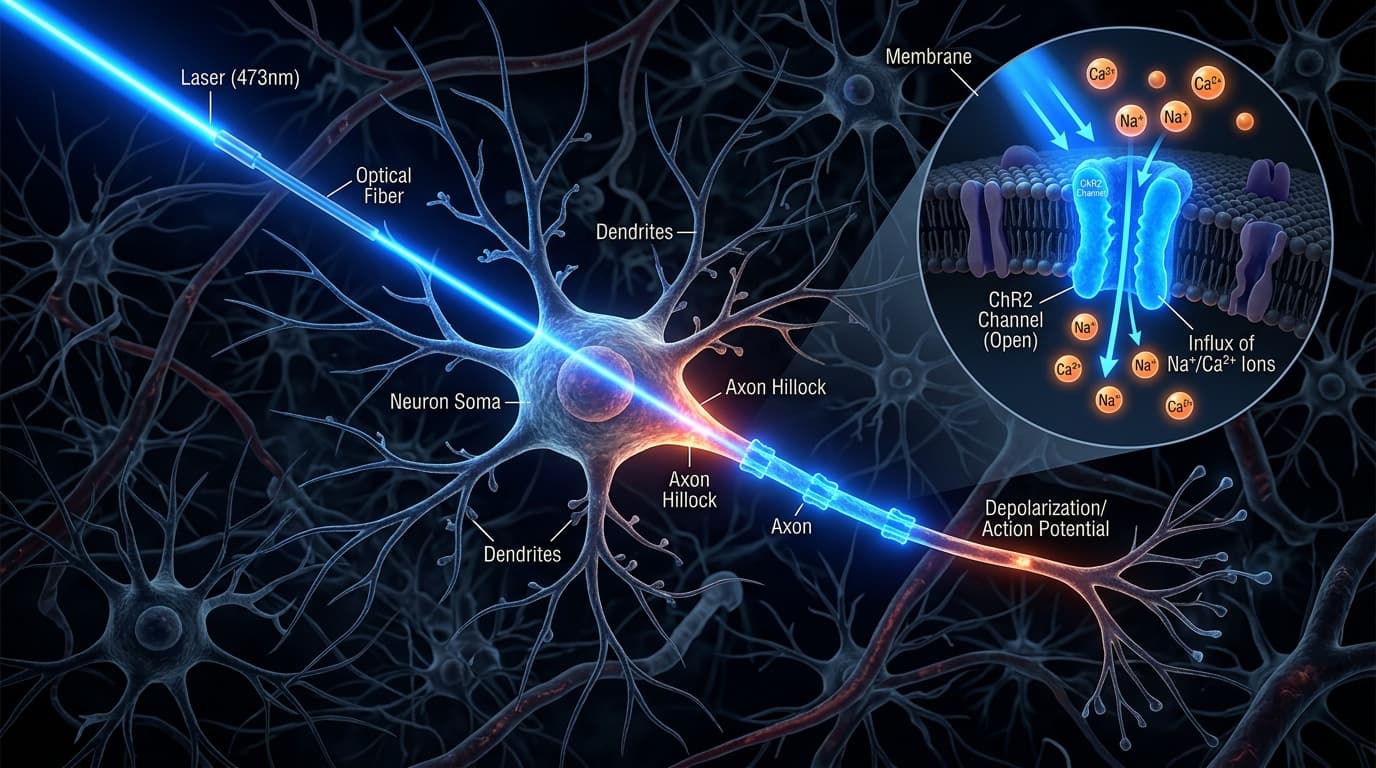
Karl Deisseroth, Peter Hegemann, and Georg Nagel have been awarded the Nobel Prize in Physiology or Medicine 2026 for their foundational work in optogenetics. This revolutionary technique utilizes light to control nerve cells, offering unprecedented insight into how the brain forms memories, emotions, and behaviors, and paving the way for new treatments for neurological conditions.

Giovanni Sapere
Space

Trump-Musk: The Race for the First Man on Mars turns on

Humanity is preparing to rewrite the history of space exploration, and the Red Planet is the most ambitious goal ever conceived. Donald Trump, determined to revive American primacy in space, has turned the spotlight on Mars as the next goal, joined by the indefatigable vision of Elon Musk. A race…

Evgeny Novikov

Science

Cosmic Discovery: J1249+36 Speeds Towards the Unknown

In the vast expanse of the universe, some discoveries stand out more than others. One such find is the recent identification of the star CWISE J124909+362116.0, or J1249+36. This L subdwarf, characterized by low mass and cooler temperatures than our Sun, distinguishes itself not only by its age but…

Giovanni Sapere

Medicine

Nanorobots: What it is and how it works

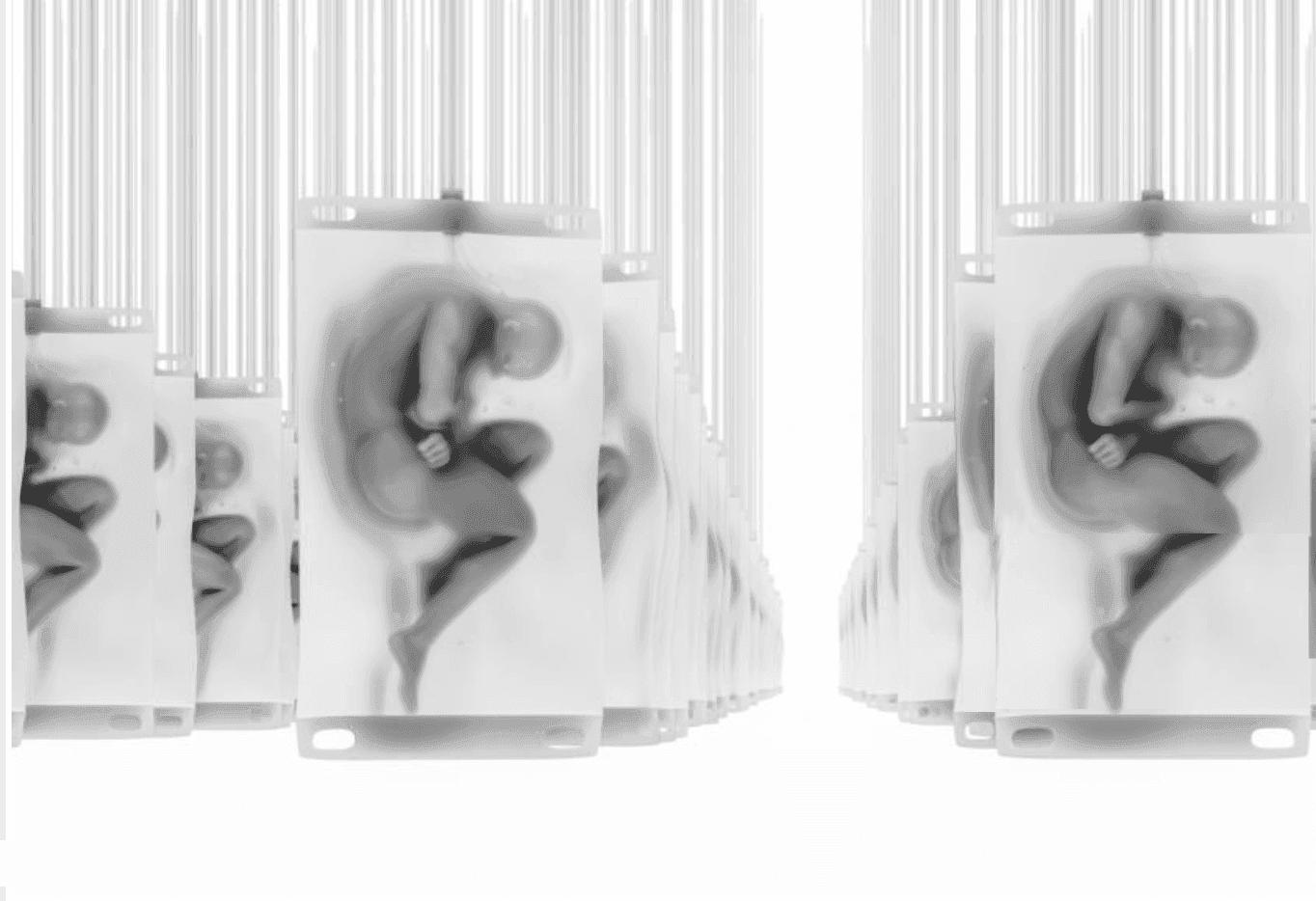
Nanorobots are nanoscale devices designed to perform specific tasks within the human body, such as targeted drug delivery, repairing damaged tissue, or eliminating cancer cells. Thanks to their extremely small size, nanorobots can navigate through the circulatory system and directly penetrate…

Mattia Sapere

Science

NASA revolutionizes the space experience with augmented reality

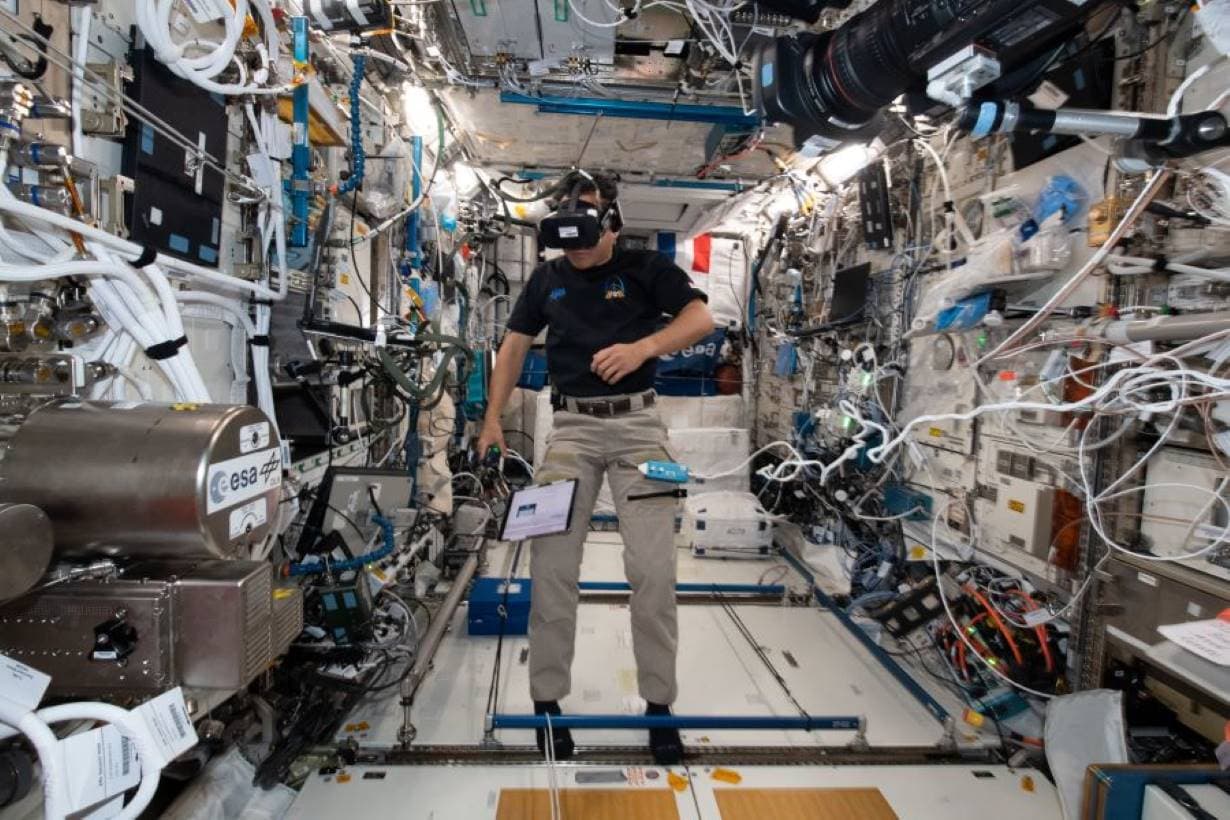
In the world of technological innovation, the application of augmented reality comes as a novelty totally transforming the conception and execution of projectsin different areas. In fact, there are several applications that NASA has decided to develop in this area. Considering the topic of…

Sara Votta

Medicine

Nano-Robot for the Treatment of Blood Clots

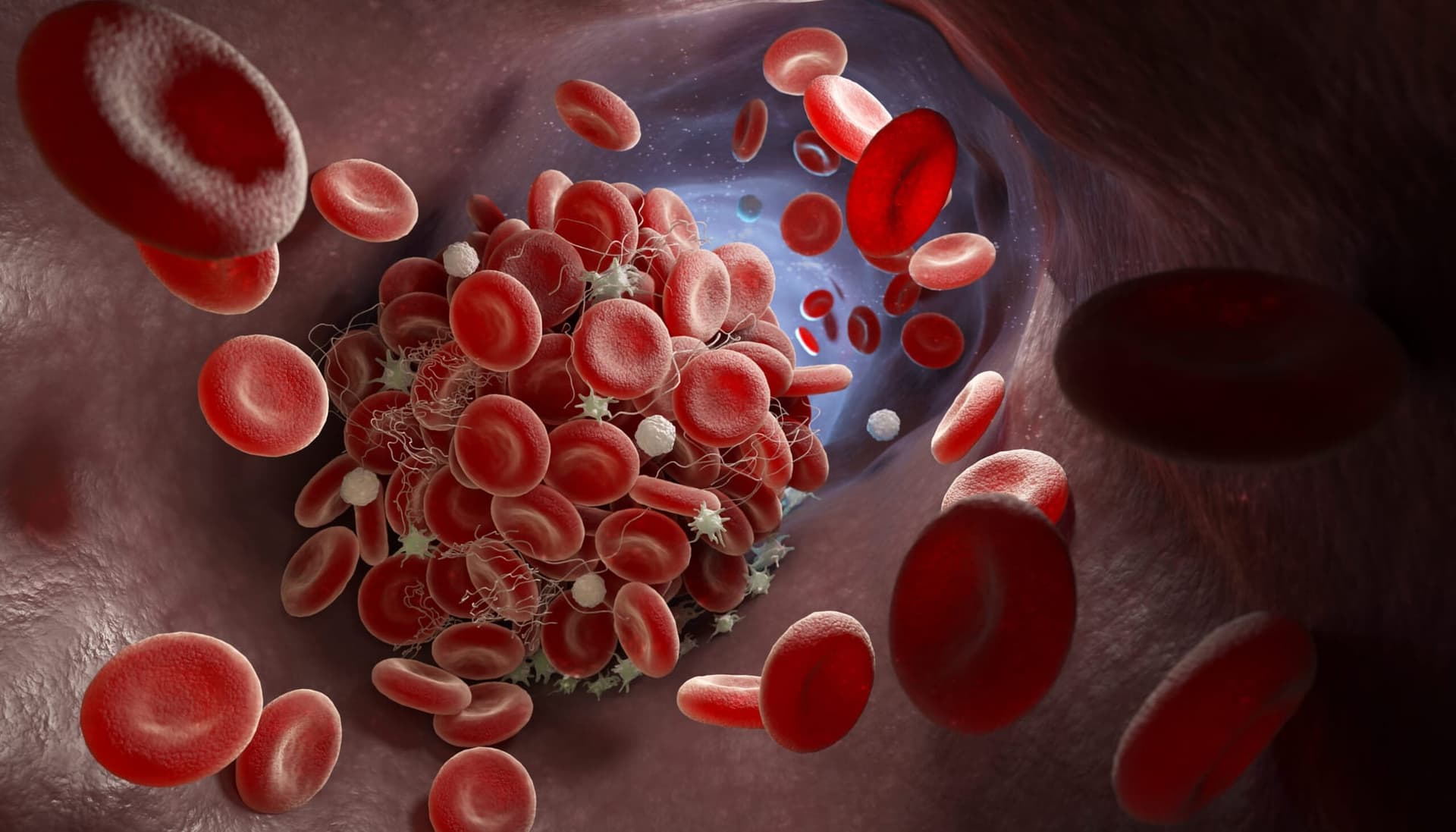
A team of scientists at the Chinese University of Hong Kong has announced a major breakthrough in the fight against blood clots, thanks to a new technology that controls nano-robots in a revolutionary way, simulating the natural behaviour of swarms.

Letizia Giugliano

Chemistry

From Switzerland comes the water-powered paper battery

The device, designed and built by EMPA researchers, could power low-power electronic devices, serving as an alternative to conventional batteries. You can’t do without the disposable battery, at least for now. In the field of low-power electronics, especially disposable ones, these batteries offer,…

Contributor