Subcortical Nuclei Anticipate Sensory Sights and Touch in Real Time
Recent neuroscience reporting outlines how deep brain structures prepare for sensory events before they occur
By Letizia Giugliano
2 min readHuman-Edited, AI-Assisted
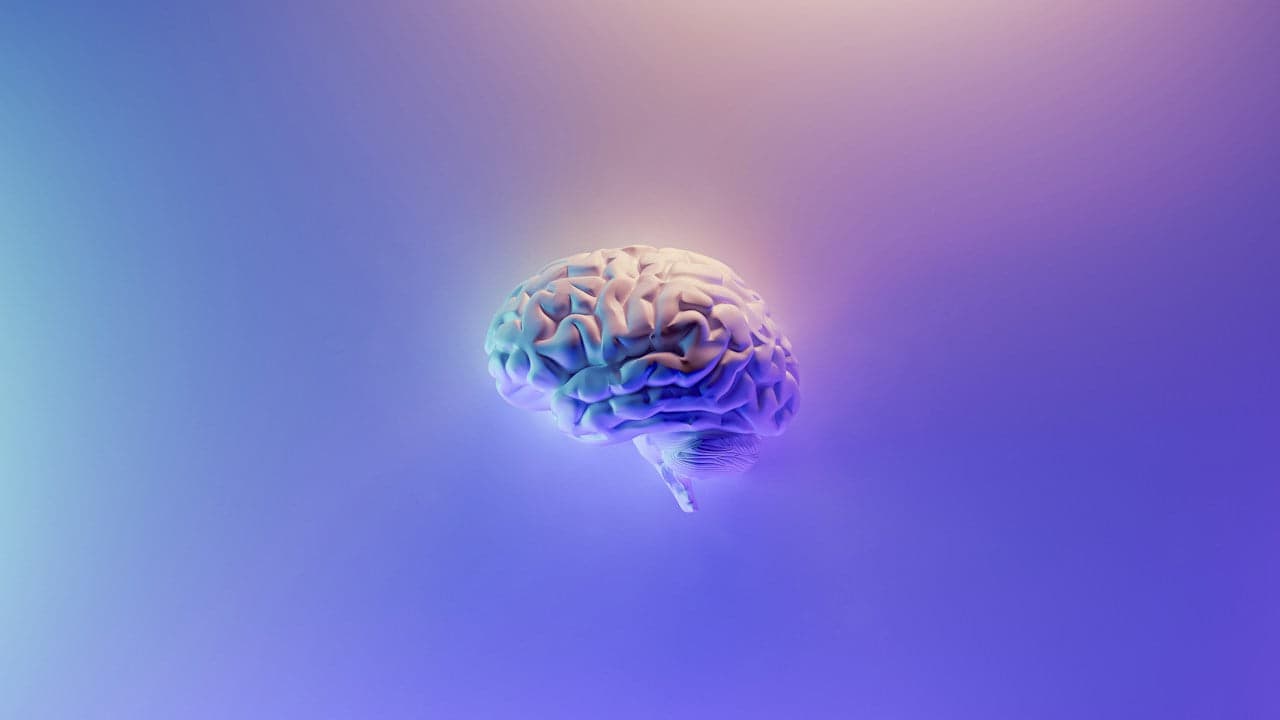
Neurobiological research reported in mid-October 2026 demonstrates that subcortical nuclei anticipate sensory experiences prior to their physical occurrence. The discovery provides fresh insight into sensory processing and neurological timing mechanisms. Understanding how subcortical regions prepare for incoming stimuli highlights an important scientific innovation in basic sensory medicine.
Sensory anticipation in subcortical brain structures
Neuroscience has traditionally examined sensory pathways by measuring biological responses to incoming visual and tactile signals. However, research highlighted by Interesting Engineering on October 17, 2026, shows that subcortical nuclei anticipate visual and tactile inputs before sensory events actually happen. This capacity for predictive processing suggests that deep brain structures actively prepare sensory networks rather than operating purely as passive relay centers, representing an innovation in functional neurobiology.
Broader investigations into neural wiring
The finding on sensory anticipation coincides with wider research into neurological variation and structure. In reports compiled by science journalist Maria Mocerino for Interesting Engineering, complementary neurobiological studies identified sex differences in roundworm nervous systems that extend beyond traditional neural wiring. Together, these investigations demonstrate that underlying neurological architecture and specialized cellular networks govern biological perception and signal processing in ways earlier models did not predict.
Intellectual property and translation to medicine
The published report outlines fundamental scientific insights into brain structure and does not list an associated patent application or registered device. In early-stage neuroscience, fundamental discoveries regarding subcortical pathways typically reside in the public scientific domain before clinical translation. Future technology transfer could eventually inform the design of specialized neurostimulation devices or diagnostic monitoring tools, but such developments depend on downstream clinical development.
What to watch in sensory neuroscience
As noted by Interesting Engineering, transitioning fundamental laboratory discoveries into applied translational medicine requires rigorous peer review and reproducible testing. The next phase for researchers involves mapping the exact cellular mechanisms within subcortical nuclei to verify how early sensory preparation operates across different experimental conditions.
Read also on The Patent: Building a Daily Walking Habit: Step Targets and Preventive Health Evidence · Optogenetics Pioneers Win Nobel Prize for Illuminating the Brain