Medicine

Medicine

Focused Ultrasound Trial Targets Schizophrenia Hallucinations at UCSF

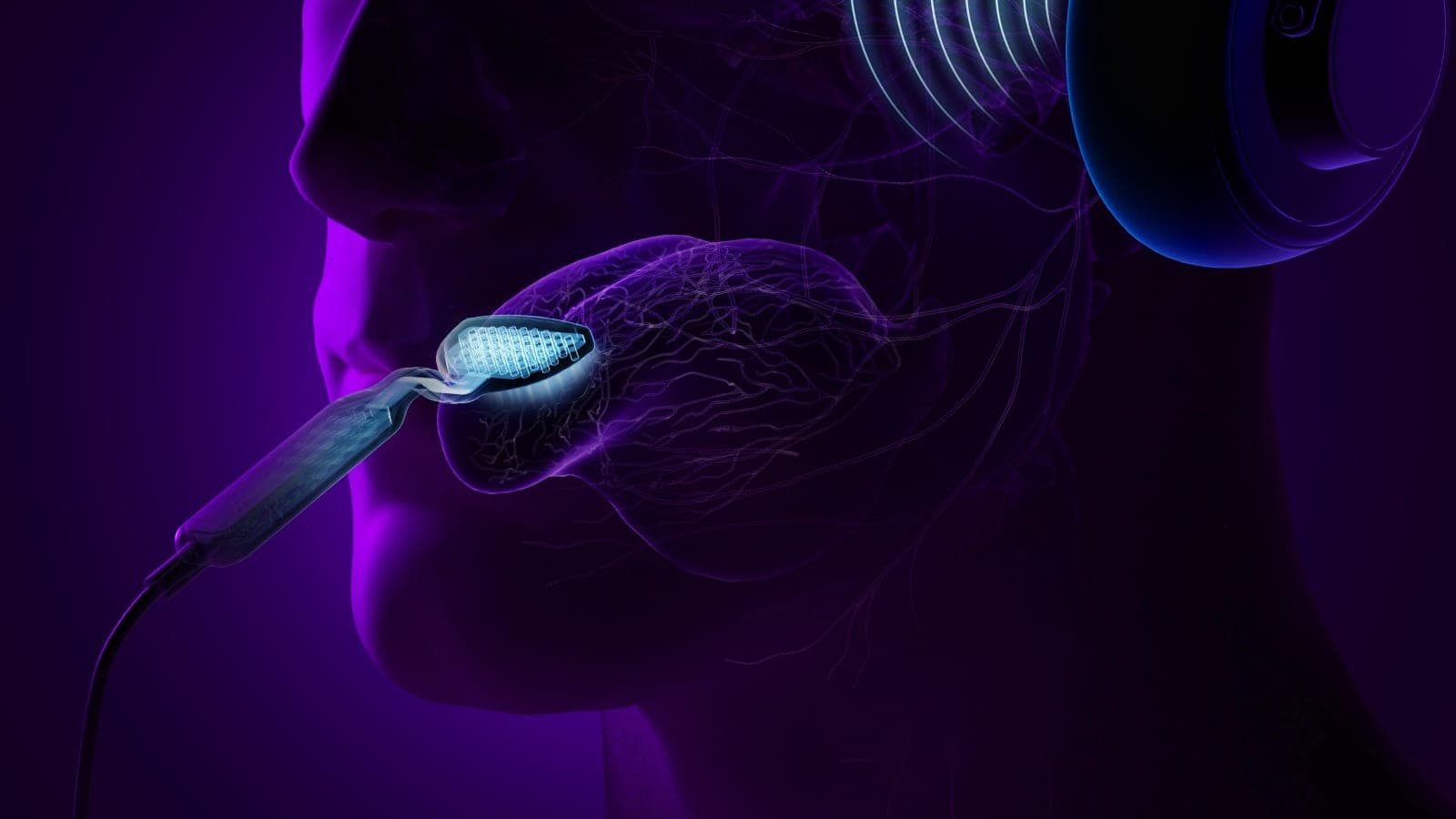
Psychiatrists at the University of California San Francisco have started a first-in-human trial using low-intensity focused ultrasound to suppress auditory hallucinations in patients with schizophrenia. The study tests whether acoustic pulses delivered through the skull can alter deep brain activity without surgery. More than 70 percent of people with schizophrenia hear voices, and about 40 percent do not find relief through antipsychotic drugs.


Medicine

Ten Blood Markers Predict Aging Health and Cardiometabolic Disease Risk

Researchers at Leiden University Medical Center and the Max Planck Institute for Biology of Aging have developed a personalized metabolic score that evaluates disease risk and healthy aging. Presented at the FAPESP Week Netherlands conference, the innovation analyzes ten routine blood substances to generate a single profile of metabolic health. A one-point rise on the inverted scale corresponds to an average 14-year delay in the onset of cardiometabolic conditions.

Giovanni Sapere

Medicine

Microfluidic chip screens leukemia drug therapies in children

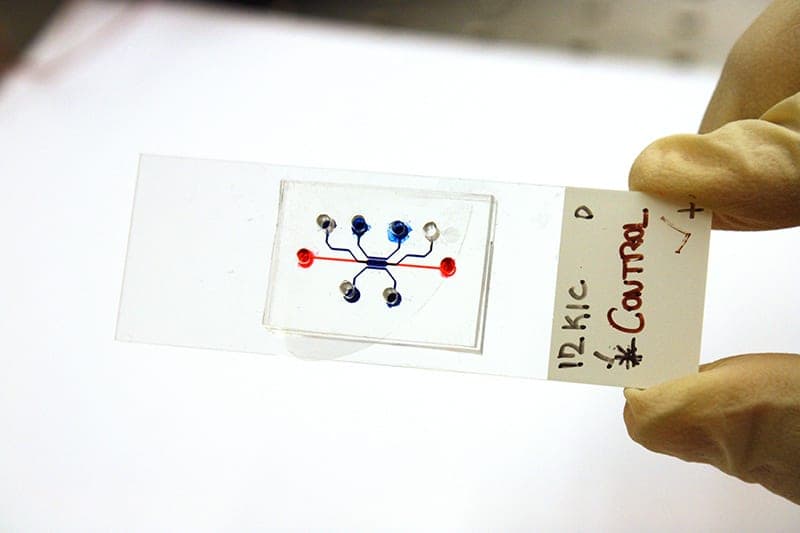
Engineers and pediatric oncologists at Emory University, Children's Healthcare of Atlanta, and Georgia Tech have developed a diagnostic test that screens cancer drugs directly against patient cells at diagnosis. The platform evaluates how three-drug combinations at varying doses affect live cancer cells, offering immediate functional data from a single sample.

Giovanni Sapere

Medicine

UNC Researchers Uncover Protein Pathway Shielding Dormant HIV

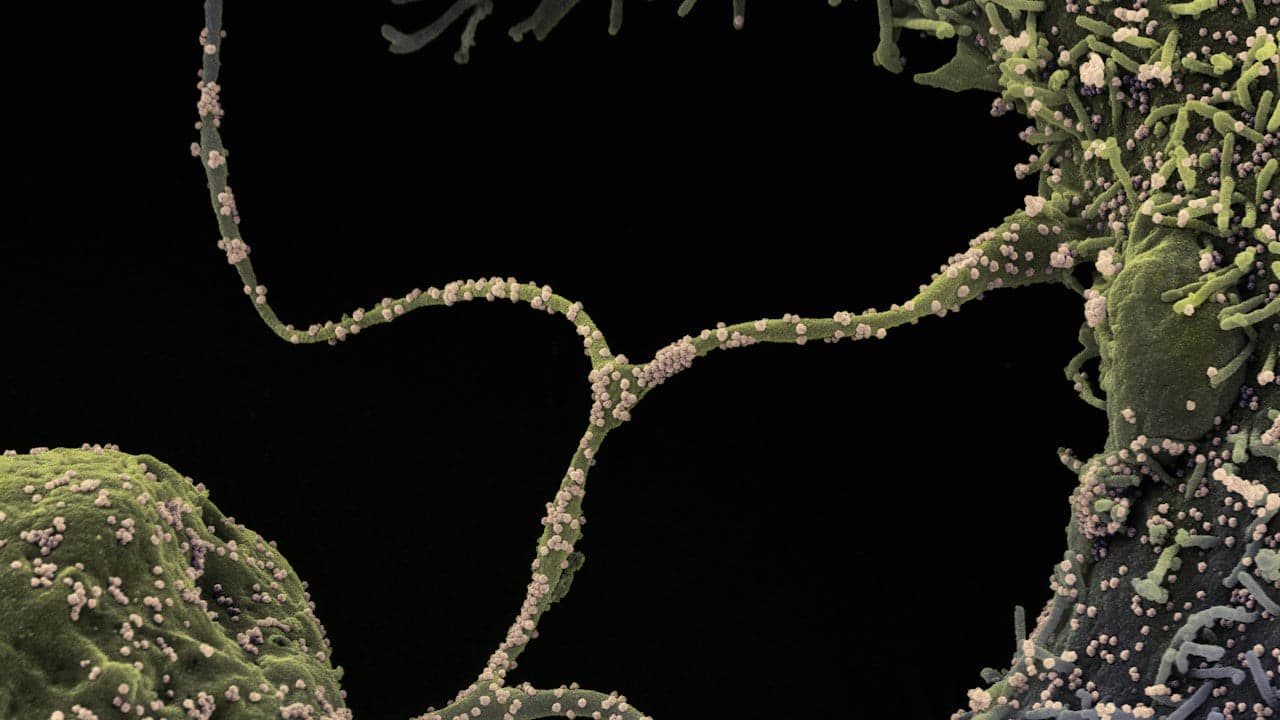
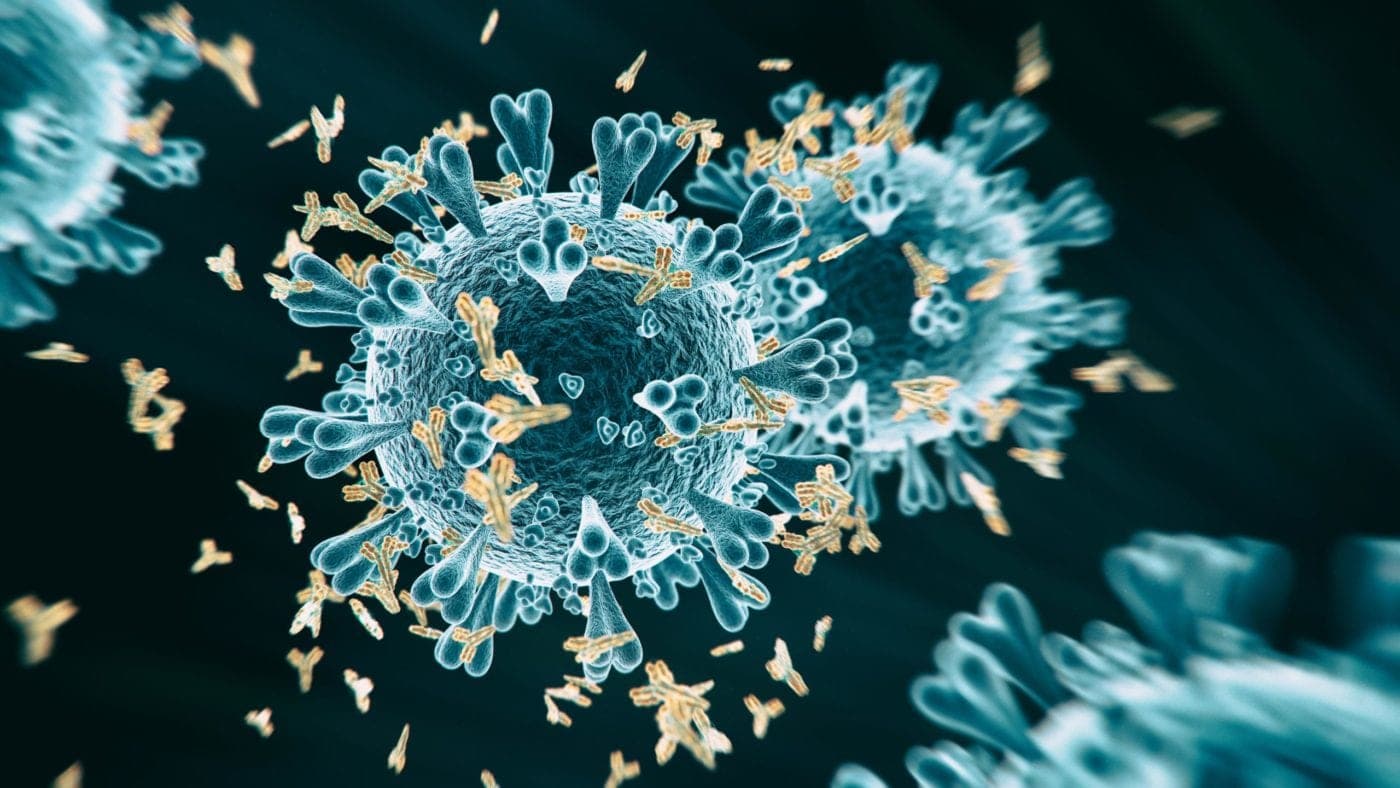
Scientists at the University of North Carolina at Chapel Hill School of Medicine have identified a human protein pathway responsible for keeping HIV dormant within host cells. Published in Cell Reports on October 24, 2026, the discovery exposes how viral reservoirs persist in blood and brain immune cells despite antiretroviral therapy. Uncovering these cellular mechanisms provides a scientific foundation for therapeutic strategies designed to expose and eradicate persistent virus.

Giovanni Sapere

Medicine

Subcortical Nuclei Anticipate Sensory Sights and Touch in Real Time

Neurobiological research reported in mid-October 2026 demonstrates that subcortical nuclei anticipate sensory experiences prior to their physical occurrence. The discovery provides fresh insight into sensory processing and neurological timing mechanisms. Understanding how subcortical regions prepare for incoming stimuli highlights an important scientific innovation in basic sensory medicine.

Letizia Giugliano

Medicine

Building a Daily Walking Habit: Step Targets and Preventive Health Evidence

Public health researchers emphasize that establishing a regular walking routine requires minimal equipment while delivering measurable cardiovascular benefits. Research led by kinesiologist Amanda Paluch at the University of Massachusetts Amherst highlights how structured, incremental increases in daily steps can lower premature death and stroke risks. Incorporating accessible tracking tools allows individuals to monitor baseline activity and build sustainable long-term movement habits.

Letizia Giugliano

Medicine

Optogenetics Pioneers Win Nobel Prize for Illuminating the Brain

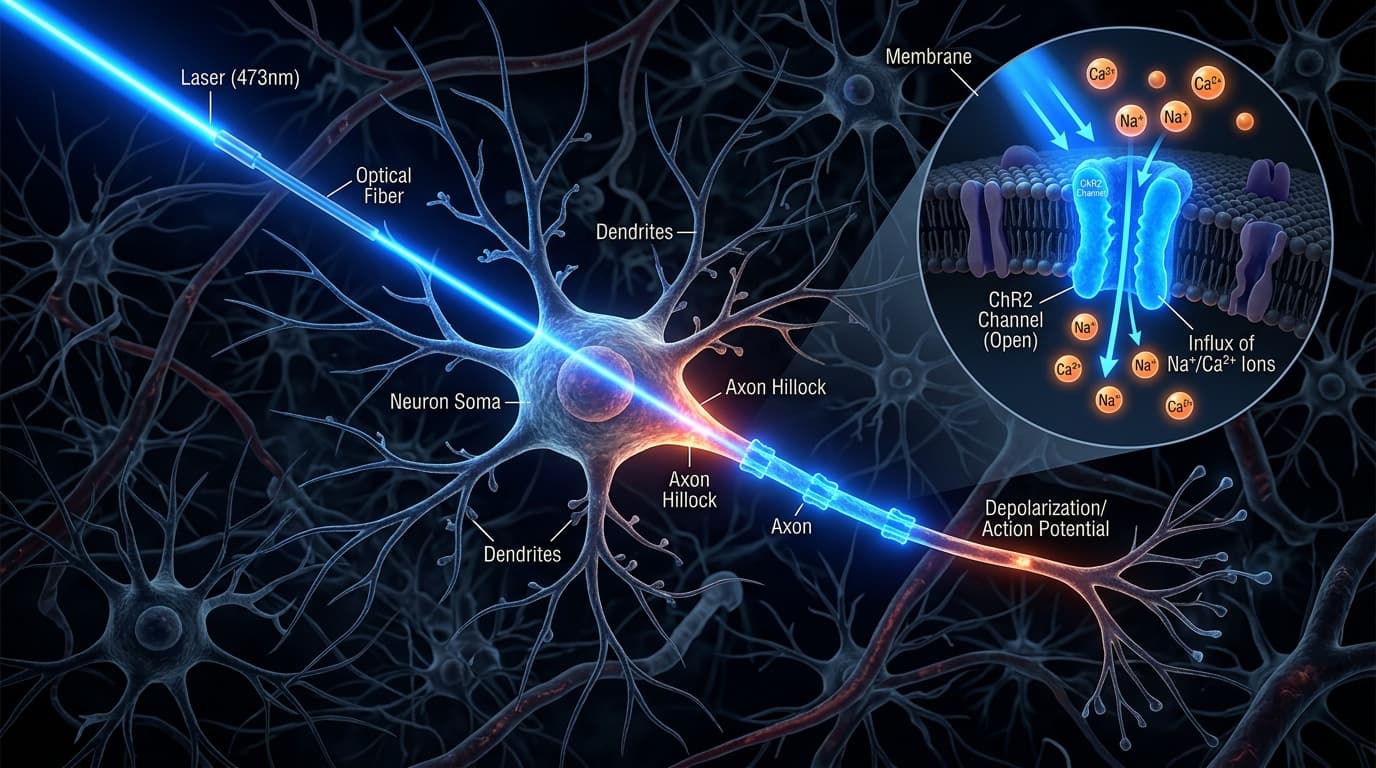
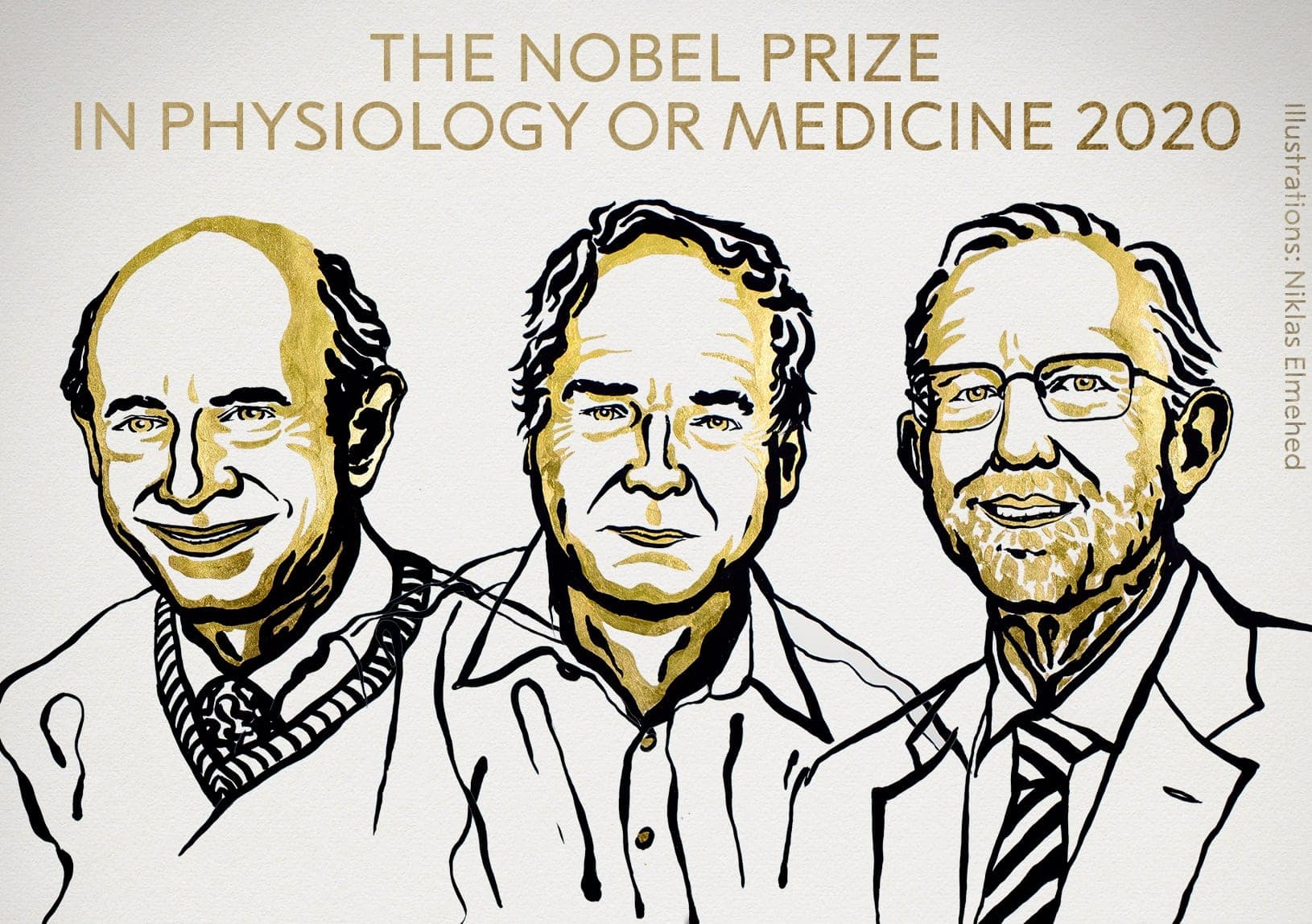
Karl Deisseroth, Peter Hegemann, and Georg Nagel have been awarded the Nobel Prize in Physiology or Medicine 2026 for their foundational work in optogenetics. This revolutionary technique utilizes light to control nerve cells, offering unprecedented insight into how the brain forms memories, emotions, and behaviors, and paving the way for new treatments for neurological conditions.

Giovanni Sapere

Medicine

Nanorobots: What it is and how it works

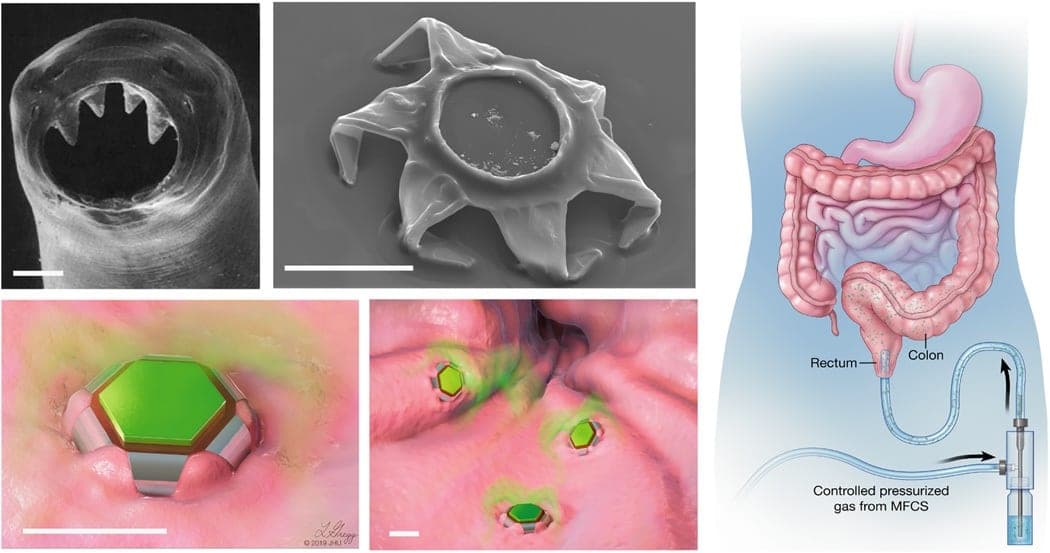
Nanorobots are nanoscale devices designed to perform specific tasks within the human body, such as targeted drug delivery, repairing damaged tissue, or eliminating cancer cells. Thanks to their extremely small size, nanorobots can navigate through the circulatory system and directly penetrate…

Mattia Sapere