University of Miami Scientists Find Missing Evolutionary Link in Protein Shells
Newly identified small viruses show that viral capsids and bacterial encapsulins evolved from each other repeatedly over millions of years
By Giovanni Sapere
2 min readHuman-Edited, AI-Assisted
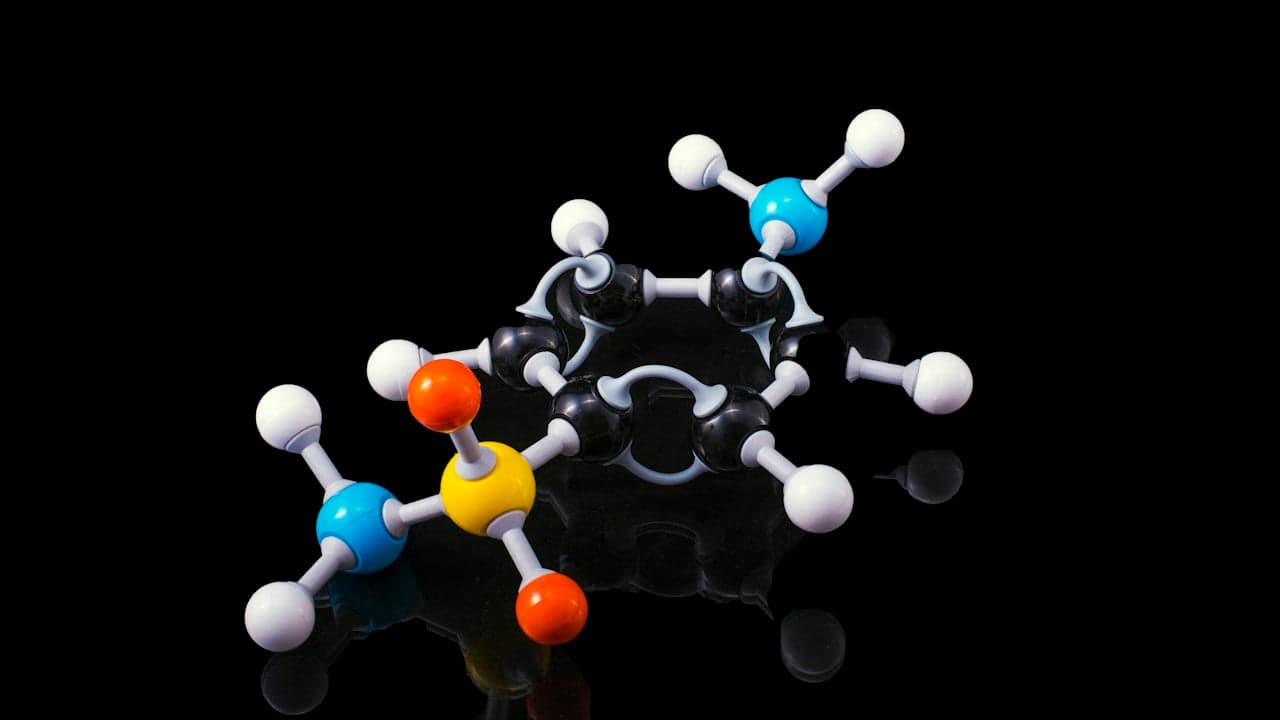
Researchers at the University of Miami have discovered a previously unknown group of viruses that bridge the gap between viral shells and cellular compartments. The computational innovation, detailed in Nature Communications on October 15, 2026, overturns long-standing assumptions about how biological nanostructures evolved to package genetic code and metabolic machinery.
Bridging the Divide Between Genetic Containers and Metabolic Shells
For decades, evolutionary biologists debated whether cellular protein nanocompartments known as encapsulins were simply direct descendants of ancient viruses. According to research reported by Phys.org, a team led by doctoral researcher Abelardo Aguilar and Associate Professor Antoni Luque Santolaria identified simplified viruses whose structural characteristics sit squarely between viral capsids and bacterial compartments. Both biological systems rely on protein subunits that fold into a distinctive three-dimensional architecture called the HK97-fold, which self-assembles into hollow polyhedral containers, highlighting a remarkable evolutionary innovation.
“Life at its core is about enclosing reactions and also enclosing information that can be inherited so those reactions can happen in the future.”
— Abelardo Aguilar, Ph.D. student at the University of Miami
Computational Tools and Protein Models Uncover Hidden Genomes
Because the vast majority of environmental viruses cannot be cultured in conventional laboratory settings, the team turned to computational methods to detect them. The researchers used biophysical modeling alongside artificial intelligence tools, including AlphaFold and protein language models, as documented by Phys.org. They screened billions of environmental DNA sequences stored in repositories such as the IMG/M database, managed in part by the U.S. Department of Energy's Joint Genome Institute and the University of California, Berkeley, analyzing samples from soil, seawater, wastewater, and human microbiomes.
How Procapsids Enable Bidirectional Evolution
The newly detected viral genomes are smaller and simpler than those of standard HK97-fold viruses, revealing an evolutionary pathway operating in both directions rather than a single linear handoff. As explained in the report published on October 15, 2026 by Phys.org, procapsids, the immature precursor shells assembled before genetic material is packaged, possess structural flexibility that allows them to accommodate either metabolic enzymes or nucleic acid genomes. This shared structural intermediate explains how nature repurposed identical protein architectures for either cellular biochemistry or viral protection across distinct lineages in bacteria and archaea.
Biotechnology Potential and the Path Forward
Beyond clarifying the origin of early cellular life, understanding how HK97-fold shells interchange biological duties provides a blueprint for synthetic biology and therapeutic design. As detailed by Phys.org, recognizing that noninfective viral-like assemblies can catalyze or isolate chemical reactions opens new paths for a biotech startup to engineer custom nanocontainers for drug delivery, molecular biocatalysis, and biosensing. The investigative team plans to apply their computational screening platform to characterize emerging viral lineages and explore overlooked functions among non-infectious capsid variants, laying the groundwork for new patent filings in targeted nanomedicine.
Read also on The Patent: What if we told you that there is hope for revival in the future? The Tomorrow Biostasis challenge · Static Droplet Microfluidic, the cancer cell analysis device