

World's Oldest Shipwreck Found off Turkish Coast Dates to 2700 BC
Pottery cargo discovered near Kekova pushes the recorded history of maritime trade networks back by three centuries
By Giovanni Sapere
2 min readHuman-Edited, AI-Assisted
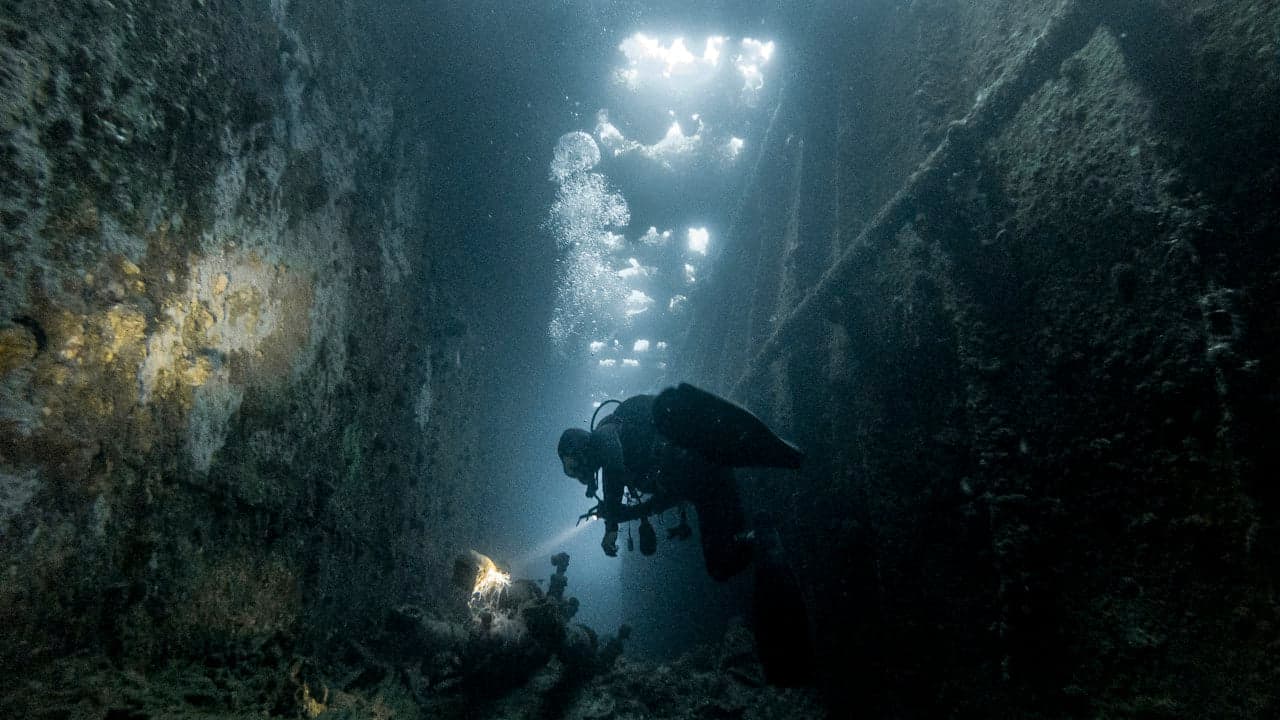
Archaeologists working off the southern coast of Turkey have identified what they believe to be the world's oldest known shipwreck, dated to between 2700 and 2400 B.C. Discovered near Kekova, the submerged site preserves ancient ceramic cargo that reveals early maritime trade routes operating during the Early Bronze Age.
Discovery in shallow waters off Kekova
The underwater site was located in 2024 in shallow waters off Kekova, west of Antalya, following tip-offs from local seafarers, as reported by Phys.org. The fieldwork was led by Associate Professor Hakan Öniz of Akdeniz University, who has conducted underwater excavations along the Turkish coast for decades. To establish the chronology of the site, Öniz partnered with archaeologist Dr. Karin Sowada, a specialist who assisted in analyzing the ceramic vessels embedded on the seabed.
Ceramic containers as early cargo innovation
Although ocean currents and marine exposure destroyed the vessel's wooden hull long ago, its freight remained anchored to the seabed. Divers spent four months carefully detaching the ceramic containers from barnacles across a rocky underwater slope, according to Phys.org. The cargo features an early maritime innovation in transport storage: large ovoid, flat-based amphorae fitted with two handles and a distinctive raised horizontal clay belt along the widest point of the jar.
Technical origins and trading networks
These specialized vessels served as a functional prototype for standardized maritime shipping containers across the ancient Levant. Preliminary structural assessments suggest some of the belted jars or their raw clay sources originated in the Central Jordan Valley, as detailed by Phys.org. Visible residues preserved inside the jars indicate shipments of high-value goods, potentially tree resin, wine, or olive oil, which were traded alongside materials such as silver, cedar, and metals required by third-millennium civilizations.
Rewriting Early Bronze Age commerce
Before this finding, the earliest recorded wreck was situated off the Greek island of Dokos, dating to roughly 2200 B.C. The nautical invention of organized coastal cabotage documented at Kekova predates that site by approximately 300 years, coinciding with Egypt's pyramid-building era, notes Phys.org. Formal publication in a peer-reviewed academic journal is pending as specialists complete laboratory analyses on the ceramic fabrics and internal residues.
Read also on The Patent: The Patent Magazine is media partner of “1 Idea 1 World Competition” · Archaic man meets Homo Sapiens in Asia. Here is the proof


