Analog Devices Outlines the Shift to Physical AI in Robotics
A new whitepaper explains how embodied systems move beyond digital models to sense, decide, and act in real-world environments.
By Giovanni Sapere
2 min readHuman-Edited, AI-Assisted
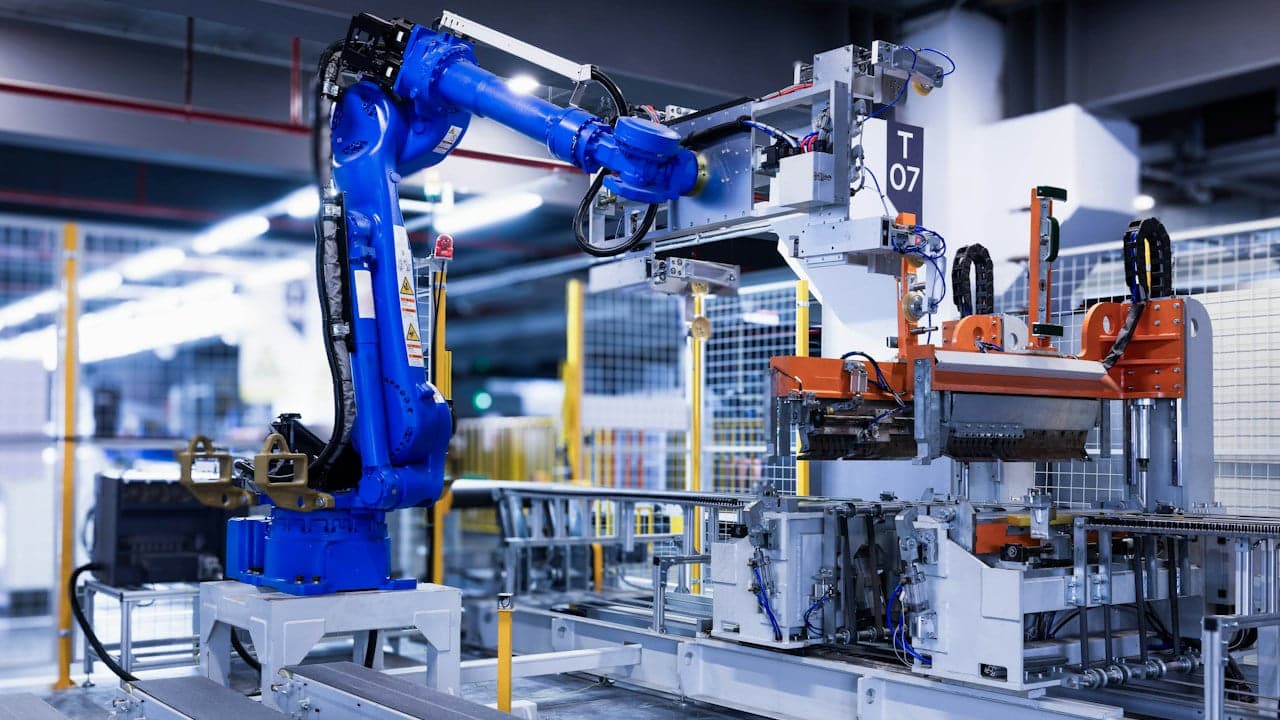
Deploying machine intelligence outside purely digital environments requires systems that can cope with imperfect sensory inputs and strict timing constraints. According to a report by [The Robot Report](https://www.therobotreport.com/adi-explains-the-race-to-make-ai-physical/), semiconductor manufacturer Analog Devices Inc. has outlined the architectural demands needed to bring physical artificial intelligence into industrial applications and robotics. The transition shifts the focus from generating text or software code to reliably predicting and executing actions in unpredictable operational settings.
Beyond digital code: navigating real-world constraints
While digital algorithms have proven adept at interpreting images, language, and software scripts, deploying automated systems into hardware presents fundamentally different problems. As detailed by The Robot Report, Analog Devices Inc. (ADI) notes that embodied machines must sense, decide, and execute tasks within environments that cannot be completely anticipated. This technological innovation requires models to handle changing conditions, timing restrictions, and the physical consequences of every mechanical action.
Hardware layers beneath the application interface
Achieving reliable machine judgment depends largely on the infrastructure operating beneath high-level application software. In the whitepaper cited by The Robot Report, ADI explains that success requires coordinated progress across simulation, sensing, connectivity, computing, and motion control. Rather than relying on simple preset safety rules, such as shutting down a motor when vibration surpasses a static threshold, physical systems combine readings from current, temperature, vibration, and motor behavior. This integrated analysis detects the subtle operational signatures of bearing wear, enabling the hardware to adjust parameters dynamically before equipment failure occurs.
Edge processing and upcoming industry discussions
Founded in 1965 in Wilmington, Massachusetts, ADI develops analog, digital, and edge-computing semiconductor hardware used in automation, mobility, healthcare, energy, and data infrastructure. According to The Robot Report, the company will participate in the Robotics Startup Boot Camp Part 2 during RoboBusiness 2026, an event marking 20 years of the conference where developers and industry organizations address practical integration challenges across physical automated systems.
Read also on The Patent: Aurelius Mounts Archimedes Laser on American Rheinmetall Ox Robot · RolTine 2.0 Packs Dual Straight and Curved Measuring into a Titanium Chassis