Cryo-EM Reveals How TACO1 Keeps Mitochondrial Protein Synthesis Moving
Researchers at Karolinska Institutet solve the structural mechanism that prevents ribosomes from stalling on difficult amino acid sequences.
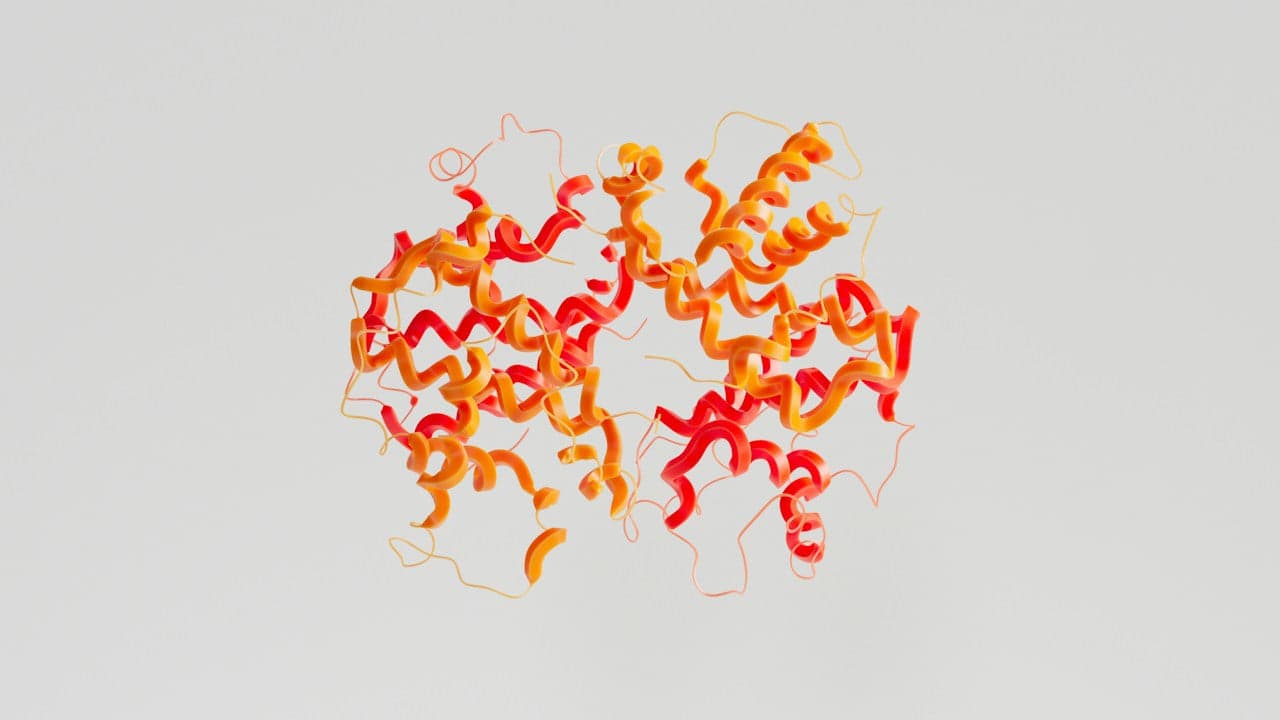
Biochemists at Karolinska Institutet have uncovered how a regulatory protein called TACO1 prevents cellular power plants from stalling during protein synthesis. The study, published in Nature Communications, reveals the molecular mechanics that keep mitochondrial ribosomes moving through difficult sequences of amino acids, offering critical insight into rare metabolic disorders.
Resolving the proline barrier inside human mitochondria
Mitochondria produce the core energy required by human cells, manufacturing a small set of essential proteins through specialized machines known as mitoribosomes. However, this assembly line slows down or freezes whenever it encounters difficult genetic sequences, particularly tracts containing consecutive units of the amino acid proline. While medical researchers knew that the protein TACO1 rescued this stalling, its exact physical intervention remained an open question until now, as detailed by Phys.org.
To map the process, a research team led by Joanna Rorbach, professor at the Department of Medical Biochemistry and Biophysics at Karolinska Institutet, captured the human complex in action. Their work highlights how structural biology drives biomedical innovation, exposing how cellular machinery navigates physical bottlenecks during gene translation.
“TACO1 reveals a distinct solution to a challenge faced by all ribosomes: keeping protein synthesis moving through difficult sequences.”
— Joanna Rorbach, Professor at Karolinska Institutet
A flexible clamp at the ribosomal entry site
Using cryo-electron microscopy, the researchers visualised human TACO1 bound directly to the mitoribosome while active protein synthesis took place. The structural data revealed that TACO1 operates through a mechanism distinct from related translation factors in bacteria or elsewhere in human cells. Rather than docking distantly, TACO1 attaches directly adjacent to the ribosomal A site, the primary junction where new amino acids enter the ribosome attached to transfer RNA (tRNA).
The investigators supplemented imaging with computational modelling, molecular dynamics simulations and artificial intelligence structural predictions through AlphaFold. First author Vivek Singh noted that this multi-tiered approach exposed substantial conformational flexibility in TACO1, which moves dynamically to steady and align incoming tRNA molecules during difficult chemical steps.
Evolutionary ties and links to Leigh syndrome
The structural profile also identified evolutionary similarities between TACO1 and YebC2, an ancestral bacterial relative, confirming that ribosomal rescue mechanisms share deep biological conservation across species. The findings carry direct clinical implications: inherited mutations in the gene encoding TACO1 lead to cytochrome c oxidase deficiency and late-onset Leigh syndrome, a severe neurometabolic disorder.
By pinpointing exactly how the protein stabilizes tRNA at the atomic scale, the team established how pathogenic mutations interrupt mitochondrial translation. Co-corresponding author Anas Khawaja stated that these structural insights supply a concrete physical foundation for future diagnostic evaluations and targeted biomedical therapies aimed at mitochondrial translation defects, paving the way for therapeutic invention and patent development in mitochondrial medicine.
Read also on The Patent: Soil Bacterium from Iran Yields Two New Chemical Compounds