Why ASPM Mutations Strike the Human Brain Harder Than Other Mammals
Cortical organoid models show how genetic defects selectively alter neural stem cells responsible for evolutionary brain expansion.
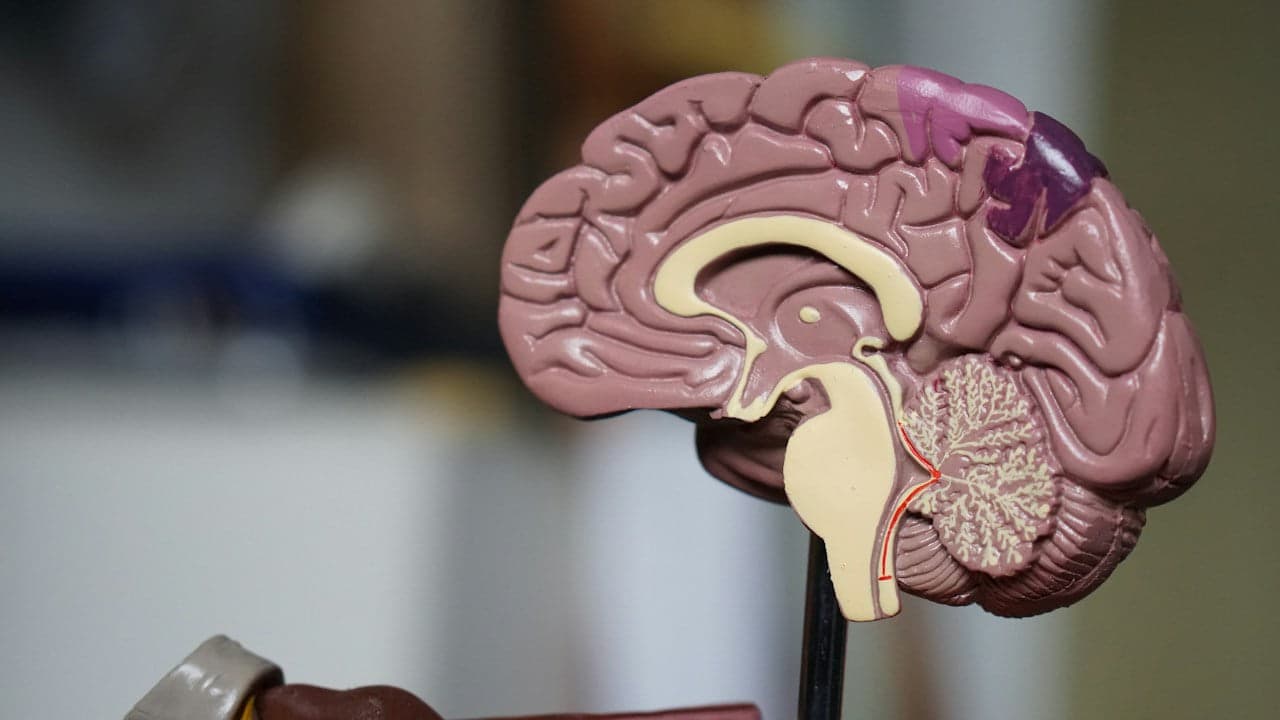
Genetic mutations linked to microcephaly leave human brains severely underdeveloped while sparing laboratory mice with the same defect. A research team at the VIB-KU Leuven Center for Neuroscience has resolved this evolutionary puzzle by tracking early cellular growth in human tissue models. Their scientific innovation shows that defects in the ASPM gene selectively target the stem cells that allow human brains to expand.
Disrupting the scaffold of cortical expansion
Mutations in the ASPM gene represent the primary cause of primary microcephaly, a congenital condition in which children are born with an abnormally small head and brain alongside persistent cognitive impairments. For years, geneticists struggled to understand why animal models failed to reflect this pathology, spurring biomedical innovation. Mice carrying identical ASPM mutations develop brains of normal volume, according to reporting by MedicalXpress.
Human brains undergo an expanded developmental trajectory compared with other mammals. Cells must divide, migrate and organize into layered structures according to a strict schedule. If progenitor cells fail during this early window, brain architecture never reaches its expected mass.
“We found that some diseases of genetic origin affect the human brain more than the brains of other species because our brains develop differently. In this case, a cellular process that is particularly important for human brain development is disrupted”
— Pierre Vanderhaeghen, VIB-KU Leuven Center for Neuroscience
Organoids reveal outer radial glia failure
To identify where the development diverged, the team grew three-dimensional human cortical organoids derived from patient tissue and matched control lines. These miniature tissue cultures represent a key innovation that emulates human fetal brain development outside the body, as detailed in findings published in Developmental Cell and covered by MedicalXpress.
The lab cultures revealed a precise cellular breakdown. Mutations in ASPM caused premature displacement and disrupted the specialization of outer radial glia cells. These specific neural stem cells are heavily expanded in the human fetal cortex. Dr. Ridha Limame, co-first author of the study, noted that patient-derived organoids enabled the team to track this premature displacement directly within a human cellular environment.
Evolutionary vulnerability in brain architecture
Although ASPM mutations exist throughout every tissue of an affected individual's body, symptoms concentrate heavily in the expanding brain. Other cellular systems appear able to compensate for the missing gene function, leaving outer radial glia uniquely vulnerable, according to MedicalXpress.
Professor Pierre Vanderhaeghen explained that the gene did not develop a new role in our species. Rather, the cellular process managed by ASPM became especially sensitive as human brains expanded over evolutionary history. The laboratory is now examining which specific neuronal connections suffer most from this developmental failure, and whether the long-term impact on the mature brain involves structural connectivity faults alongside a lower overall neuron count, opening pathways for future technology transfer.
Read also on The Patent: SmartPE Boosts Prime Editing in Dicot Crops · Rockefeller University Engineers TrUDI Platform for Deep Brain Imaging