Nasal Microbiome Fuels Staphylococcus aureus Growth Through Amino Acid Sharing
Researchers at LMU Munich find that neighbouring nasal bacteria supply tyrosine to Staphylococcus aureus, guiding future probiotic therapies to displace the pathogen.
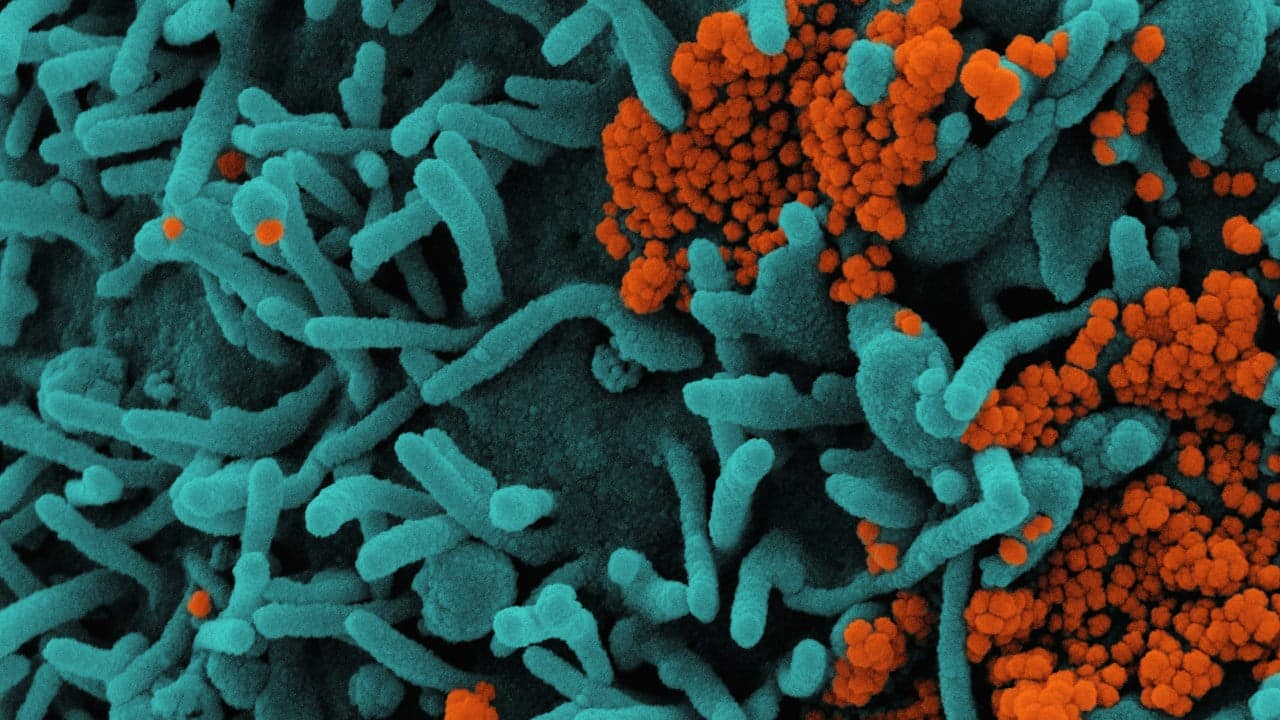
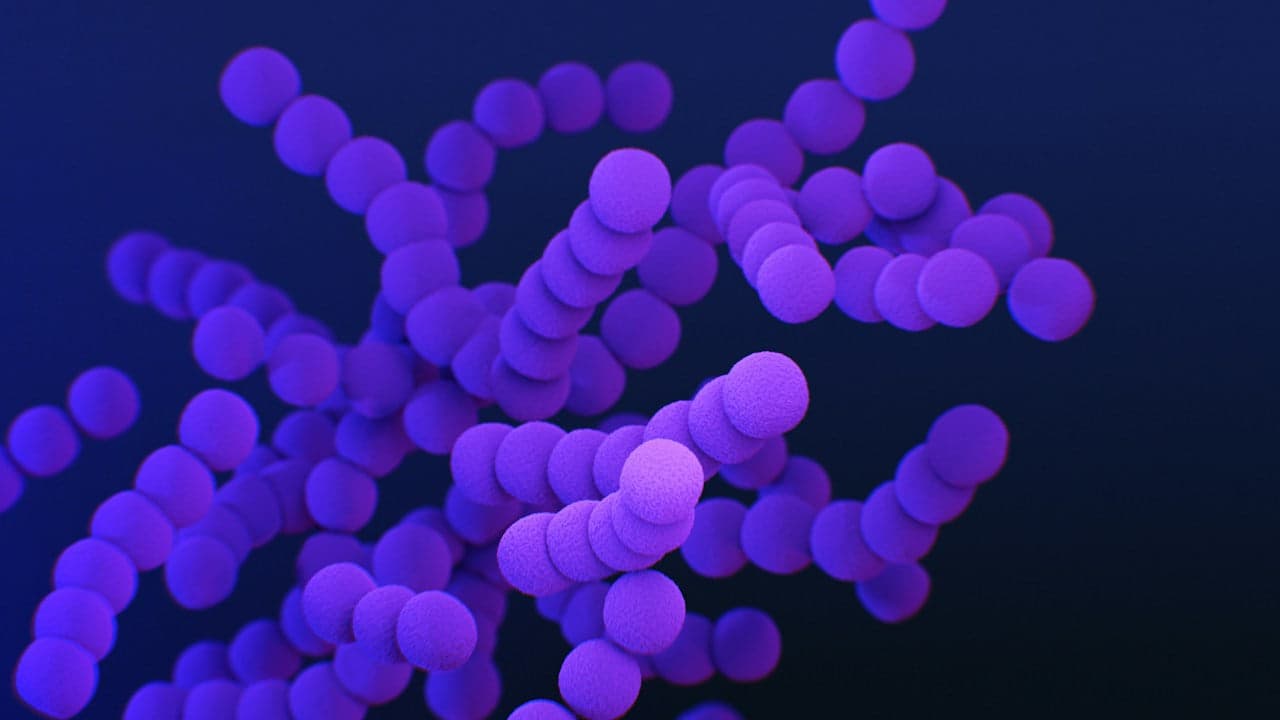
Microbiologist Simon Heilbronner and his team at Ludwig Maximilian University of Munich have uncovered how neighbouring nasal bacteria can directly feed the opportunistic pathogen Staphylococcus aureus. The study, published in the journal Microbiome, highlights an important biological innovation in understanding nasal colonization and designing targeted microbial communities to displace harmful microbes.
Tyrosine exchange inside the human nose
A study led by Simon Heilbronner, professor of microbiology at the LMU Biocenter, demonstrates that bacterial neighbours in the nasal cavity do not simply suppress or compete with pathogens. In a report published by Phys.org, researchers showed that other nasal microbes can actively support the survival of Staphylococcus aureus by producing and releasing essential nutrients. The team, including lead author Laura Camus, focused on how nutrient availability and bacterial metabolism dictate whether S. aureus establishes persistent residency in human nasal passages.
“Our findings show that we cannot simply divide the nasal microbiome into 'good' and 'bad' bacteria. What matters is which microorganisms live together and which nutrients they make available to one another or compete for.”
— Simon Heilbronner, professor of microbiology at LMU Biocenter
Testing 512 human strains of Staphylococcus aureus
The metabolic interaction became evident during tests of 512 human S. aureus strains. In the nutrient-scarce environment of the nasal passage, certain strains depend entirely on an external supply of the amino acid tyrosine. When the researchers added extra tyrosine, it directly boosted growth in 40 of the tested strains as documented by LMU Munich via Phys.org.
This dependence provides an unexpected advantage. When neighbouring bacteria supply enough tyrosine, S. aureus conserves its own metabolic resources by shutting down internal synthesis of the amino acid. Follow-up experiments conducted in mice confirmed that these specific metabolic differences alter how S. aureus colonizes host tissues when other nasal bacteria are present.
Prospects for probiotic design and intellectual property
The discovery points toward new methods for reshaping nasal microbiomes instead of relying solely on antibiotics. While no patent application or commercial product is described in the published study, mapping these metabolic exchanges provides the foundation for future intellectual property based on synthetic microbial communities. Medical treatments could deploy targeted probiotic bacteria formulated to starve S. aureus of essential resources.
As Heilbronner explained in the Phys.org report, successful therapies must prevent beneficial bacterial cocktails from inadvertently feeding the pathogen. What happens next depends on laboratory trials designed to assemble stable bacterial consortia that consume available nutrients faster than S. aureus, systematically denying the pathogen the compounds it needs to colonize.
Read also on The Patent: SmartPE Boosts Prime Editing in Dicot Crops · Kew Scientists Unmask False Lingzhi to End a 245-Year Mushroom Mystery