Microfluidic chip screens leukemia drug therapies in children
Engineers and oncologists in Atlanta design a microfluidic assay to evaluate three-drug combinations on live cancer cells before chemotherapy begins.
By Giovanni Sapere
2 min readHuman-Edited, AI-Assisted
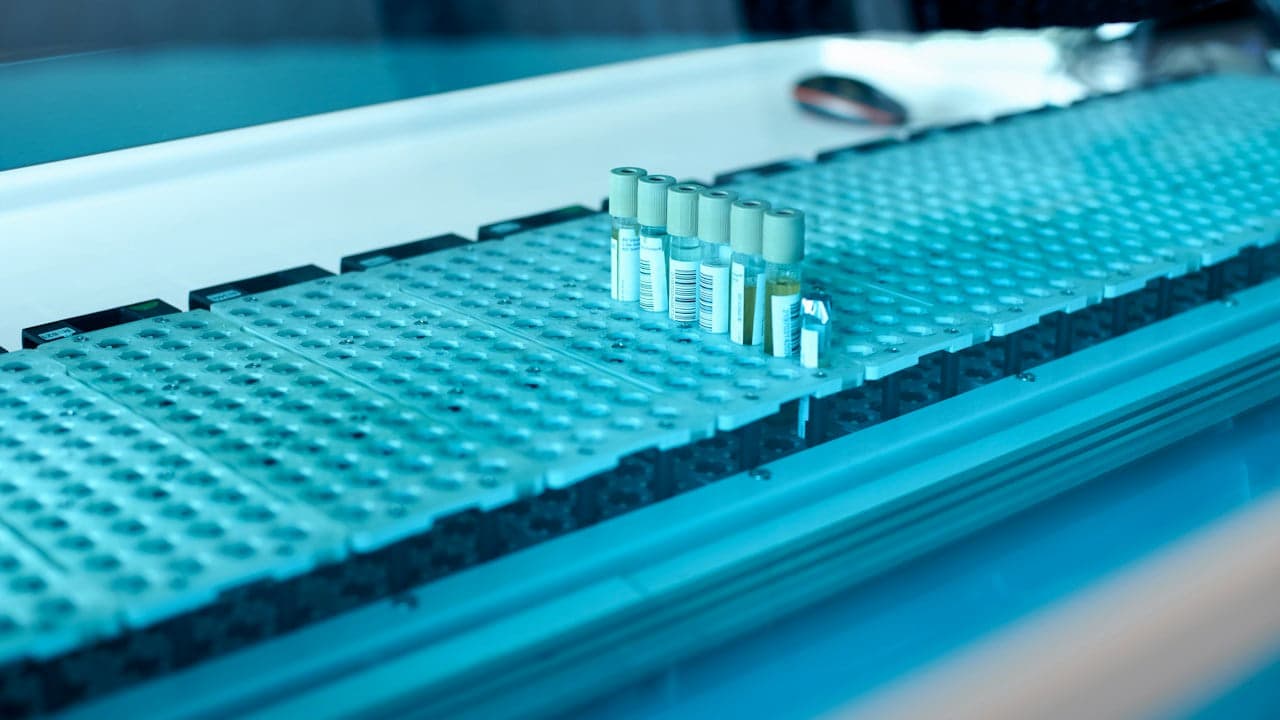
Engineers and pediatric oncologists at Emory University, Children's Healthcare of Atlanta, and Georgia Tech have developed a diagnostic test that screens cancer drugs directly against patient cells at diagnosis. The platform evaluates how three-drug combinations at varying doses affect live cancer cells, offering immediate functional data from a single sample.
Predicting drug resistance at diagnosis
More than 120,000 people in the United States live with acute lymphoblastic leukemia, known as ALL, with 6,000 new cases diagnosed each year. Over 3,500 children receive this diagnosis annually, making it responsible for 75 percent of all childhood leukemia cases, according to report data in MedicalXpress. The blood cancer progresses rapidly, halting the production of mature white blood cells within months. Although initial treatments rely on chemotherapy regimens structured around leukemia subtypes and genetic risk groups, most patients receive similar therapies. Around 15 percent of pediatric patients and 50 percent of adult patients still suffer relapse or refractory disease.
“GradientScreen aims to improve as well as broaden access to precision medicine in leukemia treatment by helping clinicians identify harder-to-treat patients earlier in disease progression, and more precisely matching them with new, alternative treatment approaches”
— Kendall Williams, biomedical engineer and study co-author
Microfluidic gradients replace one-by-one testing
To identify ineffective treatments before treatment begins, researchers engineered a microfluidic assay named GradientScreen. The diagnostic medical device evaluates cancer cell survival against multiple drug combinations simultaneously. Rather than testing each drug pair and concentration ratio in separate, resource-heavy culture wells, the microfluidic channel network assesses an entire spectrum of dosage ratios across a three-drug regimen in a single experiment, as documented in Nature Biomedical Engineering. Two patients sharing the same genetic mutation often show divergent responses to targeted therapies, making live-cell functional tests necessary alongside genomic sequencing.
Measuring cell survival across 17 clinical samples
The biomedical invention was created by Kendall Williams and Dan Zhang, graduates of Emory University and Georgia Tech, working alongside principal investigator Wilbur Lam. In a retrospective study evaluating 17 patient samples of leukemia cells and bone marrow provided by the Aflac Cancer and Blood Disorders Center at Children's Healthcare of Atlanta, the platform's survival profiles matched historical patient outcomes, as reported by MedicalXpress. The assay's measurements aligned with the volume of residual cancer cells remaining after the initial four weeks of induction chemotherapy, as well as documented patient relapses.
Expanding screening beyond pediatric ALL
The research team plans to widen testing to other blood cancers, including acute myeloid leukemia, and to evaluate adult patient cohorts. This technical innovation in functional drug profiling aims to shorten the timeline between diagnosis and personalized therapy selection, avoiding standard regimens that are likely to fail, according to the team's findings published in Nature Biomedical Engineering.
Read also on The Patent: IBM Links Two Quantum Chips with Superconducting Cables · From Prototype to Deployment: The Regulatory and Engineering Barriers in Health Innovation