NUS Engineers Weave a Touchscreen Display Directly Into Garment Fabric
A research team embedded thousands of microelectronic chips into flexible polymer threads to create an interactive sleeve.
By Letizia Giugliano
2 min readHuman-Edited, AI-Assisted
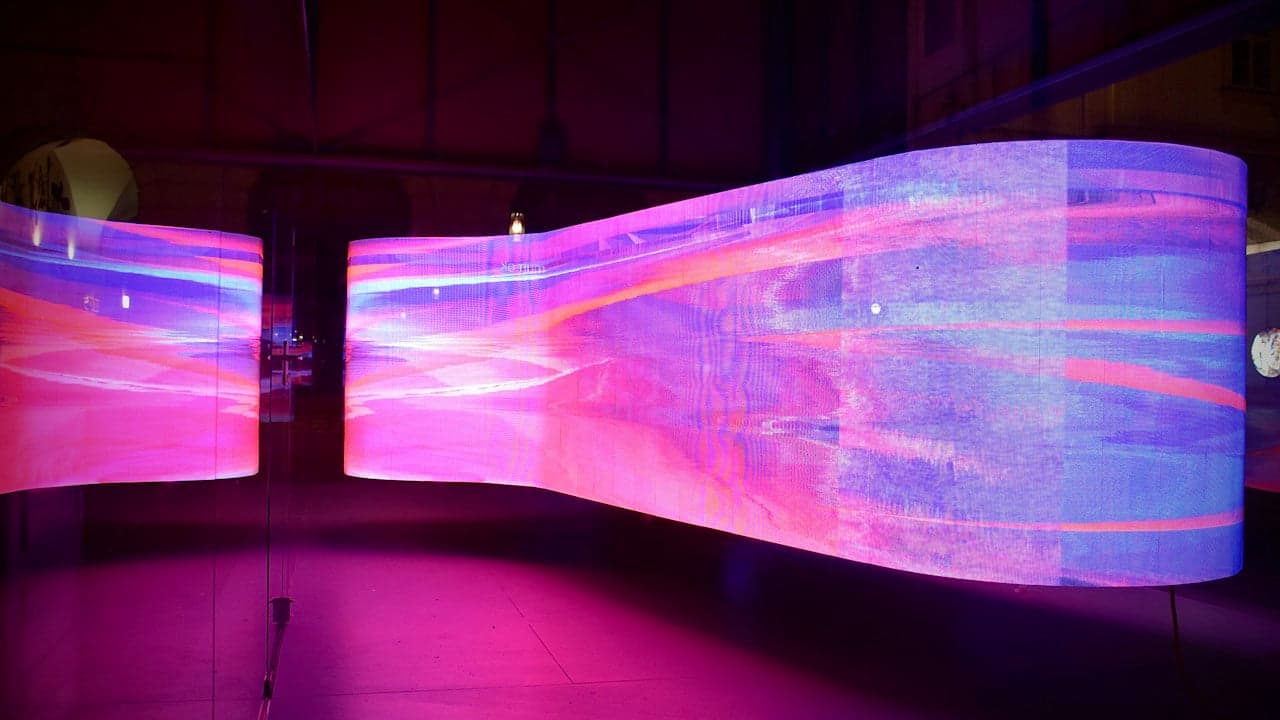
Engineers at the National University of Singapore have turned clothing fibers into an interactive display. Led by assistant professor Tural Khudiyev, the team integrated 54 electronic threads into a shirt sleeve to produce a touch-sensitive screen that plays video, registers finger presses and tracks body temperature.
How microelectronics fit inside a single thread
The National University of Singapore team built the display out of flexible plastic threads measuring 1 millimeter thick and up to 10 meters long. Described in the journal Nature, the invention represents an exciting innovation that turns clothing into an active electronic interface without relying on rigid external screens, according to reporting by New Atlas.
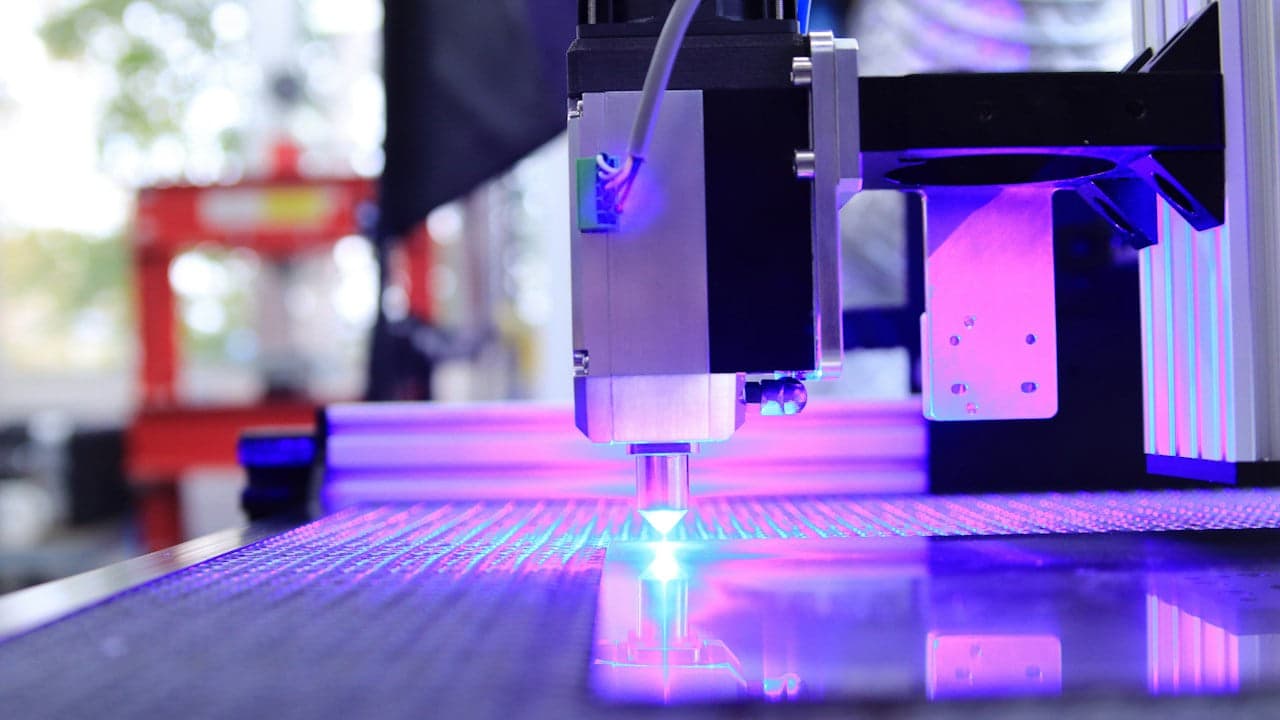
To make each thread, the researchers aligned thousands of miniature red, green and blue LED chips in a single row along thin, insulated copper wires. A programmable laser stripped away insulation at specific points where the wiring met the chips. The team then soldered the components together, linking more than 5,000 electronic chips across more than 20,000 electrical connections.
Thermal drawing turns circuits into flexible fiber
Once the circuitry was assembled, the researchers used thermal drawing to form the final fiber. The process involves heating a larger polymer structure until it softens, then pulling it into a thin strand while continuously feeding the interconnected LED strip into the center, as detailed by New Atlas.
This step sealed the electronics inside a transparent, protective polymer jacket. The engineers also added conductive layers directly beneath the LEDs to detect touch pressure. When a user presses the fiber, the system senses the contact and immediately illuminates the nearest pixel.
A working display built across a shirt sleeve
For their working prototype, the engineers wove 54 of the digital pixel fibers across the forearm of a shirt sleeve. Each strand holds 96 individually addressable LEDs, creating a 96 by 54-pixel display with an active area of 168 by 105 millimeters, New Atlas reported.
The screen runs at a refresh rate of 30 frames per second with 8-bit color depth. Although the resolution is coarse compared to a smartphone, the fabric shows clear animations, simple control menus and numerical readouts. Each LED receives control data along the copper wiring and passes remaining signals down the line, enabling coordinated graphics across the entire forearm.
Integrated sensors expand garment functions
The research group, which included PhD candidates Heng Fu and Ziang Li alongside research associate Swetika Chaturvedi and lead inventor Tural Khudiyev, also built auxiliary fibers using the same method. These specialized threads house microphones, speakers, motion sensors and a magnetometer for compass orientation, as reported by New Atlas.
Connected to these modules, the sleeve can run basic calculator tools, present photo galleries, respond to spoken prompts and receive images over Bluetooth. It can also measure skin temperature and present the reading directly on the forearm, pointing toward future uses in healthcare monitoring, robotics and interactive work uniforms.
Read also on The Patent: HELIOS, the plastic that emits light and repairs itself · Electricity from the shadows, the new frontier of photovoltaics