Ottawa Researchers Boost Organic Transistors via Microscopic Layer Tuning
Engineering the polymer dielectric base allows thin-film devices to operate at voltages as low as 0.9 V and opens paths for quantitative substance sensors.
By Giovanni Sapere
2 min readHuman-Edited, AI-Assisted
A research group led by Benoit Lessard at the University of Ottawa has demonstrated that altering the microscopic architecture of thin-film transistors dramatically enhances electrical efficiency. This innovation relies on adjusting polymer compositions at the molecular level, cutting operational voltage down to 0.9 V while paving the way for wearable and biodegradable electronics.
Molecular alignment at the transistor interface
Electronic devices frequently depend on thin-film transistors to govern the flow of electrical signals across displays and circuit assemblies. According to reporting by Interesting Engineering, researchers at the University of Ottawa found that fine-tuning the chemical structure of the bottom base layer directly dictates how upper conductive layers assemble. The underlying layer's composition and physical properties influence molecular arrangement, which alters how effectively electrical charges migrate through the architecture.
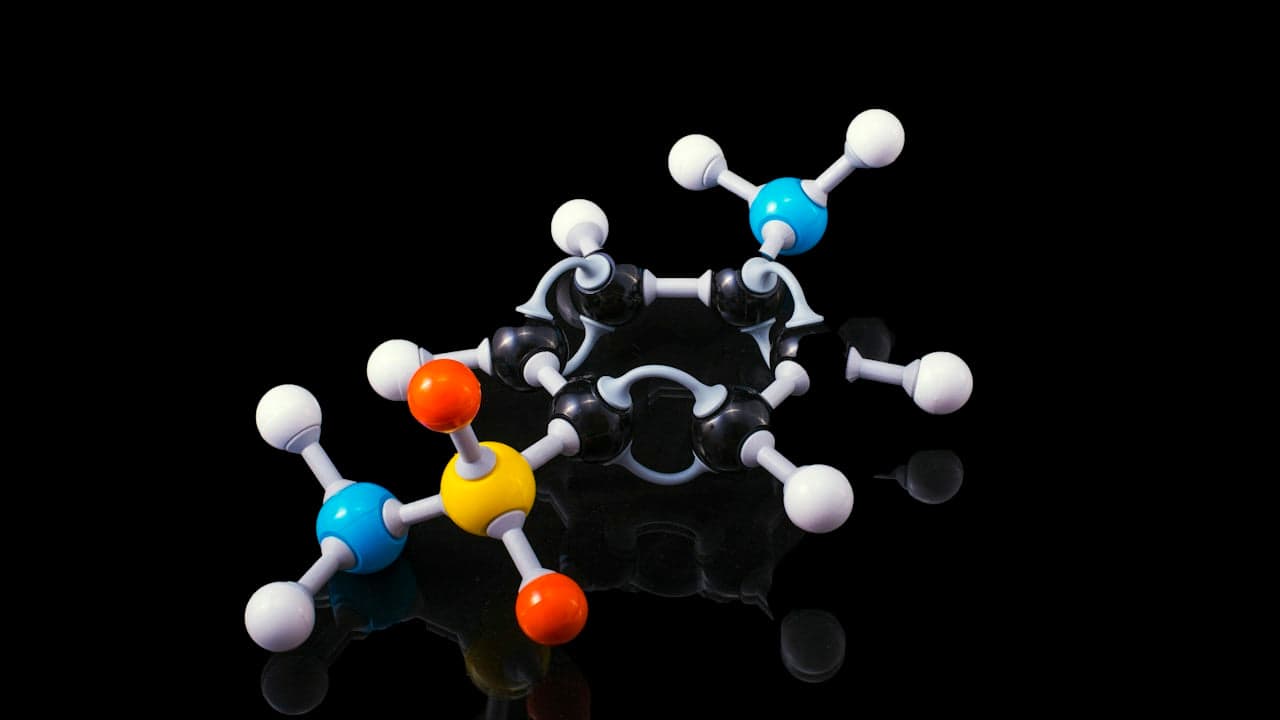
Investigating n-type organic thin-film transistors, the laboratory evaluated semiconductor films made of bis(pentafluorophenoxy) silicon phthalocyanine, known as F10SiPc. These semiconductor films were deposited onto methacrylate-based polymer dielectrics formulated with Polymerized ionic liquids (PIL) units. Using analytical methods including atomic force microscopy, synchrotron grazing incidence wide angle X-ray scattering, and electrical characterization, the team established that varying the dielectric composition grants precise control over how F10SiPc molecules align on the underlying substrate.
“It’s really important to keep in mind the bottom layer when you put the next layer on top, because it’s going to influence how that next layer organizes, how those molecules line up”
— Benoit Lessard, University of Ottawa
Performance gains and energy efficiency
The structural modifications produced quantifiable electrical benefits without requiring complex redesigns of the circuit geometry. By increasing the PIL content in the dielectric layer from 12% to 65%, the researchers achieved an operating threshold as low as 0.9 V, as detailed by Interesting Engineering.
Along with lowering operating voltage, the study recorded a current on-off ratio (Ion/Ioff) of 10⁴ and reached a transconductance level of up to 1850 nS. Reducing the electrical energy required to operate these organic switches contributes directly to device sustainability, supporting the production of miniature components that consume less power and can be integrated into biodegradable substrates.
Advancing quantitative substance detection
Beyond power reductions in traditional electronics, the team emphasized that this transistor invention enables practical medical and diagnostic applications. The laboratory led by Benoit Lessard is deploying these responsive interfaces into electrochemical sensors designed to evaluate chemical compounds in field environments, reports Interesting Engineering.
Current test tools for street substances such as fentanyl offer binary detection that merely indicates whether a drug is present. By deploying sensitive organic thin-film transistors that register nuanced electrochemical reactions, the Ottawa researchers aim to develop portable sensors that report the exact quantity of fentanyl present in a sample, providing vital data for healthcare professionals and harm-reduction strategies.
Read also on The Patent: Optical Waveguides Turn Flexible Sheets into Dynamic Shape Sensors · Can I send you a kiss? Justin and Simon’s (romantic) invention