Superconducting Neural Chip Processes One Million Fusion Plasma Samples Per Second
Researchers at Brookhaven National Laboratory and Great Sky design a brain-inspired processor to detect reactor instabilities in real time
By Giovanni Sapere
2 min readHuman-Edited, AI-Assisted
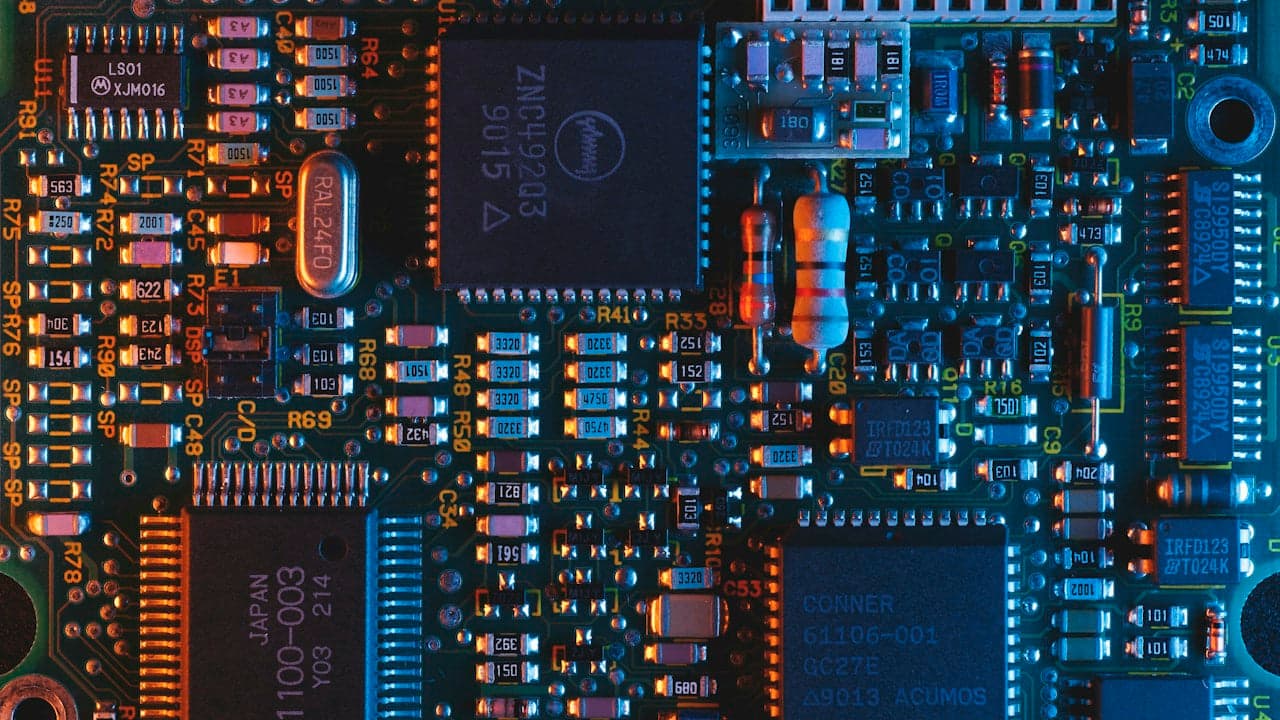
Scientists at the US Department of Energy's Brookhaven National Laboratory, in collaboration with the Princeton Plasma Physics Laboratory and Colorado hardware firm Great Sky, have developed a superconducting neural chip capable of analyzing roughly one million plasma samples every second. The hardware applies principles of artificial intelligence and brain-inspired circuitry to the challenge of real-time control inside fusion reactors.
Brain-inspired circuits for extreme environments
Monitoring the superheated matter inside a tokamak requires data processing speeds that test the physical boundaries of conventional silicon chips. Inside magnetic confinement devices, ionized gas reaches temperatures between 180 and 270 million degrees Fahrenheit, creating conditions prone to rapid turbulence that must be adjusted instantly to avoid disruptions. To tackle this, researchers at Brookhaven National Laboratory designed a specialized computing architecture that mimics biological neural pathways using superconducting circuitry, developing a breakthrough invention for artificial intelligence processing, as reported by Interesting Engineering.
“This chip took data straight from a tokamak at millions of samples every second and kept up.”
— Steven Cowley, Director of Princeton Plasma Physics Laboratory
Tokamak trials and disruption forecasting
The hardware was evaluated using operational measurements recorded at the DIII-D National Fusion Facility, an experimental installation operated by General Atomics in San Diego, California. During laboratory benchmarks, the chip processed real plasma signals at a rate of one million samples per second, demonstrating an ability to identify abnormal behavior before larger operational disruptions developed. Beyond physical tokamak data, the research team tested the system against synthetic data generated by TORAX, an algorithmic core transport simulator created by Google DeepMind's fusion division, confirming that the processor could detect the onset of internal sawtooth instabilities.
Scaling the hardware architecture
According to manufacturer Great Sky, the device represents its largest superconducting neural processor manufactured so far. Beyond nuclear fusion control, the underlying hardware innovation could eventually support high-bandwidth applications in cybersecurity, space systems, high-speed X-ray analysis, and quantum computing. The consortium is currently engineering a successive iteration featuring a neural network 10 times larger than the current design, with plans to demonstrate the upgraded hardware at Brookhaven in early 2027 prior to experimental deployment at the DIII-D facility later that year, marking a major milestone for patent news observers in advanced computing.
Read also on The Patent: Compact Engineering Solves Outdoor Frustrations in October 2026 Gear · Google Willow Processor Reduces Quantum Error Rates by Forty Times