University of Melbourne Study Maps 34 Percent Cut in EV Battery Emissions
Researchers model supply-chain decarbonisation and demand curbs capable of eliminating over six billion tonnes of carbon dioxide by 2050.
By Letizia Giugliano
2 min readHuman-Edited, AI-Assisted
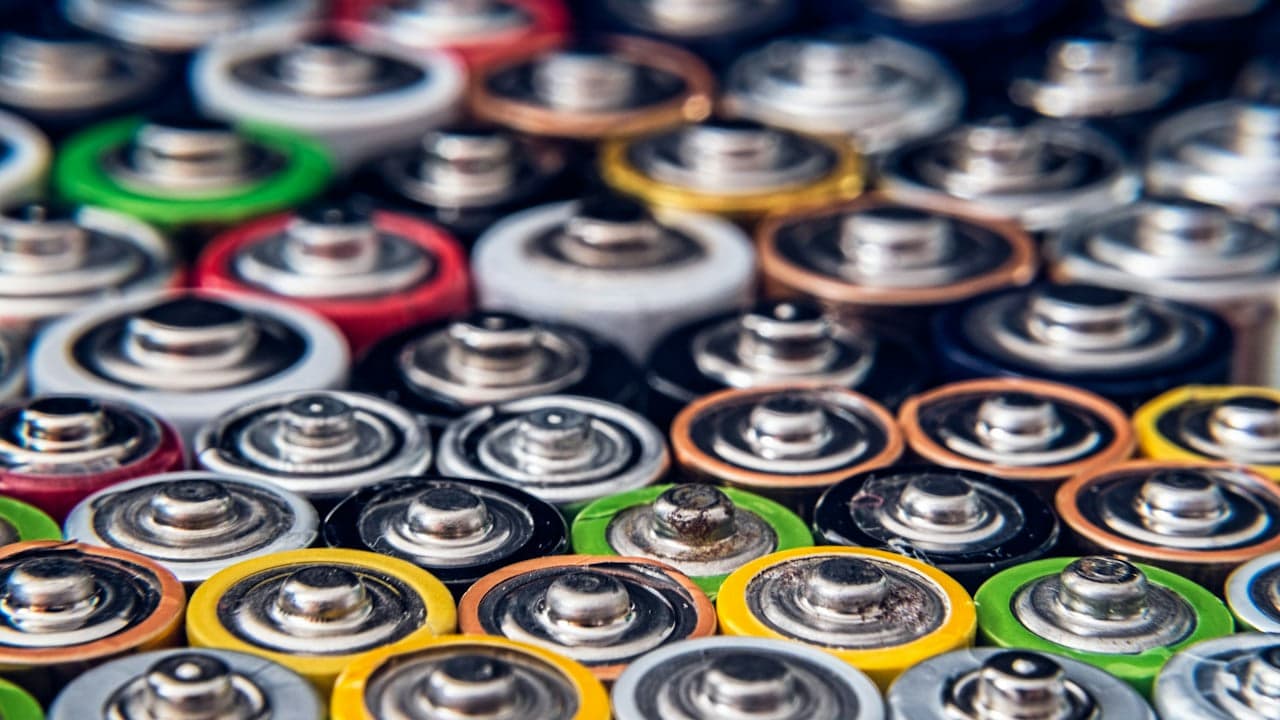
A study led by researchers at the University of Melbourne reveals that lithium-ion battery supply-chain emissions can drop by approximately 34 percent by 2050. The research models how industrial decarbonisation and demand-side strategies could prevent up to 7.2 billion metric tons of greenhouse gas emissions worldwide.
Modeling the battery carbon footprint
Industrial innovation across lithium-ion manufacturing could significantly curtail future emissions, according to modeling by researchers at the University of Melbourne reported by Interesting Engineering. By examining resource extraction, cell assembly, and recycling pathways under International Energy Agency scenarios, the team determined that cleaner power grids, high-efficiency manufacturing processes, and lower-carbon chemistries could reduce the carbon footprint of an individual battery cell by roughly 34 percent by 2050.
Curbing demand through design and reuse
While clean manufacturing is necessary, the study demonstrates that demand-side interventions can eliminate more emissions than production upgrades alone, as reported by Interesting Engineering. Ensuring that vehicle batteries last the entire lifespan of the automobile could lower battery demand by 29 percent, while capping battery pack capacity growth would decrease demand by another 23 percent. Furthermore, deploying retired vehicle cells into stationary energy storage systems yields an 8 percent reduction in demand, and widespread carpooling could cut another 10 percent.
Circular economy and recycling benefits
Material recovery plays a decisive role in long-term sustainability, with recycling easing the environmental burden of raw mineral extraction, as documented by Interesting Engineering. The Melbourne study aligns with earlier 2025 findings from Stanford University, which established that recycling manufacturing scrap and spent packs produces less than half the greenhouse gas emissions of traditional mining and refining while consuming one-quarter of the required water and energy.
The cumulative impact toward 2050
Implemented together, these manufacturing and demand-side adjustments could prevent between 6 to 7.2 billion metric tons of carbon dioxide equivalent emissions between 2024 and 2050, according to the research detailed by Interesting Engineering. The findings outline an operational roadmap where improving battery durability and reusing components take precedence alongside the rollout of cleaner manufacturing infrastructure.
Read also on The Patent: Compact Engineering Solves Outdoor Frustrations in October 2026 Gear · Google Willow Processor Reduces Quantum Error Rates by Forty Times