sustainability

Environment

Fruit and vegetable scraps pack more fiber than flesh, King's study shows

Researchers at King's College London found that discarded skins, seeds, and cores from twelve common fruits and vegetables contain higher fiber concentrations than the flesh itself. The team explored root-to-tip consumption as a dietary innovation to combat both household food waste and nutrient deficiencies. Their laboratory analysis showed that common kitchen refuse represents between 25% and 48% of total produce weight.

Letizia Giugliano

Inventions

Intestine-inspired biobattery generates eight times more power

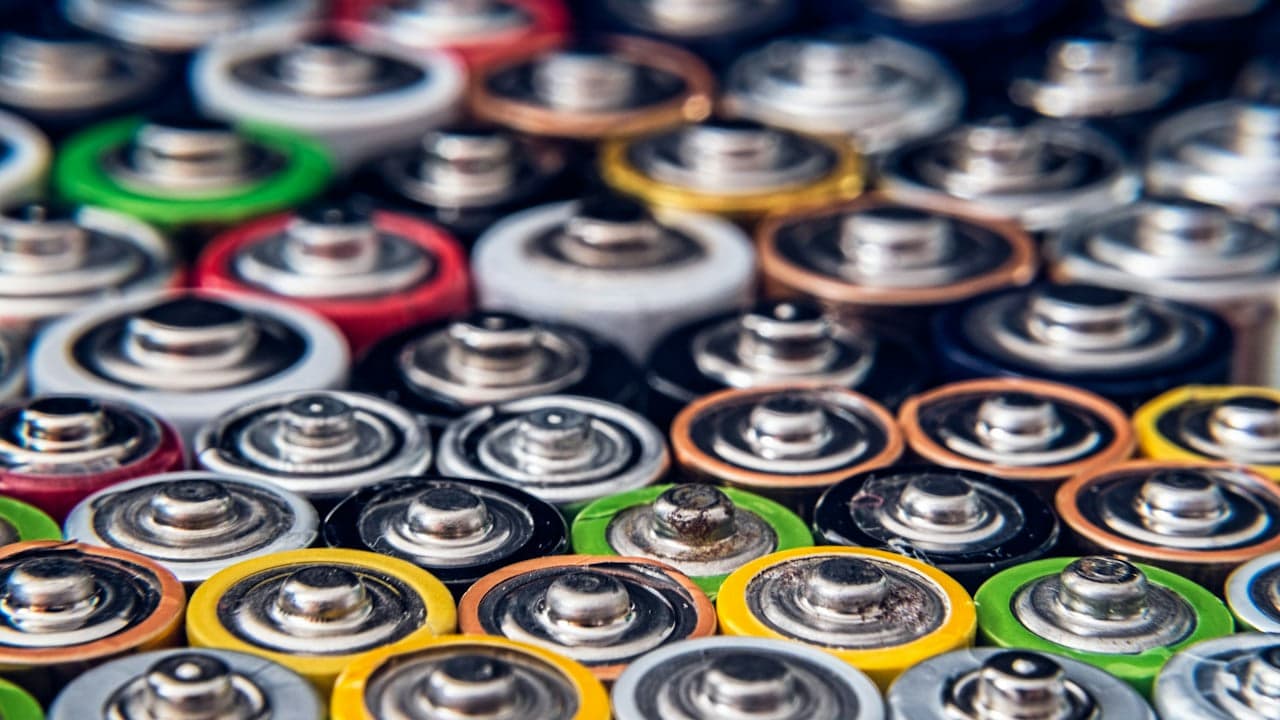
Engineers at Binghamton University have developed a bacteria-powered biobattery that produces over eight times more electricity per unit volume than conventional flat designs. The biological invention copies the shape, material, and mechanics of the villi that line the human small intestine to keep electricity-generating microbes alive and active.

Giovanni Sapere

Environment

LiDAR Mapping Guides Riverbank Tree Planting to Protect Salmon Rivers

In October 2026, researchers from the Eau Terre Environnement Research Center at Canada's Institut National de la Recherche Scientifique revealed a targeted ecological innovation to protect Atlantic salmon from warming waterways. By combining high-resolution LiDAR scanning with spatial modeling along the Dartmouth River in Québec, the team demonstrated how strategic tree planting along riverbanks can cut summer solar radiation absorption by nearly 40 percent.

Giovanni Sapere

Biology

Solar and Soil Biobattery System Produces Urea Directly in the Field

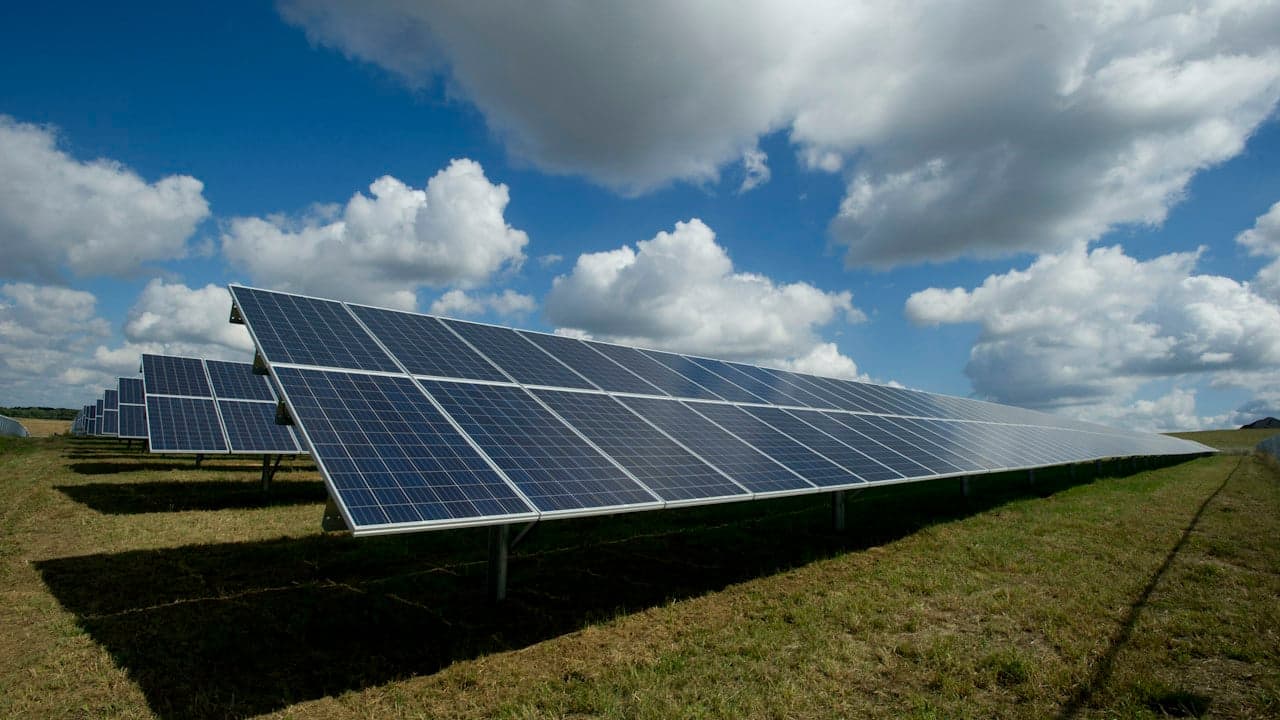
Researchers led by the Universitat Autònoma de Barcelona have successfully deployed an agricultural pilot plant that manufactures nitrogen fertilizer on site from environmental pollutants. Tested in Viladecans, the installation synthesizes urea from carbon dioxide and agricultural nitrates using energy supplied by solar panels and soil biobatteries. The project provides a decentralized method to produce essential agricultural inputs without fossil-fuel-intensive supply chains.

Giovanni Sapere

Chemistry

Perovskite Solar Cells Endure 1,000 Hours of Extreme Heat and Moisture

Researchers in South Korea have developed a chemical catalytic process that allows perovskite solar cells to maintain 95 percent of their initial power conversion efficiency after 1,000 hours under harsh environmental conditions. The chemical invention resolves a long-standing durability barrier, offering a viable path for perovskite materials to support industrial renewable energy generation.

Giovanni Sapere

Environment

University of Melbourne Study Maps 34 Percent Cut in EV Battery Emissions

A study led by researchers at the University of Melbourne reveals that lithium-ion battery supply-chain emissions can drop by approximately 34 percent by 2050. The research models how industrial decarbonisation and demand-side strategies could prevent up to 7.2 billion metric tons of greenhouse gas emissions worldwide.

Letizia Giugliano

AI

AI Weed Control Sparks a Third Agricultural Revolution

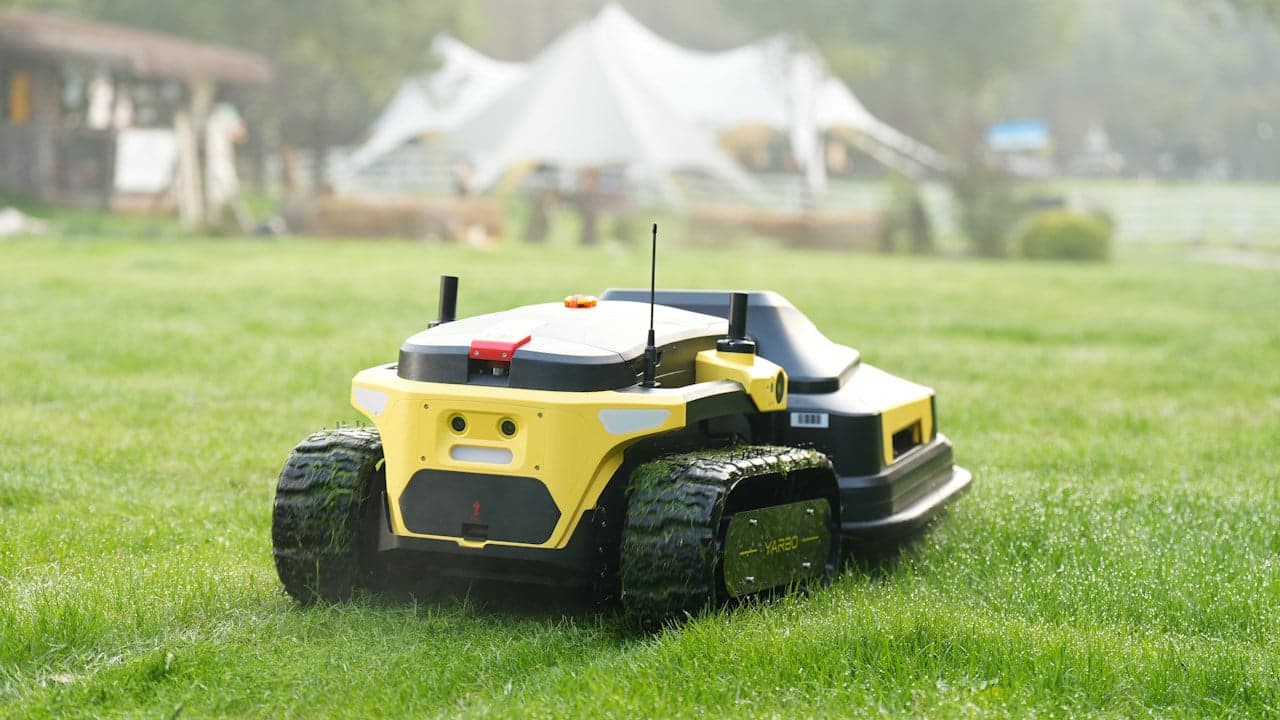
Researchers from the University of Mississippi and Cornell University have analyzed how precision agriculture driven by artificial intelligence is reshaping crop management. Their evaluation shows that automated lasers, robotic cultivators, and targeted sprayers can sharply reduce chemical applications, though substantial capital costs and regional data limitations temper widespread adoption.

Giovanni Sapere

News

Solar Bin Insert Uses Catalytic Heat to Destroy Odors

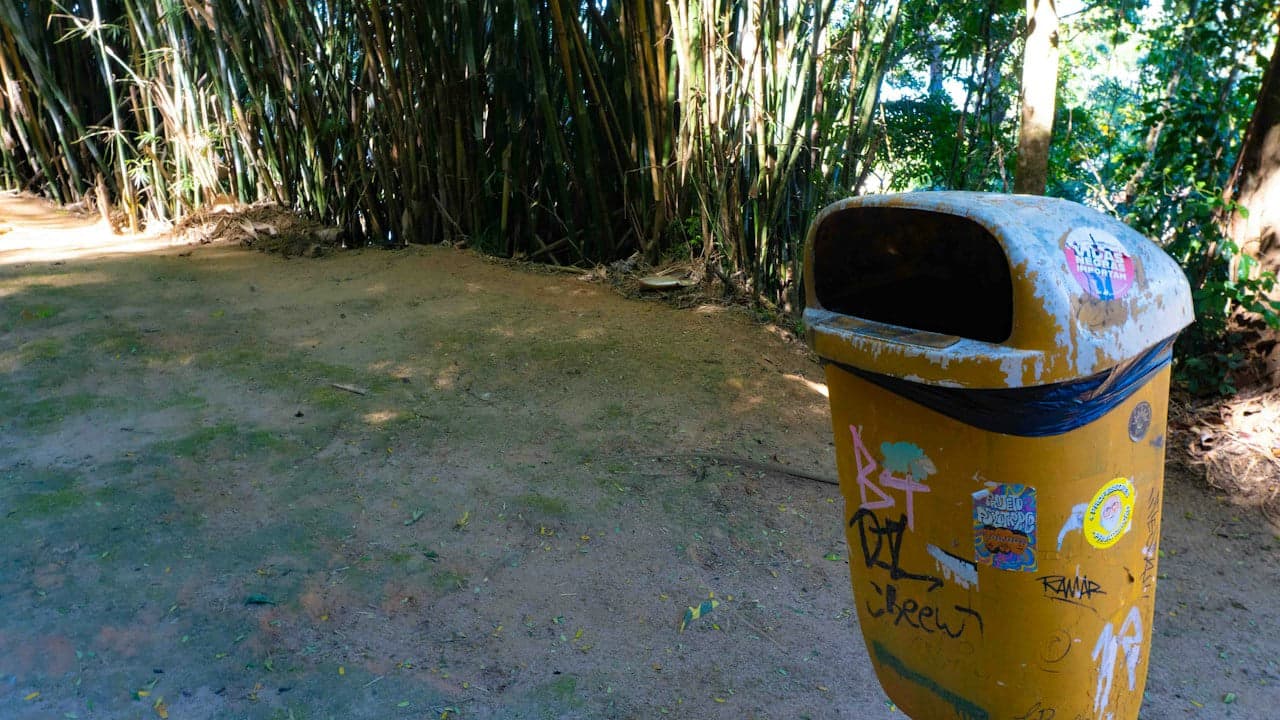
A research team in China has engineered a solar-activated bin lid attachment that eliminates pungent food odors from outdoor waste. The innovation relies on sun-driven chemical reactions rather than masking agents or physical filters to neutralize decomposing waste directly inside the container.

Giovanni Sapere

Norms & Regulation

France Proposes New Rules for 3D-Printed Spare Parts

France has recently notified the European Commission of a draft decree concerning spare parts generated through 3D printing technology. This initiative aims to navigate the complex landscape of intellectual property rights in modern manufacturing while fostering greater product longevity and sustainability.

Giovanni Sapere

Motors

EU's EV4EU Project Advances Bidirectional EV Charging

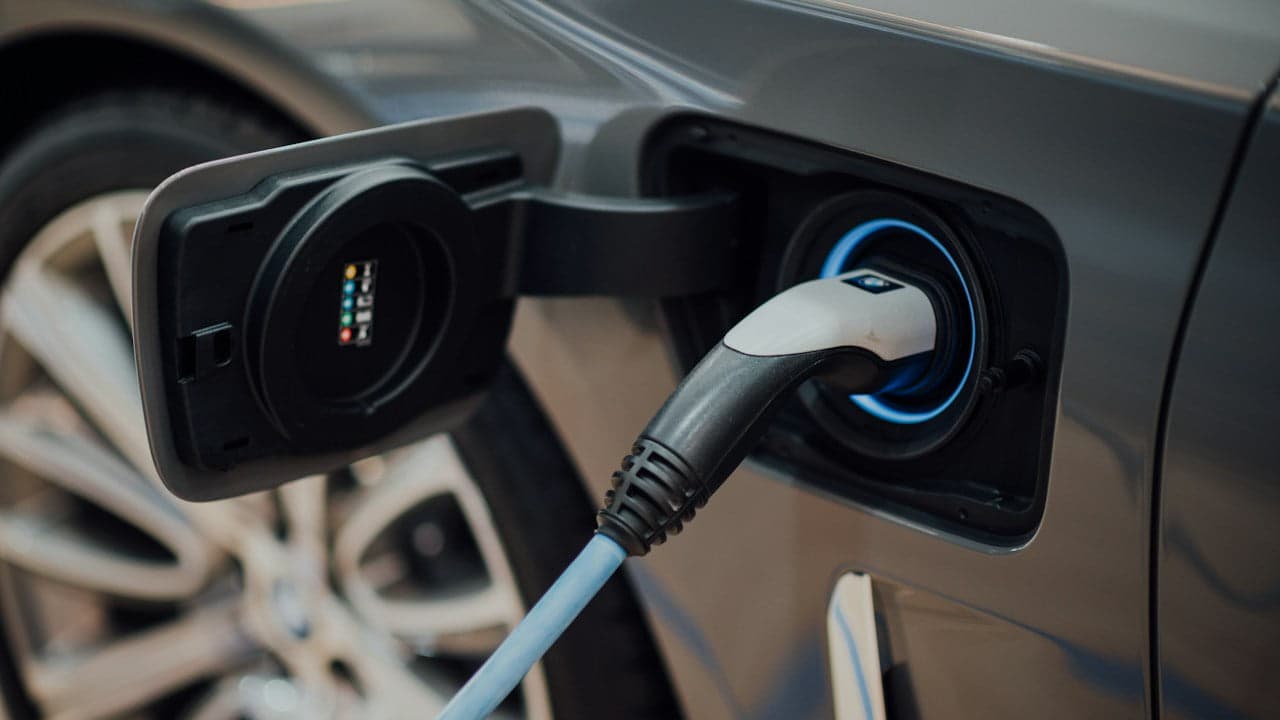
The European Union's EV4EU project has concluded its four-year effort, delivering key innovation in electric vehicle charging. This initiative focused on developing bidirectional charging solutions, which allow electric cars to not only draw power from the grid but also feed it back. The project's outcomes aim to enhance the adaptability of power systems by leveraging the energy stored in electric vehicle batteries [Electrive](https://www.electrive.com/2026/10/10/ev4eu-project-advances-bidirectional-charging/).

Giovanni Sapere

Norms & Regulation

German Supreme Court Raises Bar for Abstract Color Trademarks

The German Supreme Court has recently issued a significant ruling, making it more challenging to obtain trademark protection for abstract color marks based on acquired distinctiveness [The IPKat](http://www.blogger.com/feeds/5574479/posts/default/903164312701155405). This development underscores the evolving landscape of intellectual property law, a theme also explored in a new academic handbook on upcycling [The IPKat](http://www.blogger.com/feeds/5574479/posts/default/2308835532720489033).

Giovanni Sapere

Motors

Bucharest Secures €87 Million for New Electric Public Transport

Bucharest, Romania, has secured significant funding to modernize its public transport. The investment, totaling €87.44 million, will facilitate the acquisition of new electric vehicles, marking a step towards sustainable urban mobility. This initiative aims to enhance the city's transport infrastructure and reduce emissions.

Letizia Giugliano

Norms & Regulation

European IP Developments: AI, 3D Printing, and Copyright Rulings

The European intellectual property landscape is seeing significant developments, with a recent German court ruling on copyright, a French draft decree addressing 3D-printed spare parts, and an upcoming transatlantic dialogue on artificial intelligence and copyright [The IPKat - Never Too Late](http://www.blogger.com/feeds/5574479/posts/default/8967767037009385522), [The IPKat - Friday Fantasies](http://www.blogger.com/feeds/5574479/posts/default/4910257983581926118), [The IPKat - 3D-printed spare parts: IP and sustainability](http://www.blogger.com/feeds/5574479/posts/default/7324440899926444539). These events reflect ongoing efforts to adapt legal frameworks to technological advancements and evolving creative practices.

Letizia Giugliano

Environment

Mythos AI: The Autonomous Revolution Starting from the Sea

While the world watches closely as self-driving cars are developed, a quiet revolution is taking place where the asphalt ends: at sea. At the heart of this transformation is Mythos AI, a tech company focused on creating fully autonomous hydrographic vessels capable of mapping the seabed with…

Contributor