AI Weed Control Sparks a Third Agricultural Revolution
Laser systems and robotic tillers cut herbicide use, but million-dollar price tags and algorithm blind spots pose steep hurdles
By Giovanni Sapere
2 min readHuman-Edited, AI-Assisted
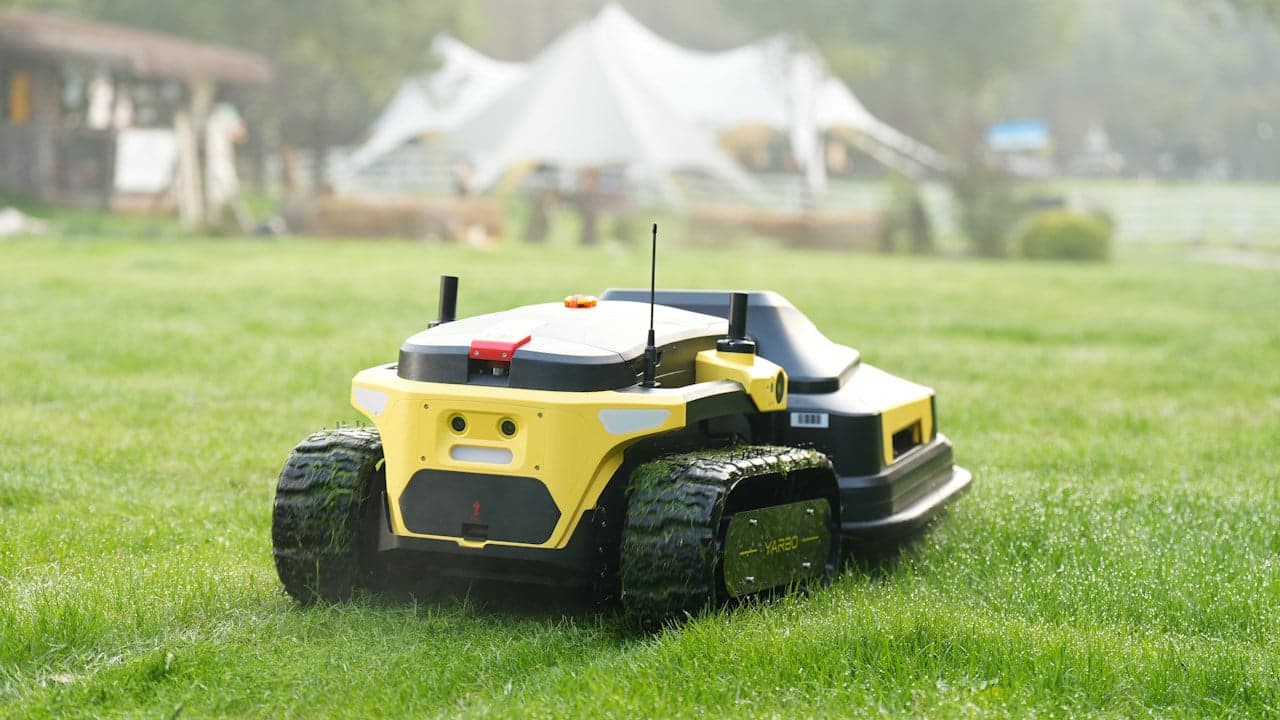
Researchers from the University of Mississippi and Cornell University have analyzed how precision agriculture driven by artificial intelligence is reshaping crop management. Their evaluation shows that automated lasers, robotic cultivators, and targeted sprayers can sharply reduce chemical applications, though substantial capital costs and regional data limitations temper widespread adoption.
Targeting weeds in real time
Modern weed control is entering what scientists describe as its third major transformation, following the twentieth-century introductions of synthetic herbicides and genetically modified crops. As detailed in a review published in the journal Engineering and reported by Phys.org, automated field systems harness computer vision to identify unwanted plants between crop rows instantly. Once the machinery identifies a target, it can eliminate the weed through high-intensity light beams, localized chemical micro-bursts, or targeted mechanical tillage.
According to study co-author Stephen Duke, a research professor at the University of Mississippi National Center for Natural Products Research, this artificial intelligence approach enables farmers to manage land with unprecedented accuracy. For organic growers who avoid chemical applications entirely, autonomous weeding machines provide an alternative to manual hoeing, which has grown increasingly scarce and costly across farming regions.
“It looks to me like AI-driven precision weed management will be the next revolution. This has the potential to drastically change how we manage our crops.”
— Stephen Duke, University of Mississippi
Protecting specialty crops and farm ecosystems
A primary benefit of targeted field robotics is safeguarding delicate commercial produce. High-value fruits and vegetables often suffer stunted emergence or foliar damage when standard herbicides drift onto them, a risk that specialized machinery minimizes by keeping treatments off crop foliage.
Co-author Lynn Sosnoskie, an associate professor at Cornell University, noted in the report from Phys.org that confining chemical applications strictly to weeds decreases exposure risks for field crews and lowers toxic runoff into nearby ecosystems. By reducing broad-acre spraying, growers can preserve plant vigor while suppressing competitive flora that would otherwise reduce marketable yields.
High machine costs and algorithmic limitations
Despite the operational benefits, technological hurdles and financial entry points remain formidable. Commercial mechanical systems currently command prices around $75,000, while autonomous laser units can exceed $1 million per implement, as reported by Phys.org. While certain European operations, such as an organic enterprise in the Netherlands, have invested in multiple laser weeders to offset labor bottlenecks, small and mid-sized farms face prohibitive capital requirements.
Beyond capital expenses, technical barriers persist. Repeated mechanical weeding risks degrading baseline soil structure, while targeted micro-doses do not halt the spread of herbicide-resistant weed varieties. Furthermore, agricultural machine learning models frequently exhibit geographic bias. Training datasets collected predominantly in arid western states such as California fail to distinguish common regional flora like ragweed in the southeastern United States, demonstrating that broader algorithmic innovation and local field tuning will be critical before these platforms can reliably replace conventional sprayers.
Read also on The Patent: WiBotic Brings Patented Wireless Opportunity Charging to Autonomous Fleets