APOE Christchurch Mutation Blocks Parkinson's Proteins in Lab Models
Oregon Health & Science University researchers find the rare genetic variant stops alpha-synuclein buildup, suggesting a target for gene therapy.

A rare genetic variant known as the Christchurch mutation prevents the accumulation of toxic proteins linked to Parkinson's disease and Lewy body dementia, according to mouse experiments at Oregon Health & Science University. The biomedical innovation, published in Cell Reports, points to a potential gene therapy approach that could shield both motor and cognitive brain functions from neurodegenerative decline.
Blocking two distinct toxic brain proteins
Scientists have known that the Christchurch mutation of the APOE gene helps shield brain tissue against Alzheimer's disease. According to research reported by MedicalXpress, a team led by senior author Vivek Unni, associate professor of neurology at the Oregon Health & Science University School of Medicine, tested whether the variant could also influence other degenerative brain disorders, opening new avenues for medical innovation.
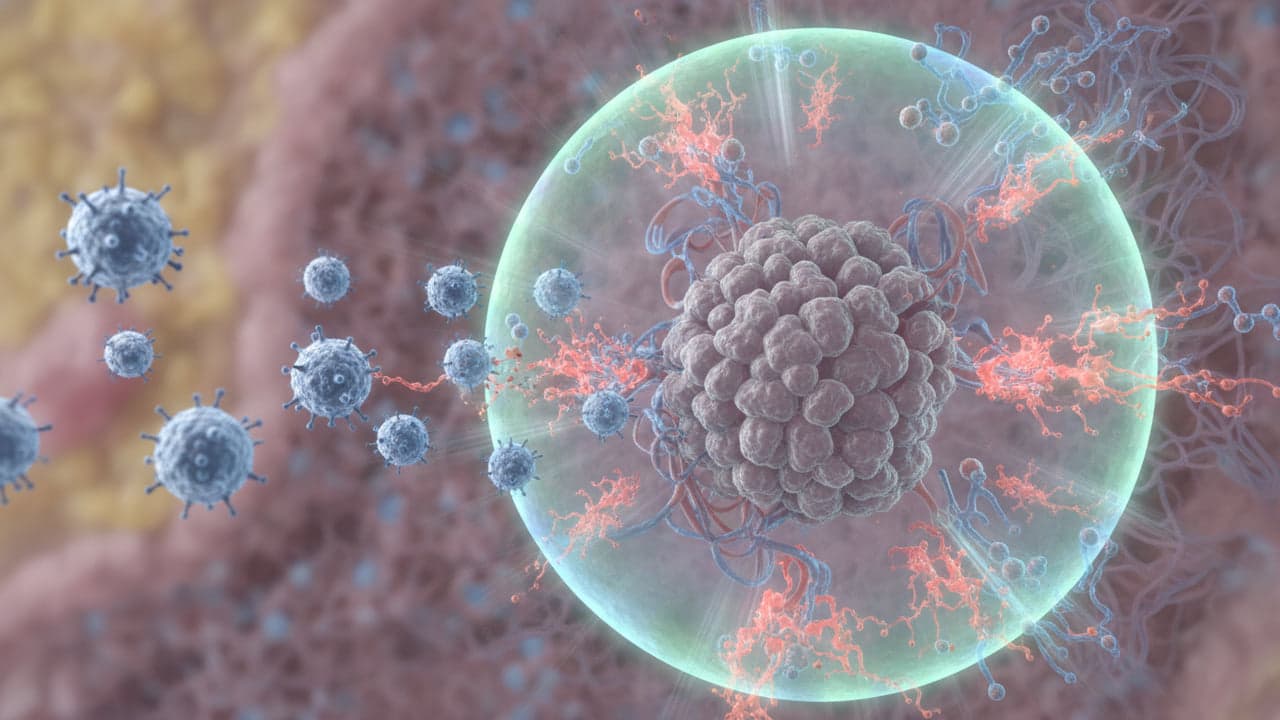
In the study led by first author Carlos M. Soto-Faguás, researchers evaluated laboratory mice genetically modified to accumulate tau and alpha-synuclein proteins. The accumulation of alpha-synuclein typifies the pathology of Parkinson's disease and Lewy body dementia, while tau buildup is characteristic of Alzheimer's. When scientists introduced the Christchurch mutation into the APOE gene of these predisposed animals, the mice did not accumulate either protein in their brain tissue, demonstrating a protective biological effect against both pathologies, as detailed in Cell Reports.
“It opens up this idea that this Christchurch mutation could be helpful for a lot of things we didn't realize before”
— Vivek Unni, associate professor of neurology at OHSU School of Medicine
A protective variant acting beyond Alzheimer's
The Christchurch variant was first identified in New Zealand and gained broader scientific attention in 2019, when researchers identified a Colombian woman carrying the mutation who avoided dementia symptoms despite possessing genetic markers that typically guarantee early Alzheimer's disease. Earlier animal studies confirmed that the variant stops tau tangles from forming.
The OHSU experiments confirm that resistance to tau while extending the protective mechanism to alpha-synuclein. Unni noted that existing biotechnology development already targets a more common protective variant known as APOE-2. In preclinical mouse models, the Christchurch variant demonstrated higher protective activity than APOE-2, behaving what Unni described as a super-APOE-2 that blocks two separate disease pathways at once, as reported by MedicalXpress.
The path toward commercial gene therapy trials
The discovery creates a biological blueprint for future gene delivery treatments aimed at halting Parkinson's disease progression before permanent nerve damage occurs. Translating this laboratory invention into an approved therapeutic tool will require multi-stage development, solid patent protection, and commercial technology transfer partnerships.
Unni stated that his laboratory plans to continue preclinical validation to establish safety and delivery mechanisms in larger experimental setups. The team aims to gather enough data to persuade pharmaceutical developers or an emerging biotech startup to license the intellectual property and finance human clinical trials. Testing and validating such an APOE Christchurch gene therapy platform will take several years, according to findings in MedicalXpress.
Read also on The Patent: Cryo-EM Reveals How TACO1 Keeps Mitochondrial Protein Synthesis Moving