Environment

Environment

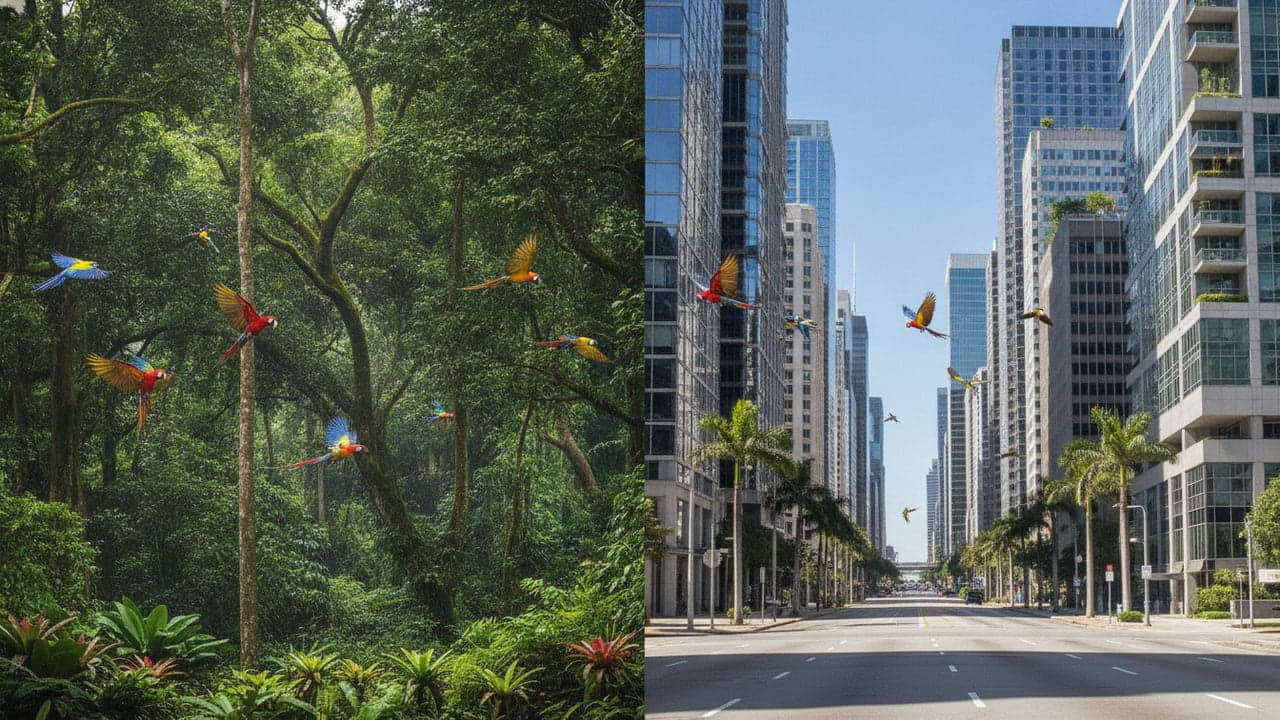
Tropical cities lose three times more bird species than northern hubs

Ecologists analyzing more than 10,000 bird species found that urban expansion weakens Earth's latitudinal diversity gradient by a factor of three. The team, led by researcher Jory Griffith, reported that cities near the equator lose far more native bird varieties than northern settlements, highlighting where conservation innovation is needed most.
Environment

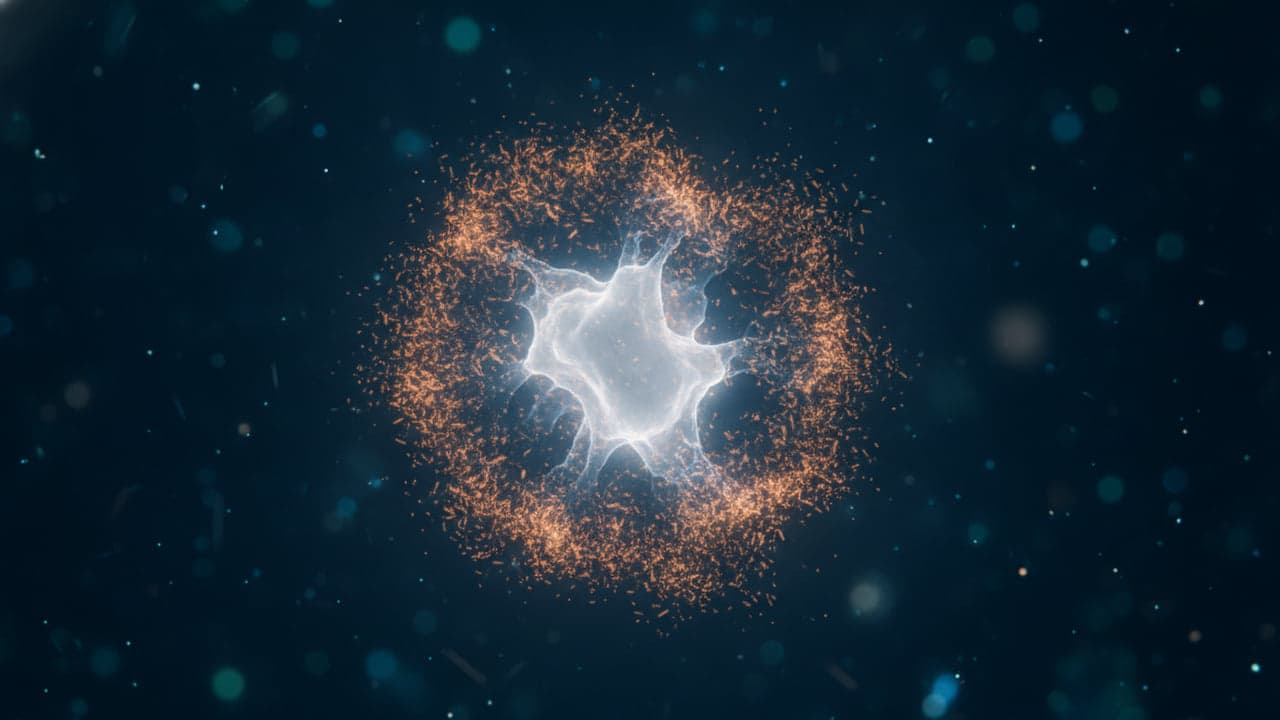
Sticky marine snow carries six times more carbon to the ocean floor

Ten gigatons of carbon leave the ocean surface each year inside clumps of biological debris known as marine snow, yet only two gigatons reach deep waters for long-term storage. A study published in Science by researchers at the Scripps Institution of Oceanography and the University of Lincoln explains this gap: gooey, highly viscous particles resist bacterial decay and deliver six times more carbon to the deep sea than thinner material.

Environment

UNSW researchers track persistent chemicals in farmland sewage fertilizer

Engineers at the University of New South Wales have assessed how 47 chemical compounds behave when treated sewage sludge is applied to agricultural land. The environmental screening study, published in the [Journal of Hazardous Materials](https://phys.org/news/2026-11-chemicals-sewage-based-fertilizer-persist.html), identifies common pharmaceuticals, fragrances and industrial compounds that persist in farmland soil. The findings offer water utilities and regulators a framework to evaluate circular waste innovation without risking long term soil contamination.

Environment

Bacteria Produce Hormones to Save Corals from Extreme Heat

Marine bacteria known as Endozoicomonas produce steroid hormones to help reef corals survive severe thermal stress, according to research published in Nature Microbiology. The biological innovation provides an alternative path for marine sustainability by showing how beneficial microorganisms can protect host organisms during extreme heat events.

Environment

Fruit and vegetable scraps pack more fiber than flesh, King's study shows

Researchers at King's College London found that discarded skins, seeds, and cores from twelve common fruits and vegetables contain higher fiber concentrations than the flesh itself. The team explored root-to-tip consumption as a dietary innovation to combat both household food waste and nutrient deficiencies. Their laboratory analysis showed that common kitchen refuse represents between 25% and 48% of total produce weight.

Letizia Giugliano

Environment

Ancient Tibetan Ice Cores Extend Mountain Climate Record to 128,000 Years

A scientific innovation in geochemical dating has revealed that glacial ice from northwestern Tibet is more than 128,000 years old. Researchers at Ohio State University demonstrated that high-altitude glaciers endured the transition out of the last ice age, extending the known climate record for the region by more than 100,000 years.

Giovanni Sapere

Environment

LiDAR Mapping Guides Riverbank Tree Planting to Protect Salmon Rivers

In October 2026, researchers from the Eau Terre Environnement Research Center at Canada's Institut National de la Recherche Scientifique revealed a targeted ecological innovation to protect Atlantic salmon from warming waterways. By combining high-resolution LiDAR scanning with spatial modeling along the Dartmouth River in Québec, the team demonstrated how strategic tree planting along riverbanks can cut summer solar radiation absorption by nearly 40 percent.

Giovanni Sapere

Environment

Catalytic Membrane Uses Palladium and Hydrogen to Disarm PFAS

Researchers have developed a catalytic membrane that captures and neutralises per- and polyfluoroalkyl substances directly from water. The invention moves past standard filtration by splitting hydrogen gas into reactive atoms that strip fluorine from persistent pollutants.

Letizia Giugliano

Environment

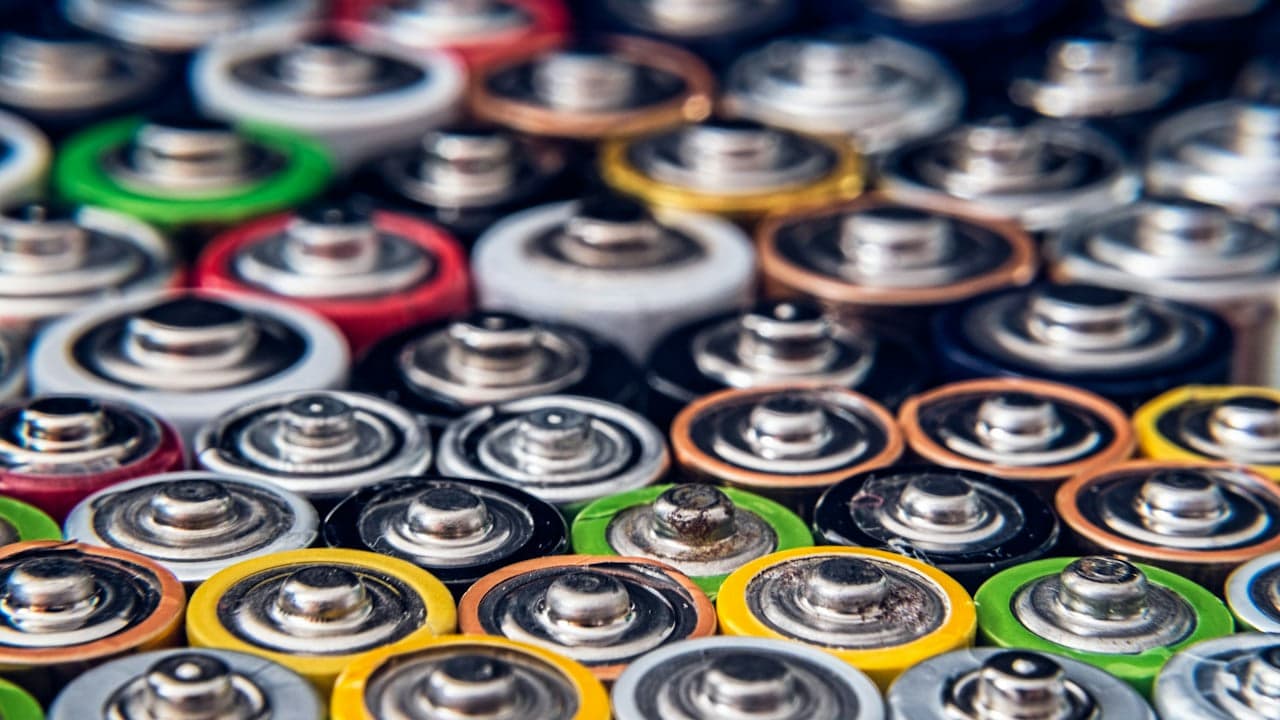
University of Melbourne Study Maps 34 Percent Cut in EV Battery Emissions

A study led by researchers at the University of Melbourne reveals that lithium-ion battery supply-chain emissions can drop by approximately 34 percent by 2050. The research models how industrial decarbonisation and demand-side strategies could prevent up to 7.2 billion metric tons of greenhouse gas emissions worldwide.

Letizia Giugliano

Environment

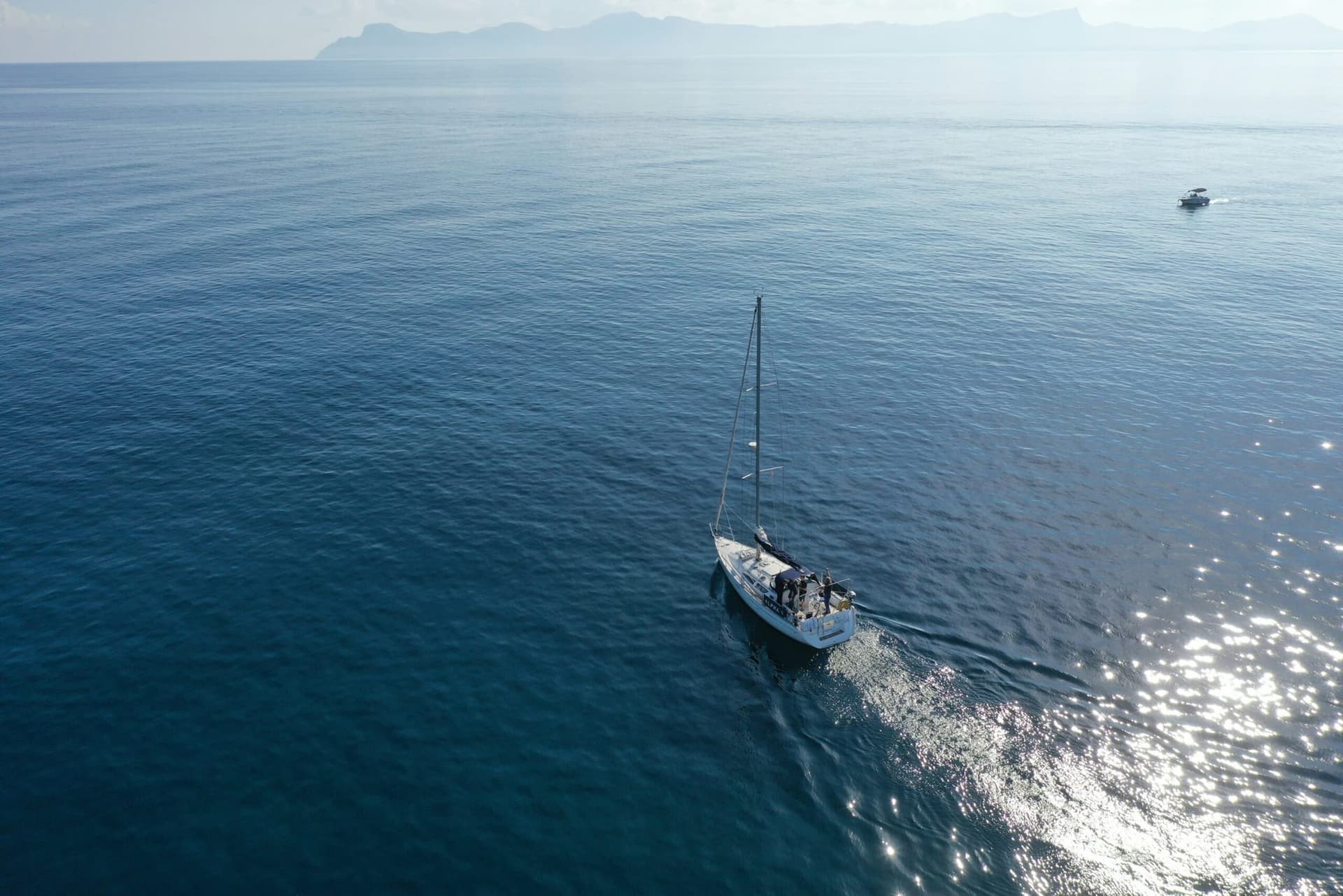
Mythos AI: The Autonomous Revolution Starting from the Sea

While the world watches closely as self-driving cars are developed, a quiet revolution is taking place where the asphalt ends: at sea. At the heart of this transformation is Mythos AI, a tech company focused on creating fully autonomous hydrographic vessels capable of mapping the seabed with…

Contributor

Environment

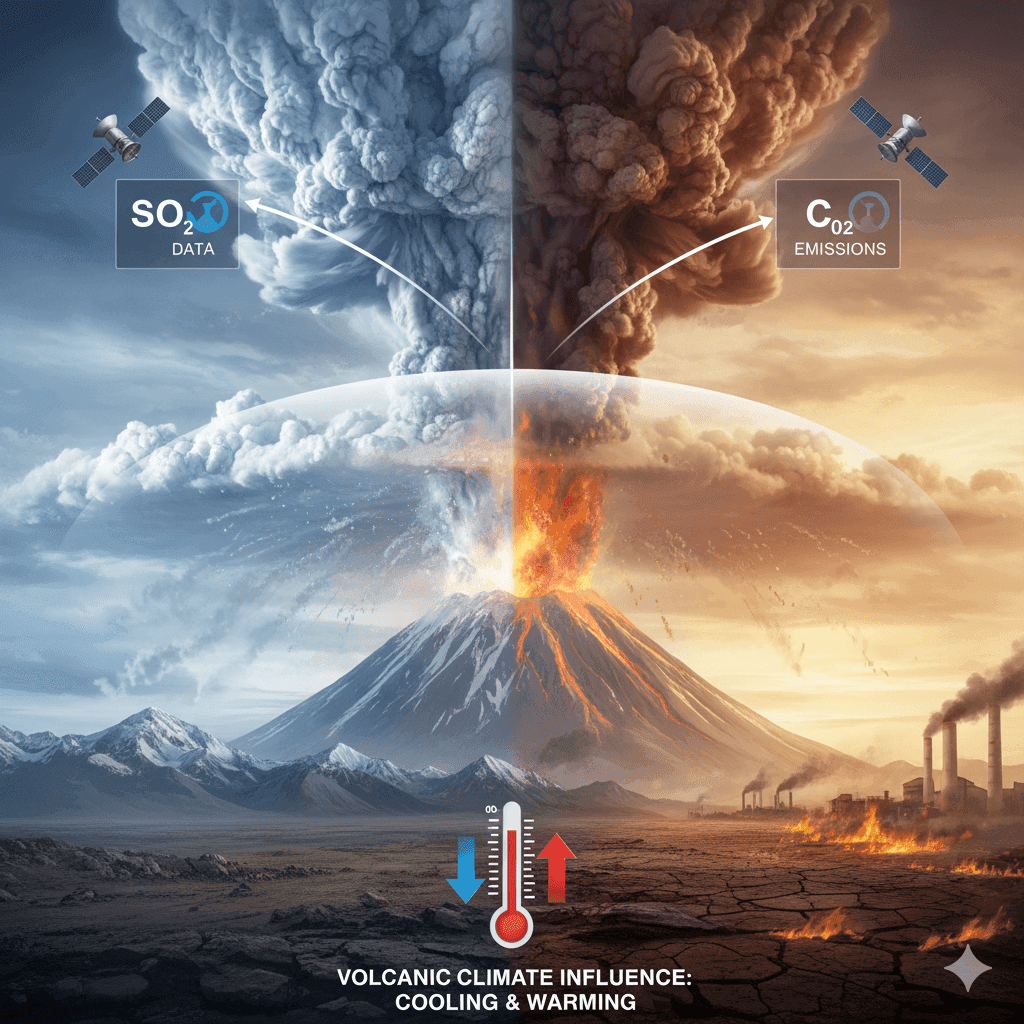
The Silent Architects of Climate: How Volcanoes Shape

Volcanoes have long been perceived as destructive geological forces, but their influence extends far beyond lava flows and ash clouds. They act as silent architects of the climate system,altering atmospheric chemistry, global temperatures, and even agricultural productivity. Understanding their…

ADMIN 2

Environment

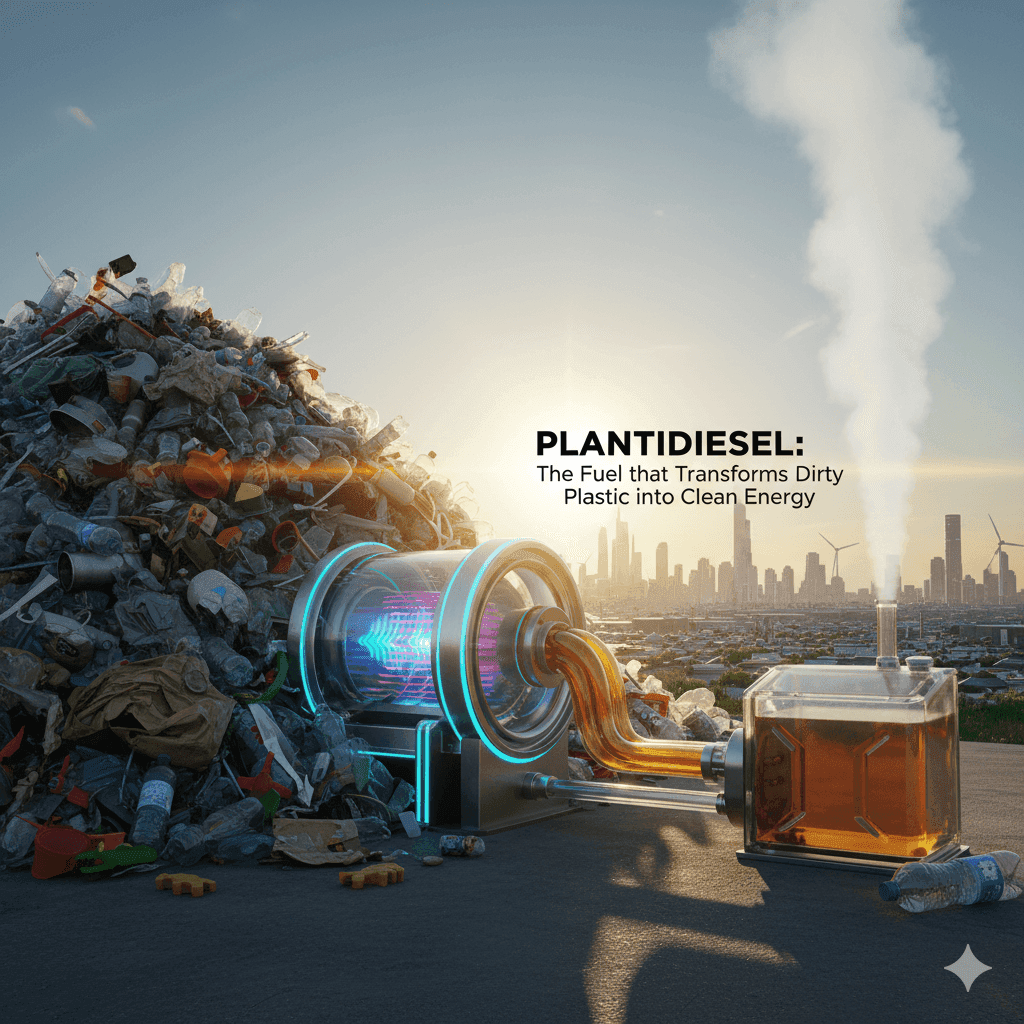
PLANTIDIESEL: The Fuel that Transforms Dirty Plastic into Clean Energy

The fight against plastic pollution and the energy crisis may soon have a powerful new ally: Plantidiesel, a groundbreaking fuel created from dirty, unsorted plastic waste by a younginnovator named Julian Brown.In recent tests conducted by independent laboratories, including ASAP Labs in Vancouver,…

ADMIN 2

Environment

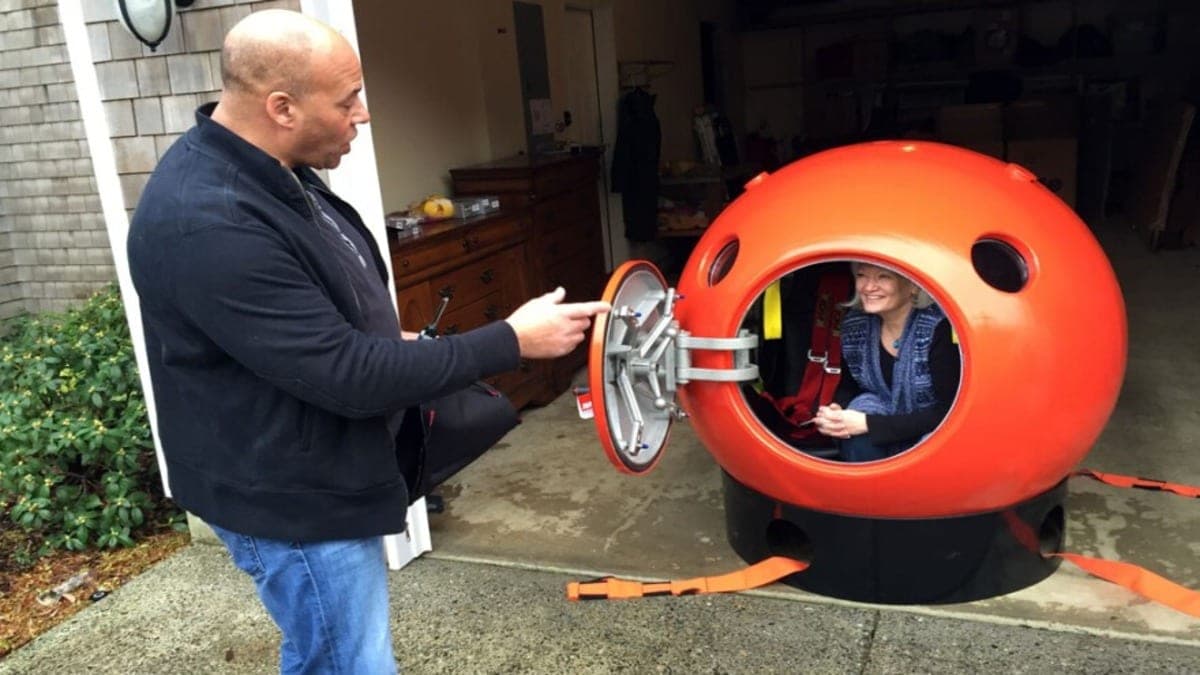
What if a tsunami struck? Here’s how this capsule could save your life

Imagine a 20-metre wave crashing down on your house. You can’t run. You can’t hide. But you could climb inside a floating sphere that protects you from the force of the water. This is the principle behind the Survival Capsule, an aerospace aluminium sphere designed to protect lives during tsunamis,…

Lucio Del Priore

Environment

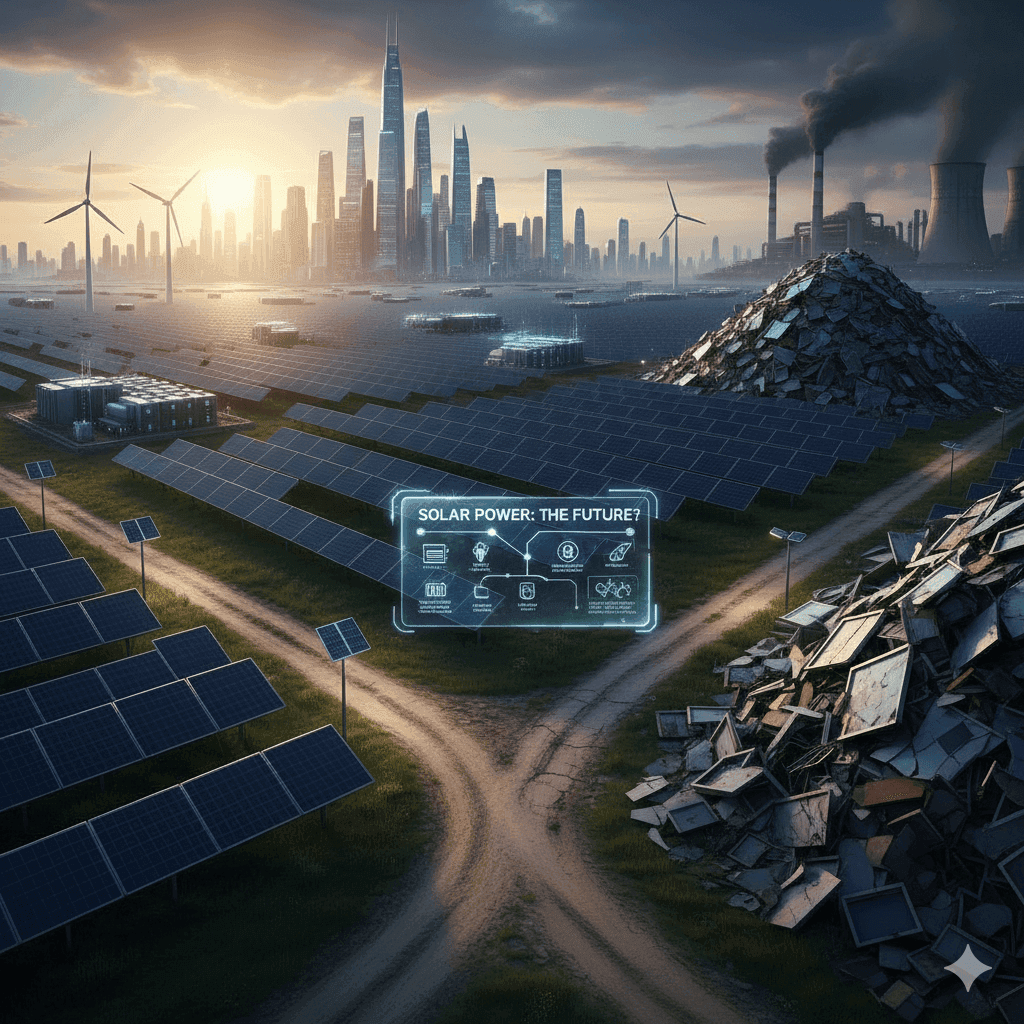
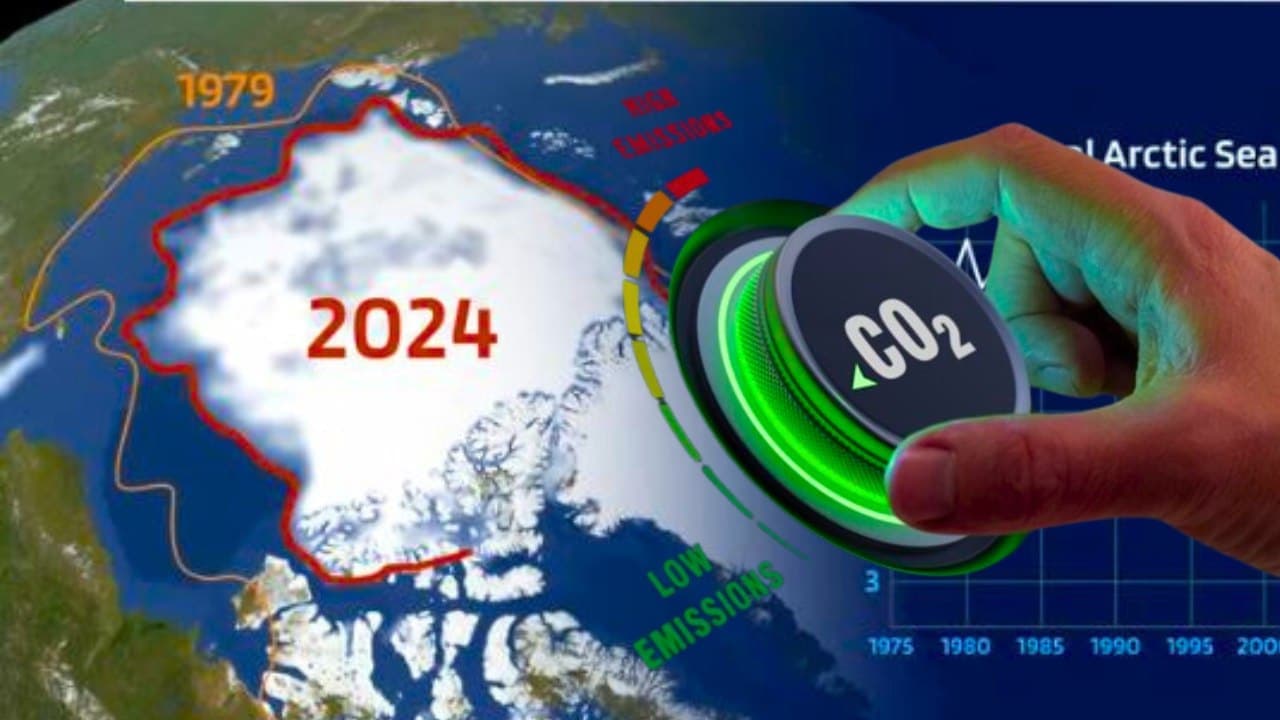
Technology and climate: innovative solutions for a sustainable future

Climate change is no longer a distant threat: it is a reality manifested in extreme events, melting ice and rising sea levels. According to the latest report published by Nature Communications and confirmed by the NOAA Arctic Report Card 2024, the Arctic could be free of sea ice as early as the…

Evgeny Novikov