UNSW researchers track persistent chemicals in farmland sewage fertilizer
A screening study in the Journal of Hazardous Materials identifies epilepsy drugs, fragrances and PFAS that survive wastewater processing.
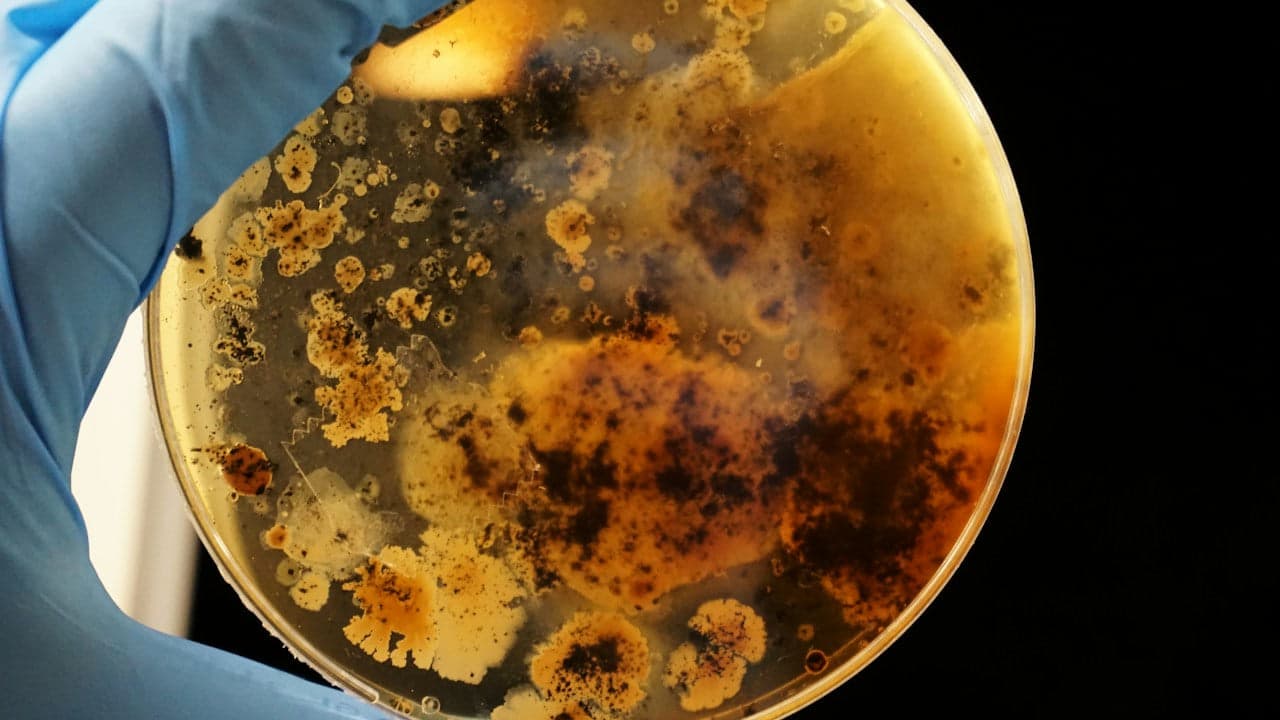
Engineers at the University of New South Wales have assessed how 47 chemical compounds behave when treated sewage sludge is applied to agricultural land. The environmental screening study, published in the [Journal of Hazardous Materials](https://phys.org/news/2026-11-chemicals-sewage-based-fertilizer-persist.html), identifies common pharmaceuticals, fragrances and industrial compounds that persist in farmland soil. The findings offer water utilities and regulators a framework to evaluate circular waste innovation without risking long term soil contamination.
Tracing 47 compounds from domestic drains to fields
Australian farms reuse about 80% of the country's biosolids, turning processed domestic sewage sludge from bathrooms, kitchens and laundry rooms into fertilizer rich in carbon, nitrogen and phosphorus. Dr Calvin He and Professor Denis O'Carroll from the UNSW School of Civil and Environmental Engineering evaluated 47 specific substances to understand their environmental fate, as reported by Phys.org. These compounds represent a targeted sample from hundreds of chemicals that enter municipal wastewater networks through cleaning, washing and medication use.
“What this research has shown is that there are some potential contaminants of concern because of their concentration or how they persist in soil.”
— Denis O'Carroll, professor at the UNSW Water Research Laboratory
Medicines and fragrances that resist breakdown
The researchers analyzed where chemicals travel after field spreading, how long they endure, and whether typical concentrations threaten surrounding ecosystems. Persistent compounds identified in the study include per- and polyfluoroalkyl substances (PFAS), the epilepsy medication carbamazepine, antimicrobial agents triclocarban and triclosan, and synthetic musks galaxolide and tonalide. Environmental persistence varies widely between substances. Some degrade within weeks, while others stay bound to soil particles or risk moving into groundwater depending on moisture, temperature and oxygen levels. Repeated biosolid applications could allow these stable residues to accumulate over time.
A regulatory framework rather than a patent filing
The authors emphasize that their investigation serves as a screening assessment rather than evidence of acute agricultural harm. The data does not show that crops grown with biosolids are unsafe or that farm workers face toxic exposures. Instead of seeking commercial protection through a patent application, the UNSW engineering team created an open risk-prioritization framework. The tool is designed to support long term agricultural sustainability by helping utility operators determine which chemicals require upstream filtration, tighter industrial discharge rules or modified application intervals.
Next steps for soil testing and water utilities
O'Carroll described the published screening assessment as the first step in a multistage plan to manage chemical risks in recycled fertilizers. Water utilities and regional environmental regulators can use the findings to set clear monitoring benchmarks in agricultural catchments. Future field trials will determine how these persistent residues behave across different soil types and whether advanced treatment phases at wastewater plants can neutralize them before biosolids leave the facility.
Read also on The Patent: Intestine-inspired biobattery generates eight times more power · LiDAR Mapping Guides Riverbank Tree Planting to Protect Salmon Rivers