New Box Jellyfish Copula Lucentia Discovered off Alicante Coast
University of Alicante researchers identify the second Cubozoa species recorded in the Mediterranean Sea, measuring up to seven millimetres.
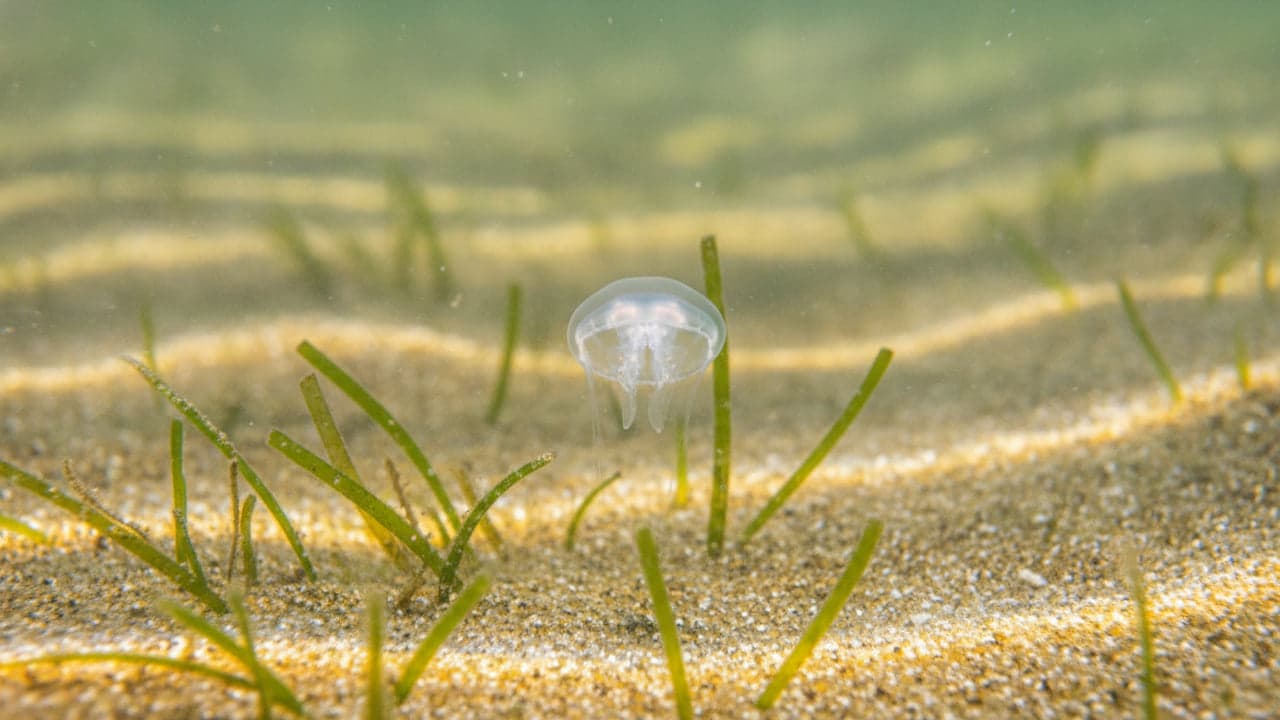
Marine scientists from the University of Alicante have identified a new species of box jellyfish, Copula lucentia, collected in shallow waters off the coast of El Campello in Spain. The discovery represents only the second Cubozoa species ever documented in the Mediterranean Sea, following a baseline established in 1758.
A millimeter-scale discovery in coastal shallows
The newly classified jellyfish, Copula lucentia, measures between 1 to 7 millimetres (0.04 to 0.28 inches) and was identified from specimens collected between 2016 and 2018. Followed closely in science and patent news, the formal description of the organism appeared in the journal Marine Biodiversity in 2024, prepared by a team at the University of Alicante Marine Laboratory in Dénia, which operates within the Ramón Margalef Multidisciplinary Institute for Environmental Research, as reported by Phys.org.
Prior to this work, the only box jellyfish confirmed in Mediterranean waters was Carybdea marsupialis, documented by Carl Linnaeus in 1758. The discovery shows that even heavily monitored marine basins retain unclassified fauna. Scientific innovation in morphological comparison and international genetic screening was required to verify that the organism was distinct from known taxa.
“Finding a new species in the Mediterranean, where everything is so heavily studied, is very important.”
— Eva Fonfría, University of Alicante researcher
Anatomical traits and anchoring structures
Lead study author Eva Fonfría noted unusual physical traits during initial sampling. The tiny animal features a nearly transparent cube-shaped bell, four tentacles, and specialised adhesive structures on its upper surface that let it anchor directly to subsea surfaces, biological traits that frequently inspire soft robotics. Researchers located the specimens at depths of less than 1.5 metres (4.9 feet) across habitats of sand, rock, and seagrass meadows, according to Phys.org.
To confirm the classification, researchers compared the Spanish specimens against Copula sivickisi, a related box jellyfish documented in other oceans. Bell morphology and comparative genetic tests confirmed that the El Campello population forms an independent species within the genus Copula. The species name lucentia derives from Lucentum, the ancient Roman name for Alicante.
Ecosystem research and captive rearing
Several biological factors remain under evaluation, including the reproductive cycle of the jellyfish, its venom toxicity, and its predatory interaction with fish eggs and larvae. César Bordehore, senior lecturer in ecology at the University of Alicante and laboratory coordinator, leads research on gelatinous organisms within Sea4Future, a Horizon Europe marine initiative with 22 partners in 12 countries, reports Phys.org. The project focuses on ecological sustainability by tracking how micro-predators influence commercial fish stocks and regional fauna.
A follow-up collection campaign organized with the Oceanogràfic in Valencia gathered over 200 living specimens eight years after the initial field survey. Biologists in the facility's Medusa Lab, led by jellyfish specialist Miguel Candelas, are attempting to rear the juvenile specimens to sexual maturity under controlled laboratory conditions to determine whether they can complete their life cycle in captivity, opening promising pathways for bio-inspired invention.
Read also on The Patent: A Jellyfish Robot to clean up the ports · Nanoparticles Releasing Nitric Oxide Clear Skin Infections in Moth Larvae