Robotic incubator DISCUSS keeps deep sea microbes alive in the laboratory
Engineers build a cyber physical system that preserves high ocean pressure to isolate bacteria that die at atmospheric levels
By Letizia Giugliano
2 min readWritten with AI support · Reviewed and approved by: Letizia Giugliano

Researchers at the University of Manchester have created a robotic platform called DISCUSS to retrieve and culture deep-sea microorganisms without exposing them to surface pressure drops. The robotics system replicates conditions found 1,300 meters below sea level, enabling scientists to isolate delicate ocean bacteria that conventional lab methods cannot preserve.
Preserving extreme ocean pressure from seabed to bench
The deep ocean houses the largest microbial habitat on Earth, yet microbiologists estimate that less than 1% of these microorganisms can grow in standard laboratory environments. When submersibles bring samples to the surface, sudden drops in hydrostatic pressure and temperature shifts rupture cell membranes or destroy specialized enzymes before testing can begin. To overcome this limitation, a research team led by Zhengguang Liu and Jing-Chun Feng developed a cyber-physical cultivation chamber that prevents decompression throughout the entire testing workflow, as reported by Phys.org.
“By bringing together environmental sensing, digital modeling and robotics, we can study microbial life that has previously been difficult to access, while opening up new possibilities for exploring other extreme environments.”
— Zhengguang Liu, researcher at The University of Manchester
A closed loop setup driven by digital twins and automated tools
The DISCUSS system operates by linking physical incubation chambers with a digital twin, a computer model that tracks microenvironments in real time. Sensors continuously measure water temperature, hydrostatic pressure, and chemical composition, triggering automated micro-valves to adjust vessel conditions whenever deviations occur. Within the pressurized vessel, automated cameras work alongside artificial intelligence algorithms to detect microbial colonies growing on culture substrates. Robotic arms and specialized tools can then pick and separate target colonies without opening the chamber or lowering interior pressure.
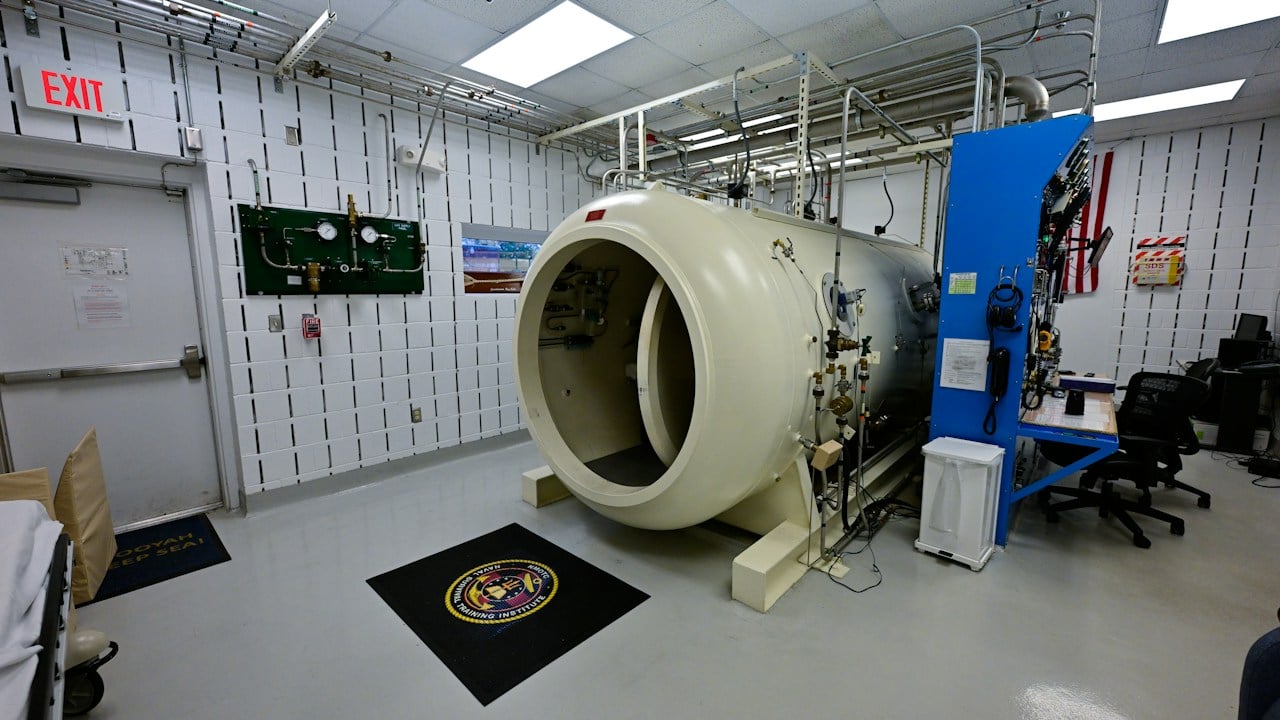 Photo: Navy Medicine / Unsplash
Isolating bacteria that cannot grow under atmospheric pressure
The team tested the innovation on biological specimens gathered from a cold seep located 1,300 meters (4,265 feet) below the surface. Over an operating span of 180 days, the automated habitat maintained a mixed community of organisms and yielded 34 microbial isolates, several of which represent previously uncharacterized strains. Among the recovered bacteria was HP_SR10, an obligate piezophile that requires intense pressure to survive and completely fails to divide under normal surface atmospheric conditions.
Next steps for high temperature vents and pharmaceutical research
Studying pressure-adapted enzymes could inform the development of novel biocatalysts for green chemistry, bio-materials, and pharmaceuticals. Beyond cold seeps, the developers plan to configure future iterations of the platform to handle harsher environments, such as superheated hydrothermal vents. By keeping fragile extremophiles alive across multi-month experiments, automated cultivation tools help researchers trace how deep-sea microbiomes process carbon and drive marine nutrient cycles.
Read also on The Patent: Sticky marine snow carries six times more carbon to the ocean floor · Analog chip runs large Fourier transforms using half a million flash memory cells
An article by the newsroom of The Patent ®, written with the support of artificial intelligence from sources chosen by the newsroom. Review, corrections and approval for publication: Letizia Giugliano. Publisher responsible: WitUp Ltd.