chemistry

Chemistry

Recycling Neodymium Magnets from Computer Drives with Ammonium Chloride

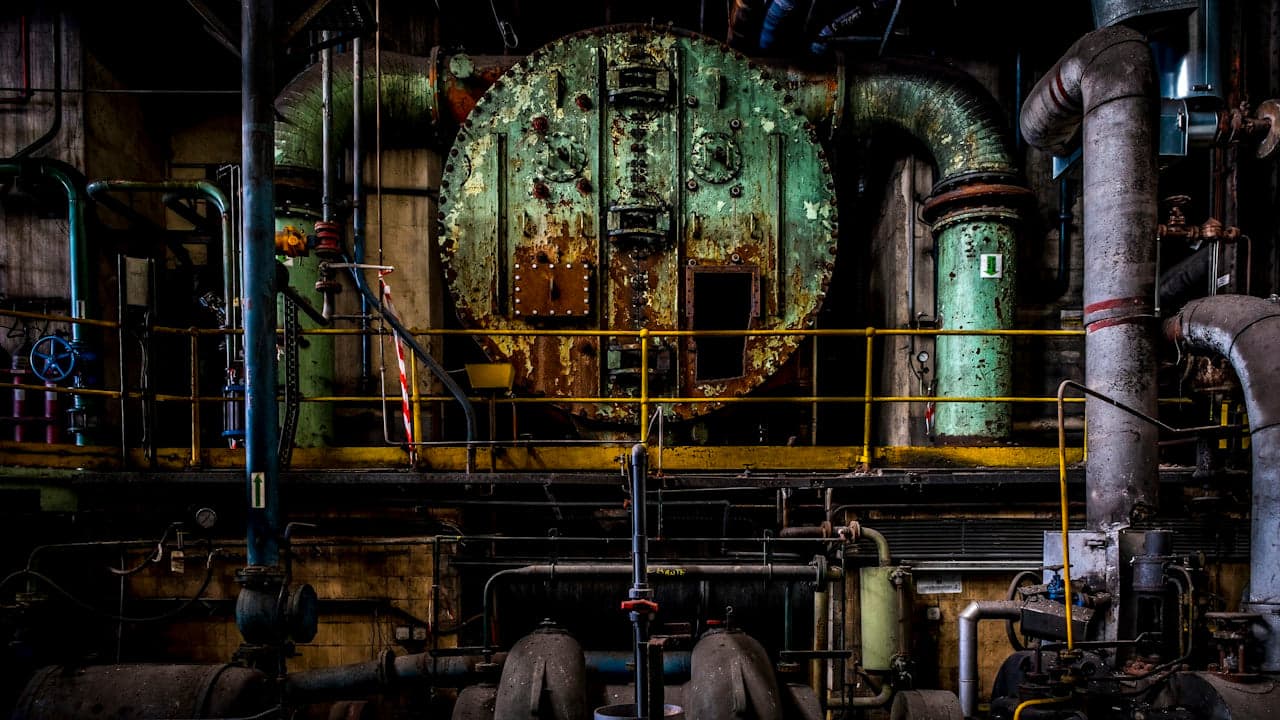
German researchers are developing two chemical processes to extract neodymium, iron and boron from scrap computer hard drives. The work, carried out under the European Union NEO-CYCLE project, aims to recover rare earth elements locally to supply motors for each new electric vehicle and wind turbine without relying on overseas refining.
Chemistry

Salt Additives Solve Perovskite Crystal Defects in Solar Cells

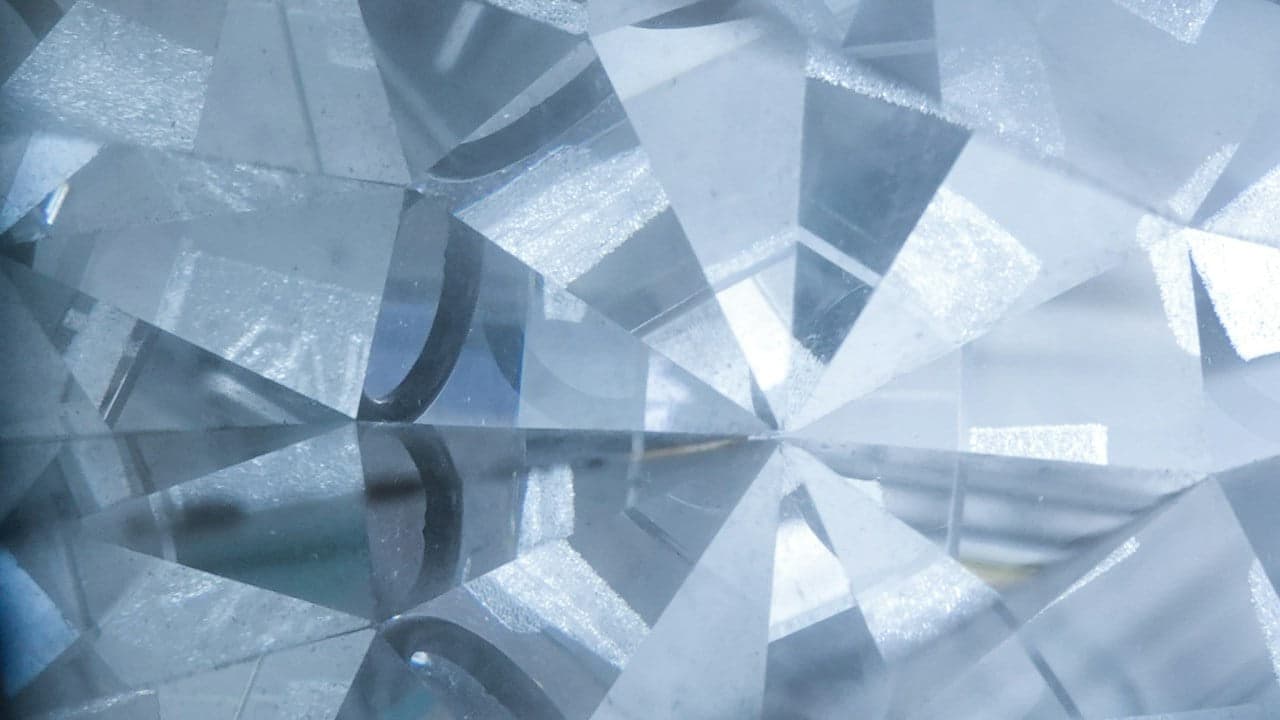
A chemical method using salt additives resolves atomic structural flaws in perovskite crystals, offering a practical path forward for renewable energy devices. Researchers at the U.S. Department of Energy's Argonne National Laboratory demonstrated that temporary liquefaction prevents electric charges from becoming trapped in crystal boundaries. This innovation enables solar cells to retain 85.8 percent of their efficiency after 1,400 hours of continuous operation at 85 degrees Celsius.

Giovanni Sapere

Tech

Transmitting Odors Over the Internet with Scentronic

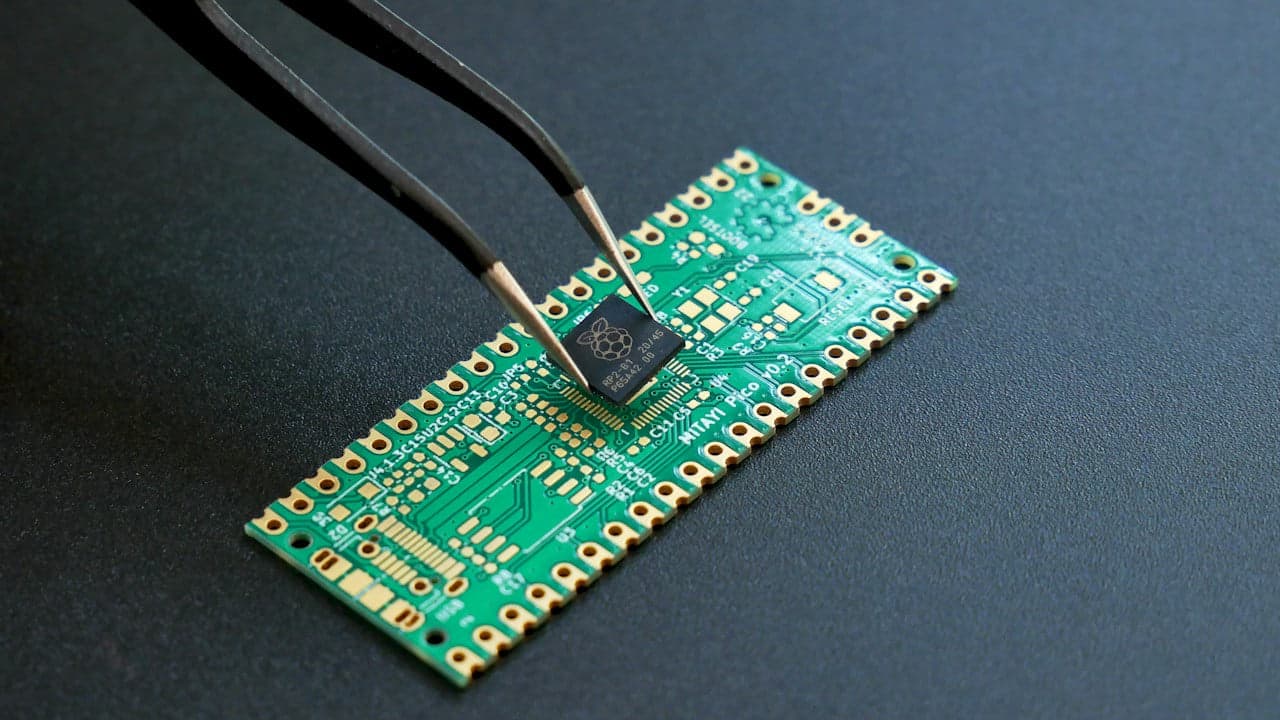
Two research teams from The Ohio State University and Zhejiang Laboratory have demonstrated a method to digitize and transmit odors over network connections. The setup pairs an electronic nose with an emitting unit called Scentronic, using machine learning to classify scents before misting preloaded liquid fragrances. So far, the system has successfully transmitted the aromas of coffee, beer, cake, oranges and red wine.

Letizia Giugliano

Chemistry

Perovskite Solar Cells Endure 1,000 Hours of Extreme Heat and Moisture

Researchers in South Korea have developed a chemical catalytic process that allows perovskite solar cells to maintain 95 percent of their initial power conversion efficiency after 1,000 hours under harsh environmental conditions. The chemical invention resolves a long-standing durability barrier, offering a viable path for perovskite materials to support industrial renewable energy generation.

Giovanni Sapere

Chemistry

UT Austin Develops Bio-Inspired Channels to Filter Lithium

Chemical engineers at the University of Texas at Austin have engineered nanoscale artificial pores that mimic biological cell membranes to filter lithium ions. The chemical innovation allows lithium to pass through while blocking competing metals such as sodium and magnesium. Published in the Journal of the American Chemical Society, the method offers a cleaner path to extract critical raw materials for energy storage.

Giovanni Sapere

Chemistry

Ceramic Cell Doubles Clean Hydrogen Yield from Industrial Steam

Chemical engineers at the University of Groningen have developed an invention that doubles the production of clean hydrogen from steam without requiring extra electrical power. The system, detailed in the journal Energy and Environmental Science, operates at high temperatures to split water vapor directly into pure hydrogen gas, providing heavy industry with an efficient alternative to fossil-fuel-derived hydrogen.

Letizia Giugliano

Chemistry

Chiral Ruthenium Catalyst Separates Mirror-Image Molecules

In October 2026, chemists unveiled a method to separate mirror-image molecules that differ solely by the spatial arrangement of hydrogen and deuterium isotopes. This scientific innovation provides a targeted chemical route to resolve isotopic enantiomers from a racemic mixture. As reported by [C&EN – Chemical & Engineering News](https://cen.acs.org/analytical-chemistry/separations/isotope-chirality-hydrogen-deuterium-catalyst/104/web/2026/10?sc=230901_cenrssfeed_eng_latestnewsrss_cen), the process overcomes a classic separation barrier where target molecules exhibit nearly identical physical characteristics.

Giovanni Sapere

Chemistry

Mary Jo Ondrechen Receives the 2026 Ely S. Parker Award

Distinguished chemistry professor Mary Jo Ondrechen has been awarded the 2026 Ely S. Parker Award by the American Indian Science and Engineering Society (AISES). The honor highlights significant leadership and scientific innovation within academic research.

Letizia Giugliano

News

Most read news of the week: 17 April

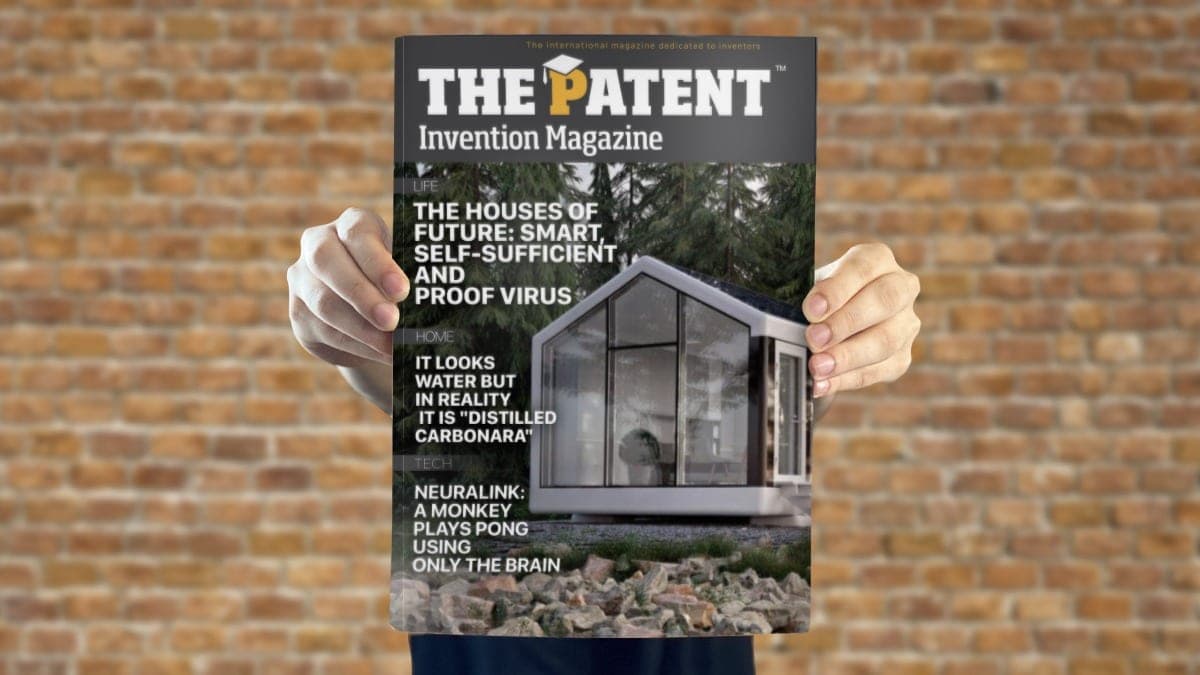
Last week’s most read news selected by our editorial staff: Neuralink, future houses and Valerio Braschi’s distilled carbonara

Giovanni Sapere

Chemistry

Rechargeable Lithium metal batteries soon available thanks to ultrasounds

Researchers in San Diego have developed an ultrasonic device that applied to lithium metal batteries increases their life, charge and capacity The development of batteries is a very lively field, whose importance was recognized by the award of the Nobel Prize in Chemistry in 2019. The most…

Mario Vincenzo La Rocca