UT Austin Develops Bio-Inspired Channels to Filter Lithium
Nanoscale pores achieve up to five times higher selectivity to streamline battery material extraction.
By Giovanni Sapere
2 min readHuman-Edited, AI-Assisted
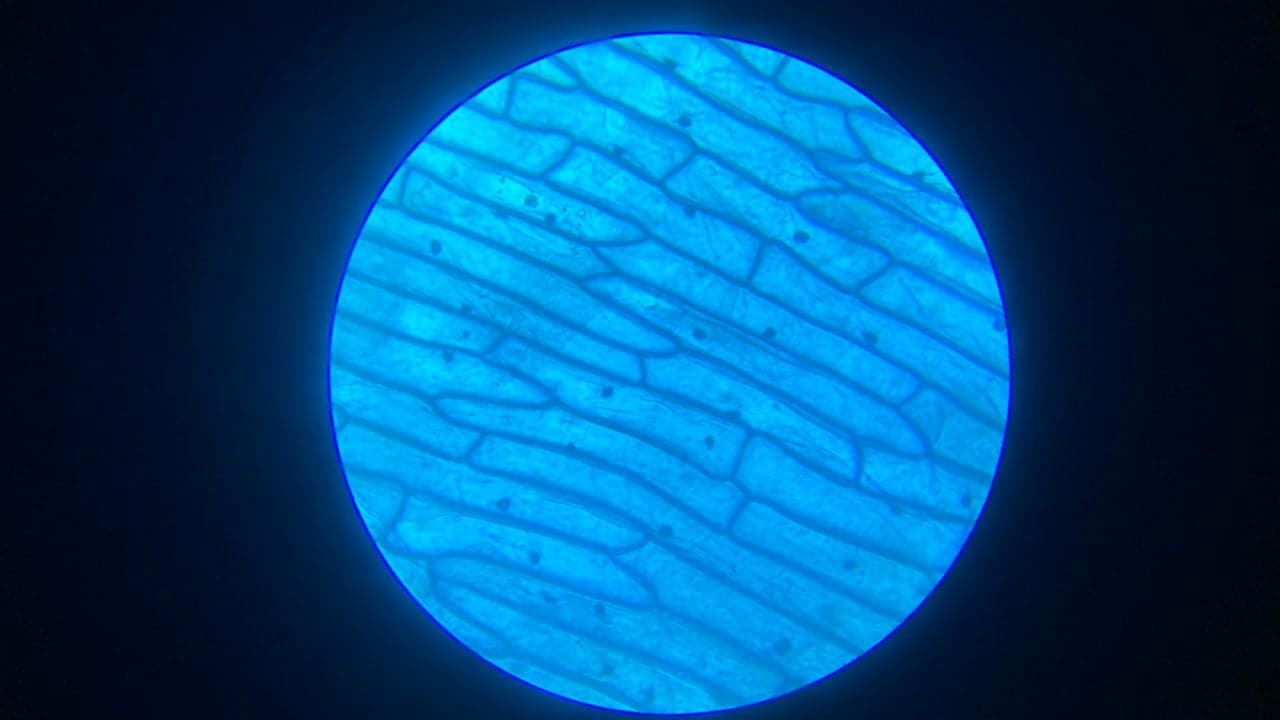
Chemical engineers at the University of Texas at Austin have engineered nanoscale artificial pores that mimic biological cell membranes to filter lithium ions. The chemical innovation allows lithium to pass through while blocking competing metals such as sodium and magnesium. Published in the Journal of the American Chemical Society, the method offers a cleaner path to extract critical raw materials for energy storage.
Replicating biological membranes at the nanoscale
Natural cell membranes use specialized protein channels to regulate the passage of specific ions and molecules. Researchers at the University of Texas at Austin recreated this biological mechanism inside artificial synthetic pores, as reported by Interesting Engineering. The resulting invention permits lithium ions to pass through while restricting competing elements that share similar physical properties.
“Our goal is a process that is faster, cleaner and easier to run.”
— Manish Kumar, Professor at the University of Texas at Austin
Filtering battery elements from complex brines
Lithium demand is expanding rapidly due to its central role in electric vehicle batteries and consumer electronics. In conventional extraction settings, such as underground brines, hard rock deposits and battery recycling streams, lithium remains mixed with sodium, potassium, magnesium and calcium. According to Interesting Engineering, the new artificial channels demonstrated lithium selectivity two to five times higher than other recently developed lithium transporters in laboratory tests. Entrance chemical groups interact with incoming ions, and the restricted space inside the pore dictates which particles can pass.
Scaling membranes for industrial separation
The research project was led by Manish Kumar, a professor of civil, architectural and environmental engineering and chemical engineering at UT Austin. The engineering team previously designed related structures to separate industrial rare earth elements, according to Interesting Engineering. To move toward industrial adoption and potential patent protection, researchers are testing how to embed these channels into larger membrane sheets formed by interconnected, cell-like layers of polymers or lipids. As this innovation progresses, future trials must evaluate whether the channels survive exposure to complex natural brines, as commercial recovery rates and operational costs have not yet been established.
Read also on The Patent: Rare Quantum Lattice Assembled from Propeller-Shaped Organic Molecules · Ceramic Cell Doubles Clean Hydrogen Yield from Industrial Steam