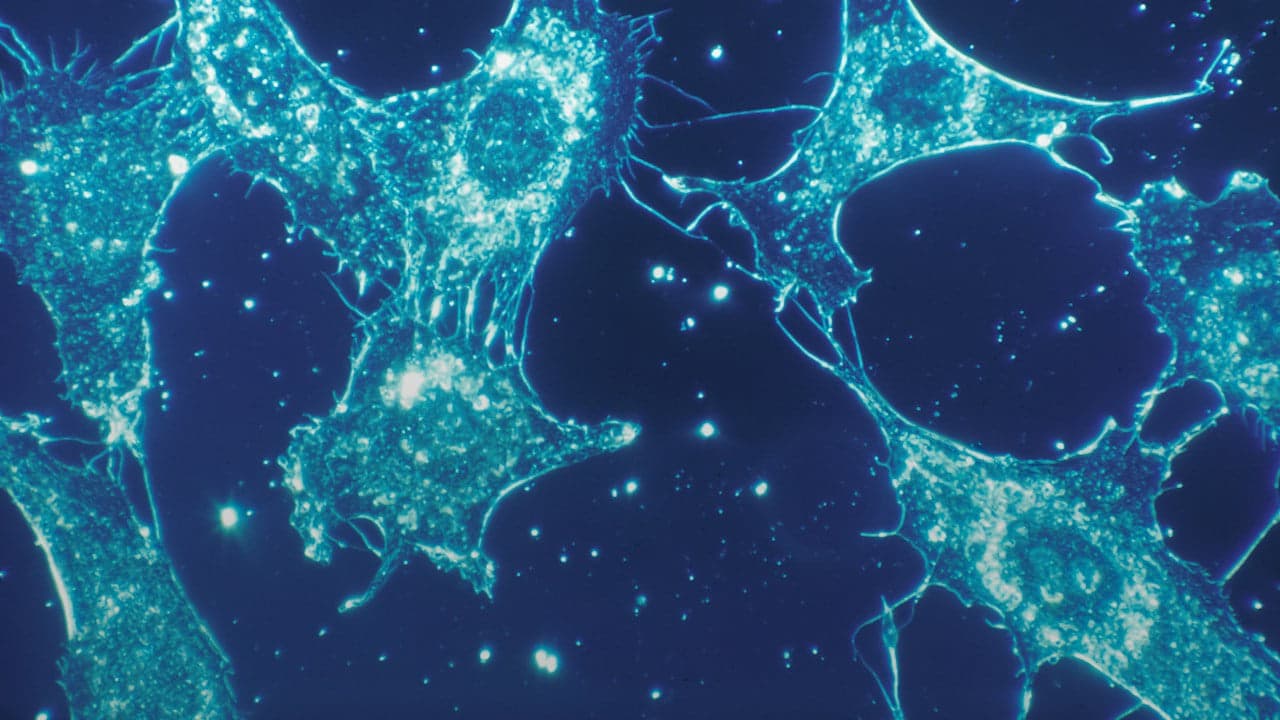
UNC Researchers Uncover Protein Pathway Shielding Dormant HIV
Scientists identified how ENL, USP7, and BRD4 sustain viral reservoirs in immune cells and brain tissue
By Giovanni Sapere
2 min readHuman-Edited, AI-Assisted
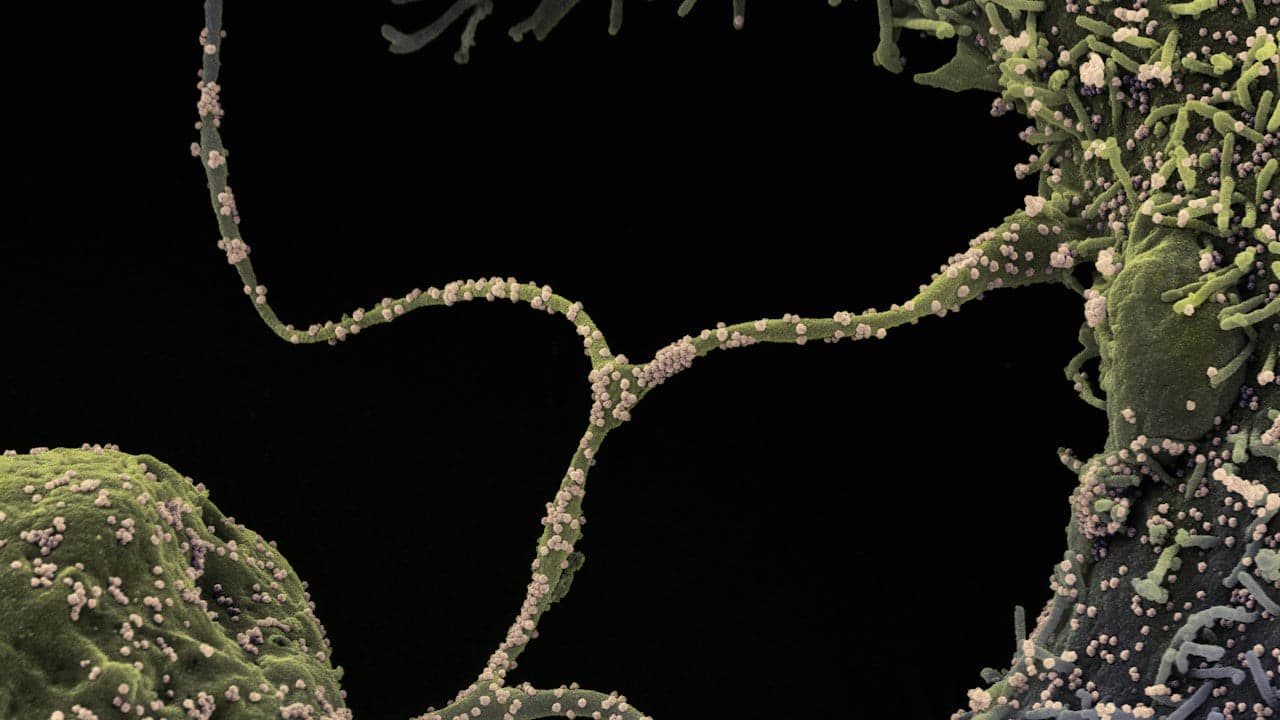
Scientists at the University of North Carolina at Chapel Hill School of Medicine have identified a human protein pathway responsible for keeping HIV dormant within host cells. Published in Cell Reports on October 24, 2026, the discovery exposes how viral reservoirs persist in blood and brain immune cells despite antiretroviral therapy. Uncovering these cellular mechanisms provides a scientific foundation for therapeutic strategies designed to expose and eradicate persistent virus.
Unmasking the cellular locks of HIV latency
Modern antiretroviral therapy successfully suppresses HIV in the bloodstream, but it cannot eradicate the infection because pockets of virus remain dormant inside specific cells. This biomedical innovation in understanding viral persistence focuses on viral reservoirs located in peripheral blood and specialized brain immune cells known as microglia. In a study published in Cell Reports, researchers demonstrated that three human proteins, ENL, USP7, and BRD4, collaborate to sustain viral latency and prevent the immune system from detecting hidden HIV.
“Targeting the ENL–USP7–BRD4 pathway offers a new way to disrupt hidden HIV reservoirs as part of a broader cure strategy.”
— Guochun Jiang, Ph.D., UNC School of Medicine
Disrupting the ENL-USP7-BRD4 complex
The investigative work led by postdoctoral scholar Waqas Ahmed in the laboratory of Guochun Jiang at the UNC HIV Cure Center tested what occurs when this regulatory interaction is broken. As reported by Phys.org, selectively disrupting either ENL or USP7 reactivated latent HIV in cells isolated directly from patients receiving antiretroviral therapy. By destabilizing the complex that maintains BRD4, the latent virus is coaxed out of dormancy, providing a measurable pathway to target cellular reservoirs that traditional pharmaceuticals fail to clear.
Implications for oncology and technology transfer
Beyond viral eradication, the molecular mechanism holds broader therapeutic value that could support future technology transfer initiatives and intellectual property development. The protein BRD4 serves as a recognized oncogenic driver across multiple types of human cancer. According to the study authors documented in Cell Reports, targeting USP7 degradation eliminates the BRD4 protein, opening dual translational opportunities for both infectious disease elimination and targeted oncology treatments.
What to watch in clinical validation
The research team plans to evaluate whether pharmacologically targeting ENL or USP7 is safe and effective in living models. Further testing will examine how the pathway behaves across various tissue environments, especially within the brain, where microglial reservoirs remain difficult to access. Monitoring how academic laboratories partner with biopharmaceutical developers will determine whether this promising invention secures a patent and progresses toward clinical application.
Read also on The Patent: Subcortical Nuclei Anticipate Sensory Sights and Touch in Real Time · Building a Daily Walking Habit: Step Targets and Preventive Health Evidence