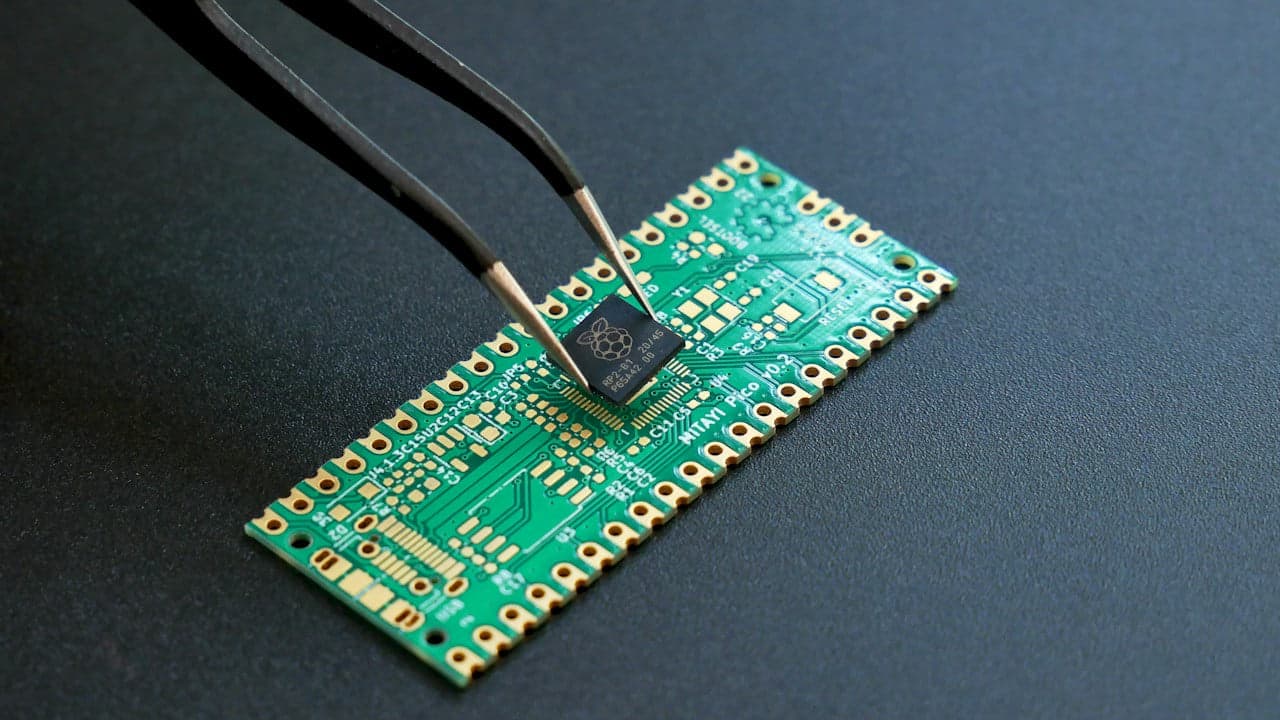
AI Agents Accelerate Radiation Shielding for Space Microchips
Researchers deploy the SciLink multi-agent system to analyze extreme radiation damage in hours instead of weeks
By Giovanni Sapere
2 min readHuman-Edited, AI-Assisted
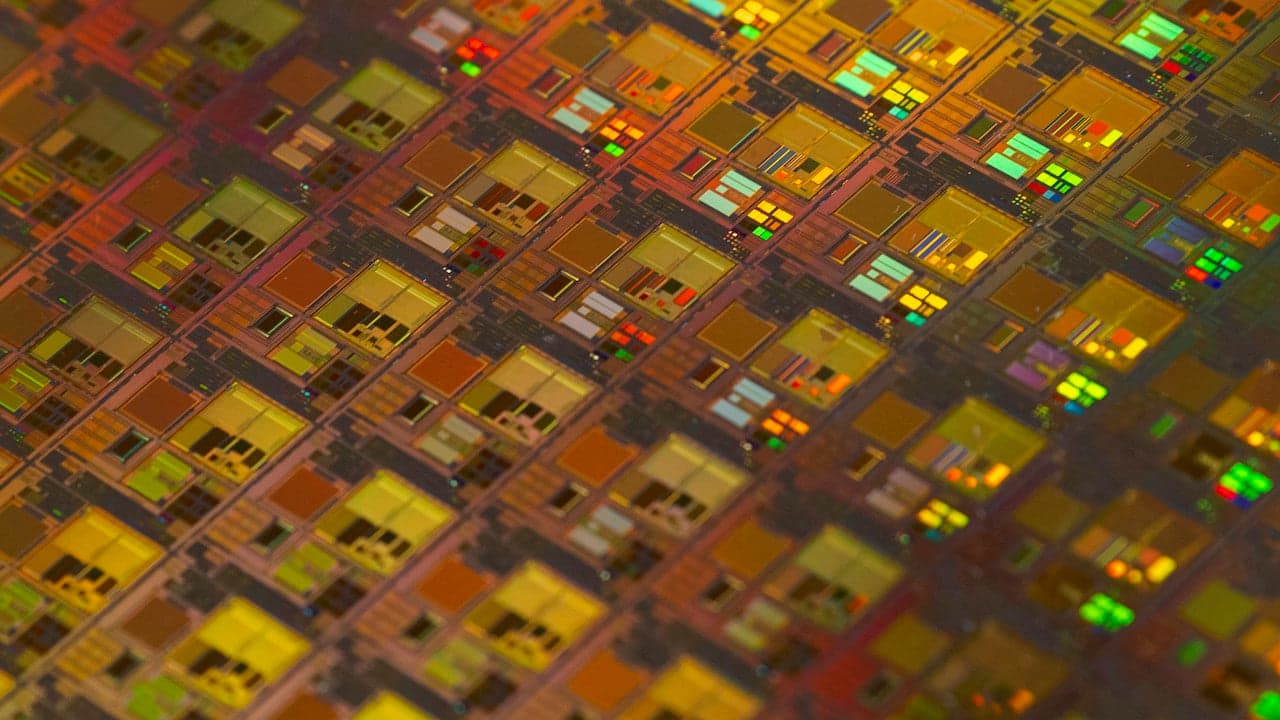
Scientists at Pacific Northwest National Laboratory have introduced an artificial intelligence workflow called SciLink to accelerate the development of radiation-hardened microchips. Presented at a regional meeting of the American Chemical Society, the system combines specialized software agents to evaluate how particle bombardment degrades electronics destined for space and nuclear reactors.
The Challenge of Extreme Radiation Environments
Modern semiconductor chips rely on atomic-level precision, which makes them highly vulnerable when deployed in orbit or inside nuclear power facilities. In space, electronic devices face constant bombardment from galactic cosmic rays, heavy ions and high-speed electrons that can corrupt memory or disable a spacecraft entirely. Protecting these systems requires radiation hardening, a process of designing and validating materials that can endure such extreme conditions. As TechXplore reported, traditional testing methodologies are often based on testing infrastructure designed a quarter-century ago, creating a bottleneck for modern satellite hardware.
“The system allows us to take into account all the measurements to piece together what has happened, to understand the damage that has occurred and why it happened.”
— Jenna Pope, scientist at Pacific Northwest National Laboratory
How SciLink Coordinates Agentic Analysis
To shorten the validation cycle, Pacific Northwest National Laboratory researcher Maxim Ziatdinov and colleagues created SciLink, an agentic software framework. The system organizes autonomous software agents into an operational hierarchy with three lead coordinators that supervise experimental analysis, planning and computational simulation. In tests using laboratory data from the University of Tennessee, where an ion beam compressed years of space exposure into hours, the specialized agents evaluated complex measurements from atom probe tomography and scanning transmission electron microscopy. According to TechXplore, the lead agents convened in interactive digital sessions to form hypotheses, exchange queries and suggest subsequent tests in hours rather than weeks.
Confidence Metrics and the Role of Human Oversight
A critical feature of the SciLink innovation is its ability to attach quantifiable certainty to findings. During trials, the artificial intelligence system assigned a 90% confidence score to its conclusion that heavy ions caused the primary damage, alongside a 60% confidence rating regarding proton impacts. Despite the high level of automation, human researchers verify the generated results, review calculations and check for hallucinations. As testing protocols adapt to modern chip complexity, lab teams plan to apply these collaborative agent workflows to speed up the qualification of mission-critical hardware.
Read also on The Patent: Sunrise-III Balloon Telescope Uncovers Solar Magnetic Web · JAXA Launches MMX Mission to Retrieve Martian Moon Samples by 2031