
Environment

Certified 500 kWh grid battery made from used electric car packs
Environment

Certified 500 kWh grid battery made from used electric car packs

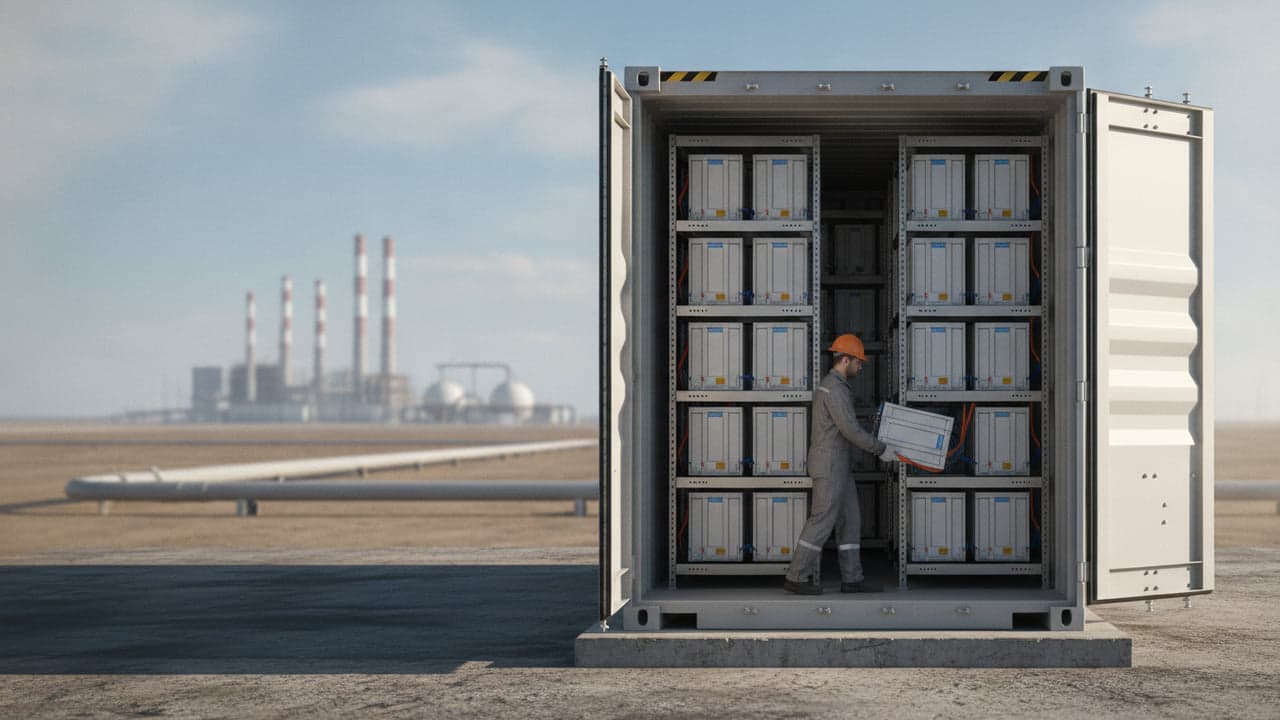
A grid battery assembled from retired electric car packs has been certified as a complete product, with a capacity of 500 kWh and first deliveries scheduled for the first quarter of 2027. The system was reported this week alongside a 121-mile pure hydrogen pipeline entering service in China and a 300-tonne plant producing battery-grade graphite from natural gas. Each item points at the same engineering problem: storing and moving energy without building every component from scratch.

Mattia Sapere
Heart risk rises with air pollution and concrete, even below EU limits
Environment

Heart risk rises with air pollution and concrete, even below EU limits

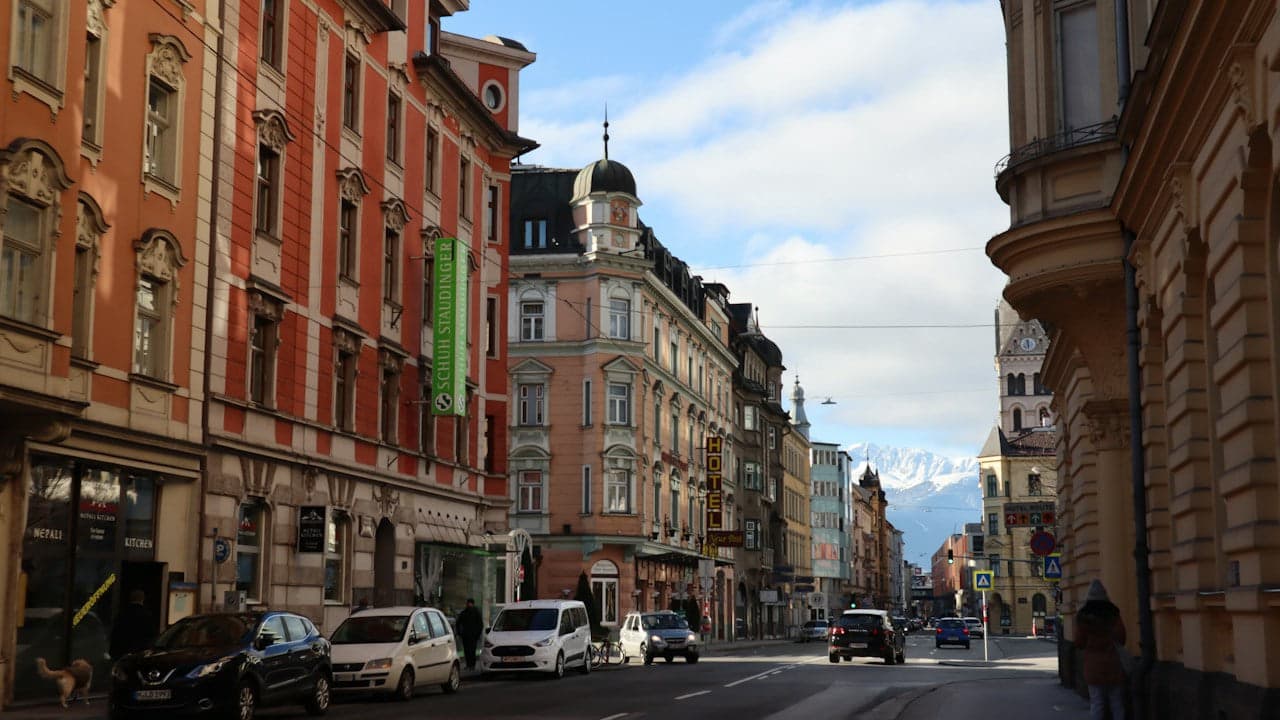
Long-term exposure to air pollution, scarce green space around the home and a high share of asphalt and buildings are jointly associated with more cases of ischemic heart disease, in which reduced blood supply leaves the heart muscle short of oxygen. The finding comes from a European analysis of more than 29 million participants in 14 cohorts across 11 countries, published in The Lancet Regional Health - Europe by authors including researchers at the Institute of Environmental Medicine at Karolinska Institutet in Stockholm. About 464,000 participants developed the disease during follow-up.

Letizia Giugliano

Meta rethinks its 2030 net-zero goal as AI emissions jump
Environment

Meta rethinks its 2030 net-zero goal as AI emissions jump

Meta has begun re-evaluating the 2030 deadline for its net-zero emissions goal, the company says in its 2026 sustainability report published on November 19. The report ties the rethink to demand for artificial intelligence infrastructure and to an operating environment that changed faster than the company expected. Meta says its long-term ambitions have not changed.

Mattia Sapere

A light-powered catalyst lifts hydrogen peroxide output by 200%
Chemistry

A light-powered catalyst lifts hydrogen peroxide output by 200%

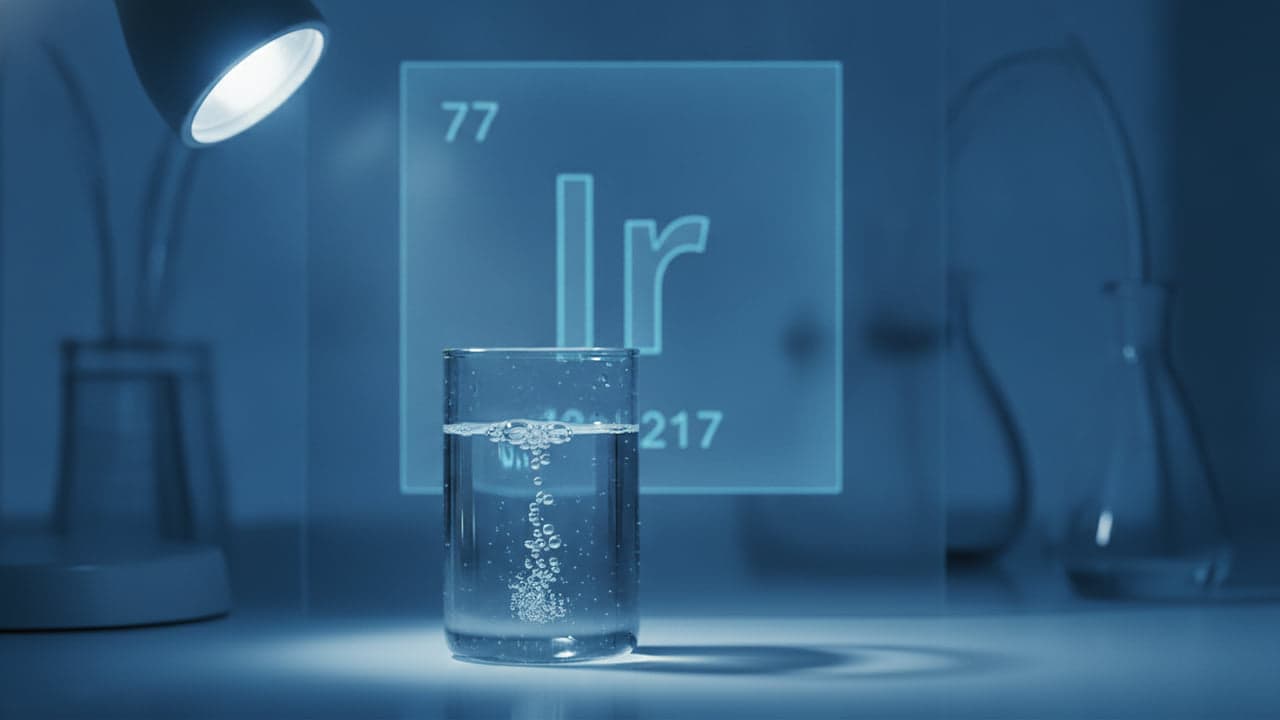
A light-powered catalyst developed by researchers at the Max Planck Institute in Germany delivers 200% more hydrogen peroxide, according to a report in the science section of Interesting Engineering. The account names the institution and the figure but no patent filing, licence or industrial partner. Around it sit other chemistry and metallurgy items: iridium surface studies for electrochemical reactions and engineered microbes proposed as mineral prospectors.

Letizia Giugliano

São Paulo's streams lose 190 food-web links, down to three
Environment

São Paulo's streams lose 190 food-web links, down to three

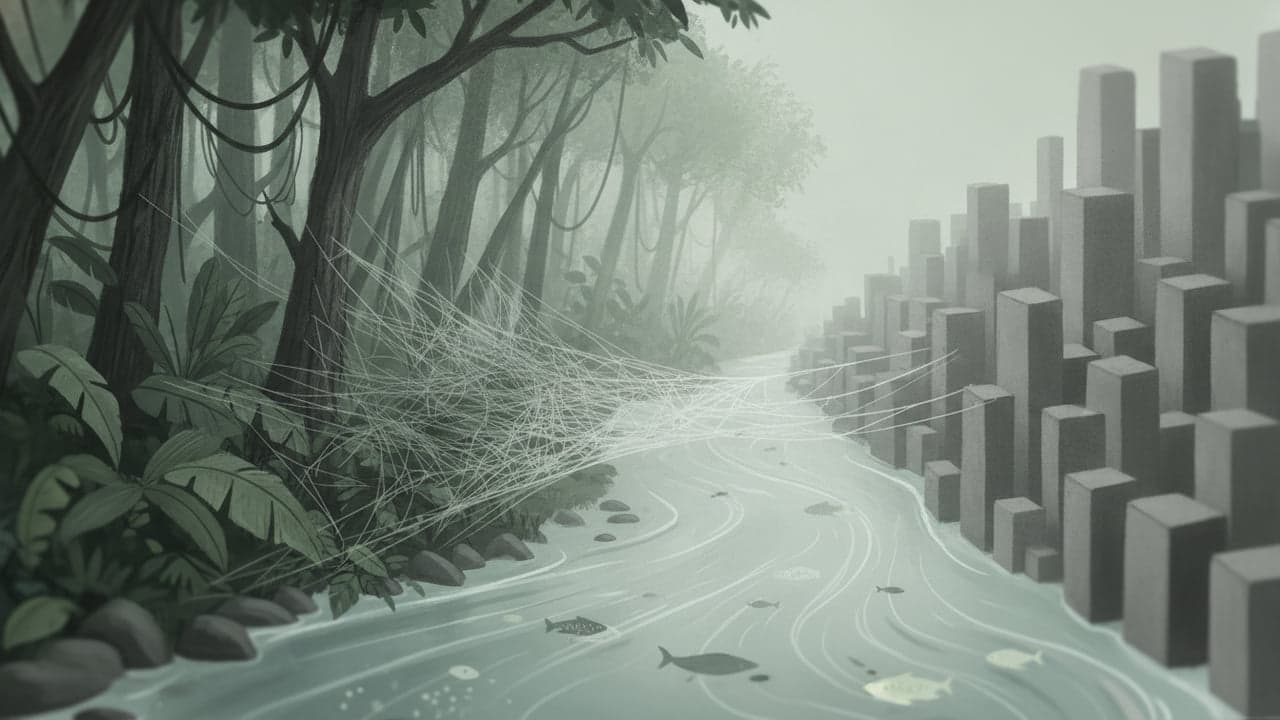
Urbanization is dismantling the food webs of the streams that feed São Paulo's reservoirs. In the most built-up micro-watersheds of the Upper Tietê region, a study counted three feeding links where fully forested streams have 190, and energy flow fell by a factor of 1,446. The work, led by researchers at UFSCar and USP, appeared in Nature Cities and was reported by Phys.org on 14 November 2026.

Letizia Giugliano

Birds and bats nearly double cacao yields in diverse Peruvian landscapes
Environment

Birds and bats nearly double cacao yields in diverse Peruvian landscapes

Ecologists at the University of Vienna found that wild birds and bats nearly double cacao harvest weights when farms sit in tree-dense surroundings. Published on November 9, 2026, the investigation covered 28 organic cacao agroforests in the northern Peruvian Amazon. This agricultural innovation demonstrates that balancing open spaces with varied shade canopies protects wildlife while advancing economic sustainability.

Letizia Giugliano

Marshall Islands Atolls Form Pristine 48,000 Square Kilometre Sanctuary
Environment

Marshall Islands Atolls Form Pristine 48,000 Square Kilometre Sanctuary

Two remote Pacific coral atolls remain among the most intact marine ecosystems on the planet, according to a study published in Frontiers in Marine Science. Researchers led by the University of Hawai'i and National Geographic Pristine Seas evaluated Bikar and Bokak in the Marshall Islands, discovering potential new species and recording massive predator populations. The scientific baseline helped secure official protection for 48,000 square kilometres of ocean as a national marine sanctuary.

Letizia Giugliano

Subsea Telecom Cables Turn Arctic Seafloor into Acoustic Whale Monitors
Environment

Subsea Telecom Cables Turn Arctic Seafloor into Acoustic Whale Monitors

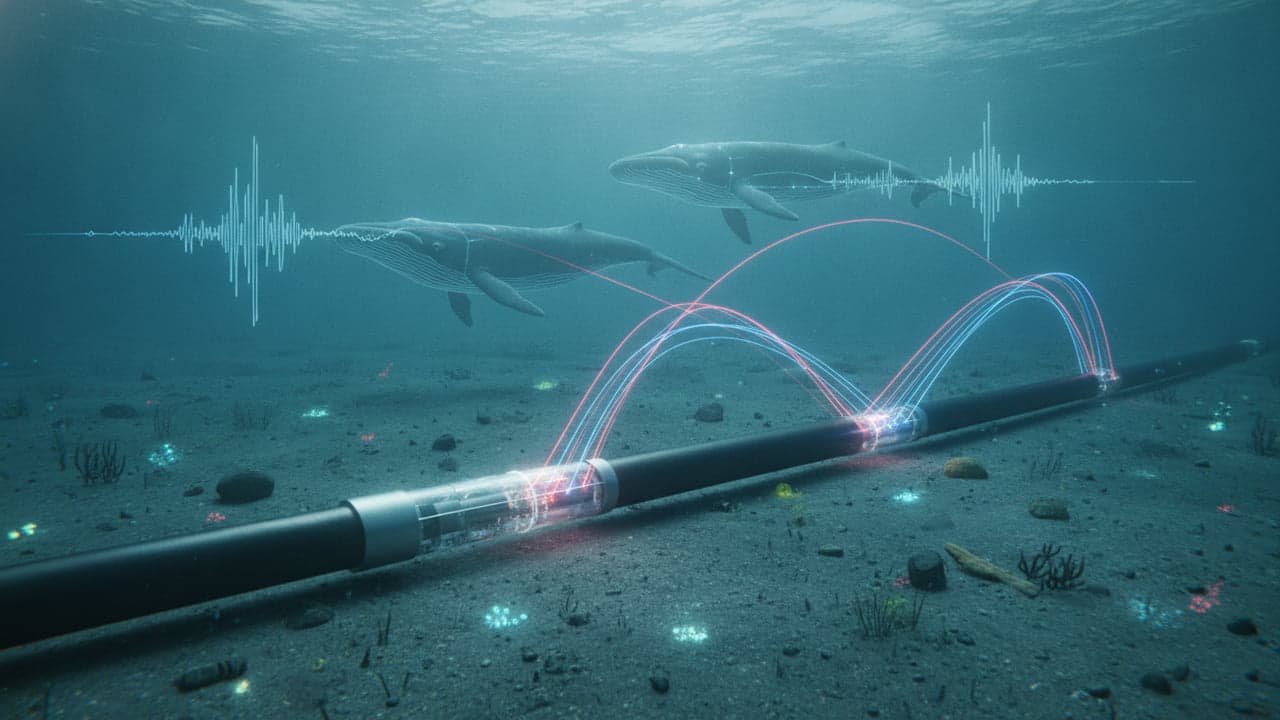
Undersea telecommunications cables can now track bowhead whales across Arctic waters in real time. Bioacoustics researcher Léa Bouffaut has demonstrated that distributed acoustic sensing detects higher-frequency marine mammal calls along seafloor fiber networks, providing a dual-use monitoring tool for conservationists.

Giovanni Sapere

Tropical cities lose three times more bird species than northern hubs
Environment

Tropical cities lose three times more bird species than northern hubs

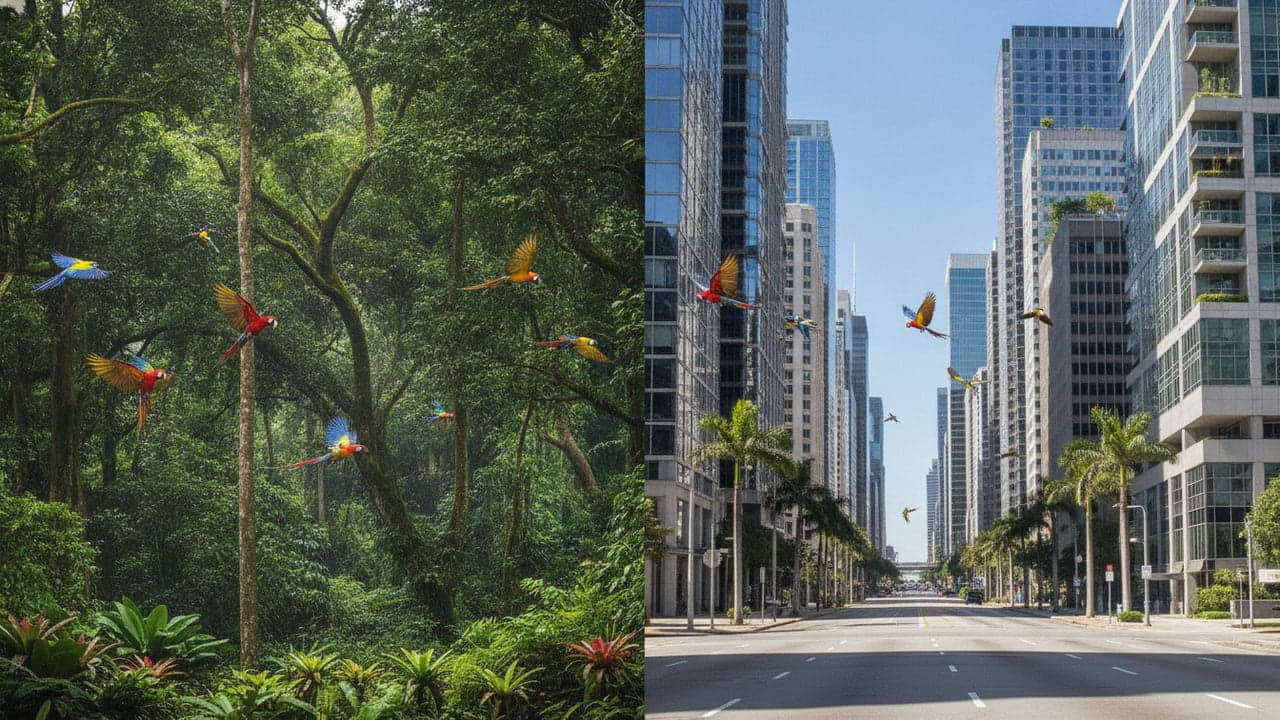
Ecologists analyzing more than 10,000 bird species found that urban expansion weakens Earth's latitudinal diversity gradient by a factor of three. The team, led by researcher Jory Griffith, reported that cities near the equator lose far more native bird varieties than northern settlements, highlighting where conservation innovation is needed most.

Letizia Giugliano

Europe's Ancient Forests Were Open Woodlands, 23-Million-Year Study Finds
Archeology

Europe's Ancient Forests Were Open Woodlands, 23-Million-Year Study Finds

Researchers at Aarhus University have established that Europe was dominated by open woodlands and meadows for more than 20 million years. The research innovation, published in the journal Biological Conservation, disputes the assumption that unbroken canopy forests represent the continent's baseline wilderness.

Letizia Giugliano

Sticky marine snow carries six times more carbon to the ocean floor
Environment

Sticky marine snow carries six times more carbon to the ocean floor

Ten gigatons of carbon leave the ocean surface each year inside clumps of biological debris known as marine snow, yet only two gigatons reach deep waters for long-term storage. A study published in Science by researchers at the Scripps Institution of Oceanography and the University of Lincoln explains this gap: gooey, highly viscous particles resist bacterial decay and deliver six times more carbon to the deep sea than thinner material.

Letizia Giugliano

UNSW researchers track persistent chemicals in farmland sewage fertilizer
Environment

UNSW researchers track persistent chemicals in farmland sewage fertilizer

Engineers at the University of New South Wales have assessed how 47 chemical compounds behave when treated sewage sludge is applied to agricultural land. The environmental screening study, published in the Journal of Hazardous Materials, identifies common pharmaceuticals, fragrances and industrial compounds that persist in farmland soil. The findings offer water utilities and regulators a framework to evaluate circular waste innovation without risking long term soil contamination.

Letizia Giugliano

ETH Zurich Chemists Turn Waste Polyolefins into Industrial Adhesives
Chemistry

ETH Zurich Chemists Turn Waste Polyolefins into Industrial Adhesives

Chemists at ETH Zurich have engineered a single-step photochemical process that converts discarded plastic bags and bottles into high-strength adhesives. The method tackles polyolefins, which represent about half of the 450 million metric tons of plastic produced each year, bypassing the degraded material quality typical of standard mechanical recycling.

Giovanni Sapere

Bacteria Produce Hormones to Save Corals from Extreme Heat
Environment

Bacteria Produce Hormones to Save Corals from Extreme Heat

Marine bacteria known as Endozoicomonas produce steroid hormones to help reef corals survive severe thermal stress, according to research published in Nature Microbiology. The biological innovation provides an alternative path for marine sustainability by showing how beneficial microorganisms can protect host organisms during extreme heat events.

Giovanni Sapere

Recycling Neodymium Magnets from Computer Drives with Ammonium Chloride
Chemistry

Recycling Neodymium Magnets from Computer Drives with Ammonium Chloride

German researchers are developing two chemical processes to extract neodymium, iron and boron from scrap computer hard drives. The work, carried out under the European Union NEO-CYCLE project, aims to recover rare earth elements locally to supply motors for each new electric vehicle and wind turbine without relying on overseas refining.

Letizia Giugliano

Fruit and vegetable scraps pack more fiber than flesh, King's study shows
Environment

Fruit and vegetable scraps pack more fiber than flesh, King's study shows

Researchers at King's College London found that discarded skins, seeds, and cores from twelve common fruits and vegetables contain higher fiber concentrations than the flesh itself. The team explored root-to-tip consumption as a dietary innovation to combat both household food waste and nutrient deficiencies. Their laboratory analysis showed that common kitchen refuse represents between 25% and 48% of total produce weight.

Letizia Giugliano

Ancient Tibetan Ice Cores Extend Mountain Climate Record to 128,000 Years
Environment

Ancient Tibetan Ice Cores Extend Mountain Climate Record to 128,000 Years

A scientific innovation in geochemical dating has revealed that glacial ice from northwestern Tibet is more than 128,000 years old. Researchers at Ohio State University demonstrated that high-altitude glaciers endured the transition out of the last ice age, extending the known climate record for the region by more than 100,000 years.

Giovanni Sapere

ETH Zurich turns sand into solid biocement using bacteria
News

ETH Zurich turns sand into solid biocement using bacteria

Engineers at ETH Zurich have developed an architectural innovation that binds ordinary loose sand into rigid building components using living bacteria. Led by Karen Antorveza Paez, the team created two fabrication methods that avoid the high heat and heavy carbon emissions of conventional cement production, as reported by New Atlas.

Giovanni Sapere