Solar and Soil Biobattery System Produces Urea Directly in the Field
The CONFETI pilot plant in Viladecans synthesizes nitrogen fertilizer from carbon dioxide and agricultural nitrates using on-site renewable energy.
By Giovanni Sapere
2 min readHuman-Edited, AI-Assisted
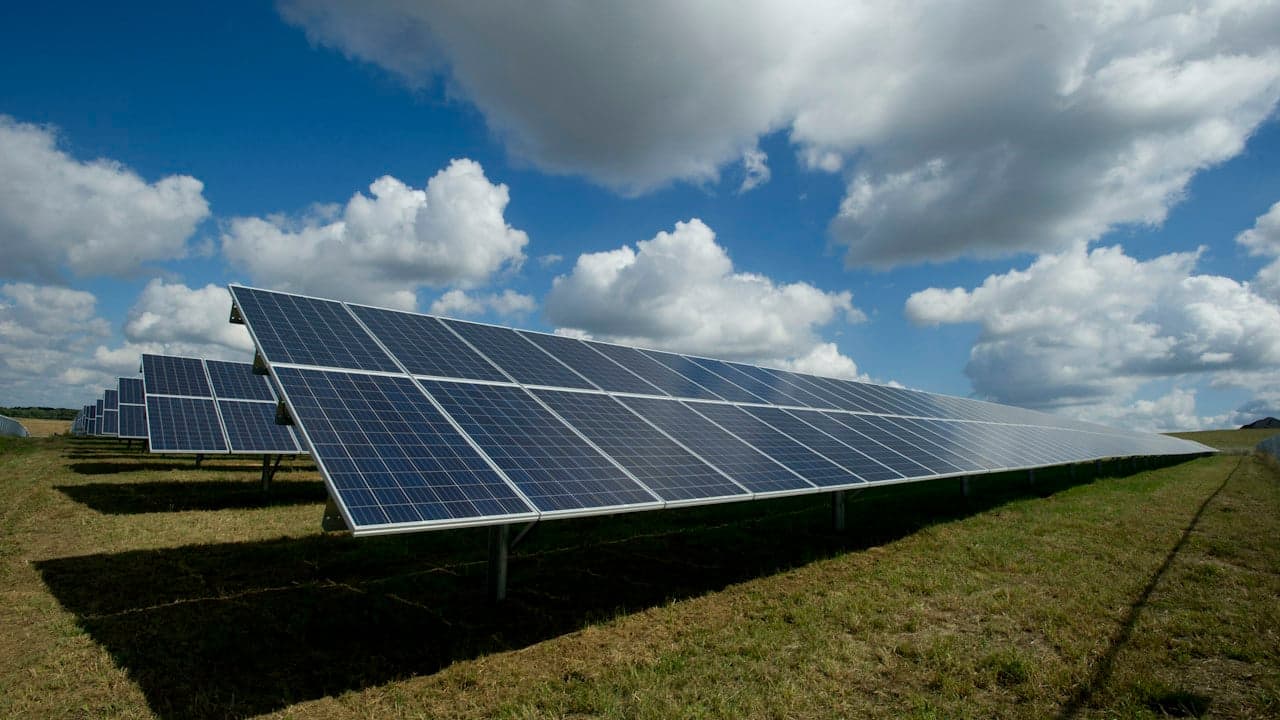
Researchers led by the Universitat Autònoma de Barcelona have successfully deployed an agricultural pilot plant that manufactures nitrogen fertilizer on site from environmental pollutants. Tested in Viladecans, the installation synthesizes urea from carbon dioxide and agricultural nitrates using energy supplied by solar panels and soil biobatteries. The project provides a decentralized method to produce essential agricultural inputs without fossil-fuel-intensive supply chains.
Decentralizing fertilizer synthesis on the farm
Traditional production of nitrogen fertilizers relies on centralized industrial infrastructure that consumes heavy amounts of fossil energy and requires extensive distribution networks. To provide an alternative, the CONFETI project, coordinated by the Universitat Autònoma de Barcelona (UAB), concluded three years of research by commissioning a decentralized field installation in Viladecans, Spain, as reported by Autonomous University of Barcelona via Phys.org. The agricultural innovation focuses on synthesizing urea, the widely utilized nitrogen fertilizer, on demand directly where farmers cultivate crops.
“The main challenge has been moving the device from the laboratory to an agricultural setting. It has been one of the most difficult tasks.”
— Gonzalo Guirado, professor in the Department of Chemistry at Universitat Autònoma de Barcelona
How soil bacteria and sunlight power the reactor
The field unit integrates three interconnected technological components into a single operating scheme, according to Autonomous University of Barcelona via Phys.org. At the core of the installation is an electrochemical reactor that converts carbon dioxide (CO2) and nitrates into urea. This reactor is powered by a hybrid energy setup combining conventional solar photovoltaic panels with biobatteries that exploit natural microbial activity and organic matter in the ground to generate electricity. An integrated electronic controller balances the power streams from the ground microbes and the solar panels to maintain the reaction, advancing environmental sustainability in rural operations.
Closing the nitrogen loop through photochemical recovery
A complementary stage in the system tackles agricultural runoff by transforming unabsorbed nitrates into feedstock, as documented by Autonomous University of Barcelona via Phys.org. The installation features a photochemical reactor that uses sunlight and a recoverable photocatalyst to reduce nitrates suspended in agricultural drainage water into ammonia, a primary chemical intermediate required for the urea-forming step. By recycling nitrates that crops fail to absorb, the process mitigates groundwater pollution while eliminating the need to transport hazardous chemicals to rural locations.
Real-world validation and the path to commercial scaling
Moving chemical devices from controlled laboratory chambers to an active farm presents significant engineering hurdles. According to Autonomous University of Barcelona via Phys.org, project coordinator Gonzalo Guirado, a professor in the UAB Department of Chemistry, confirmed that the working prototype operated continuously throughout summer heat and heavy autumn rainfalls. The research consortium is currently analyzing performance data from the Viladecans trial to address technical bottlenecks and evaluate whether on-demand fertilizer production can achieve commercial economic viability.
Read also on The Patent: University of Melbourne Study Maps 34 Percent Cut in EV Battery Emissions · AI Weed Control Sparks a Third Agricultural Revolution