News

Medicine

Microfluidic chip screens leukemia drug therapies in children

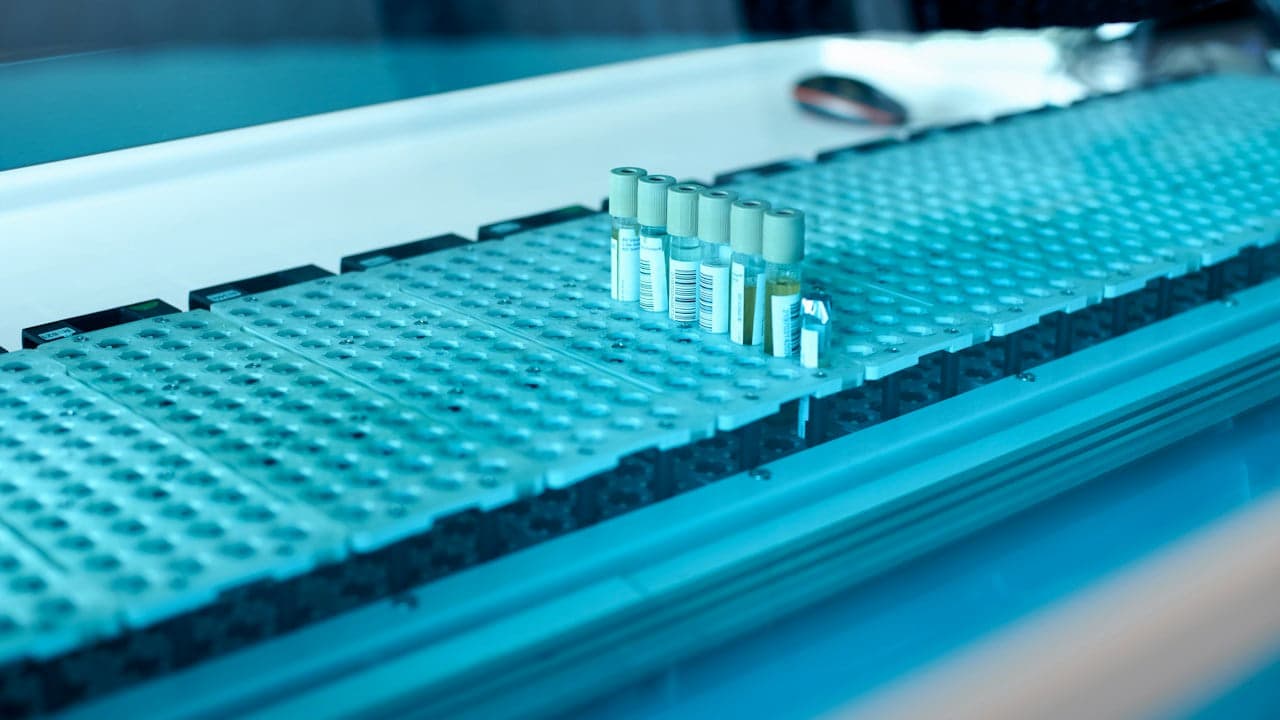
Engineers and pediatric oncologists at Emory University, Children's Healthcare of Atlanta, and Georgia Tech have developed a diagnostic test that screens cancer drugs directly against patient cells at diagnosis. The platform evaluates how three-drug combinations at varying doses affect live cancer cells, offering immediate functional data from a single sample.

Giovanni Sapere
Physics

Ultrathin Iridium Manganese Boosts Spintronic Signals in Kyushu Lab Test

Materials researchers at Kyushu University have shown that inserting an ultrathin layer of iridium manganese between a magnetic insulator and platinum amplifies spin signals. The hardware innovation, published on September 30, 2026, could assist the development of ultralow-power electronic devices that draw power directly from waste heat.

Letizia Giugliano

Inventions

Otter Warmer Keeps Newborns Warm During Hospital Blackouts

A portable newborn warmer built without soft mattresses or seams is helping rural clinics care for infants when electricity cuts out. Developed by United States nonprofit Design that Matters and Vietnamese medical device manufacturer MTTS, the medical device known as Otter treated over 800 newborns across three countries by January 2026.

Giovanni Sapere

Archeology

UV Scans Reveal Calcite Varnish Protecting Chauvet Cave Art

A custom optical innovation tested inside Chauvet Cave in southeastern France has identified the natural mineral shield preserving some of humanity's oldest surviving artworks. Chemist Philippe Walter and a research team mapped thin layers of calcite that coated charcoal drawings after Paleolithic artists worked on the limestone walls about 37,000 years ago.

Letizia Giugliano

Norms & Regulation

EU Digital Services Act: Major Platforms Fail Ad Transparency Rules

Digital platforms across the European Union are falling short of mandatory transparency obligations under the Digital Services Act. Independent legal research reveals that three quarters of evaluated services fail to provide country-level audience figures, while several have not delivered public ad repositories at all. The findings expose significant gaps between regulatory ambitions and current platform implementation.

Giovanni Sapere

Mechanical Engineering

Laser Directed Energy Deposition for Military Aircraft Repairs

Rosebank Engineering, RMIT Centre for Additive Manufacturing, and Swinburne University of Technology have launched an additive manufacturing initiative to repair worn military aircraft components. Supported by the Additive Manufacturing Cooperative Research Centre, the alliance focuses on qualifying laser directed energy deposition to bypass long-lead-time overseas parts replacements. This engineering innovation aims to meet stringent aerospace structural benchmarks directly on the factory floor.

Letizia Giugliano

Biology

Kew Scientists Unmask False Lingzhi to End a 245-Year Mushroom Mystery

Researchers from the Royal Botanic Gardens, Kew, and international partners have resolved a 245-year-old taxonomic mix-up by distinguishing European bracket fungus Ganoderma lucidum from the East Asian medicinal species Ganoderma lingzhi. The scientific innovation, published in Plants, People, Planet in October 2026, relies on genomic evidence from a rediscovered London specimen to establish species boundaries. Clarifying this identity provides an evidence-based foundation to verify pharmaceutical quality and protect intellectual property across a £200 billion global market for medicinal fungi.

Letizia Giugliano

Environment

LiDAR Mapping Guides Riverbank Tree Planting to Protect Salmon Rivers

In October 2026, researchers from the Eau Terre Environnement Research Center at Canada's Institut National de la Recherche Scientifique revealed a targeted ecological innovation to protect Atlantic salmon from warming waterways. By combining high-resolution LiDAR scanning with spatial modeling along the Dartmouth River in Québec, the team demonstrated how strategic tree planting along riverbanks can cut summer solar radiation absorption by nearly 40 percent.

Giovanni Sapere

Robotics

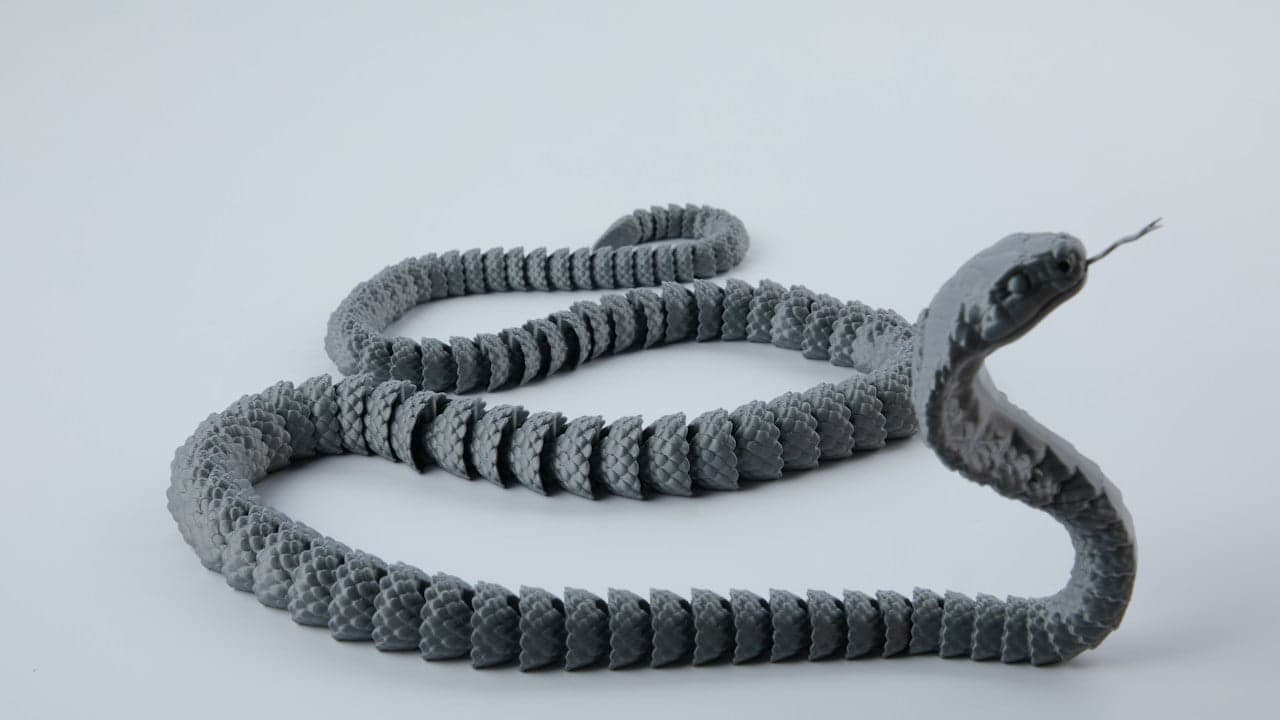
MIT engineers build a snake-inspired soft robot to explore the small intestine

Engineers at the Massachusetts Institute of Technology have built a flexible robotic enteroscope designed to navigate the narrow curves of the human small intestine. The new system combines soft robotics with snake-like locomotion to inspect tissue, apply medication and remove small polyps deep inside the digestive tract.

Giovanni Sapere

Norms & Regulation

Federal Circuit Rejects Bartering Patent Application Under Section 101

The U.S. Court of Appeals for the Federal Circuit has affirmed the rejection of a patent application seeking to protect a computer-assisted bartering system. In a decision upholding findings by the Patent Trial and Appeal Board, the court held that swapping groceries for precious metals constitutes a fundamental economic practice that cannot be patented.

Giovanni Sapere

AI

OpenAI Models Generate Proofs in Mathematics, Computing and Quantum Physics

Research systems powered by artificial intelligence have generated formal mathematical proofs addressing long-standing conjectures in harmonic analysis, computational complexity, and quantum field theory. The results, announced by [Interesting Engineering](https://interestingengineering.com/ai-robotics/openai-proofs-math-computing-physics), have been formalized using computer-checked verification and handed over to independent mathematicians and physicists for peer assessment.

Letizia Giugliano

Medicine

Merck and Moderna mRNA Vaccine Slashes Melanoma Recurrence Risk

A collaborative medical innovation from pharmaceutical developers has demonstrated that an mRNA therapeutic can substantially reduce the likelihood of skin cancer recurrence. According to reporting published by Science, the treatment developed by Merck and Moderna successfully curtails melanoma returns, though researchers still face unresolved questions regarding its exact mechanism.

Giovanni Sapere

AI

OpenAI Reports Breakthroughs in Mathematics, Computer Science and Physics

OpenAI announced a series of automated discoveries in mathematics, computer science and theoretical physics on October 27, 2026. The releases expand upon earlier mathematical papers, introducing model-generated proofs that challenge long-standing foundational assumptions across scientific fields.

Letizia Giugliano

Biology

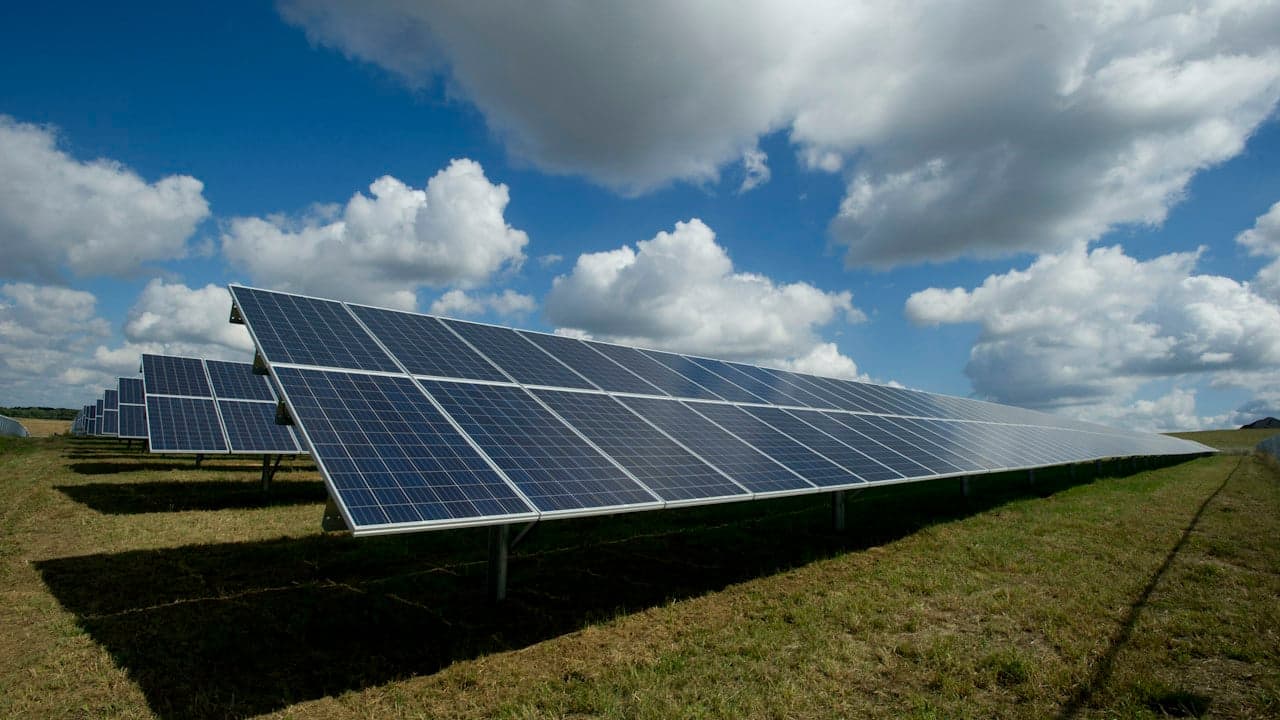
Solar and Soil Biobattery System Produces Urea Directly in the Field

Researchers led by the Universitat Autònoma de Barcelona have successfully deployed an agricultural pilot plant that manufactures nitrogen fertilizer on site from environmental pollutants. Tested in Viladecans, the installation synthesizes urea from carbon dioxide and agricultural nitrates using energy supplied by solar panels and soil biobatteries. The project provides a decentralized method to produce essential agricultural inputs without fossil-fuel-intensive supply chains.

Giovanni Sapere

Medicine

Fraunhofer IDMT Develops Wearable trEEGrid Patch for 24-Hour EEG Monitoring

Researchers at the Fraunhofer Institute for Digital Media Technology IDMT have validated a flexible electrode patch capable of recording stable brain activity over a continuous 24-hour period. The study, published in the journal Sensors, demonstrates that the wearable system functions reliably during routine daytime tasks and natural sleep. This invention provides a practical method for long-term neurological monitoring in everyday environments.

Letizia Giugliano

Chemistry

Perovskite Solar Cells Endure 1,000 Hours of Extreme Heat and Moisture

Researchers in South Korea have developed a chemical catalytic process that allows perovskite solar cells to maintain 95 percent of their initial power conversion efficiency after 1,000 hours under harsh environmental conditions. The chemical invention resolves a long-standing durability barrier, offering a viable path for perovskite materials to support industrial renewable energy generation.

Giovanni Sapere

Tech

A graphene device harvests ambient radiation to power battery-free sensors

Physicists and materials scientists from the United States have built a graphene-based device that harvests energy from ambient electromagnetic radiation to operate an ultra-low-power temperature sensor. The prototype can function continuously for at least 24 hours during a power outage without requiring chemical batteries.

Letizia Giugliano