News

Science

Colloidal Anti-Spin Ice Created with Rotating Magnetic Fields

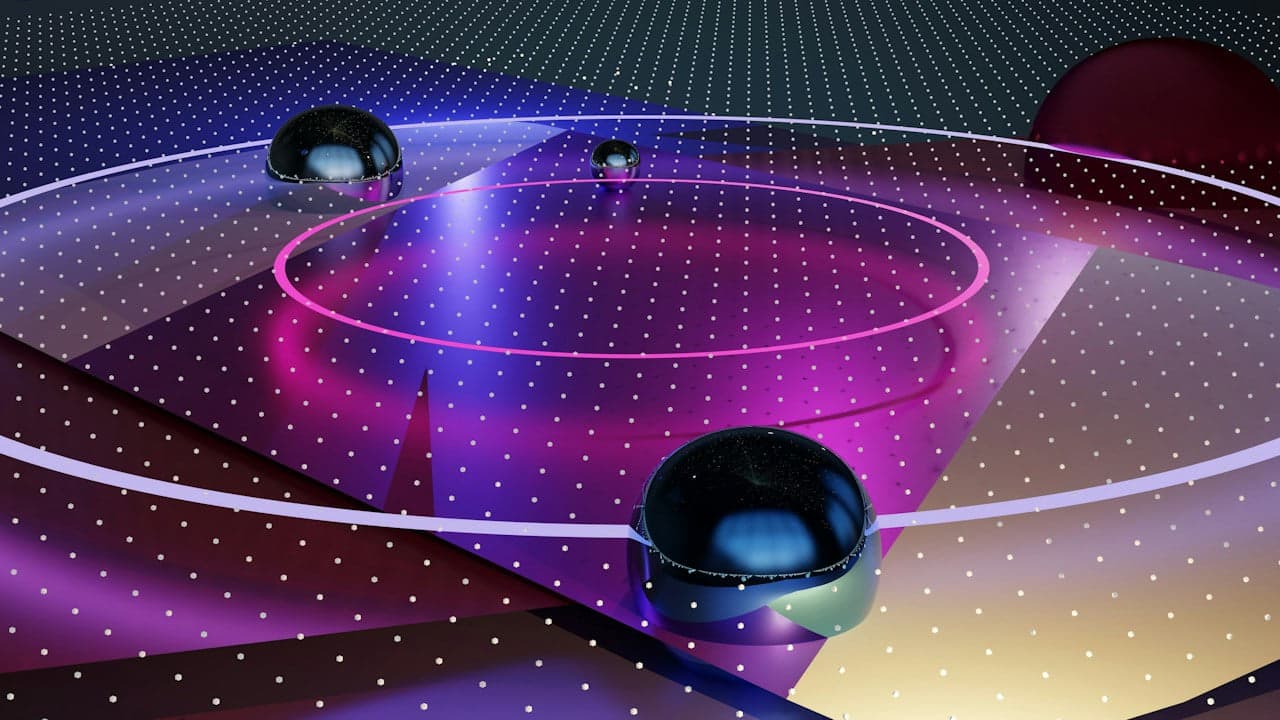
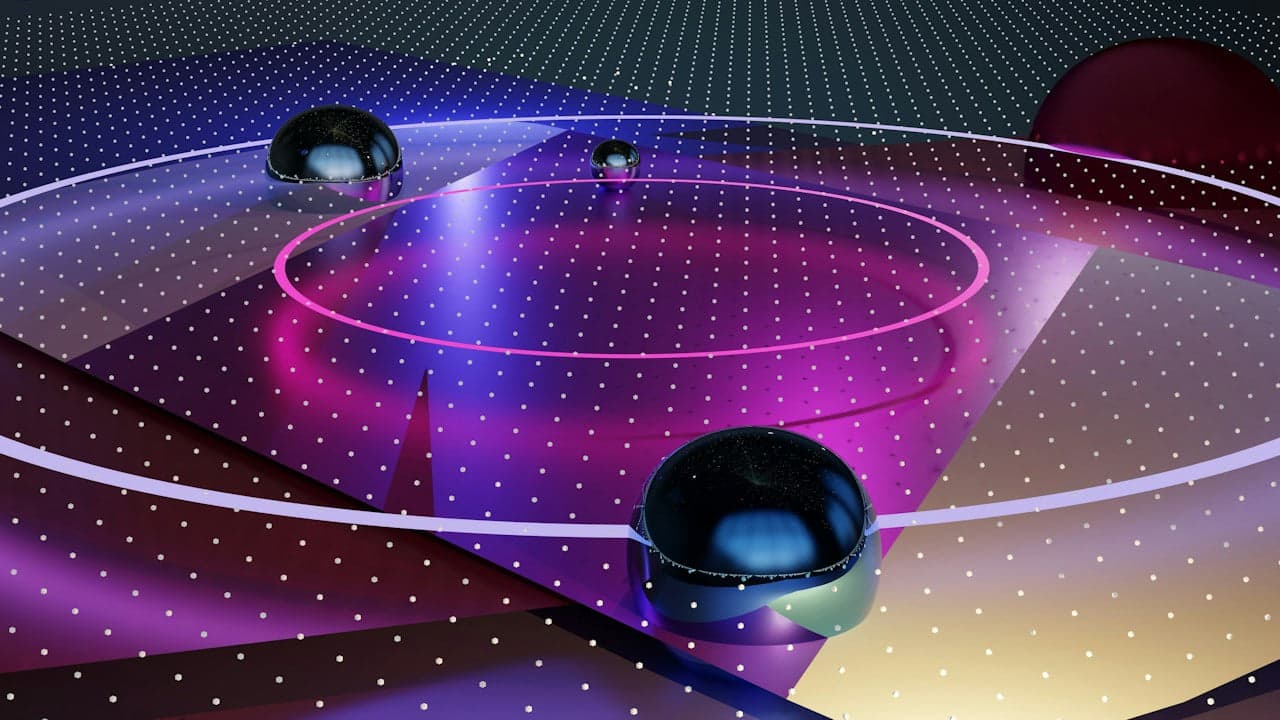
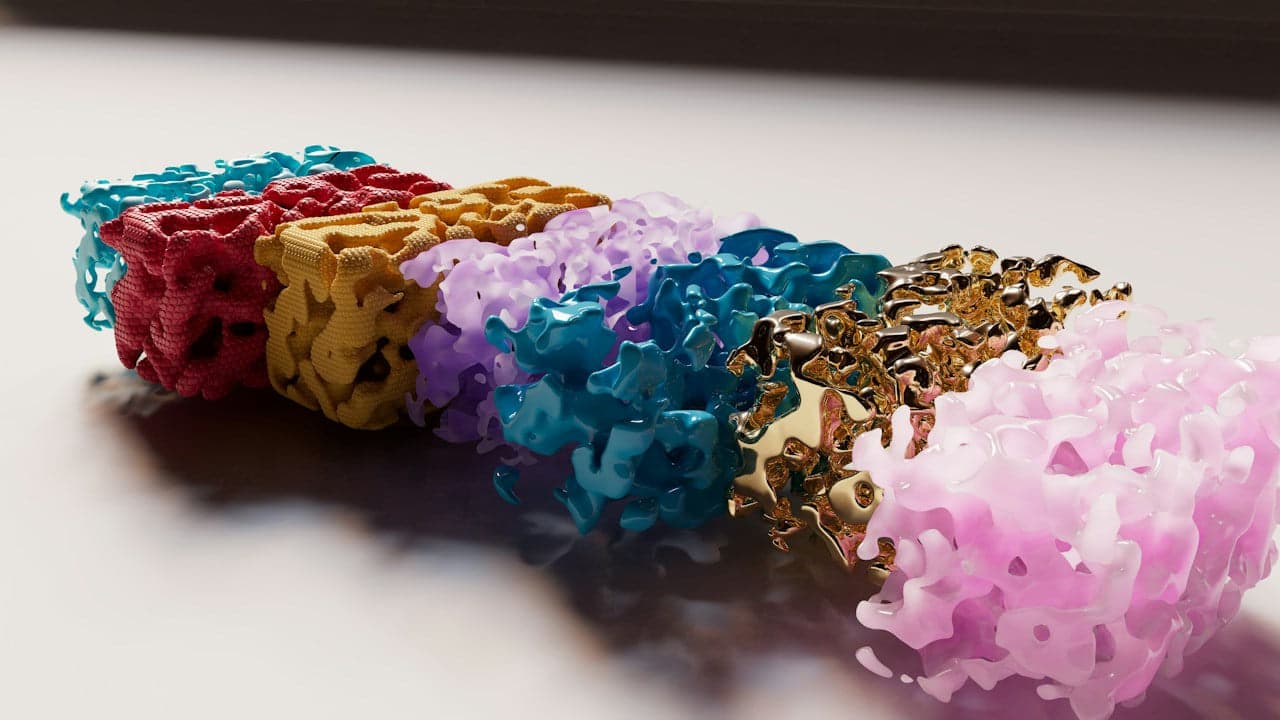
Physicists have constructed an artificial anti-spin ice that reverses the basic rules governing frustrated magnetic matter. As reported by [Phys.org](https://phys.org/news/2026-10-ice-scientists-particles-anti.html), the physics innovation relies on microscopic beads exposed to a spinning magnetic field that forces them to attract rather than repel each other.

Giovanni Sapere

Space

A forgotten heavy neutrino may solve why matter survived the Big Bang

Physicists from the University of Southampton and the Indian Institute of Technology Kanpur have found that a neglected particle may explain why matter exists today instead of empty space. Their analysis shows that a decoupled heavy neutrino briefly dominated the cosmos after the Big Bang, tipping the balance against antimatter.

Giovanni Sapere

AI

OpenAI and Anthropic claim AI solved a 27-year-old computer science problem

Teams at OpenAI and Anthropic claim that artificial intelligence has cracked a 27-year-old pillar of computer science. The achievement forms one of three major claims from OpenAI, opening fresh debates on intellectual property and the distribution of machine-generated scientific findings.

Giovanni Sapere

Physics

Two electrons unite to push laser X-rays beyond standard physics limits

Physicists at TU Wien and the University of California San Diego have found a way to generate X-rays with higher energies than standard theoretical limits permit. By synchronizing two electrons in helium atoms with ultraviolet laser pulses, the team triggered a combined energy release that creates unusually energetic photons. The scientific innovation challenges long-standing assumptions about how laser-driven radiation is generated at the atomic level.

Giovanni Sapere

Physics

Physicists Confirm Altermagnetism in Manganese Telluride

Physicists led by the SLAC National Accelerator Laboratory have confirmed the existence of a third magnetic phase known as altermagnetism. Reported on October 30, 2026, in the journal Science, the physical innovation provides direct experimental proof of chirality in manganese telluride, verifying a magnetic structure predicted only in 2022.

Letizia Giugliano

AI

BBERT uses artificial intelligence to identify hidden bacteria in soil

Researchers at the Hebrew University of Jerusalem and partner institutions have developed an artificial intelligence tool called BBERT to identify unknown bacterial DNA fragments directly from environmental soil samples. The software, detailed in a study published in Nucleic Acids Research, borrows mechanisms from language processing to evaluate genetic material without needing exact matches in reference catalogs. The invention allows laboratories to reconstruct microbial genomes in less than half the usual time using conventional personal computers.

Letizia Giugliano

Makers

Dr. Kun Dániel Builds an AI-Guided Lockpicking Robot

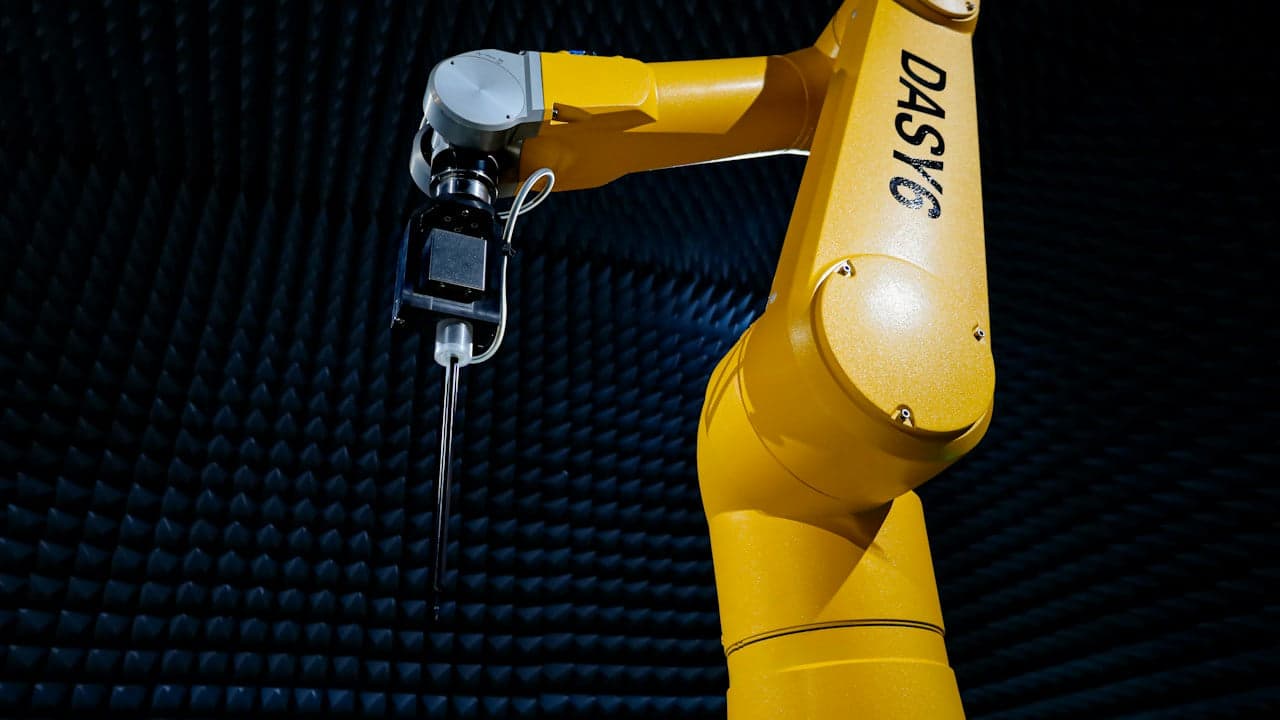
Maker Dr. Kun Dániel has designed an autonomous lockpicking device that replaces the human touch with robotic actuators and artificial intelligence. The compact invention mounts onto an ordinary lock cylinder to manipulate internal pins through real-time physical feedback.

Letizia Giugliano

Tech

Transmitting Odors Over the Internet with Scentronic

Two research teams from The Ohio State University and Zhejiang Laboratory have demonstrated a method to digitize and transmit odors over network connections. The setup pairs an electronic nose with an emitting unit called Scentronic, using machine learning to classify scents before misting preloaded liquid fragrances. So far, the system has successfully transmitted the aromas of coffee, beer, cake, oranges and red wine.

Letizia Giugliano

Robotics

China tests experimental submersible trimaran warship

Naval shipbuilders in China are testing an uncrewed missile vessel at Huludao on the Bohai Sea that conceals its hull beneath the surface before emerging to fire. The experimental trimaran design measures roughly 65 metres in length and reflects a growing convergence of naval engineering and autonomous robotics.

Letizia Giugliano

Robotics

Magnetic Bead Implants Give Robotic Prosthetics Real Time Muscle Tracking

Three human amputees have successfully tested an implantable magnetic tracking system that measures muscle movements in real time. The study from the Massachusetts Institute of Technology, published in the journal Nature Sensors, offers a new physical interface for robotics controllers that guide advanced prosthetic limbs.

Letizia Giugliano

Construction

ETH Zurich turns sand into solid biocement using bacteria

Engineers at ETH Zurich have developed an architectural innovation that binds ordinary loose sand into rigid building components using living bacteria. Led by Karen Antorveza Paez, the team created two fabrication methods that avoid the high heat and heavy carbon emissions of conventional cement production, as reported by [New Atlas](https://newatlas.com/materials/biocement-solid-sand/).

Giovanni Sapere

Electricity

A concentrated solar power system designed with its own fuel backup

Engineers are building a 1 megawatt concentrated solar plant in India that can switch directly to combustion fuels when sunlight drops. Developed by the US startup 247Solar, the invention replaces conventional turbine combustors with a heat exchanger, allowing the same generation machinery to run on solar heat or backup fuels without constructing a separate power station.

Letizia Giugliano

Biology

SmartPE Boosts Prime Editing in Dicot Crops

Molecular biologists have struggled to adapt prime editing to broad-leaved plants because editing rates in dicot species routinely lag behind those in grasses. To overcome that barrier, researchers at the Chinese Academy of Sciences developed an engineered prime editing system called SmartPE. The biological invention, published in Nature Plants, raises target modification rates across tomato, soybean and rapeseed tissues.

Letizia Giugliano

Medicine

Ten Blood Markers Predict Aging Health and Cardiometabolic Disease Risk

Researchers at Leiden University Medical Center and the Max Planck Institute for Biology of Aging have developed a personalized metabolic score that evaluates disease risk and healthy aging. Presented at the FAPESP Week Netherlands conference, the innovation analyzes ten routine blood substances to generate a single profile of metabolic health. A one-point rise on the inverted scale corresponds to an average 14-year delay in the onset of cardiometabolic conditions.

Giovanni Sapere

Robotics

Penn Engineers Speed Up Event Camera Vision to 440 Times per Second

Engineers at the University of Pennsylvania have developed an artificial intelligence tool that processes event-camera visual data up to 440 times per second. The software invention, called Fast Feature Field, allows machines to interpret rapid environmental changes between two and five times faster than earlier methods. Reported in the journal Science Robotics, the system helps autonomous drones, wheeled vehicles, and walking robots react quickly in cluttered spaces and low-light conditions.

Letizia Giugliano

Motors

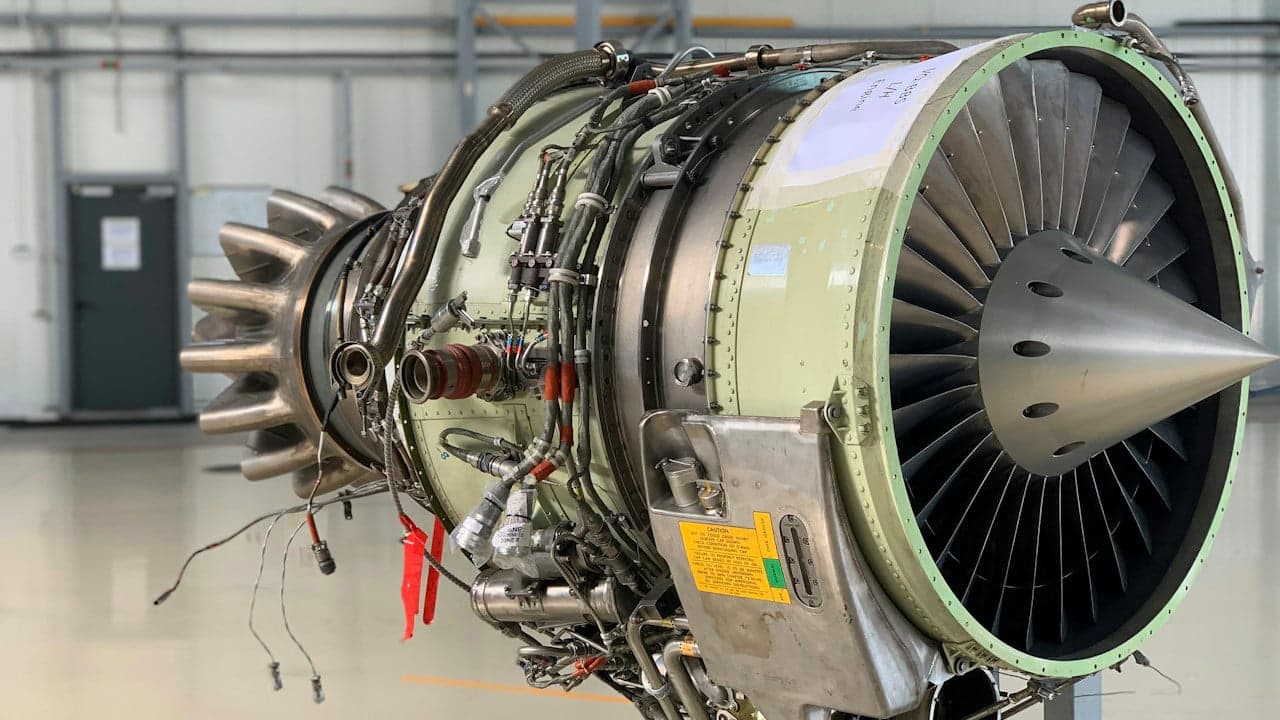
Beehive Industries tests Frenzy 6 jet engine prototype for drones

Colorado-based defense propulsion manufacturer Beehive Industries has conducted the first test of its Frenzy 6 engine prototype. The trial took place on September 23 at the company's headquarters, assessing a compact propulsion unit tailored for unmanned aerial systems and munitions. The demonstration marks a rapid transition from technical design to physical hardware.

Letizia Giugliano

Tech

EPFL Shrinks Ultra-Fast Blue Laser Onto a Photonic Chip

Engineers at EPFL in Switzerland have mounted a high-precision blue laser onto a miniature photonic chip, keeping frequency variation below 30 kilohertz while tuning rapidly. The compact invention sends optical signals through water and identifies airborne particles that standard infrared beams miss.

Letizia Giugliano

AI

Beijing researchers design bone scaffolds in 12 seconds with AI

Engineers and medical researchers at Beijing Rehabilitation Hospital, affiliated with Capital Medical University, have introduced ScaffoldForge, a generative artificial intelligence system for bone repair. The tool designs customized bone scaffolds in roughly 12 seconds, shifting a calculation process that previously required hours of computing time.

Giovanni Sapere