Giovanni Sapere

Health

Harvard app Mobilio uses smartphone sensors to guide blind walkers

Bioengineers at Harvard University have developed Mobilio, an assistive software application that turns a standard smartphone into a real-time guidance system for people with visual impairments. The system applies artificial intelligence and computer vision to live phone sensor feeds, issuing tailored audio beeps to guide users around obstacles. In experimental trials, participants using the tool reached destinations 13 percent faster while recording 41 percent fewer collisions than when using conventional mobile maps.

Giovanni Sapere
Physics

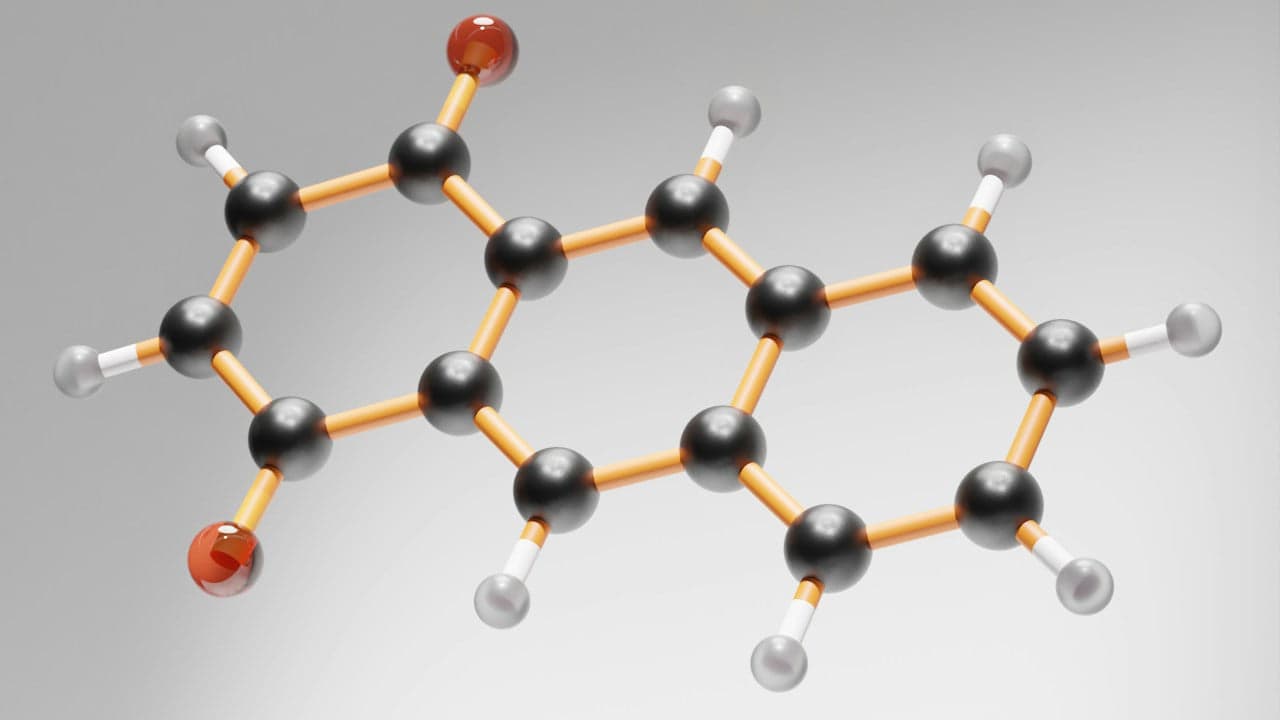
A microscopic Archimedes screw spins between gold tips and boosts conductivity

Physicists and chemists in Germany, Denmark, and Israel have built an electrically driven molecular motor based on the spiral design of the Archimedes screw. The single-molecule invention, suspended between two atomic-scale gold tips, rotates continuously when current passes through it and reverses direction when the electrical polarity flips. By measuring electron transport and modeling quantum states, the researchers discovered that the spinning movement increases electrical conductivity by up to 100 times.

Giovanni Sapere

Prototypes

US Navy engineers build 3D-printed clip to stop unexploded submunition blasts

Two engineers at Naval Surface Warfare Center Corona Division have designed a mechanical clip that blocks the arming components of unexploded submunitions. The invention, developed for explosive ordnance disposal teams, replaces slow-setting plaster mixtures with an on-demand component produced using 3D printing.

Giovanni Sapere

Medicine

Microfluidic chip screens leukemia drug therapies in children

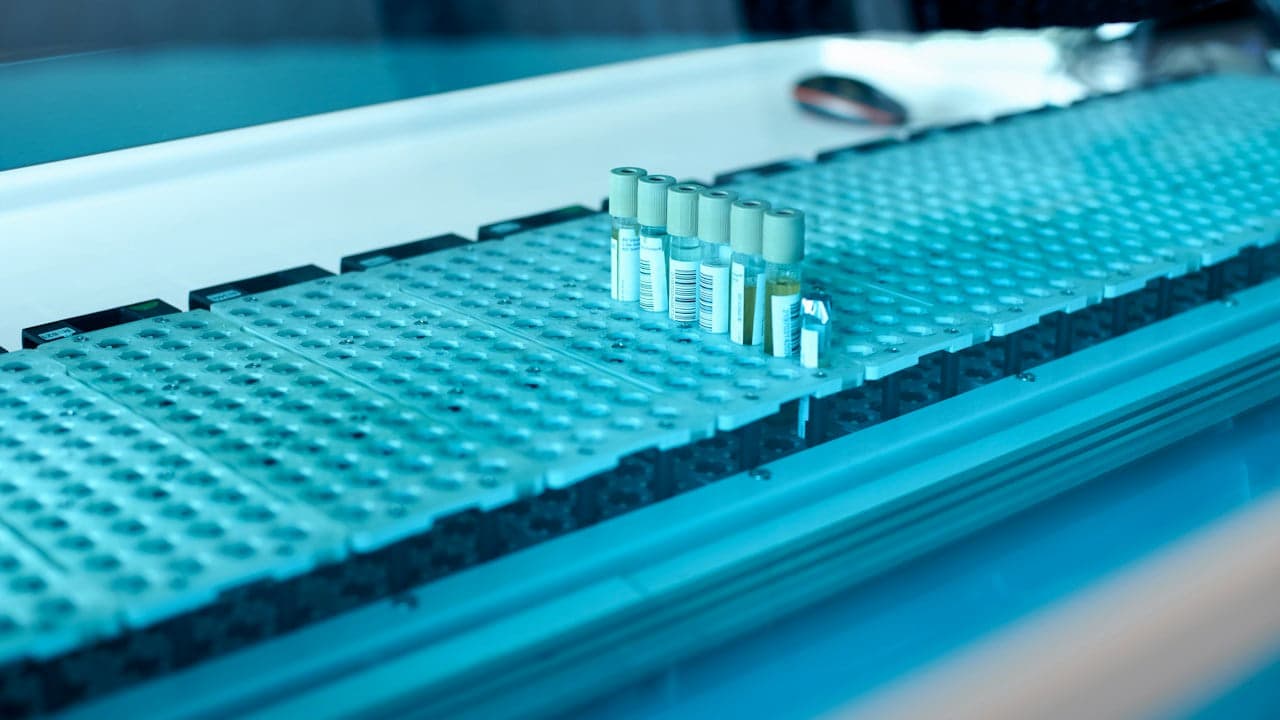
Engineers and pediatric oncologists at Emory University, Children's Healthcare of Atlanta, and Georgia Tech have developed a diagnostic test that screens cancer drugs directly against patient cells at diagnosis. The platform evaluates how three-drug combinations at varying doses affect live cancer cells, offering immediate functional data from a single sample.

Giovanni Sapere

Inventions

Otter Warmer Keeps Newborns Warm During Hospital Blackouts

A portable newborn warmer built without soft mattresses or seams is helping rural clinics care for infants when electricity cuts out. Developed by United States nonprofit Design that Matters and Vietnamese medical device manufacturer MTTS, the medical device known as Otter treated over 800 newborns across three countries by January 2026.

Giovanni Sapere

Norms & Regulation

EU Digital Services Act: Major Platforms Fail Ad Transparency Rules

Digital platforms across the European Union are falling short of mandatory transparency obligations under the Digital Services Act. Independent legal research reveals that three quarters of evaluated services fail to provide country-level audience figures, while several have not delivered public ad repositories at all. The findings expose significant gaps between regulatory ambitions and current platform implementation.

Giovanni Sapere

Environment

LiDAR Mapping Guides Riverbank Tree Planting to Protect Salmon Rivers

In October 2026, researchers from the Eau Terre Environnement Research Center at Canada's Institut National de la Recherche Scientifique revealed a targeted ecological innovation to protect Atlantic salmon from warming waterways. By combining high-resolution LiDAR scanning with spatial modeling along the Dartmouth River in Québec, the team demonstrated how strategic tree planting along riverbanks can cut summer solar radiation absorption by nearly 40 percent.

Giovanni Sapere

Robotics

MIT engineers build a snake-inspired soft robot to explore the small intestine

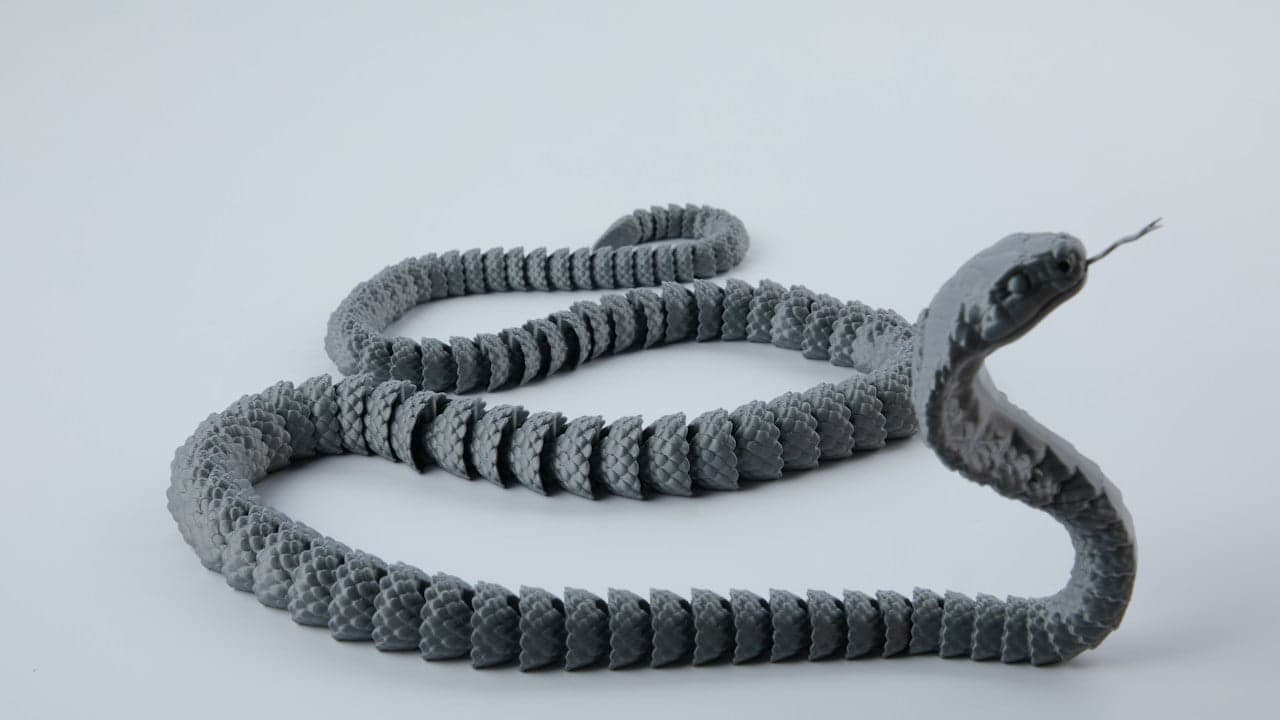
Engineers at the Massachusetts Institute of Technology have built a flexible robotic enteroscope designed to navigate the narrow curves of the human small intestine. The new system combines soft robotics with snake-like locomotion to inspect tissue, apply medication and remove small polyps deep inside the digestive tract.

Giovanni Sapere

Norms & Regulation

Federal Circuit Rejects Bartering Patent Application Under Section 101

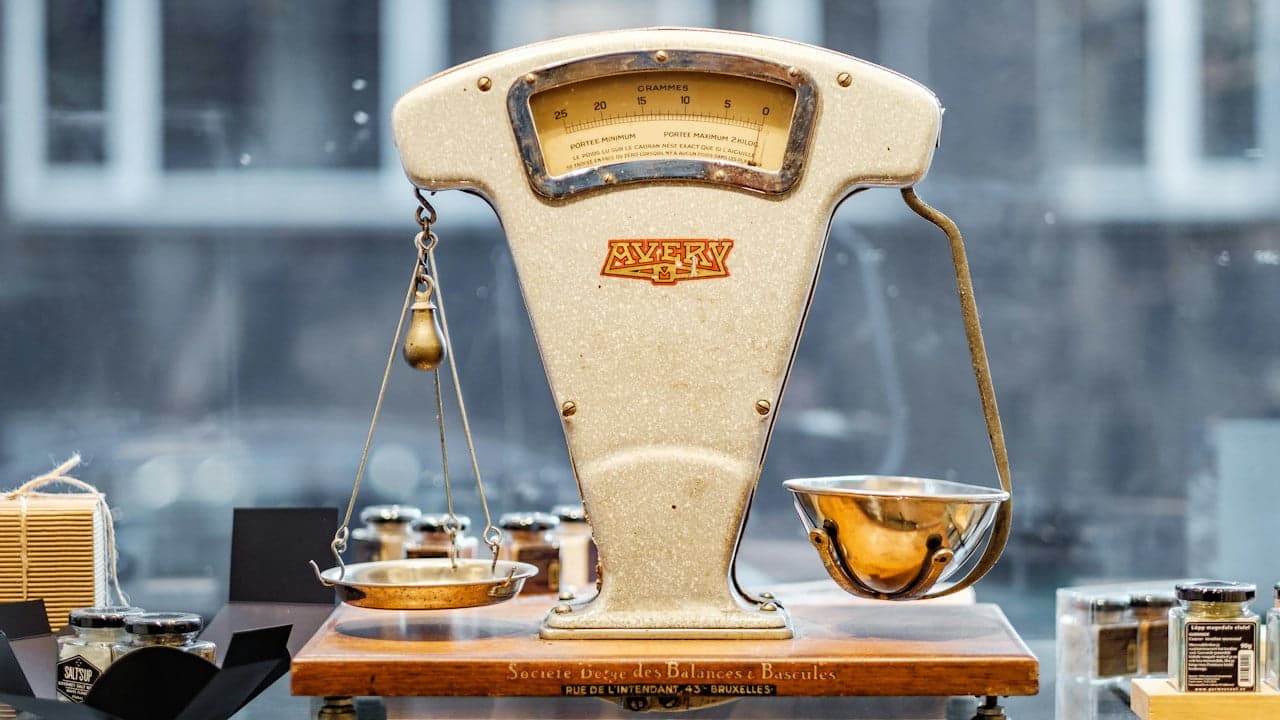
The U.S. Court of Appeals for the Federal Circuit has affirmed the rejection of a patent application seeking to protect a computer-assisted bartering system. In a decision upholding findings by the Patent Trial and Appeal Board, the court held that swapping groceries for precious metals constitutes a fundamental economic practice that cannot be patented.

Giovanni Sapere

Medicine

Merck and Moderna mRNA Vaccine Slashes Melanoma Recurrence Risk

A collaborative medical innovation from pharmaceutical developers has demonstrated that an mRNA therapeutic can substantially reduce the likelihood of skin cancer recurrence. According to reporting published by Science, the treatment developed by Merck and Moderna successfully curtails melanoma returns, though researchers still face unresolved questions regarding its exact mechanism.

Giovanni Sapere

Biology

Solar and Soil Biobattery System Produces Urea Directly in the Field

Researchers led by the Universitat Autònoma de Barcelona have successfully deployed an agricultural pilot plant that manufactures nitrogen fertilizer on site from environmental pollutants. Tested in Viladecans, the installation synthesizes urea from carbon dioxide and agricultural nitrates using energy supplied by solar panels and soil biobatteries. The project provides a decentralized method to produce essential agricultural inputs without fossil-fuel-intensive supply chains.

Giovanni Sapere

Chemistry

Perovskite Solar Cells Endure 1,000 Hours of Extreme Heat and Moisture

Researchers in South Korea have developed a chemical catalytic process that allows perovskite solar cells to maintain 95 percent of their initial power conversion efficiency after 1,000 hours under harsh environmental conditions. The chemical invention resolves a long-standing durability barrier, offering a viable path for perovskite materials to support industrial renewable energy generation.

Giovanni Sapere

Tech

AI Agents Accelerate Radiation Shielding for Space Microchips

Scientists at Pacific Northwest National Laboratory have introduced an artificial intelligence workflow called SciLink to accelerate the development of radiation-hardened microchips. Presented at a regional meeting of the American Chemical Society, the system combines specialized software agents to evaluate how particle bombardment degrades electronics destined for space and nuclear reactors.

Giovanni Sapere

Chemistry

UT Austin Develops Bio-Inspired Channels to Filter Lithium

Chemical engineers at the University of Texas at Austin have engineered nanoscale artificial pores that mimic biological cell membranes to filter lithium ions. The chemical innovation allows lithium to pass through while blocking competing metals such as sodium and magnesium. Published in the Journal of the American Chemical Society, the method offers a cleaner path to extract critical raw materials for energy storage.

Giovanni Sapere

Chemistry & Metallurgy

Pulsed 3D Printing Produces Meter-Long Single Crystals for Extreme Heat

Materials researchers in China have invented a pulsed additive manufacturing process capable of growing titanium-alloy rods more than a meter tall out of a single continuous crystal. Reported in Nature, the technique eliminates microscopic grain boundaries that typically weaken metallic parts subjected to severe mechanical stress and elevated temperatures. The metallurgical invention offers an alternative route to producing components for reactors, aerospace structures, and optical systems without conventional mold-based limitations.

Giovanni Sapere

Physics

Northwestern physicists trap single positron in quantum cyclotron

Physicists at Northwestern University have demonstrated the first one-positron quantum cyclotron, successfully isolating a single antimatter particle in a cryogenic trap for months. The breakthrough provides a tool to test whether matter and antimatter obey identical physical laws under fundamental symmetries. By tracking the particle's quantum states, researchers aim to probe physics beyond the Standard Model.

Giovanni Sapere

Archeology

Jurassic Bird Fossil in China Reveals Earliest Evidence of Flight Loss

A 150-million-year-old fossil uncovered in southeastern China represents the earliest known instance of a bird lineage losing the ability to fly. Researchers from the Chinese Academy of Sciences and the Fujian Institute of Geological Sciences identified the crow-sized species, Yuezhuornis yangyuanensis, in the Late Jurassic Zhenghe Fauna. The discovery reveals an unexpected evolutionary innovation, showing that early avians adapted to terrestrial ecological niches rather than progressing solely toward powered flight.

Giovanni Sapere