News

Robotics

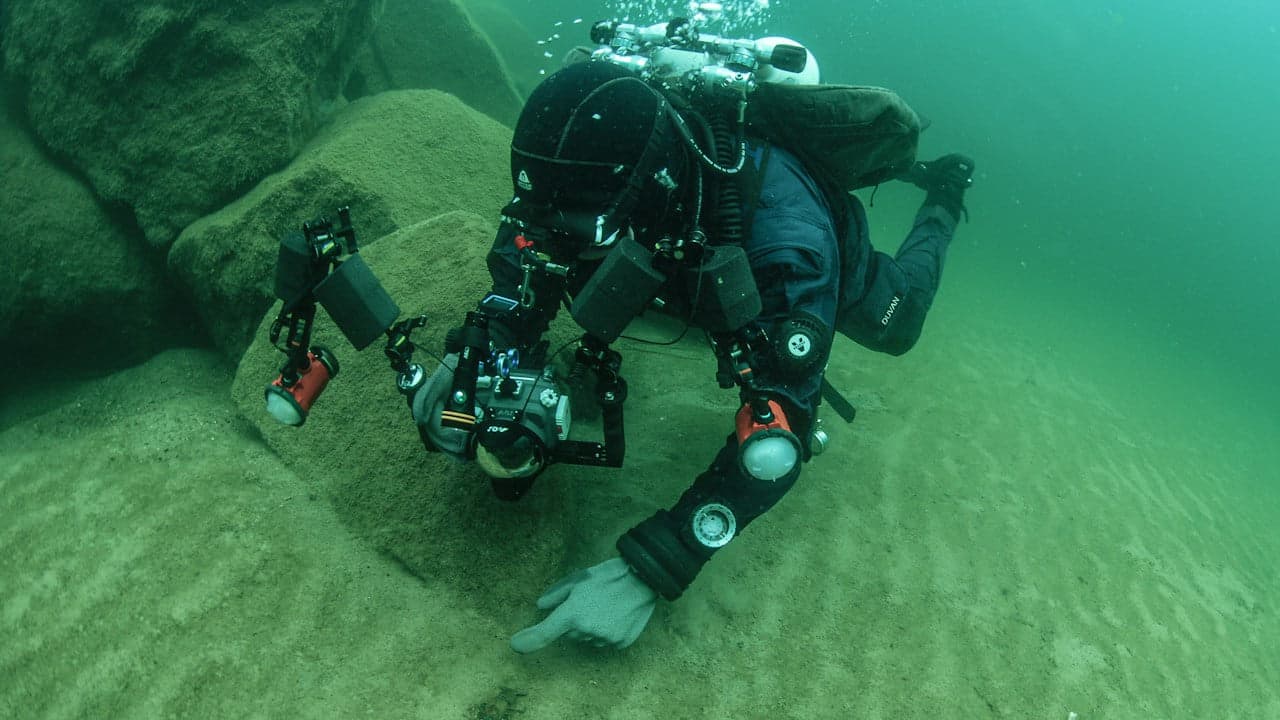
Bio-Inspired Feather Star Robot Masters 3D Underwater Maneuvers

Engineers at North Carolina State University have created an aquatic robot modeled after the marine feather star to navigate underwater environments in three dimensions. The new invention achieves multi-directional swimming and hovering using just two actuators, relying on smart structural design instead of complex electronic control systems.

Letizia Giugliano

Medicine

Personalized mRNA Melanoma Vaccine Cuts Recurrence Risk by 42%

In an international Phase III trial, adding the personalized therapeutic vaccine intismeran to pembrolizumab immunotherapy reduced the risk of recurrence or death by 42% in high-risk melanoma patients after surgery. Presented at the ESMO Congress 2026, the findings establish a new therapeutic approach combining tailored neoantigen targeting with immune checkpoint blockade. This medical innovation offers post-surgical protection for patients facing high chances of cancer relapse.

Giovanni Sapere

Chemistry

Ceramic Cell Doubles Clean Hydrogen Yield from Industrial Steam

Chemical engineers at the University of Groningen have developed an invention that doubles the production of clean hydrogen from steam without requiring extra electrical power. The system, detailed in the journal Energy and Environmental Science, operates at high temperatures to split water vapor directly into pure hydrogen gas, providing heavy industry with an efficient alternative to fossil-fuel-derived hydrogen.

Letizia Giugliano

Medicine

UNC Researchers Uncover Protein Pathway Shielding Dormant HIV

Scientists at the University of North Carolina at Chapel Hill School of Medicine have identified a human protein pathway responsible for keeping HIV dormant within host cells. Published in Cell Reports on October 24, 2026, the discovery exposes how viral reservoirs persist in blood and brain immune cells despite antiretroviral therapy. Uncovering these cellular mechanisms provides a scientific foundation for therapeutic strategies designed to expose and eradicate persistent virus.

Giovanni Sapere

Electricity

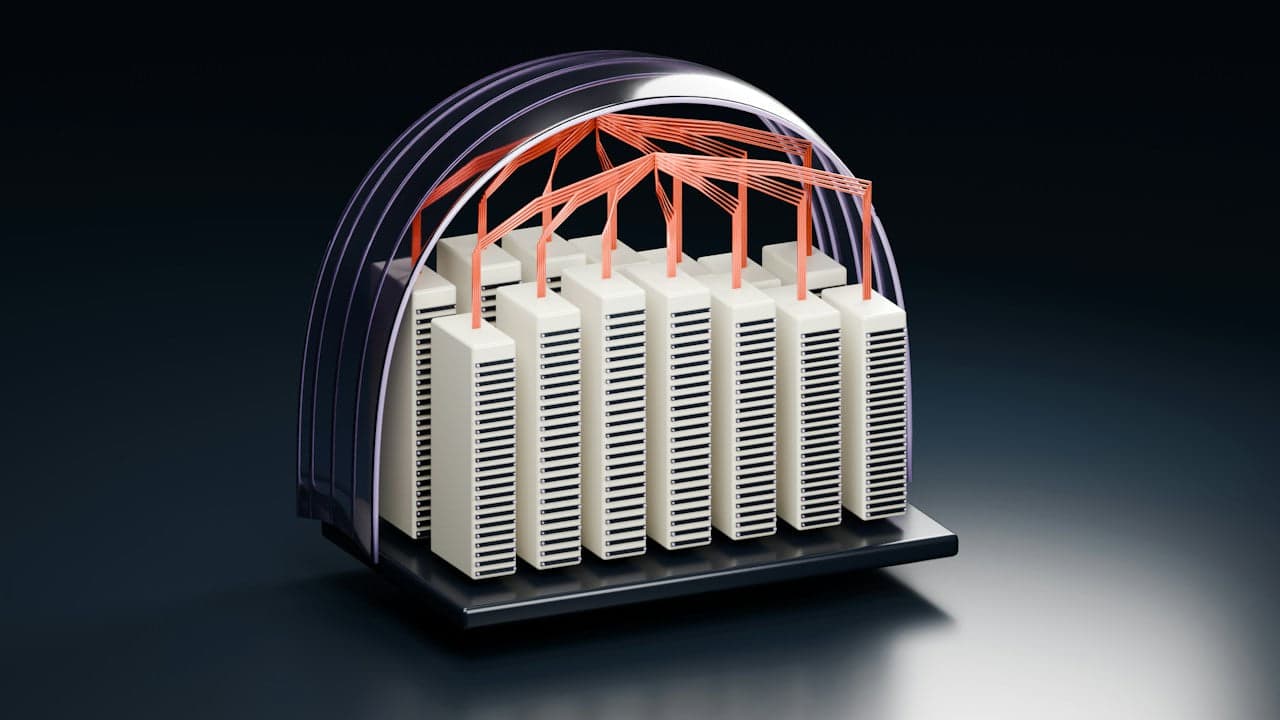
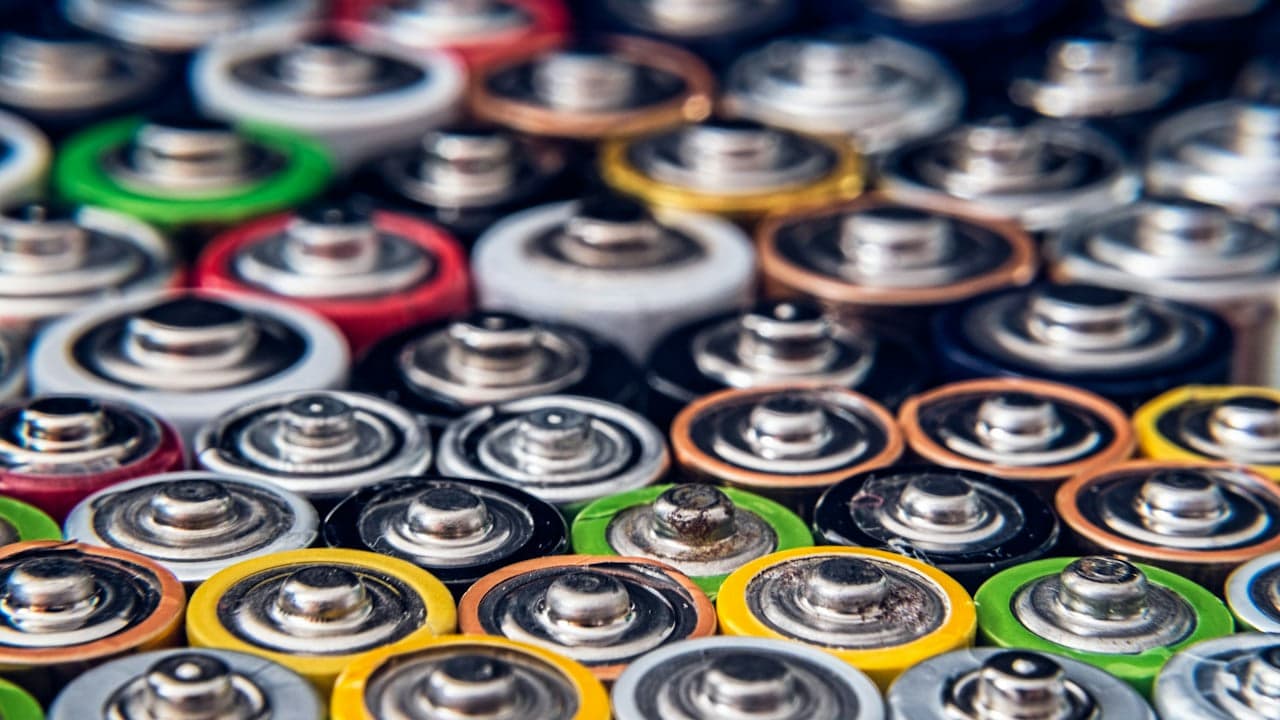
Sodium-Ion Batteries Without Active Cooling Aim to Cut Grid Costs

Energy startup Peak Energy announced on October 23 that it raised $108 million in a Series B round led by GM Ventures to scale sodium-ion battery platforms. Designed specifically for stationary power grids and data centers, the system removes active cooling equipment to lower deployment costs. The effort builds on a joint technical initiative with General Motors to deploy cell chemistries tailored for stationary utility networks.

Letizia Giugliano

AI

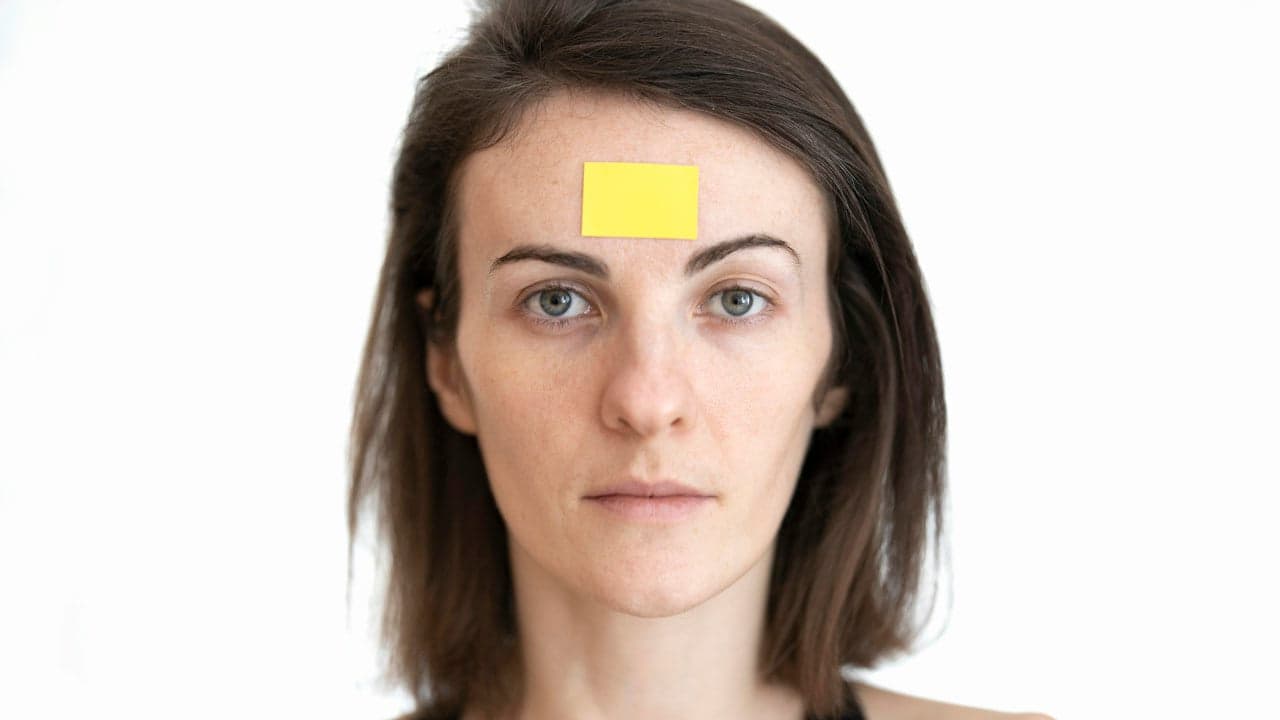
Mass General Brigham AI predicts cancer survival risk from a facial photo

Scientists at the Mass General Brigham Cancer Institute have developed an artificial intelligence tool capable of predicting a patient's biological age and cancer treatment survival odds from a single facial photograph. The clinical breakthrough provides oncologists with a non-invasive method to evaluate physical reserve before ordering aggressive interventions such as radiotherapy, systemic therapy or surgery. Published in The Lancet Digital Health, the project shows how digital facial biomarkers can measure patient frailty without requiring exhausting clinical tests.

Giovanni Sapere

Robotics

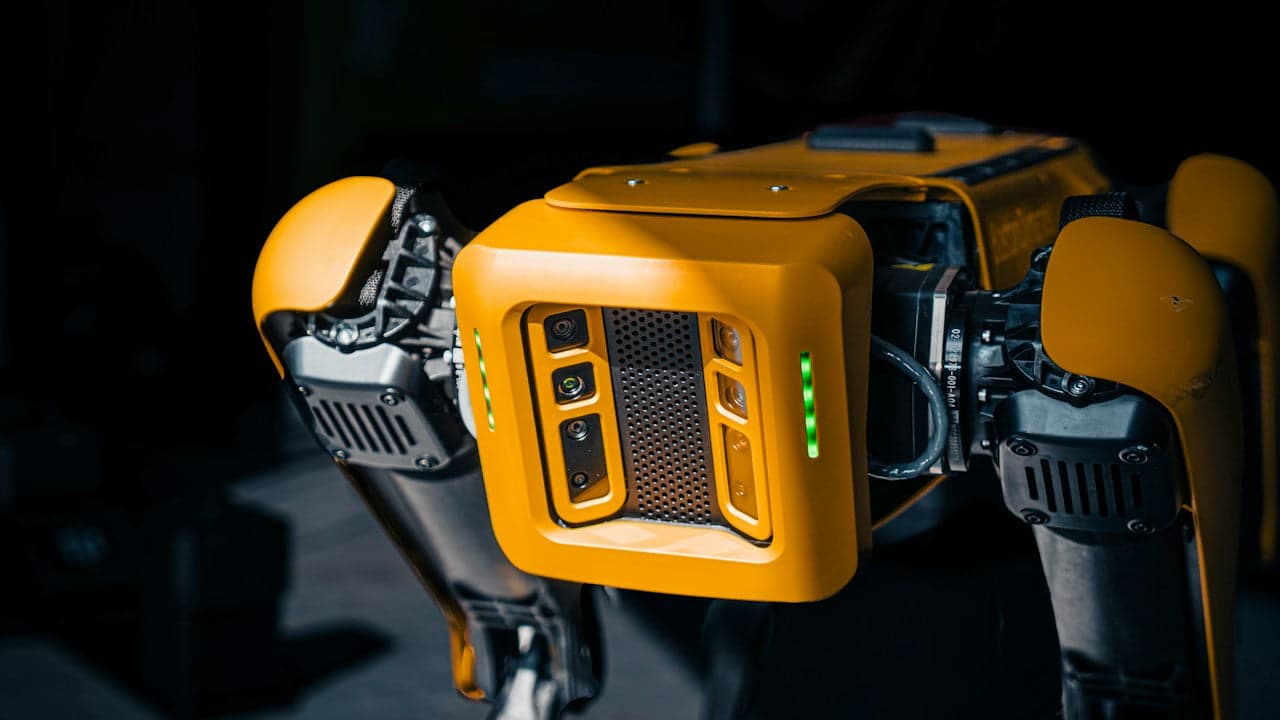
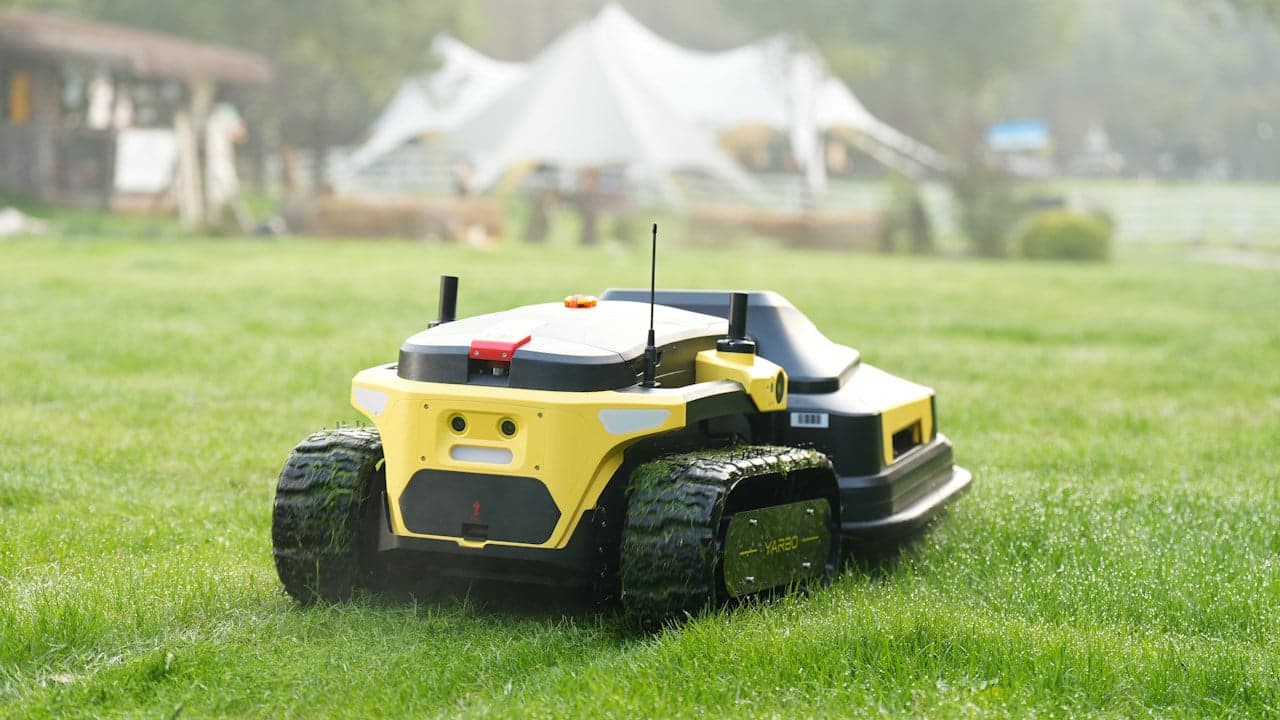
Dexterity and Motion Control Advance Across Quadrupeds and Humanoid Robots

Recent milestones in robotics highlight how machines are mastering delicate manipulation and dynamic mobility without relying on conventional human-like approaches. Engineering reports from October 2026 demonstrate that quadruped platforms, stabilization frameworks, and humanoid systems are rapidly closing the divide between sensory perception and physical action. These developments signal a wider shift toward resilient, high-speed machines designed for complex physical tasks.

Letizia Giugliano

Tech

Low-Cost Sensor Identifies Incoming Drones by Motor Magnetic Fields

Engineers at Florida International University have created a passive detection method that identifies airborne drones solely through the magnetic signatures produced by their electric motors. The hardware costs only a few hundred dollars to assemble and pinpoints drone models with up to 98.52% accuracy at close range, offering an alternative to active radar and noisy acoustic systems.

Letizia Giugliano
Physics

KTH Physicists Build Programmable Photonic Chip to Uncover Topological Stability

Researchers at KTH Royal Institute of Technology have demonstrated a programmable photonic chip capable of detecting stabilizing topological properties in light-guiding systems. Reported on October 18, 2026, the experimental method allows physicists to identify wave behaviors that resist structural flaws under realistic energy-loss conditions.

Giovanni Sapere

Science

Physicists Engineer Fractional Fermi Sea in Ultracold Atoms

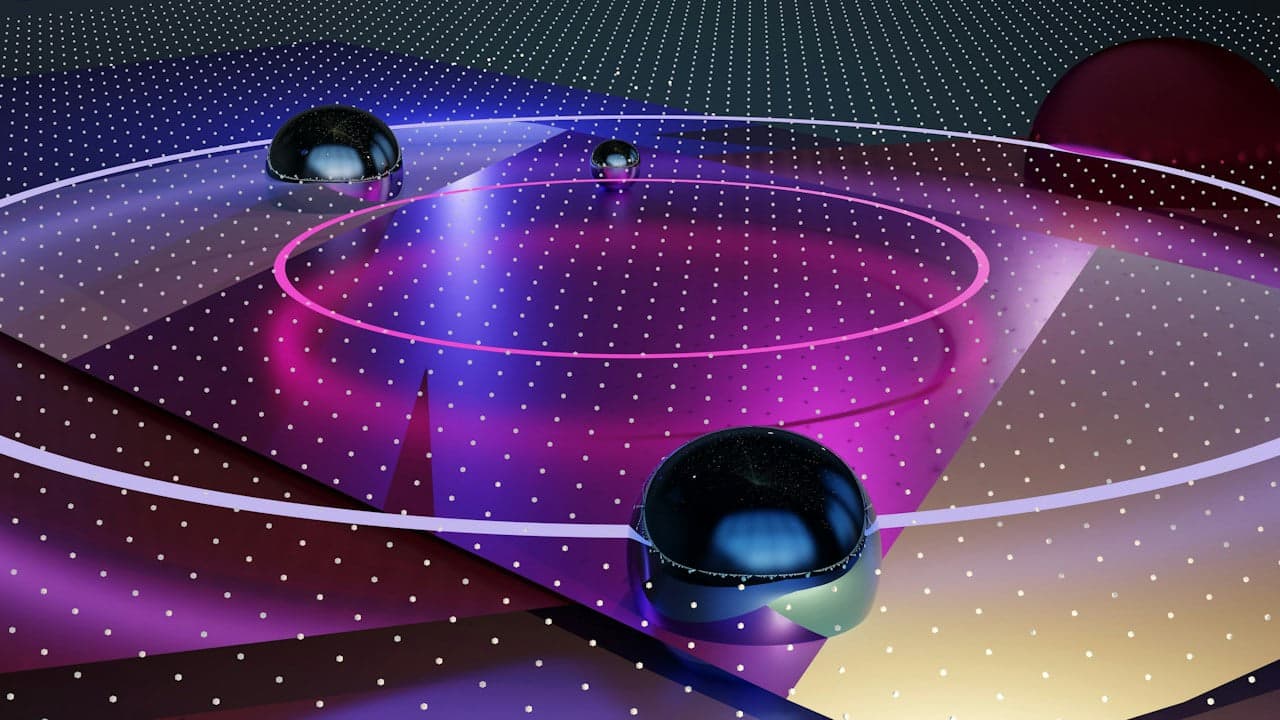
A research team led by the University of Innsbruck, in collaboration with French theorists, has engineered an exotic quantum configuration known as a fractional Fermi sea. Reported in Physical Review Letters, this scientific innovation demonstrates that ultracold atoms subjected to alternating attraction and repulsion maintain a structured order rather than collapsing into thermal disorder.

Letizia Giugliano

Electricity

Altermagnetism Discovery Earns 2026 Europhysics Prize

Physicists have identified altermagnetism as a third distinct category of collinear magnetism, challenging an understanding that stood for over a century. The breakthrough, which represents a foundational scientific innovation, earned researchers from Germany and the Czech Republic the prestigious 2026 Europhysics Prize. By uniting traits of ferromagnets and antiferromagnets, the finding provides a novel mechanism for spintronic devices and next-generation computing technologies.

Giovanni Sapere

Mechanical Engineering

Engineered Crystal Defects Strengthen Metal Alloys Without Chemical Tweaks

Materials scientists have developed a two-step method that turns internal crystal imperfections into reinforcing networks across metal alloys. The innovation, documented by researchers at The Ohio State University, boosts mechanical strength and thermal creep resistance without altering chemical composition. Published on October 15, 2026, the technique provides new structural principles for extreme-environment machinery.

Letizia Giugliano

Biology

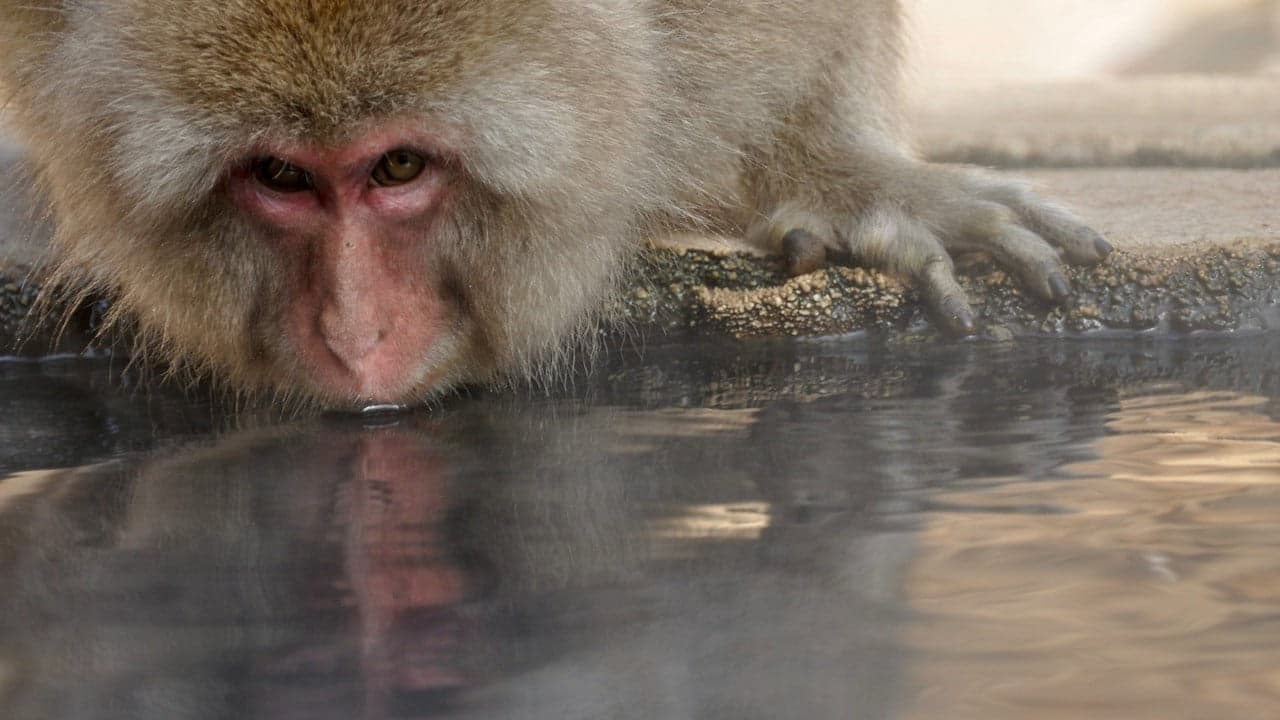
Macaques Learn Germ Caution Following Viral Outbreak in Texas Study

A scientific innovation in cognitive biology shows that Japanese macaques become significantly more cautious around potentially contaminated food after surviving a deadly disease epidemic. Researchers from the University of California San Diego discovered that this behavioral shift occurred across exposed groups regardless of whether individual monkeys had contracted the virus. Published in Royal Society Open Science, the study provides rare empirical evidence into the evolutionary origins of animal disgust and disease avoidance.

Giovanni Sapere

Robotics

Lab-Grown Neurons Decode Braille and Steer Robot Dogs

Recent breakthroughs in biohybrid robotics have demonstrated that cultured human neural tissue can process tactile information and steer physical machines. Researchers from the University of Bristol and Melbourne-based Cortical Labs are pairing biological neurons with silicon electronics to achieve adaptable learning using minimal computational power.

Letizia Giugliano

Environment

University of Melbourne Study Maps 34 Percent Cut in EV Battery Emissions

A study led by researchers at the University of Melbourne reveals that lithium-ion battery supply-chain emissions can drop by approximately 34 percent by 2050. The research models how industrial decarbonisation and demand-side strategies could prevent up to 7.2 billion metric tons of greenhouse gas emissions worldwide.

Letizia Giugliano

AI

AI Weed Control Sparks a Third Agricultural Revolution

Researchers from the University of Mississippi and Cornell University have analyzed how precision agriculture driven by artificial intelligence is reshaping crop management. Their evaluation shows that automated lasers, robotic cultivators, and targeted sprayers can sharply reduce chemical applications, though substantial capital costs and regional data limitations temper widespread adoption.

Giovanni Sapere